REVIEW · ATHENS
Hydra Island & Mythical Full Peloponnese Private 9-Day Tour
Book on Viator →Operated by EUDAIMONIA Private Tours · Bookable on Viator
Big myths, clean logistics. This private 9-day trip strings together the Peloponnese’s headline ruins with the car-free calm of Hydra. You’ll travel with a local driver/guide, start the day at 8:00am, and get a plan that handles the hard parts like timing and transfers so you can focus on the places—Corinth, Mycenae, Epidaurus, Mani, Olympia, and more.
I especially like the human service side. The planning is handled by Nikos, and in the field you may also work with Theo, who gets called out for site knowledge and helping make the history feel real (not just dates on a sign). A second reason I like it: the itinerary mixes big archaeology with small-town breaks like romantic Nafplio and mountain villages in Arcadia, so the trip doesn’t feel like one long museum line.
One thing to consider: it’s a lot of stops in a short time. Many sites (and things like the boat to Hydra and train tickets) aren’t included, and you’ll do some walking and climbing—think the 999 steps at Palamidi and a 20-minute forest hike to a cliff-hanging monastery. If you want total slow travel, this isn’t that.
In This Review
- Key points I’d highlight before you book
- From Corinth’s Canal to Epidaurus: Day 1 in the Argolis region
- Hydra on foot, a Kountouriotis mansion, and the Ermioni boat hop: Day 2
- Parnon viewpoints to Monemvasia’s sea-rock castle town: Day 3
- Mani’s wild stretches and Diros Caves by boat: Day 4
- Mystras and Sparta’s olive culture stops: Day 5
- Messene’s fortress city and Apollo Epikourios: Day 6
- Olympia’s stadium feeling and Arcadia village time: Day 7
- Water-power museum, Prodromou monastery hike, and Stemnitsa: Day 8
- Kastria Cave of the Lakes, Kalavrita, and the Diakopto–Kalavryta train: Day 9
- Price check and what you’ll pay extra for
- How this tour feels day to day: driving time, walking, and pacing
- Who should book this Hydra and Peloponnese private tour?
- Should you book this tour?
- FAQ
- What time does the tour start?
- Is this a private tour?
- Where is the tour located?
- Is accommodation included?
- Are meals included?
- Are entrance fees included?
- Do you take a boat to Hydra?
- Is there a train ride included?
- Is the tour physically demanding?
- What kind of transportation is used?
Key points I’d highlight before you book
- Private, just-your-group touring: No mixing with strangers; you move as one party (up to 7 related people).
- Hydra without cars: You’ll explore on foot in a historic, relaxed island town.
- Ancient-site heavy, but not boring: Mycenae, Epidaurus, Olympia, Messene, and more get real context from your driver/guide.
- Mani’s scenery plus a guided cave boat: Diros Caves is a standout switch from ruins to nature.
- Built-in planning support: Nikos handles coordination, and Theo is mentioned for strong on-the-ground help.
- You’ll pay some extras on top: Admissions and several transport elements have extra costs.
From Corinth’s Canal to Epidaurus: Day 1 in the Argolis region
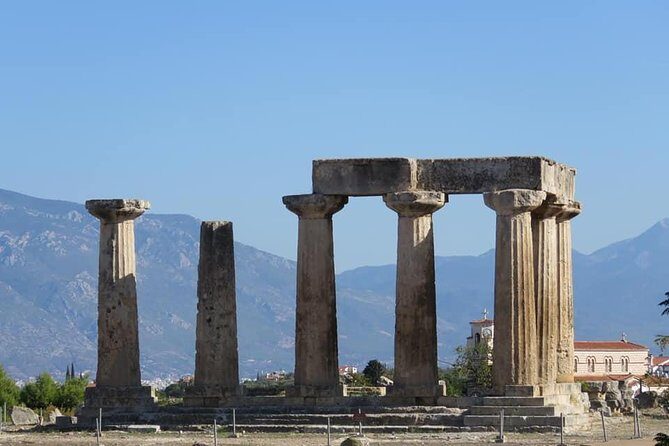
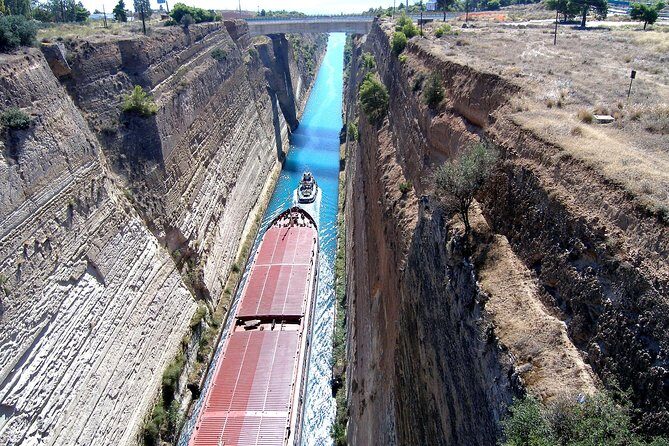
Day 1 stacks some of the Peloponnese’s most famous stops fast, with the bonus that the drive keeps the trip feeling efficient. You start with a quick photo stop at the Corinth Canal, a narrow cut that links two seas and visually makes the Peloponnese feel like an island.
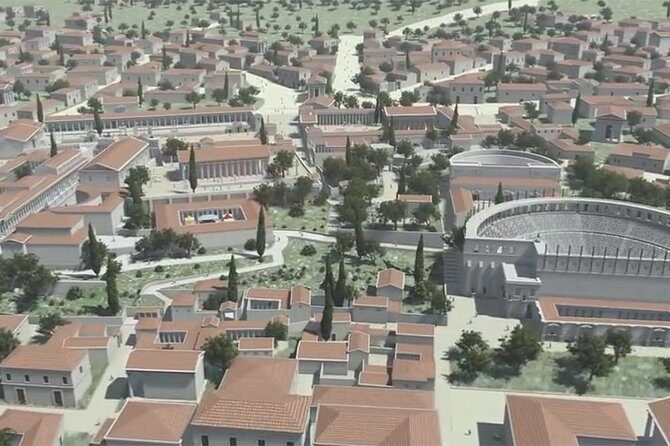
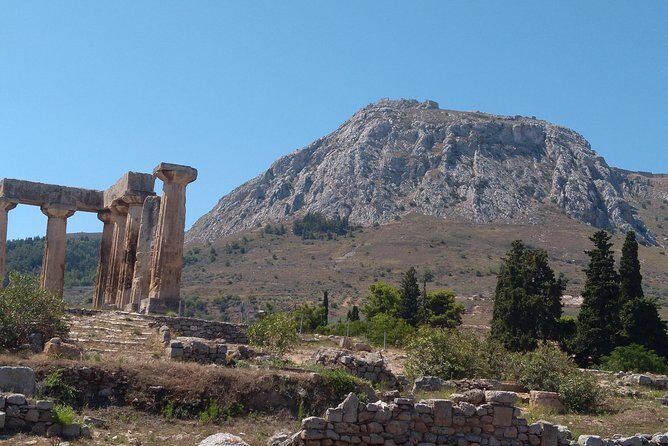
Next comes Ancient Corinth (Archaia Korinthos) for about an hour. Then you head to Mycenae, a UNESCO site tied to the Mycenean civilization and King Agamemnon, with time to wander the archaeological area plus the accompanying museum.
After that, you base yourself around Nafplio, described as the first capital of Greece and a great place for evening strolls. The day ends with Epidaurus’ Ancient Theatre, known as the oldest theater in the world with excellent acoustics, plus options for an evening at Nafplio port and a climb through Palamidi Castle via the 999 steps (great views, but not “sit-down and sip” travel).
You can also read our reviews of more private tours in Athens


Hydra on foot, a Kountouriotis mansion, and the Ermioni boat hop: Day 2
Hydra is the day you slow down, because Hydra has no cars. That one rule changes the whole mood: quieter streets, more walking, and views that feel like they’re made for lingering. You’ll spend about five hours exploring Hydra Town on foot, in an island that historically drew shipping families and artists.
Then you visit the Lazaros Koundouriotis Historical Mansion (National Historical Museum). This is where the trip gets more “life on the island” and less “stone ruins,” with exhibits and personal objects that reflect upper-class island culture from the 18th and 19th centuries.
To connect Hydra to the mainland, you’ll go through Ermioni. The boat hop is short (about 25 minutes each way), so you get the best of both worlds: island atmosphere without a long sea transfer. Boat costs are listed as an extra you should budget for.
Parnon viewpoints to Monemvasia’s sea-rock castle town: Day 3
Day 3 is all about coastline views, mountain air, and that satisfying moment when the medieval town comes into view. You start with Tyros, but the plan avoids the motorway for scenic driving along the coast. There’s also a coffee break by the ocean before you climb the Parnon mountain range.
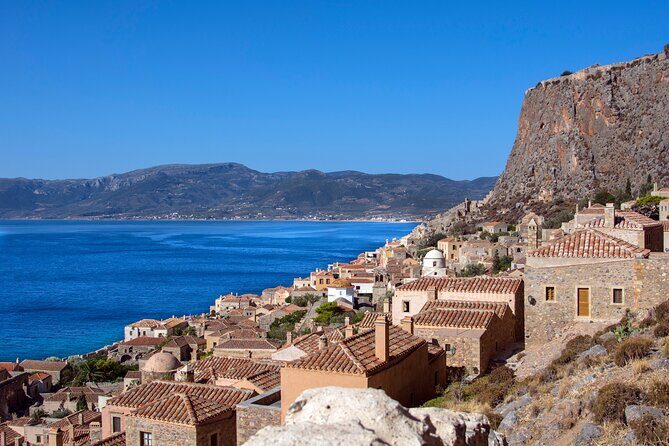
You’ll stop in Leonidio, known for Dafonas Gorge and the local sweet eggplant/aubergine. Then there’s a quick pause at Monastery Panagias Elonis, described as a cliff-hanging monastery with standout views over red rock formations.
For lunch, you visit Kosmas, a small mountain village on Mount Parnon with forests nearby and an outdoor square setting under large trees. The day finishes in Monemvasia Castle Town, carved on the back side of a sea rock in medieval times. You arrive early enough to explore as much as you can handle—which is a smart move, because this is one of those places where you’ll want to turn down every side street.
Mani’s wild stretches and Diros Caves by boat: Day 4
If Day 3 is medieval wonder, Day 4 is rugged nature. You start with the Mani Peninsula, noted as wild and beautiful, then shift to something very hands-on: Caves of Diros.
The cave visit is done from a guided boat ride, with lighting and rock formations (including stalagmites and stalactites) meant to help you appreciate how the cave has changed over time. Boat-cave admission is not included, so budget for it.
Then you get two very “Mani” towns: Areopoli, a typical stone-built place with a pirate-threat past, and Vatheia (Vathia), famously photographed as the abandoned castle town where the views are still the headline. The abandoned part is the tradeoff: less bustle, more atmosphere, and you’ll spend your time soaking in the setting.
Mystras and Sparta’s olive culture stops: Day 5
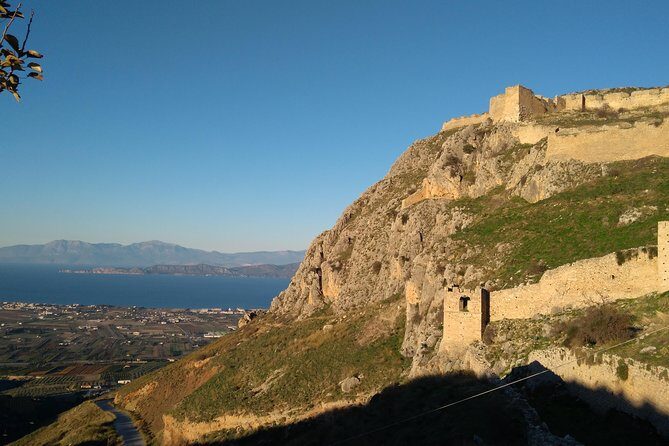
Day 5 leans Byzantine and legend. You’ll visit the Archaeological Site of Mystra, a Byzantine castletown with views over Sparta and Laconic olive groves. You get around two hours, which is enough time to wander slowly without feeling like you’re sprinting.
Next is a short stop at the Leonidas Monument, where the famous Thermopylae moment is referenced through the statue and the Molon labe slogan. It’s brief, but it sets the tone for why Greece’s stories stick in your head.
If you like food-culture history, you can add the Museum of the Olive and Greek Olive Oil (optional). It covers olive oil production technology and culture from prehistoric times through the early 20th century. This one can be a surprisingly good reset after days of walking ruins—especially if you’re traveling with someone who likes practical history as much as big monuments.
- All Day Cruise -3 Islands to Agistri,Moni, Aegina with lunch and drinks included
★ 5.0 · 4,958 reviews



Messene’s fortress city and Apollo Epikourios: Day 6
Day 6 is about scale and preservation. You’ll start at Ancient Messene, described as one of antiquity’s most important cities, with impressive fortifications, religious and public buildings, houses, and tombs. The emphasis here is on size and state of preservation, and you’ll have about two hours.
After that, you visit the Temple of Apollo Epikourios. The plan keeps it simple here: about one hour at a site that just needs you to slow down and look. If you’ve been feeling like the itinerary is “too many monuments,” this day can feel like a breather, because the focus is more about a couple of places done well instead of a long list of quick stops.
Olympia’s stadium feeling and Arcadia village time: Day 7
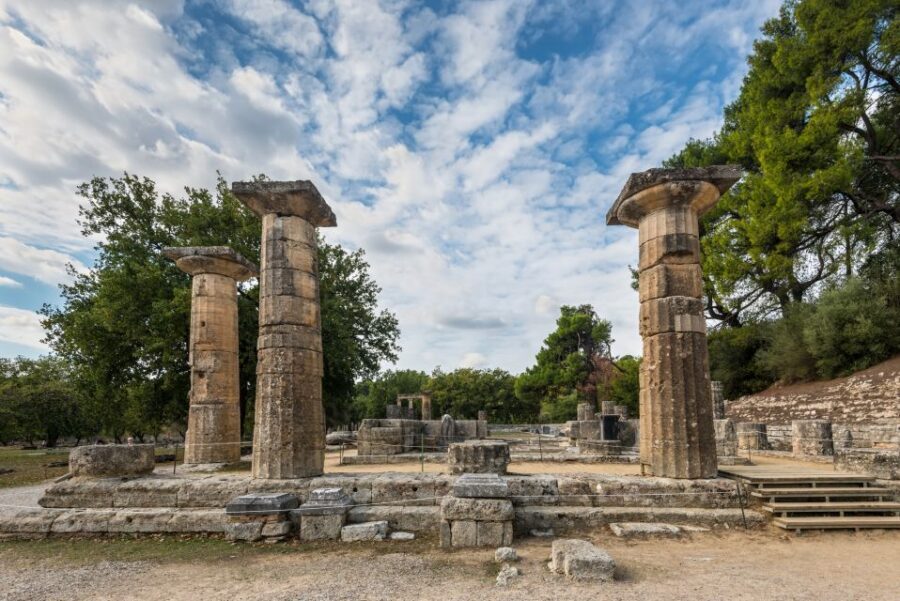
Olympia is your big “sports and gods” day. The plan includes the Archaeological Site of Olympia, where the original Olympic Games were founded in the 8th century B.C. You’ll have time for ruins tied to athletic training areas, a stadium, and temples dedicated to Hera and Zeus.
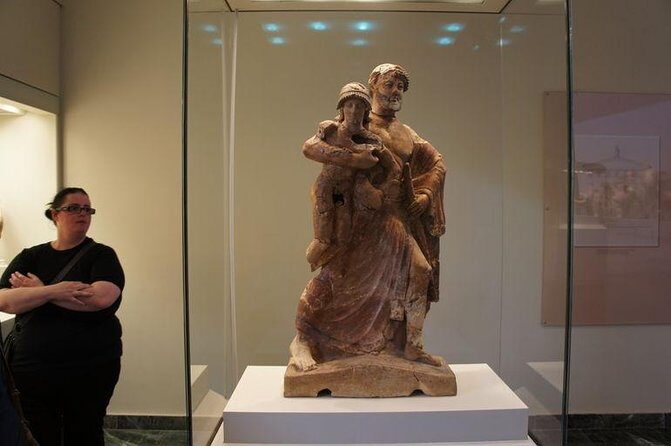
Then you head to the Olympia Archaeological Museum for about 30 minutes. The museum includes major sculptures and decoration connected to the marble temple of Zeus, plus the famous Hermes carved by Praxiteles. Even in a short visit window, the museum helps you understand what you’re looking at outside.
After Olympia, you drive into Arcadia, described as mountain stone-built villages for overnight. This is the part of the itinerary that makes the entire trip feel balanced: you’ve just done big-site Greece, and now you switch to slower village life and mountain air.
Water-power museum, Prodromou monastery hike, and Stemnitsa: Day 8
Day 8 is for the people who like practical history and small villages. You start with Dimitsana, one of the most beautiful stone-built villages of central Peloponnese. It’s popular all year and close to Stemnitsa.
Next you visit an open-air Hydrokinesis (water power) Museum, with reconstructed examples like a watermill, tannery, and gunpowder mill. It’s a pre-industrial look at how water energy powered production, and it gives you a new lens besides war and mythology.
Then there’s a hike—about 20 minutes through the forest—to reach Moni Agiou Ioanni Prodromou, a cliff-hanging monastery with the kind of views that make the effort worth it. After that you go to Stemnitsa, where you’ll have a lunch stop and time to enjoy a well-known village famous for jewelry making.
Kastria Cave of the Lakes, Kalavrita, and the Diakopto–Kalavryta train: Day 9
Your last day keeps the “mythical places” theme. First is Kastria Cave of the Lakes, billed as something uniquely different from other well-known caves, with mysterious galleries and strange stalactite formations. You’ll have about one hour.
Then you head to Kalavrita for lunch. Kalavrita is set at the foot of Mt. Chelmos, and it’s also a winter ski destination for Athenians, but the plan focuses on the town’s stone-built streets, small squares, cafés, and tavernas under plane trees.
After lunch, you take the Diakopto–Kalavryta railway, a scenic route through Vouraikos Gorge. The ride ends at the Corinthian Gulf shores. Train ticket costs are not included, so you’ll want to budget for this if you want it to be part of your day as written.
The day wraps with the option to return to Ancient Corinth for a final look, then drop-off back in Athens at Syntagma Square (or optionally a different transfer point like Piraeus port or the airport).
Price check and what you’ll pay extra for
At $6,193.21 per person, this is not a cheap “see everything” add-on. It’s priced like a private, coordinated road trip with a brand new vehicle (2020–2022), bottled water, and an in-car information booklet for sites and activities.
Here’s what you should treat as included in value:
- Private touring for your group (no co-shared bus day).
- Breakfast and lunch included for two days (plus bottled water).
- Two nights of accommodation included (important: the exact nights matter, so confirm which ones before you go).
- Extra time and convenience from having someone handle the driving and the sequencing.
Here’s what you should plan to pay extra for:
- Site admissions (often noted as not included).
- The boat to Hydra and train tickets for the Diakopto–Kalavryta line.
Because those extras can add up, I’d do two things before booking:
1) Ask for a clear estimate of typical admission and transport costs for your exact departure.
2) Decide which optional add-ons you actually want (like the olive oil museum and some optional Corinth time).
How this tour feels day to day: driving time, walking, and pacing
This itinerary is built for people who want a lot of Greece in one trip, with a guide/driver smoothing the edges. You’ll start early (8:00am), move between regions often, and spend your time either walking sites or transitioning with short breaks.
The “moderate physical fitness” note is real. You should expect:
- Stair climbing (Palamidi’s 999 steps).
- A forest hike for a monastery (about 20 minutes one way).
- Cave time that involves stepping onto and off boats.
If you’re comfortable with that, you’ll likely appreciate the pacing because it avoids dead air. If you prefer long afternoons with nothing scheduled, you may find the days feel packed.
One more practical plus: since it’s private, you’re not stuck waiting for a large group’s slowest member. That can make a huge difference when you’re dealing with ticket lines at major sites.
Who should book this Hydra and Peloponnese private tour?
This is a strong match if you want:
- A curated mix of ancient highlights (Mycenae, Epidaurus, Olympia, Messene) and legendary scenery (Hydra, Monemvasia, Mani).
- A private setup where service matters, and coordination isn’t on you. The name Nikos comes up for planning communication, and Theo gets recognized for on-the-ground knowledge.
- An itinerary that includes both big stops and smaller town moments like Nafplio and Arcadia villages.
It may not suit you if:
- You want the trip to be mostly free time.
- You don’t like walking stairs or short hikes.
- You dislike paying extra for admissions and transport elements.
Should you book this tour?
I’d book it if you’re chasing a Peloponnese sampler that still feels structured—ancient sites you can’t easily stitch together yourself, plus Hydra’s car-free rhythm that breaks up the archaeology days. The service style is the real differentiator: clear planning, private driving, and a guide approach that tries to connect the dots.
I wouldn’t book it if you’re aiming for a slow, budget-first vacation with minimal ticket planning. With this price, you want the trip to feel smooth end to end—so confirm exactly which lodging nights and which meal days are included, and budget for the main extras like the boat to Hydra, cave/ticketed sites, and the railway.
If you want, tell me your travel month and your group size, and I can help you decide how to prioritize the optional pieces so the money goes where it matters most.
FAQ
What time does the tour start?
It starts at 8:00am, with pickup offered (and drop-off back in Athens is included at the end at Syntagma Square, or optionally another point).
Is this a private tour?
Yes. It’s private for just your group, and it’s listed as for 1–7 related people.
Where is the tour located?
It runs from Athens, Greece, with stops across the Peloponnese and the island of Hydra.
Is accommodation included?
Two nights of accommodation are included (you should confirm which nights in the overall plan before traveling).
Are meals included?
Breakfast and lunch are included for two days, and bottled water is provided. Other meals aren’t listed as included.
Are entrance fees included?
No. Many site admissions are listed as not included, and you should budget for those extras.
Do you take a boat to Hydra?
Yes. You’ll go to Hydra via the Ermioni pier by boat, and the boat cost is listed as an extra to budget for.
Is there a train ride included?
Yes. The Diakopto–Kalavryta railway is included in the schedule, but train tickets are listed as not included.
Is the tour physically demanding?
It’s marked as moderate fitness. You should be ready for walking and climbing, including steps like the Palamidi climb and a short hike to a monastery.
What kind of transportation is used?
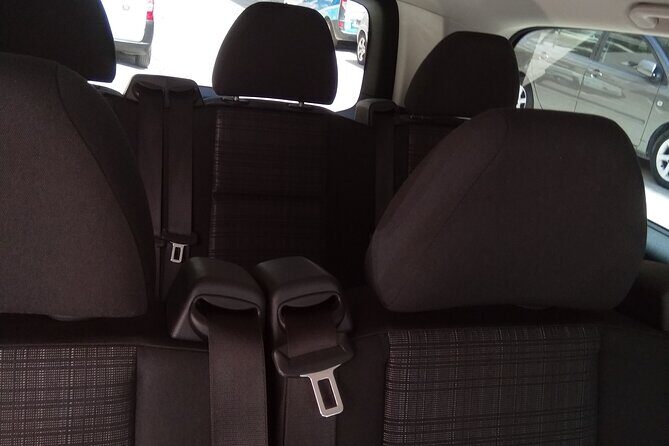
You’ll travel in brand new vehicles (2020–2022). The tour includes bottled water and an in-car information booklet for sites and activities.


More Private Tours in Athens


More Tours in Athens

More Tour Reviews in Athens
- All Day Cruise -3 Islands to Agistri,Moni, Aegina with lunch and drinks included
★ 5.0 · 4,958 reviews