REVIEW · ATHENS
Paul”s Footsteps Ancient Corinth Biblical Tour
Book on Viator →Operated by Great Greece Tours · Bookable on Viator
Paul’s trail makes Corinth feel personal. This is a purpose-built day to retrace the Apostle Paul’s route around ancient Corinth, and what makes it practical is the Private transport: you ride between major stops without sharing your schedule. I especially like having Wi‑Fi in the vehicle, so you can look up names, places, and timelines while the drive is still fresh in your head.
The main catch is budgeting: entrance fees for several key archaeological sights and museums are not included (plan about €15 per person), and a licensed guide to walk you inside the sites is also not part of the base price. Still, if you’re okay with paying for entries, the day runs in a smart, no-hassle way.
In This Review
- Key things that make this Corinth day work
- Paul’s private route from Athens: what you’re really buying
- Getting to Corinth smoothly in an air-conditioned luxury van
- Corinth Canal and the Diolkos: where freight met faith
- Temple of Apollo: light and music, anchored in Corinth
- Corinth Archaeological Museum: Roman names and 265 amphoras
- Acrocorinth fortress: Caesar’s winter palace and a view worth the climb
- Kenchreai: the port stop that connects to Priscilla and Aquila
- Ancient Corinth on foot, then Apostolos Pavlos Church
- Price and value: how the extras change the real cost
- The guides: strong English and smooth pacing
- Should you book this Paul’s Footsteps Corinth tour?
- FAQ
- How long is the Paul’s Footsteps Ancient Corinth Biblical Tour?
- Is hotel or cruise pickup included?
- Is Wi‑Fi available during the tour?
- Are entrance fees included in the price?
- Is lunch provided?
- Is the tour offered in English, and do you provide child seats?
Key things that make this Corinth day work
- Private group up to 2 with hotel or cruise pickup and drop-off across Athens
- Wi‑Fi in the van so you can do quick research between stops (with bottled water along the way)
- Corinth Canal and the Diolkos connect the ancient transport system to Paul’s world
- Corinth Museum focus on Roman-era context and everyday trade objects like amphoras
- Acrocorinth views from 530 m up help you understand how the port and canal relate
- Kenchreai + Apostolos Pavlos Church ground the route in the early Christian story of Priscilla and Aquila
Paul’s private route from Athens: what you’re really buying
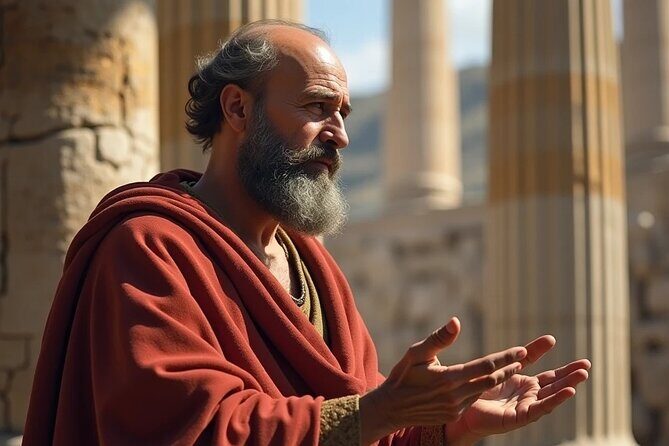
This day trip is built for one thing: tracing Paul the Apostle’s steps around Corinth, not just sightseeing randomly around the area. It runs about 6 hours 30 minutes total, and it’s private, which matters more than it sounds. You’re not waiting for anyone else’s pace, and you can spend a little extra time where the story clicks for you.
You’ll meet your team with a name sign at your hotel, Airbnb, or cruise location in Athens, then head out in an air-conditioned luxury vehicle. The guide for Biblical tours is English-speaking, and you get a mobile ticket so you’re not scrambling for paperwork when you arrive.
Also, you’ll notice the tour is designed like a route you can follow in your mind: major sites tied to Paul’s path, plus connective stops where the city’s economy and geography help explain the letters and relationships that come later.
You can also read our reviews of more tours and experiences in Athens.


Getting to Corinth smoothly in an air-conditioned luxury van
The biggest quality-of-life upgrade here is the transport. Riding between sites in a private vehicle means you’re not stuck in separate taxis or walking long distances just to link up the highlights. You also get Wi‑Fi on board, which turns the drive into active time, not dead time.
I like that this structure helps you do the kind of travel thinking that makes these places land. For example, as you move from the Corinth Canal area toward older routes around the city, you can quickly look up how the waterways and roads shaped movement, trade, and travel.
If you’ve ever visited big archaeological areas and felt rushed by the clock, you’ll probably appreciate the pacing style implied by a private run: stops are planned, but the day isn’t controlled by a long group queue.
One practical note: the tour excludes lunch. So if you want a calm day (and not a hangry one), plan ahead for where you’ll eat after or around the main sightseeing blocks. The tour itself keeps you moving, so build in that meal time.
Corinth Canal and the Diolkos: where freight met faith
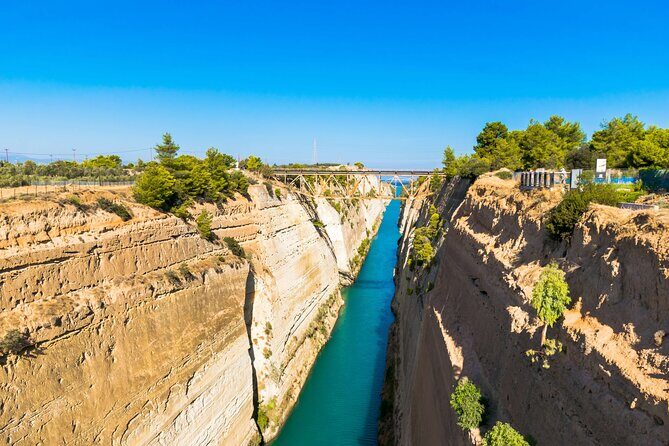
Your first major stop is the Corinth Canal area, known historically as the Isthmus Canal. It’s famous for the scale: about 4 miles long, and around 80 meters high and 27 meters wide. It’s also tied to a long construction story—excavations began under King George in 1886 and finished in 1996, after a rough stretch involving wars.
Here’s the interesting twist the tour gives you: Paul’s connection is framed around the idea that the canal existed much earlier in basic form—around 2700 B.C.—even before the modern excavations. The Romans then improved the practicality of boat movement by using a roll system: transferring boats by moving them on woods.
Then you move to the Diolkos, described as an ancient roll way from about 2700 B.C. This is the kind of detail that makes Corinth feel real. You’re not only looking at stones; you’re seeing how people moved goods and ships across a narrow stretch of land. That matters because Paul’s world wasn’t isolated. It was connected by commerce, shipping, and people passing through.
What you’ll enjoy here:
- Great photo angles at the canal viewpoints
- A clear explanation of how the region functioned as a crossroads
What to watch for:
- Sun and heat can be real at these early stops. Bring water and something protective for your head.
Temple of Apollo: light and music, anchored in Corinth
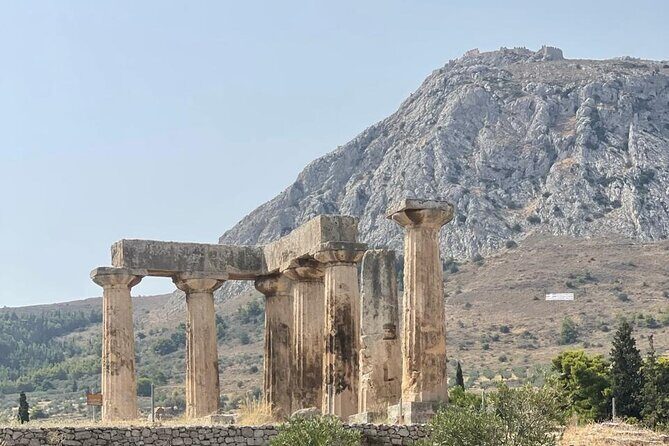
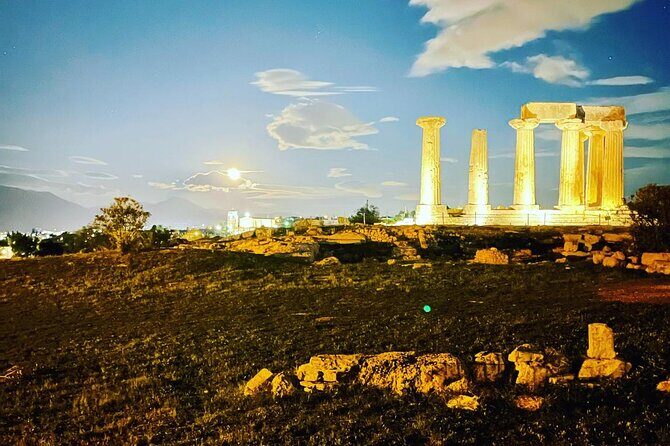
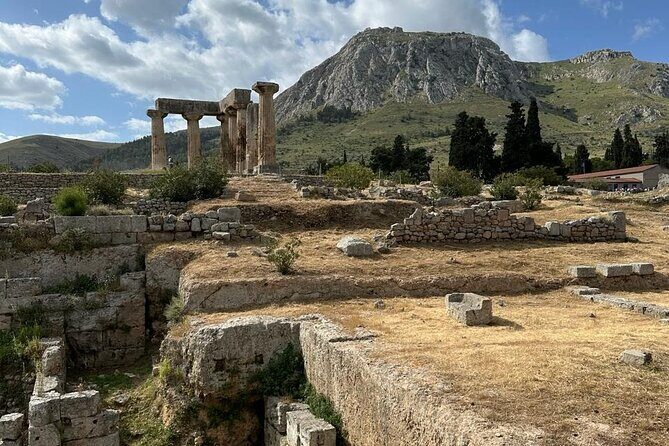
Next is the Temple of Apollo, tied to the local identity of Corinth and also framed through the lens of Roman culture. Apollo is presented as the god of light and music, and the tour highlights a special claim: this is the Temple of Apollo that the sun can be seen from across the sights.
Even if you’re not deep into ancient religion, this stop helps you understand the tone of Corinth. Temples weren’t just religious markers. They were public anchors for identity, power, and community life. When you’re later standing in the older layers of the city, Apollo becomes a useful reference point.
You get about 30 minutes here. Entrance isn’t included, so you’ll want to budget for site fees. This is one of those places where a little context goes a long way—so if you’re paying attention to what your guide says, the time feels worth it.
Corinth Archaeological Museum: Roman names and 265 amphoras
If you like museums that help you connect the dots between what you see outdoors and the daily life behind it, this stop does that job. The Archaeological Museum of Corinth is described as one of Greece’s most notable museum stops, with statues and references to Roman emperors and key figures such as Periander and Gallion, plus many more.
But the detail I really love from the tour’s framing is the trade focus: the museum includes 265 amphoras, with different styles (including Greek key patterns mentioned in the tour description). Amphoras are basically the ancient answer to shipping containers. They tell you what people transported, how products were marked, and how business ran.
You’ll have about 1 hour in the museum. Entrance fees are not included, so this is another spot where your budget matters. Still, the time often pays off because it turns Corinth from a set of ruins into a place that produced and moved goods—exactly the kind of setting where a traveling preacher would encounter networks of makers, workers, and merchants.
- All Day Cruise -3 Islands to Agistri,Moni, Aegina with lunch and drinks included
★ 5.0 · 4,958 reviews



Acrocorinth fortress: Caesar’s winter palace and a view worth the climb
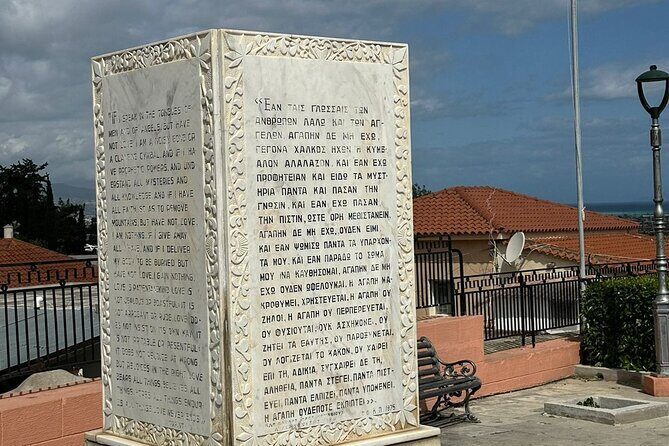
Then you get to Acrocorinth, the big fortress above the city. It’s described as a castle dating to the 5th century B.C., sitting about 530 meters high. The tour frames it as Caesar’s winter palace, with the Temple of Aphrodite also included in the story (complete with a claim about 1000 beautiful women of Corinth—which is clearly part myth-making and part ancient tradition as told here).
The practical value of Acrocorinth is the viewpoint. From up there, you can link the city to its surroundings. The tour specifically notes that Ceasar could watch the Corinth Canal and that you can see the boats from there. Even if the details aren’t the same every day, the function of the stop is clear: you’re learning geography by looking down.
You’ll have about 1 hour here, and entrances aren’t included. Since fortress areas can involve uneven ground or stairs, wear shoes that won’t slip. Also, take a moment to rest and just look out. In a tour packed with Biblical references, this is one of the best places to let the broader world of Corinth set the mood.
Kenchreai: the port stop that connects to Priscilla and Aquila
The day turns more personal at Ancient Port of Kenchreai. This is where the tour places key events from Paul’s time, including meeting Priscilla and Aquila, who are described as tentmakers. The time marker given is 51 A.D., and the story includes that Paul had overnights here.
The tour also notes that you can see what is framed as the very first Christian church. Whether you approach it as faith history or cultural history, the effect is similar: it shifts the day from monuments and city planning to people and community.
You get about 45 minutes here, and it’s described with a free admission ticket. That’s a nice bonus because it balances the day: not everything costs extra.
If you like meaningful travel details—small but story-heavy moments—this is the part where you’ll likely slow down on purpose. It’s not just about seeing. It’s about placing Paul’s relationships on a real map.
Ancient Corinth on foot, then Apostolos Pavlos Church
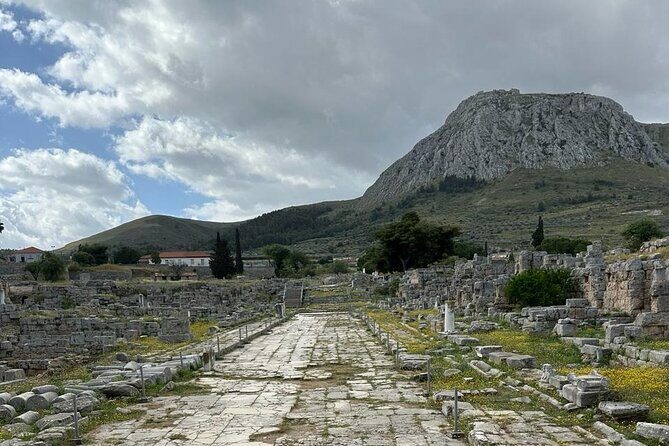
After Kenchreai, you move into Ancient Corinth (Archaia Korinthos), described as an ancient settlement with layers reaching back 7,000 years. This is one of the longest chunks of the day, at about 2 hours, and it’s where you see the ingredients that formed Corinth’s public life.
The tour highlights several big stops within the ancient area:
- The Temple of Apollo (with a reference that it’s second in fame to the Apollo temple in Delphi)
- The Octavias Temple connected to Caesar’s mother (as described)
- The Agora
- The Oracle of Corinth
- An Ancient Church of Paul
- Plus a museum and more
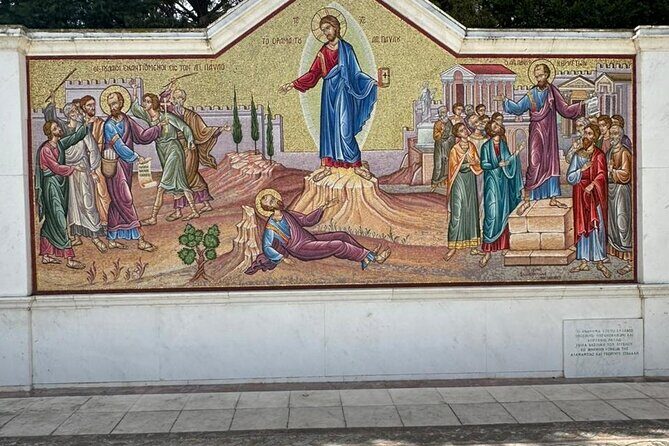
Then you finish with Apostolos Pavlos Church, described as the Ancient Church of Paul from 51 A.D. You’ll have about 20 minutes there, and it’s again listed with free admission ticket.
This is a powerful pairing: you go from civic and religious Corinth to a church associated with the earliest Christian footprint in the route. Even if you’re not fully tracking every location name, the way these stops layer together helps you understand how Paul’s work fit inside the rhythm of the city.
Practical tip: this section is where your shoes matter most. Take breaks when you need them and use the guide’s explanations to connect what you’re seeing to the story of Paul.
Price and value: how the extras change the real cost
The price is listed as $350.68 per group (up to 2) for the full private day. That can sound steep until you compare what’s included—and what isn’t.
Included:
- Private, air-conditioned luxury vehicle
- Wi‑Fi on board
- Bottled water
- English-speaking expert driver/guide for Biblical tours
- Hotel or cruise pickup and drop-off
- Mobile ticket
Not included:
- Lunch
- Site and museum entrance fees, listed as about €15 per person
- A licensed tour guide to accompany you inside the archaeological sites
- Gratuities
So here’s the value math I’d do if I were booking for you: if you’re traveling as two people, you’re likely to feel the private transport cost more fairly. The Wi‑Fi plus the expert guidance also makes the ride time useful. If you’re traveling solo, the price may feel heavier, but the private experience can still justify it if you hate group logistics.
If you want the best value, do two things:
- Budget for the entrance fees and bring a little extra for meals.
- Use your guide time wisely—ask questions at the stops where the story is most meaningful to you.
The guides: strong English and smooth pacing
Names you might meet include Kostas, Nick, Constantine, and George (the tour is run by an English-speaking expert driver/guide for Biblical tours). Across the day, the consistent theme is that you’re not just dropped off; you’re guided with enough explanation to make the route feel coherent.
I also like that the day has a rhythm: drive for context, then short-to-medium time blocks at each major stop. That keeps you from turning the whole day into a long waiting game. You still get time to look and absorb, especially at Acrocorinth and Ancient Corinth.
Should you book this Paul’s Footsteps Corinth tour?
Book it if:
- You want a private day built around Paul’s route, not a general Corinth hit list.
- You like the mix of faith story and practical city context—ports, transport systems, and trade objects.
- You’d rather pay for entrances and still have a smooth, guided route with pickup and Wi‑Fi.
Skip it or look for an alternative if:
- You expect every archaeological site to include a licensed guide walking you inside with full interpretation. The tour’s guide support is included for the day, but licensed in-site guiding is not included in the base price.
- You’re trying to keep your total spend very low, since entrance fees and lunch are on you.
If you’re in Athens with limited time, this is the kind of structured day trip that helps you make sense of Corinth quickly—while still giving you real stops, not just quick photo pulls.
FAQ
How long is the Paul’s Footsteps Ancient Corinth Biblical Tour?
It lasts about 6 hours 30 minutes.
Is hotel or cruise pickup included?
Yes. Pickup is offered with a name sign at your hotel, Airbnb, or cruise location in Athens, and drop-off is included.
Is Wi‑Fi available during the tour?
Yes, Wi‑Fi is available on board the vehicle.
Are entrance fees included in the price?
No. Entrance fees per archaeological sites and museums are not included, and the tour lists about €15 per person for these fees. Some stops are free, while others are not.
Is lunch provided?
No, lunch is not included.
Is the tour offered in English, and do you provide child seats?
The tour is offered in English, and child seats are available upon request.

More Tours in Athens

More Tour Reviews in Athens
- All Day Cruise -3 Islands to Agistri,Moni, Aegina with lunch and drinks included
★ 5.0 · 4,958 reviews