REVIEW · ATHENS
Athens: 2-Day Trip to Meteora with Guided Tours and Hotel
Book on Viator →Operated by Meteora Trip · Bookable on Viator
Meteora feels unreal in person. You get there with an air-conditioned bus, and you spend Day 1 on a guided sunset tour where you can see all six monasteries and step inside one. Day 2 is your pick: a more relaxed morning of monasteries or a hiking tour on the Meteora’s quieter trails.
Two things I really like: the pacing is traveler-friendly, with hotel time in Kalambaka between the two guided outings, and the guides help you connect the rocks to the stories and religious life that formed there. One possible drawback: the trip starts with a long day of bus time, so if you hate sitting on roads, plan for that up front.
In This Review
- Key Highlights Worth Planning For
- Why Meteora Fits Perfectly Into a 2-Day Trip
- Getting From Athens to Kalambaka: Early Start, Real Effort
- Day 1 Sunset Tour: Six Monasteries, One Inside Visit
- Day 2: Choose Sightseeing or Hiking on Hidden Trails
- Agios Stefanos to Great Meteoron: The Monastery Stops That Matter
- Hotel Time in Kalambaka: Why That Included Night Is the Secret Weapon
- Transport Comfort and Small-Group Pace
- Price and Value: What Your $144 Per Person Actually Covers
- Timing, Weather, and Photo Notes That Make a Difference
- Who This Trip Suits (and Who Might Feel the Bus Stress)
- Should You Book This Meteora 2-Day Trip?
- FAQ
- What is the duration of the trip?
- Where does the trip start in Athens?
- What time does the bus depart?
- How long are the main guided tours?
- Do I get entrance to monasteries and the Byzantine church included?
- Is breakfast included?
- How big are the groups?
- What can I choose on Day 2?
- When do you return to Athens on Day 2?
- What’s the cancellation policy?
Key Highlights Worth Planning For

- Sunset tour that matches the drama: you’ll see all six monasteries and visit the interior of one
- A real guided history and geology explanation: why hermits chose these caves and how the monks pulled off the impossible
- Day 2 is a choice: monastery sightseeing or hiking on hidden trails
- Iconic stops with smart accessibility: Agios Stefanos is easy to reach via a small stone bridge
- Small-group feel: tours run with a maximum of 15 travelers on an air-conditioned mini-bus
Why Meteora Fits Perfectly Into a 2-Day Trip
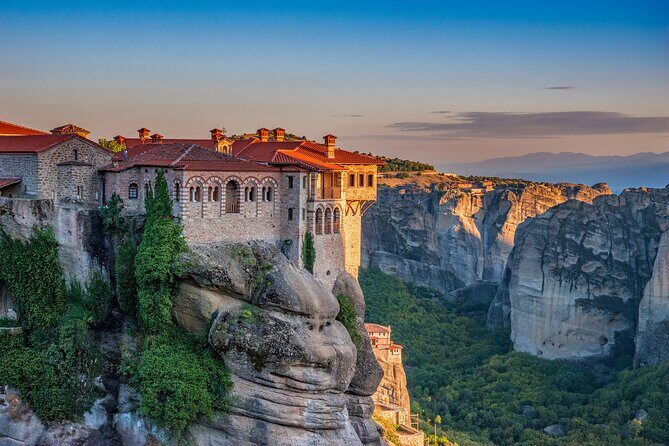
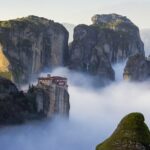
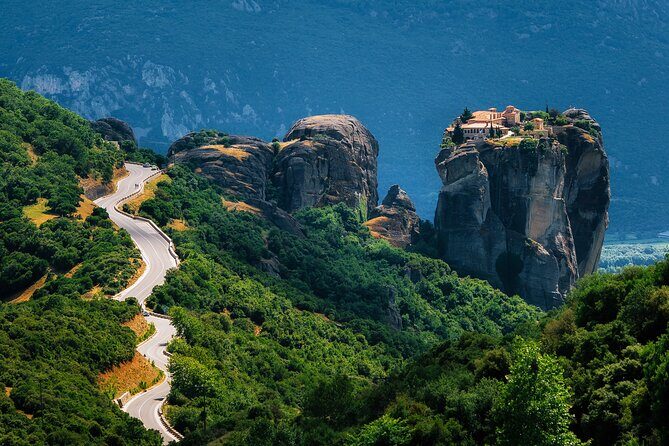
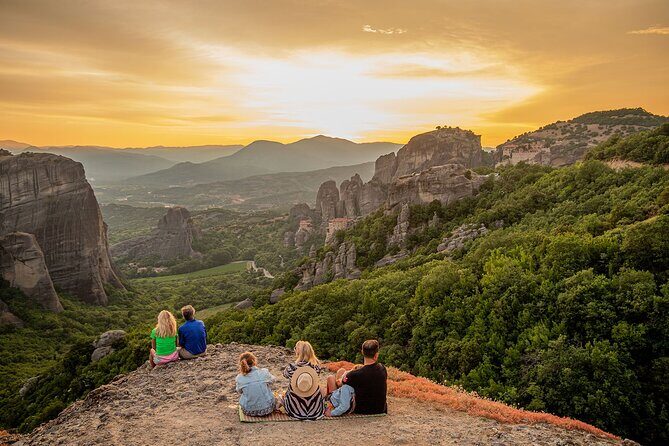
Meteora is the kind of place that can look almost staged in photos. Up close, it’s the scale and the vertical rock walls that hit you first, then the details: paths carved into cliffs, monasteries perched like they’ve always belonged there, and quiet corners that feel a world away from Athens.
This itinerary works because it doesn’t cram everything into one frantic day. You travel from Athens, sleep in Kalambaka, and then do the second outing when your legs and eyes are fresh. The result is that you get both the big, showy views and the more human side of the monasteries without feeling like you’re sprinting between bus stops.
I also like that the second day isn’t only repeat scenery. If you choose the hiking option, you’ll be walking on the Meteora’s less obvious routes, which helps you understand the place beyond postcard angles.
You can also read our reviews of more guided tours in Athens
Getting From Athens to Kalambaka: Early Start, Real Effort
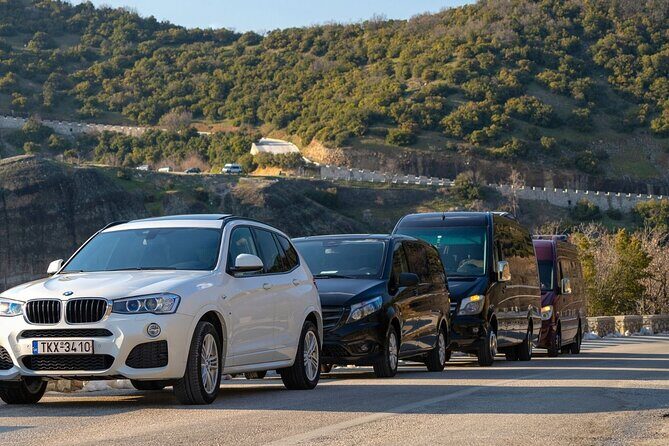
Your day begins with an early pickup near Central Railway Station Stathmos Larisis. The schedule lists a start time at 8:00 am, with boarding happening at 07:45 am from the street across the station. That’s on purpose: Meteora is far enough that you’ll want daylight for the drive and for getting settled.
The bus ride is long, but it’s not a dead stretch. You’ll get a short stop at a local store about halfway along the way, roughly 30 minutes, for restrooms and quick refreshments. Then you continue to Kalambaka, arriving at about 12:45 pm.
Once you arrive, you don’t just get dropped and sent away. Your guide meets you holding a signboard with your name, and you’re transferred to your hotel so you can reset before the afternoon tour. For me, this hotel intermission is one of the smartest parts of the plan, because it turns what could be an exhausting schedule into a more enjoyable one.
Day 1 Sunset Tour: Six Monasteries, One Inside Visit
Afternoon in Meteora is when the whole place starts to glow. After you’re picked up from your hotel, you’ll head out for the “Amazing Meteora Sunset” guided tour, which runs about four hours.
Here’s what makes this sunset plan efficient and special: you’re not stuck seeing only distant views. The tour is designed so you can see all six monasteries, then you also get the chance to see the interior of one monastery. That mix matters. From viewpoints you get the cliff drama. Inside, you get the atmosphere that explains why people would give up normal life to live here.
Your guide also points out specific locations that bring Meteora to life, including:
- the ancient hermitages of Bandovas
- the Byzantine church of the Assumption of the Virgin Mary
- the old district of Kalabaka
You’ll also hear why hermits settled in caves in these imposing rock settings about a thousand years ago, and how monks achieved what once must have sounded impossible. That kind of story is what turns the rocks from scenery into context.
And yes, you’ll have time for photos. The best part is that the timing is built around sunset views, so you’re not wandering around at random times when the light is flat.
When the tour ends, you’re transferred back to your hotel. This is one of those quiet logistics wins that makes the whole day easier, especially after a full morning of travel.
Day 2: Choose Sightseeing or Hiking on Hidden Trails

Day 2 starts in Kalambaka, and you get a four-hour guided activity you can choose in advance. This is the moment where the trip becomes more personal. Do you want the monasteries more directly, or do you want to move through the area and earn the views with your own steps?
Option A is a morning half-day tour focused on Meteora sightseeing and monasteries. You’ll be guided through key monastery stops and get the same kind of context-building that made Day 1 work.
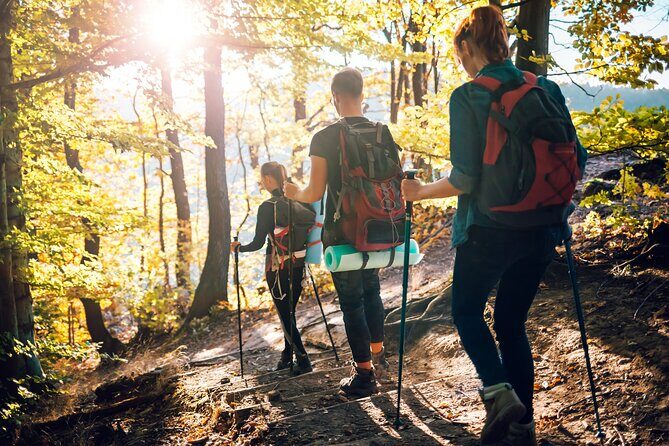
Option B is the hiking tour on Meteora’s hidden trails. This is the choice I’d steer most people toward if they can handle a hike, because it changes the feel of the day. Instead of mostly looking outward from viewpoints, you’re actively experiencing the terrain that shaped the monastic lifestyle.
In the feedback I gathered while building my decision, the hike option comes up as a highlight more than once. People also praised the local guide style on the hike—one described the guidance by name, Christos from Meteora Trip—so if you choose hiking, you’re likely to get the kind of tour that makes geology and history click rather than feel like a lecture.
Either way, you’re not stuck with only one type of experience. You’ll still visit monastery sites on Day 2, and you’ll have time later for free wandering in Kalambaka.
Agios Stefanos to Great Meteoron: The Monastery Stops That Matter
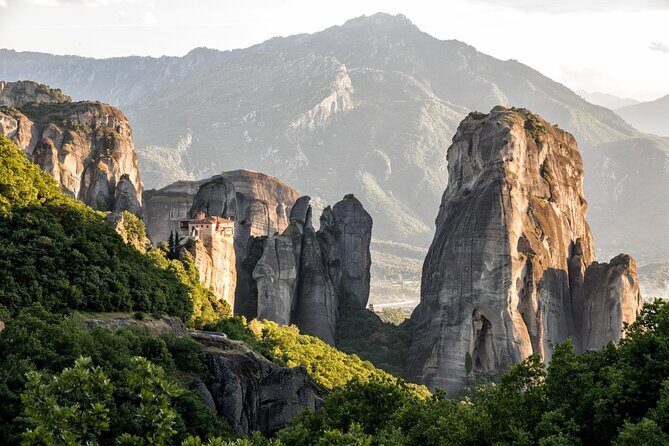
Day 2 includes a set of core monastery visits, with a few key stops that are especially worth knowing about before you go.
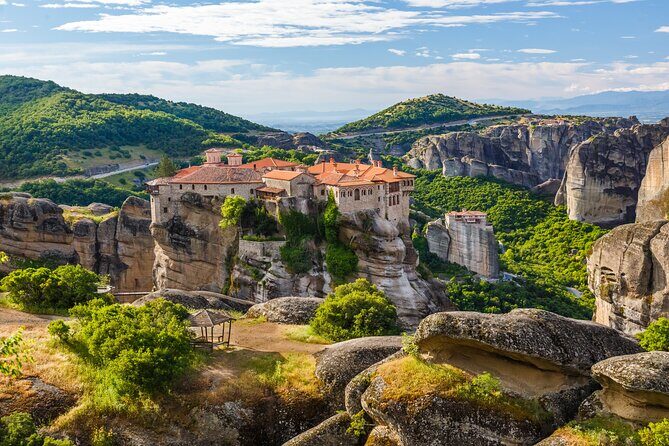
First up is Agios Stefanos. It’s located just above Kalambaka and is described as the most accessible monastery in Meteora because there are no steps to reach the entrance. Access is easy via a small stone bridge. If you’re someone who prefers simpler logistics—or you’re traveling with limited mobility—this is a big plus in the day’s lineup.
Next you’ll visit Great Meteoron Monastery, also called the Monastery of Transfiguration of Christ. This one is singled out as the oldest and most important monastery, so it’s a core historical anchor for the route. Expect a shorter stop here (about 15 minutes listed), meaning you’ll want to pay attention to what your guide is saying while you’re there.
You’ll also pass through or stop at Roussanou Monastery (also known as Arsani), which sits on a steep cliff between the Monasteries of Saint Nicholas Anapafsas and Varlaam. After that, you’ll visit Varlaam Monastery, known as the Monastery of All the Saints, on an imposing rock opposite Great Meteoron.
So what’s the practical takeaway? This itinerary isn’t trying to maximize the number of stops at any cost. It’s trying to hit monasteries that represent the story—accessibility with Agios Stefanos, the historical centerpiece with Great Meteoron, and the cliff-perched contrasts with the others.
You can also read our reviews of more tours and experiences in Athens


Hotel Time in Kalambaka: Why That Included Night Is the Secret Weapon
You’re spending the night in Kalambaka in a 3 or 4-star hotel, depending on availability and option selected. Breakfast is included depending on the option you choose. You also get a later start on Day 2 because of that overnight stay, not because the schedule is laid-back, but because you’re not sleeping on the bus like so many day tours.
One reason this matters is mental. Meteora is visually intense. The first day has long travel and a sunset tour with lots to look at. Having a real place to sit down, wash up, and decompress makes Day 2 feel less like a second act you have to survive.
Also, Kalambaka is your base for evening walking after the sunset tour. When you’re back at the hotel, you’re not trapped waiting for the next departure. You can take a stroll through town, grab a simple meal on your own, and keep the experience feeling like a trip rather than a checklist.
Transport Comfort and Small-Group Pace

The tour uses an air-conditioned bus for the Athens to Meteora transfers and an air-conditioned mini-bus for the guided portions in the Meteora area. The group size tops out at 15 travelers, which is a big deal here. Meteora isn’t a place where you want to be one more person in a crowd when you’re trying to hear your guide or photograph a viewpoint without shoulder-to-shoulder traffic.
Onboard, you’ll have free WiFi. You’ll also have audio guides in multiple languages, including Spanish, French, German, Italian, Japanese, Chinese, and Korean. If you’re the type who likes to absorb details at your own pace, this is a useful extra.
Price and Value: What Your $144 Per Person Actually Covers
At about $144.17 per person, you’re paying for more than sightseeing. You’re paying for roundtrip transportation between Athens and Meteora, one night of accommodation in Kalambaka, and two guided experiences: a four-hour sunset tour on Day 1 and a four-hour guided tour on Day 2 (either sightseeing or hiking).
That’s strong value if you compare it to the true hassle of doing this independently. You avoid the planning headache of timing buses or arranging transfers to and from Kalambaka. You also don’t have to figure out the sunset viewing logic or where your day should start and end.
One item to budget for: monastery entrance fees. The exclusions list monastery entrance fees of about €5.00 per person per monastery, and an additional €2.00 per person for the Byzantine Church. There’s also an accommodation tax listed as €5.00 per booking. So yes, it’s not a fully all-inclusive price tag.
Still, the structure is smart: guided time is built in, hotel is included, and the group size stays small. If you want Meteora with less stress and a stronger sense of meaning, this pricing looks reasonable.
Timing, Weather, and Photo Notes That Make a Difference
Meteora depends on weather. This tour is noted as requiring good weather, and if conditions aren’t right you’ll be offered a different date or a full refund. That’s important because the whole point is visibility—getting good angles for monasteries on cliff faces and seeing the full sense of scale.
Timing is also part of the experience design. Day 1 is set up to arrive in time for an evening sunset tour. Day 2 ends with pickup from your hotel in Kalambaka at 17:30, then the bus returns to Athens, arriving around 22:15.
That means you should plan your Day 2 choice accordingly. If you pick the morning hiking tour, you’ll likely feel like the day has energy. If you pick sightseeing, you might feel more relaxed but still want to be ready for a later evening transfer.
Who This Trip Suits (and Who Might Feel the Bus Stress)
This is a great fit if you:
- want a guided introduction to Meteora without spending a day figuring out logistics
- care about monastery history and want it explained while you’re looking at the rocks
- like structured tours but still want some free time in Kalambaka
- are choosing between sightseeing and hiking and want the flexibility
It may feel less ideal if you:
- strongly dislike long bus rides, since Athens to Meteora is a long transfer
- prefer super early evenings, because the return to Athens is late (around 22:15)
- want lots of monastery interior visits, since the Day 1 sunset tour includes interior access for one monastery, while Day 2 is a guided set of core stops
If you’re unsure, I’d personally lean toward doing the hike on Day 2 if your body can handle it. It’s the best way to turn Meteora from a viewing experience into a lived experience.
Should You Book This Meteora 2-Day Trip?
Yes, I think you should book it if you want Meteora done the efficient, guided way—with a real hotel night in Kalambaka and the freedom to choose between a monastery-focused morning or a hike on hidden trails.
Choose the sightseeing option if you want simpler movement and still get all the key monastery context. Choose the hiking option if you want the most memorable day feel, and if you like being active while you learn what shaped this place.
Just go in expecting one thing: the schedule includes serious bus time. If you can mentally budget for that, you’ll come away with two different angles on Meteora—sunset drama on Day 1, and a more hands-on experience on Day 2.
FAQ
What is the duration of the trip?
The tour is listed as 2 days, with transportation and activities spread across Day 1 and Day 2.
Where does the trip start in Athens?
The meeting point is near Central Railway Station Athens, at Stathmos Larisis (Στ. Λαρισης Athens 104 39, Greece).
What time does the bus depart?
The schedule shows boarding around 07:45 AM, with a start time listed at 8:00 am. You’ll board from the street across from the central railway station.
How long are the main guided tours?
Day 1 sunset tour is about four hours. Day 2 includes a four-hour morning tour that you choose in advance.
Do I get entrance to monasteries and the Byzantine church included?
No. Entrance fees for each Meteora monastery are listed as €5.00 per person, and the Byzantine Church fee is listed as €2.00 per person.
Is breakfast included?
Breakfast is included depending on the option you select for your hotel stay.
How big are the groups?
This experience has a maximum of 15 travelers.
What can I choose on Day 2?
You can choose between a four-hour Morning Half Day Sightseeing and Monasteries Tour, or a four-hour Hiking Tour on Hidden Trails.
When do you return to Athens on Day 2?
You’re picked up from your hotel at 17:30 and arrive in Athens at about 22:15.
What’s the cancellation policy?
Free cancellation is allowed up to 24 hours in advance for a full refund. If you cancel less than 24 hours before the start time, you won’t receive a refund.
More Guided Tours in Athens
More Tours in Athens


More Tour Reviews in Athens
- All Day Cruise -3 Islands to Agistri,Moni, Aegina with lunch and drinks included
★ 5.0 · 4,958 reviews