REVIEW · ATHENS
From Athens: 3 Days in Meteora & Delphi with Tours & Hotel
Book on GetYourGuide →Operated by Visit Meteora · Bookable on GetYourGuide
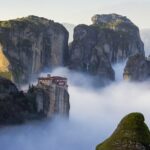
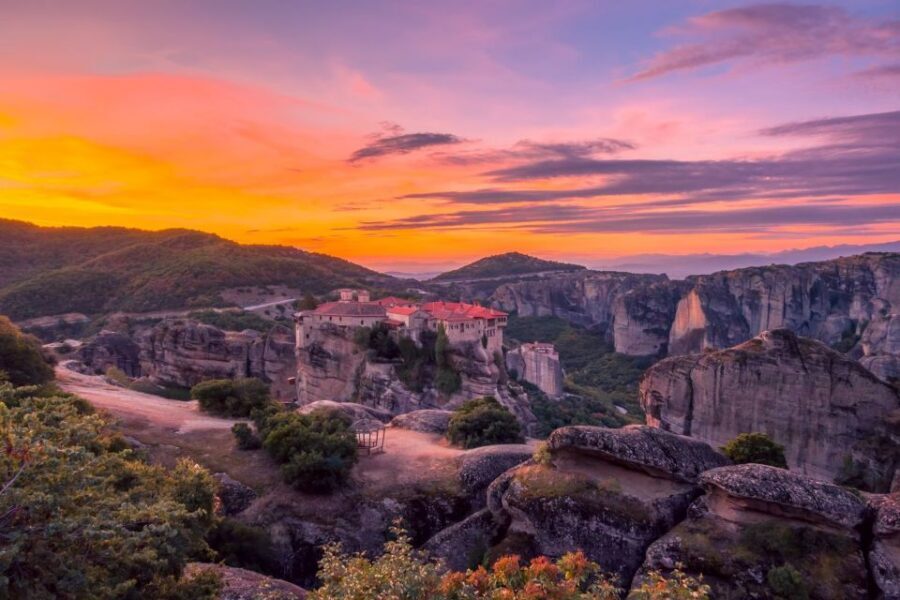
Meteora at sunset is the kind of place you remember. This 3-day package strings together Meteora’s UNESCO cliffs, a late-afternoon monastery visit with hermit caves, and then moves you on to Delphi with a Thermopylae battlefield stop so you don’t burn half your day just traveling. I especially like the built-in options for day 2 (bus tour or an easy hike) and the small-group feel that keeps the day moving. The main drawback to watch for is that Delphi is mostly self-guided audio, and the audio experience can be weaker if you’re stuck without data on your phone.
What makes this trip feel practical is that logistics are handled end-to-end: an English-speaking driver at Kalambaka, pickup for the Meteora sunset, an express shuttle toward Delphi, and luggage storage set up for your afternoon. You also get useful extras on the road, like Wi‑Fi and USB chargers on the tour bus and a Meteora map. If you’re hoping for elevators, skip it: monastery access means steps with no lifts.
In This Review
- Quick highlights
- Why Meteora and Delphi feel like a matched pair
- Day 1: Athens to Kalambaka, then a VIP sunset run
- Day 2 in Meteora: choose bus monasteries or an easy hike
- Option 1: Minibus monastery highlights
- Option 2: A guided hike with a monastery stop
- That free afternoon in Meteora: how to use it wisely
- Day 3: Meteora to Thermopylae to Delphi, without wasting hours
- Delphi: Museum first, then temples and the theater
- Hotel reality in Kalambaka: good value, but double-check location
- Transport comfort and the small “gotchas” to plan for
- Price and value: what $341 buys you (and what doesn’t)
- Who this tour suits best
- Should you book this Meteora and Delphi package?
- FAQ
- How long is this Meteora and Delphi trip?
- What hotel stay is included?
- What choices are available for Meteora on day 2?
- What does the Meteora sunset tour include?
- Are entry fees included for Meteora and Delphi?
- How do you travel from Meteora to Delphi, and what stop is included?
- Is Delphi guided, or is it self-guided?
- What languages are available for the guides and audio tours?
- What rules affect what I should wear and whether I can participate?
Quick highlights
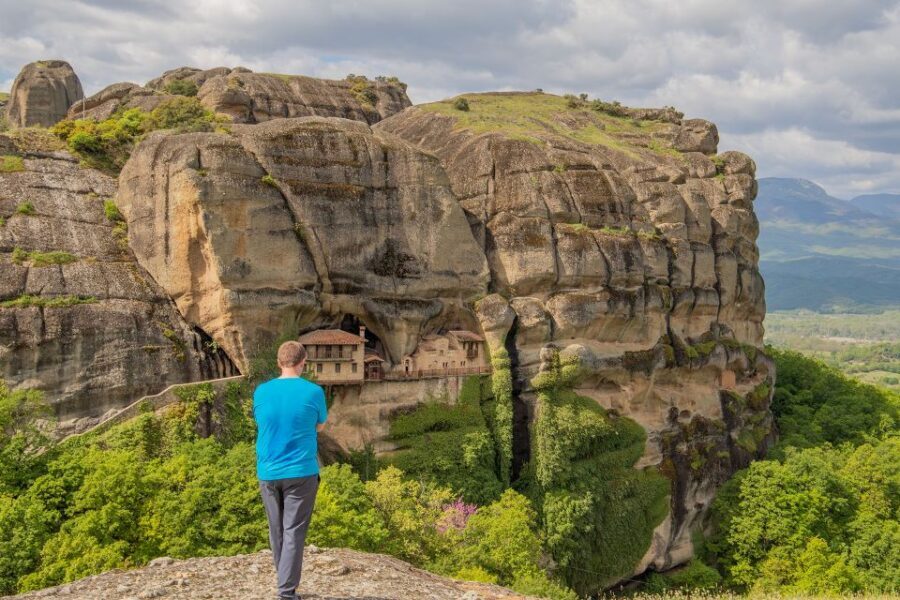
- Meteora sunset tour with monastery visit plus hermit caves views
- Day 2 choice: minibus monastery highlights or an easy hike off the main route
- Thermopylae battlefield stop on the way to Delphi
- Delphi Museum + UNESCO site stops with an audio guide format
- Hotel for 2 nights with breakfast in the Meteora/Kalambaka area
- Transport that saves time: Athens to Kalambaka first, then Meteora to Delphi by express shuttle
Why Meteora and Delphi feel like a matched pair
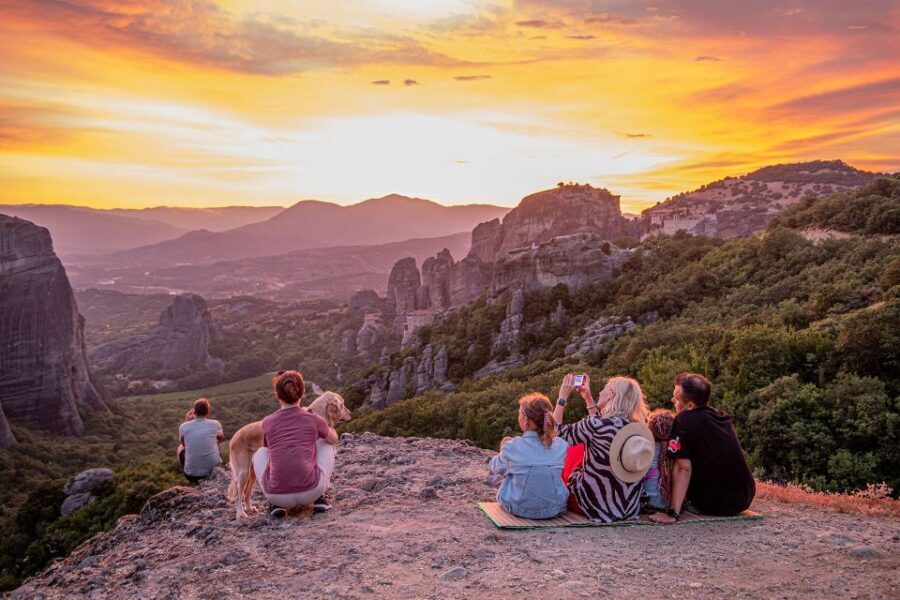
Meteora and Delphi are different kinds of “wow.” Meteora hits you with sheer rock columns and monasteries perched like they were glued to the sky. Delphi is the opposite mood: a compact site where you can walk between temples, treasuries, and the theater and feel how ideas moved through the ancient world.
The value here is that the trip doesn’t treat Meteora as just a photo stop. You get a sunset program (when the rocks look warm and unreal) and a second morning option. That second morning matters because it gives you a way to see Meteora beyond the single most-famous viewpoint.
You can also read our reviews of more tours and experiences in Athens


Day 1: Athens to Kalambaka, then a VIP sunset run
You start with a direct express bus transfer from Athens to Kalambaka. You’ll catch the morning bus from Athens Larissa railway station, and arrival is around 12:30 PM, which is nice because you don’t waste the whole day in transit.
From there, you’re transferred to your hotel in Kalambaka. The driver is English-speaking and waits with your name on a signboard, which is one of those small things that makes travel feel calmer instead of chaotic.
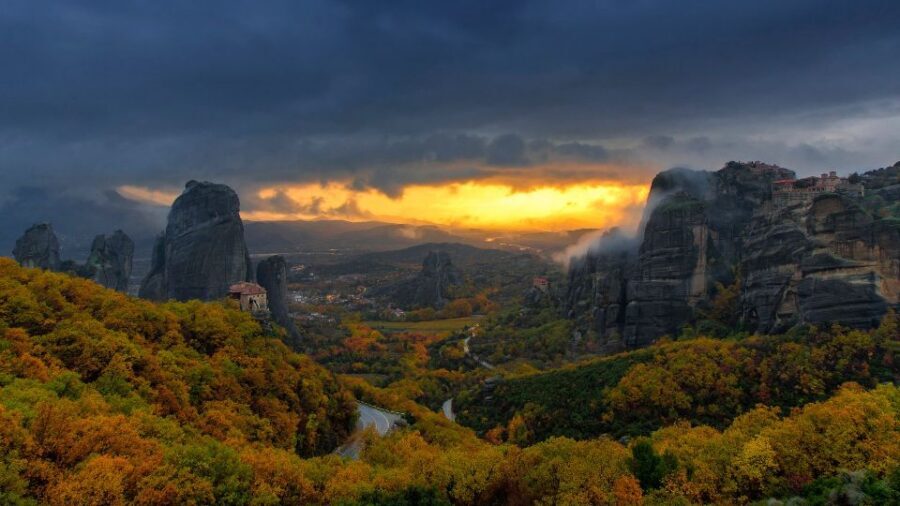
Then comes the heart of day 1: a Meteora sunset tour. You’ll be picked up from your hotel in a VIP minibus, driven up to viewpoint areas, and guided through Meteora’s key spots, including a monastery visit and the hermit caves component. Sunset timing is everything here—clouds can change it, but when the light hits the rocks, you get that “how is this real?” reaction.
For dinner, you’re on your own in Kalambaka. That’s not a flaw; it’s a chance to eat like locals do in the town below the cliffs. Just remember you’ll be doing stairs later, so don’t turn day 1 into a late-night marathon.
Day 2 in Meteora: choose bus monasteries or an easy hike
Day 2 is designed for flexibility, and I like that. You choose between two morning experiences, and both aim at the bigger Meteora story rather than just chasing one viewpoint.
Option 1: Minibus monastery highlights
If you choose the bus tour option, expect a morning focused on main Meteora attractions. It’s a good fit when you want a structured route and less hiking. You’ll still see the monasteries as working spiritual sites and architectural landmarks, not just “old buildings on cliffs.”
This option is also ideal if you want time afterward. You’re dropped back at your hotel after the morning tour, which keeps the rest of the day free.
Option 2: A guided hike with a monastery stop
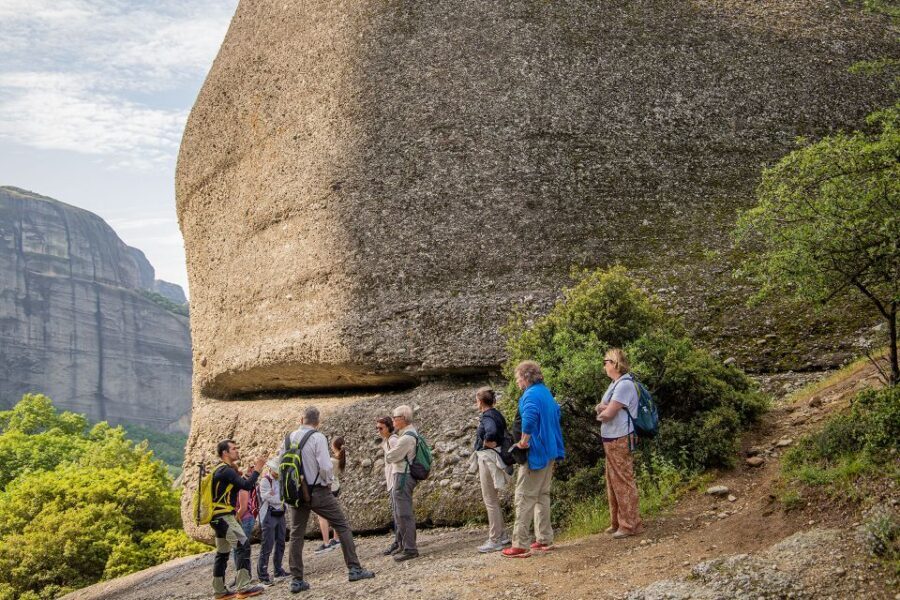
If you pick the hiking option, you get a more personal Meteora experience. The hike is described as easy, and the route goes off the beaten path, with amazing scenery and a visit to Byzantine-era monuments.
This option is the one that feels most hands-on. You’re moving through the area instead of simply viewing it from the roadside, and that changes how Meteora clicks into place for you. Also, if you enjoy photos, you’ll likely find more angles available when you’re walking to overlooks rather than waiting for a bus pull-in.
Either way, pack comfortable walking shoes. Meteora is not a “sneakers optional” place.
- All Day Cruise -3 Islands to Agistri,Moni, Aegina with lunch and drinks included
★ 5.0 · 4,958 reviews


That free afternoon in Meteora: how to use it wisely
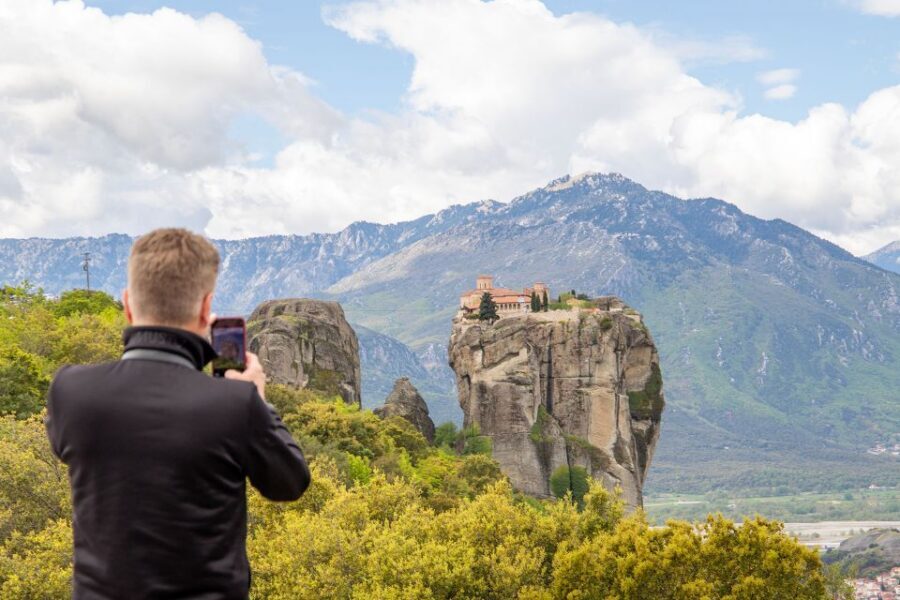
After your morning tour, you get a free afternoon in Meteora. This is the time to balance two realities: Meteora is spectacular, but you’re also dealing with heat and stairs.
Here’s how I’d use it:
- Go back to a viewpoint you loved during the morning and stay for a while.
- Keep it flexible. If you feel tired, focus on the parts of Meteora that are easiest to reach from where you’re staying.
- If you want more walking, don’t add it all at once—build in rest time.
One more practical note: monastery access requires climbing steps, with no elevators. So even if an afternoon plan sounds simple on paper, factor in how you’ll handle stairs and required modest dress.
Day 3: Meteora to Thermopylae to Delphi, without wasting hours
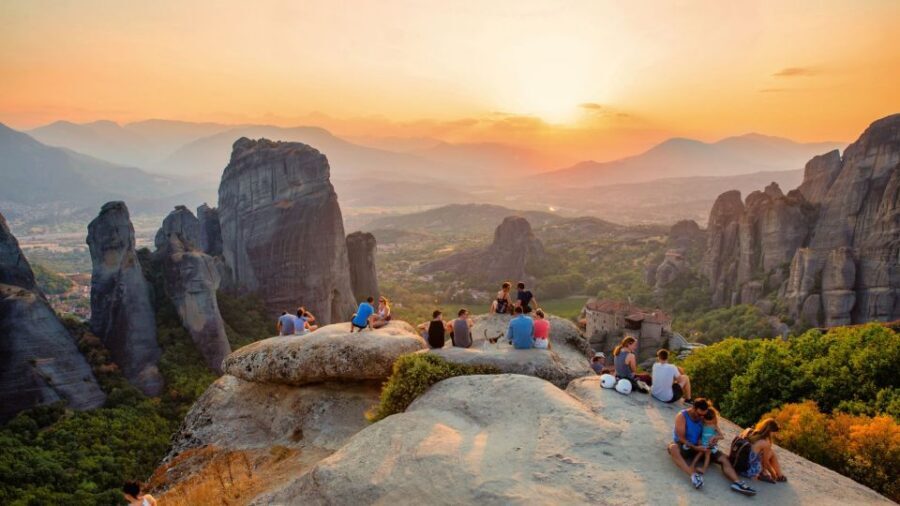
You meet an express shuttle driver at your Meteora hotel and head toward Delphi. The ride is about 3 hours, and you’ll make an important stop on the way: the Thermopylae battlefield, tied to the legend of the 300 Spartans holding back the Persian army.
That stop changes the whole emotional tone of the day. Meteora is spiritual drama on stone cliffs. Thermopylae is human drama at a historical choke point. It also sets up Delphi nicely, because Delphi is where ancient Greece turned politics, myth, and belief into public meaning.
When you arrive in Delphi, your driver shows you the bus station area where you can store luggage safely, which helps you explore without dragging bags around. It’s a small thing, but it makes your first steps in Delphi feel smoother.
Delphi: Museum first, then temples and the theater
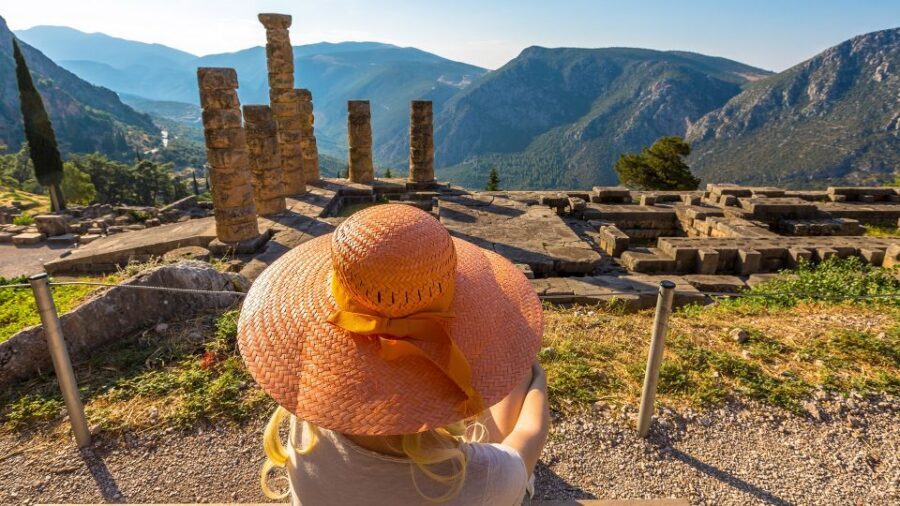
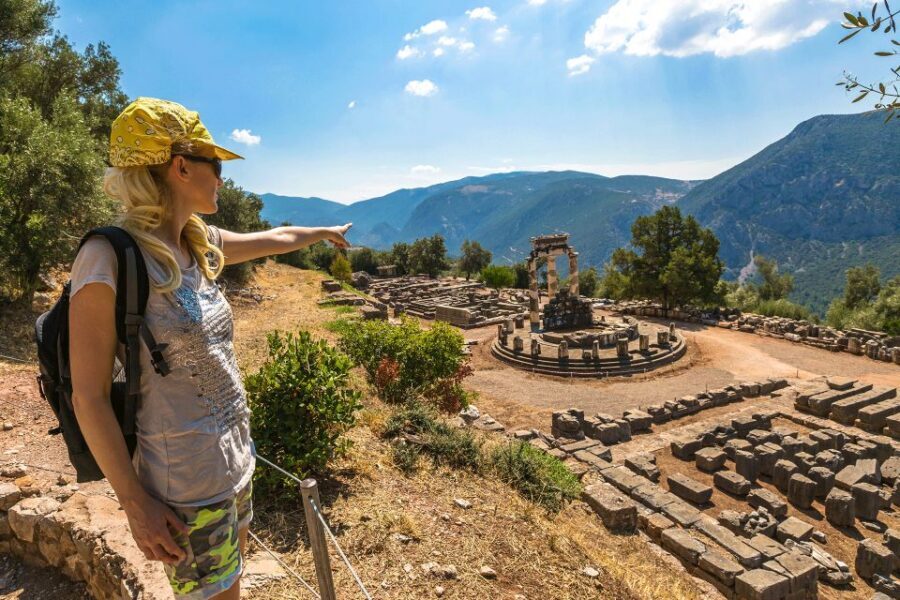
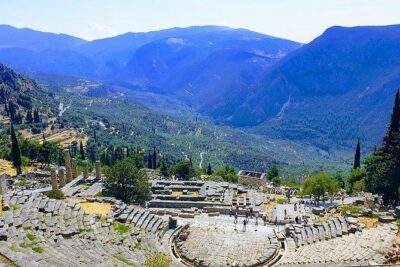
Delphi is UNESCO-listed, and you cover it in a smart order: Delphi Museum first, then the archaeological site.
The museum houses an impressive collection of ancient artifacts and sculptures, including the famous Charioteer of Delphi. Seeing that kind of material before you walk the site helps you connect what you’re seeing to the broader ancient world instead of treating the ruins like random stones.
After the museum, you walk to the archaeological area and explore key highlights such as:
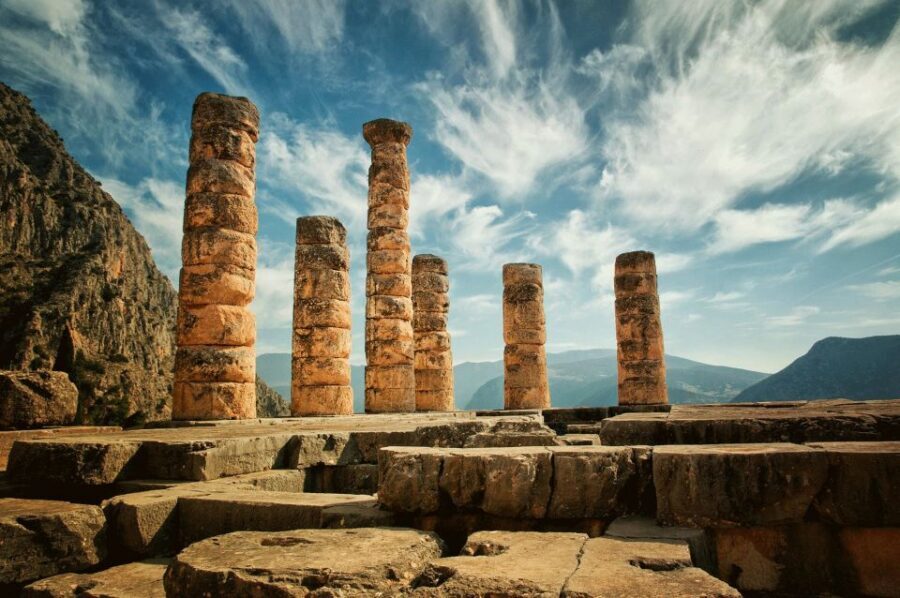
- The Temple of Apollo
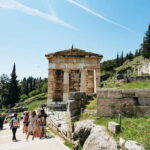
- The Athenian Treasury
- The Theater of Delphi
For this portion, it’s self-guided with an audio tour format. If you love reading every sign, you might still enjoy it, but the audio element is where the experience can swing. I’d treat your phone as “mission-critical” here—since the audio can depend on data, plan so you’re not stuck with a silent audio guide when you want it most.
Hotel reality in Kalambaka: good value, but double-check location
You get hotel accommodation for 2 nights with breakfast in the Meteora/Kalambaka area. That’s a big chunk of the trip bundled in, and it’s usually what makes the package price feel reasonable compared to piecing everything together yourself.
That said, hotel quality and location can vary. Some accommodations have been praised as cozy and stylish with strong views of the Meteora rocks, like Alsos House. Others have been criticized for being outside town or feeling more like a 3-star experience even when the hotel branding sounds fancier. There have also been complaints about noise or room condition details.
My practical advice: before you go, check the exact address and how far you are from central Kalambaka restaurants. If you’re farther out, you’ll feel it on the one night you’re on your own for dinner.
Transport comfort and the small “gotchas” to plan for
Overall, transport is a major strength of this itinerary. You’re using express transfers, with Wi‑Fi and USB chargers on the tour bus, plus water provided during the day.
But there are a few real-world issues to keep in mind:
- Road delays can happen. One departure saw a 3-hour bus ride extend to around 6 hours due to a farmers protest. If you’re the type who hates schedule drift, build in mental buffer time.
- Delphi-to-Athens can be less comfortable. The final public bus can be hot and stuffy, and at least one return leg had no air conditioning.
- Audio guide needs planning. The Delphi audio can be less useful if you don’t have reliable data.
- Vehicle cleanliness can vary. Some groups reported one specific bus being dirtier than expected.
You can’t control road protests, but you can control what you carry. Bring water snacks if you’re snacky, pack a power bank if you can, and consider a small pack of wipes for those “just in case” moments.
Price and value: what $341 buys you (and what doesn’t)
At $341 per person for 3 days, you’re paying for a bundled package that includes:
- Hotel for 2 nights with breakfast
- Guided Meteora sunset tour (monastery visit + hermit caves)
- Day 2 morning choice (small-group hiking or minibus monasteries)
- Athens to Kalambaka express transfer and Kalambaka-to-hotel pickup
- Meteora to Delphi express shuttle plus Thermopylae stop
- Delphi Museum and UNESCO archaeological site time
- Audio guidance for Meteora and self-guided audio at Delphi
- Meteora map, bottle of water, and onboard tech like Wi‑Fi/USB chargers
What’s not included is the part that can add up quickly if you forget: entry fees. Meteora monastery entrance fees are €5 per person per monastery, and cash is required. Entry fees for Delphi archaeological site are also not included.
So is it good value? For me, the answer is yes if you want to remove logistics from your brain. The cost feels more justified when you factor in that you’re paying for guides, transfers, and the time savings of being routed Athens → Meteora → Delphi in a tight loop.
If you’re the kind of traveler who loves independent planning and already knows how to get around central Greece on your own, you might be able to do it cheaper. But you’ll still pay in time and decision fatigue.
Who this tour suits best
This works well if you want:
- A guided Meteora experience with sunset timing
- A second morning that lets you choose your pace (bus vs easy hike)
- A straightforward route to Delphi with less hassle
- A museum-first approach at Delphi so the ruins make more sense
It’s less ideal if:
- You have mobility concerns. Monastery access requires climbing steps, and there are no elevators.
- You depend heavily on offline audio experiences at sites. Delphi is audio-based, so connectivity can matter.
- You expect everything to run like a metronome. Road disruptions can change timing.
Also, pets aren’t allowed.
Should you book this Meteora and Delphi package?
I’d book it if you want a high-impact route with two days in Meteora and a clean, guided path into Delphi and Thermopylae. The sunset tour plus the day 2 choice is the backbone of the value, and the transportation setup keeps the trip moving without lots of planning.
I’d also choose it with your expectations set correctly: monastery stairs are non-negotiable, Delphi is mainly self-guided audio, and the final bus ride can be uncomfortable in heat. If that all sounds manageable, this is a solid way to see Central Greece’s big names in just three days.
One more reason to feel comfortable booking: you can reserve now and pay later, and cancellation is offered up to 24 hours in advance for a full refund.
FAQ
How long is this Meteora and Delphi trip?
It’s a 3-day tour covering travel from Athens to the Meteora area, time for Meteora activities across two days, and then transfer to Delphi with a stop at Thermopylae, before returning to Athens.
What hotel stay is included?
The tour includes hotel accommodation in the Meteora area for 2 nights, including breakfast.
What choices are available for Meteora on day 2?
On the morning of day 2, you can choose between a morning bus tour of Meteora monasteries or an easy hiking tour with a monastery visit.
What does the Meteora sunset tour include?
The sunset tour includes a monastery visit and Hermit caves as part of the late-afternoon Meteora experience. You’ll be picked up from your hotel in a VIP minibus.
Are entry fees included for Meteora and Delphi?
Entry fees are not included. Meteora monastery entrance fees are €5.00 per person per monastery, paid in cash. Entry fees for the Delphi archaeological site are also not included.
How do you travel from Meteora to Delphi, and what stop is included?
You transfer from Meteora to Thermopylae by express shuttle, which takes about 3 hours, and you stop at the Thermopylae battlefield on the way to Delphi.
Is Delphi guided, or is it self-guided?
Delphi is handled with self-guided audio. The tour includes a visit to the Delphi Museum and then the Delphi archaeological site with an audio tour.
What languages are available for the guides and audio tours?
The live guide is English. Audio guidance is available in English, Spanish, French, German, Italian, Portuguese, Polish, Chinese, Korean, Japanese, and Russian.
What rules affect what I should wear and whether I can participate?
You’ll need to dress for places of worship and selected museums: no shorts or sleeveless tops, and knees and shoulders must be covered for both men and women. Monastery access involves climbing steps with no elevators, and the tour is not suitable for people with mobility impairments.
More 3-Day Experiences in Athens

More Tours in Athens


More Tour Reviews in Athens
- All Day Cruise -3 Islands to Agistri,Moni, Aegina with lunch and drinks included
★ 5.0 · 4,958 reviews