REVIEW · ATHENS
Premium Greek Honey Tasting with Yogurt & More
Book on GetYourGuide →Operated by CRU BEE-HAVING Wine & Olive OIl Tastings · Bookable on GetYourGuide
Sweet, smart, and way more educational than it sounds.
In Central Greece, this 40-minute premium Greek honey tasting turns a snack into a mini food lesson, from where honey comes from to how it behaves in real pairings. I love two things most: the honey masterclass focus (not just tasting, but learning what changes the flavor), and the way you get to build combinations like yogurt, cheese, and dried fruits with your own favorite. If you want something more interesting than the usual museum stop, this is a fast detour that still feels authentic.
The main catch is simple: it’s built for adults and teens with attention to detail. At $23 per person for a short session, you’ll get more value if you actually enjoy tasting closely and asking questions—rather than treating it like a quick sugar hit.
In This Review
- Key points
- Greek Honey Masterclass: What You’re Really Doing in 40 Minutes
- The Honey Flight: Six Samples, Four Flavours, and How to Taste Like a Pro
- Pairing Honey With Yogurt, Cheese, and Dried Fruits (Plus the Serving Ideas You’ll Use)
- Ancient Wine Tasting: How Sweet Meets Grape
- Why Greek Honey Gets So Much Attention: Antiquity to Antibacterial Science
- Price and Value: Is $23 for Honey and Wine a Good Deal?
- Who Should Book This Honey Tasting (and Who Might Skip It)
- Should You Book This Premium Greek Honey Tasting?
- FAQ
- How long is the honey tasting experience?
- How many honeys do I taste?
- Is yogurt included in the tasting?
- Are cheese and dried fruits part of the experience?
- Is ancient wine tasting included?
- What language is the instructor?
- Is there an age limit?
- Can I cancel or reschedule if my plans change?
Key points
- Six honeys, multiple styles: you’ll sample honey from different regions and approaches.
- Four flavours highlighted: the tasting portion zeroes in on distinct honey types so you can compare clearly.
- Pairings you can copy later: yogurt, cheese, dried fruits, and more serving ideas help you take it home.
- Ancient wine tasting included: you’ll add a drink element to the honey story.
- Anton Lianoudakis brings it to life: the instructor’s passion and explanations stand out in the reviews.
Greek Honey Masterclass: What You’re Really Doing in 40 Minutes
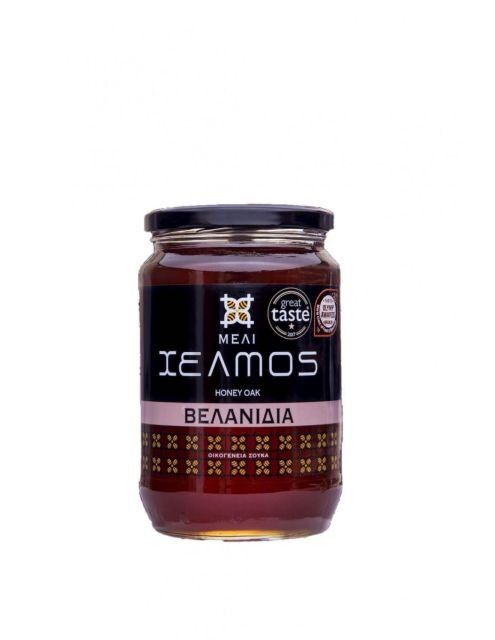
This is one of those activities that sounds small until you realize what it’s trying to teach. The structure is quick—about 40 minutes—but the experience is built like a guided tasting with a purpose: you taste, you compare, and you learn how to “read” honey by smell, texture, and finish.
What makes it feel worthwhile is the combination of premium honey tasting with a real instructional angle. You’re not just offered tiny spoonfuls. You’re guided through how Greek honey differs by region and style, and how those differences matter once honey meets food.
You also get a couple bonuses that make it more than a one-note event. The ancient wine tasting adds a context layer—sweetness isn’t the only star. And the pairing portion turns honey into something you can use back in your apartment or at breakfast.
If you’re the type who likes to know what you’re eating, you’ll come away with practical serving ideas instead of vague impressions.
You can also read our reviews of more food & drink experiences in Athens


The Honey Flight: Six Samples, Four Flavours, and How to Taste Like a Pro
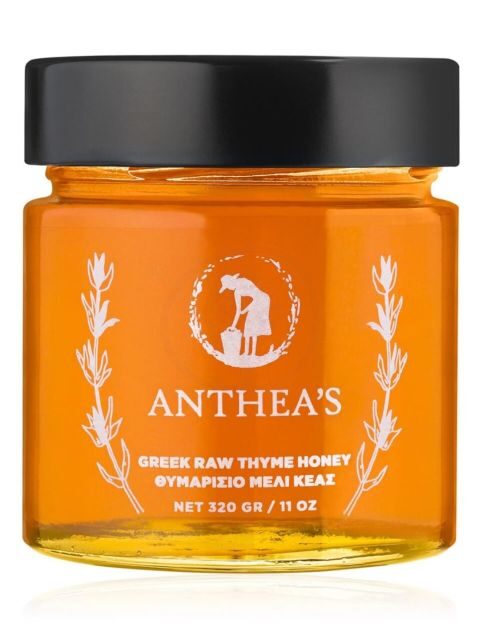
You’ll sample six honeys from different regions and styles, but the tasting experience spotlights four Greek honey flavours so you can compare apples-to-apples. That matters. Honey is tricky: it can seem similar until you pay attention to the details.
Here’s what I’d focus on during your tasting. First, smell each sample before you taste. Some honeys read as floral right away. Others show darker notes after the first sip. Second, pay attention to how the honey finishes—does it stay mild and rounded, or does it leave a sharper, herbal note behind?
The masterclass style also helps you avoid a common mistake: thinking all honey tastes like the same honey. Different processing and sourcing can shift everything from sweetness level to the “feel” in your mouth. You’ll also get ideas on which honey tends to work better with which foods, which is the real skill here.
The instructor is English-speaking, and you can ask questions. One review specifically calls out how the host explained honey handling and how honey pairs with ingredients in detail. That Q-and-A time is where the experience turns from snack to knowledge.
Pairing Honey With Yogurt, Cheese, and Dried Fruits (Plus the Serving Ideas You’ll Use)
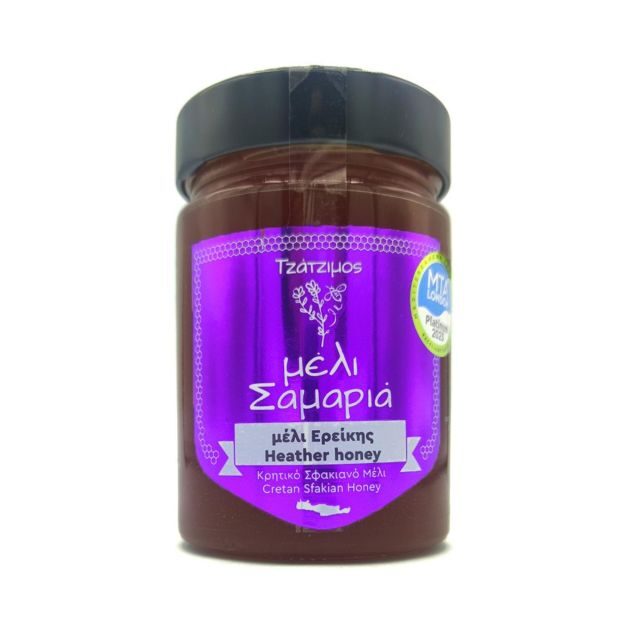
This is where the experience gets fun. After the tasting portion, you combine your chosen honey with food—yogurt, cheese, dried fruits, and more. The idea is simple: honey doesn’t just taste good. It changes the character of whatever you pair it with.
Yogurt brings tang. Cheese brings fat and salt. Dried fruits bring concentrated sweetness and chew. Honey sits at the center and either smooths edges or sharpens contrast. That’s why the pairing matters. You’re learning which honey types behave well with the kinds of ingredients you can actually find easily in Greece.
I also like that you’re encouraged to build combinations with your favorite honey. That gives you a personal baseline. Instead of learning five theories you can’t remember, you’re going home with one or two pairings you already know you like.
Practical takeaway: when you’re back in your rental, recreate the logic. If your honey tasted floral and light, try it on something tangy and creamy. If it tasted darker or more herbal, pair it with salty cheese or fruit that has deeper flavors. The point isn’t to copy exactly. It’s to understand why the pairing works.
Ancient Wine Tasting: How Sweet Meets Grape
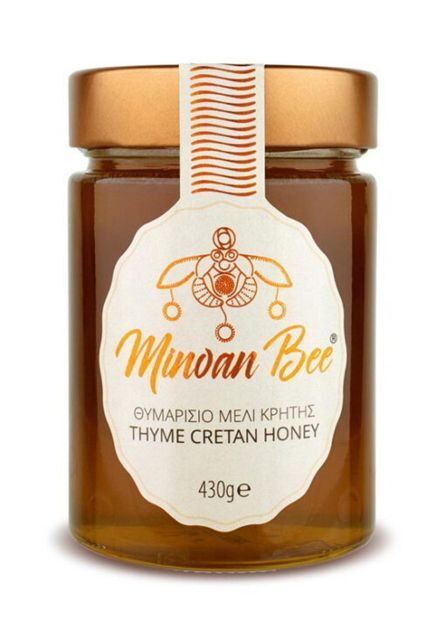
The ancient wine tasting is a short part of the program, but it changes the whole mood. Honey tasting can make you feel like sweetness is the only story. Adding wine gives you a second framework: how honey-like notes interact with acidity, tannins, and aroma.
Even if the pour is small, it helps you think beyond spoonfuls. You start noticing how sweetness doesn’t always dominate; sometimes it rounds out sharp edges in a drink. Other times, it highlights a contrast between herbal honey notes and wine aromas.
This is also a smart way to connect honey to Greek food culture in a broader sense. Honey has long been part of the Mediterranean kitchen, not just the dessert shelf. Romans even praised Greek honey and used it for medicinal purposes, particularly for wound treatment in military settings—one of the “why” points woven into the experience.
For you, the value is clear: you’ll learn not only what honey tastes like, but how it fits into a meal rhythm.
Why Greek Honey Gets So Much Attention: Antiquity to Antibacterial Science
Greek honey has always had a reputation, and this experience doesn’t pretend it’s all marketing fluff. You’ll hear how Greece has produced notable honey since antiquity, and how the Romans treated it like something close to a serious natural remedy—right down to military wound care.
Then the discussion shifts to modern findings. The info shared in the session points to recent scientific studies suggesting that premium herbal honey from Greek islands can have antibacterial and anti-inflammatory properties. It’s also compared in those studies to the well-known Manuka honey from New Zealand, sometimes with equal or even stronger results depending on the context.
Whether you’re a science-minded eater or not, that framing makes the tasting feel meaningful. You’re not just sampling flavor. You’re sampling a product whose origin and plant sources affect its profile.
One practical angle: if you come across local honey later in Greece, you’ll be better able to ask the right questions about what it tastes like and what might explain those differences.
- All Day Cruise -3 Islands to Agistri,Moni, Aegina with lunch and drinks included
★ 5.0 · 4,958 reviews





Price and Value: Is $23 for Honey and Wine a Good Deal?
At $23 per person for about 40 minutes, this is priced like an experience, not a casual snack stand. The value depends on how you like to travel.
If you enjoy food classes, short tastings, and learning from a host, the price starts to make sense fast. You’re getting:
- six honey samples across regions and styles
- tasting guidance that helps you notice differences
- pairing samples like yogurt and dried fruits, plus cheese pairings
- an ancient wine tasting component
- an English instructor and Q-and-A time
In other words, it’s not just “try honey.” It’s structured sampling with serving ideas. A short session also keeps it low-stress. You can fit it into a travel day without losing half the day to something slow.
Also, there’s a built-in safety net: you can cancel up to 24 hours in advance for a full refund, and you can reserve now and pay later. That’s helpful if your schedule in Greece is flexible.
My advice: if you’re the type to remember flavors and turn them into habits, this offers more return than many longer, pricier activities.
Who Should Book This Honey Tasting (and Who Might Skip It)
This works best for adults and older kids who like food details. It’s not suitable for children under 7, and there’s an upper age limit listed at over 95 years.
You’ll also enjoy it more if you:
- want an English honey masterclass style experience
- like guided tasting and asking questions
- enjoy Greek flavors beyond the standard olive-and-souvlaki routine
- want pairing ideas you can repeat later
If you’re only in Greece for a single day and you hate spending time in structured tastings, you might find it less rewarding. But if you like to learn something specific and take home a couple serving tricks, it’s a great fit.
One more plus: reviews mention that you can buy products on-site afterward. So if something really clicks, you can bring a taste of the session home.
Should You Book This Premium Greek Honey Tasting?
Yes, if your idea of a good time is tasting with purpose. This is short, focused, and packed with samples: six honeys, pairing with yogurt, cheese, dried fruits, plus an ancient wine tasting. And the standout theme from the experience is the host’s delivery—Anton Lianoudakis specifically comes up as passionate and engaging, with clear explanations of flavor nuances and pairing logic.
Skip it if you want something purely scenic or hands-off. You’ll get the most from this if you’re willing to pay attention and enjoy learning through your senses.
If you’re staying in or near Central Greece and you want one distinctive food experience that feels both Greek and practical, I’d book it.
FAQ
How long is the honey tasting experience?
It lasts about 40 minutes.
How many honeys do I taste?
You get samples of six honeys from different regions and styles, with the tasting focusing on four Greek honey flavours.
Is yogurt included in the tasting?
Yes. You receive samples of yogurt.
Are cheese and dried fruits part of the experience?
The experience includes ideas to combine your honey with cheese and dried fruits, along with other pairing options.
Is ancient wine tasting included?
Yes. Ancient wine tasting is listed as one of the highlights.
What language is the instructor?
The instructor speaks English.
Is there an age limit?
Yes. It’s not suitable for children under 7 and it’s also listed as not suitable for people over 95.
Can I cancel or reschedule if my plans change?
You have free cancellation up to 24 hours in advance for a full refund, and you can reserve now and pay later.



More Food & Drink Experiences in Athens



More Tour Reviews in Athens
- All Day Cruise -3 Islands to Agistri,Moni, Aegina with lunch and drinks included
★ 5.0 · 4,958 reviews