REVIEW · ATHENS
Private Biblical Apostle Paul steps in Ancient Corinth.
Book on Viator →Operated by Visit Greece with a private tour · Bookable on Viator
Paul’s footsteps feel real here.
This private day ties together the places behind early Christianity, from Ancient Corinth to the port of Kenchreai and up to Acrocorinth’s fortress rock. I love how the story stays grounded in physical locations, not just dates on a page.
Two things I especially like: you get a private car with A/C, WiFi, water, and toilet access, so the day doesn’t turn into a logistics headache. And if Ilias is your guide, you’ll get clear, friendly context and enough time at each stop to actually look, not just pose and move on. The main drawback is practical: ticket fees aren’t included, so budget for the paid Ancient Corinth admission.
In This Review
- Key highlights you’ll remember
- Faith and ruins at the right pace: what this day is really like
- Leaving Athens in comfort: pickup, A/C, and small perks that matter
- Ancient Corinth: Paul’s Bema, the Roman Agora, and what archaeology has added
- Extra stop energy: the Paul-linked church moment
- Kenchreai port: the eastern gateway tied to early baptisms
- Acrocorinth: fortress rock, defense history, and quick viewpoint payoff
- Corinth Canal: a short engineering hit with big-scale sea geography
- Price and value: why $417.57 per group can make sense
- Who should book this private Apostle Paul route
- Should you book this Ancient Corinth and Paul private tour?
- FAQ
- What sites are included in this tour?
- How long is the tour?
- Is pickup from Athens included?
- Is the tour private?
- Are tickets included in the price?
- What’s included with the tour?
- What kind of ticket do I get?
- Can I cancel for a full refund?
Key highlights you’ll remember
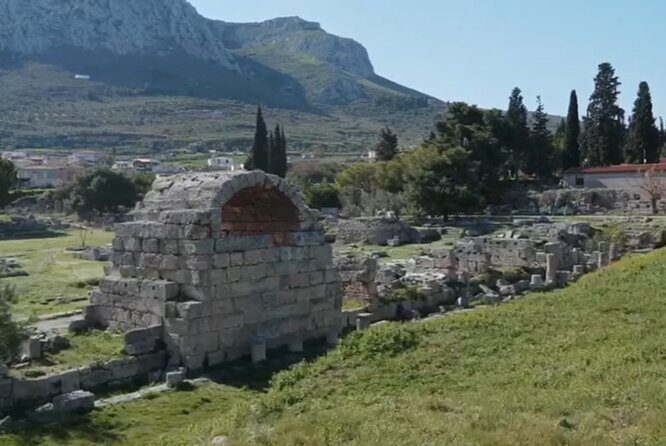
- Ancient Corinth ruins with Paul’s setting: you’ll spend real time among the Bema area and major Corinth landmarks
- Kenchreai port stop: a fast look at the eastern harbor tied to early baptisms
- Acrocorinth fortress views: free time up at the commanding “upper” citadel rock
- Corinth Canal as a quick tech stop: Ionian Sea to Aegean Sea, plus a few key facts to impress your group
- A guide who paces well: when Ilias is driving, the emphasis is on understanding and not rushing
Faith and ruins at the right pace: what this day is really like
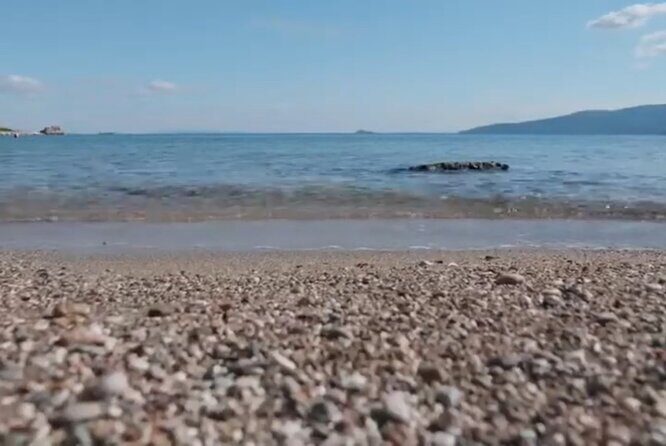
This is the kind of tour that works whether you’re coming for faith, history, or both. You start in the Athens area, then trade traffic and city noise for a focused route through ancient Corinth’s key spiritual geography.
The time split is smart. You get about three hours at Ancient Corinth, which is where the big “Paul story” sites cluster. Then you move through the other anchors—Kenchreai, Acrocorinth, and the Corinth Canal—without letting the day drag. It’s not a slow wander all day. It’s a structured route that still leaves room to look around.
And because it’s private (up to four people), you’re not stuck playing follow-the-leader. You can ask questions, pause for photos, and pace yourself at the spots that matter most to you.
You can also read our reviews of more private tours in Athens

Leaving Athens in comfort: pickup, A/C, and small perks that matter
The best part of starting with private transport is simple: you don’t spend your energy figuring out how to get to the next site. You’re picked up (pickup is offered), then driven in an air-conditioned vehicle with WiFi onboard, plus water and toilet access during the day.
That matters more than you might think. Corinth and the surrounding areas are outdoors, and the day is long enough that comfort becomes part of the experience. If you’re traveling with someone who doesn’t want long waits or crowded shuttles, the private format is a big win.
You also get a mobile ticket, which helps keep the “paperwork moments” to a minimum when you’re on the move.
Ancient Corinth: Paul’s Bema, the Roman Agora, and what archaeology has added
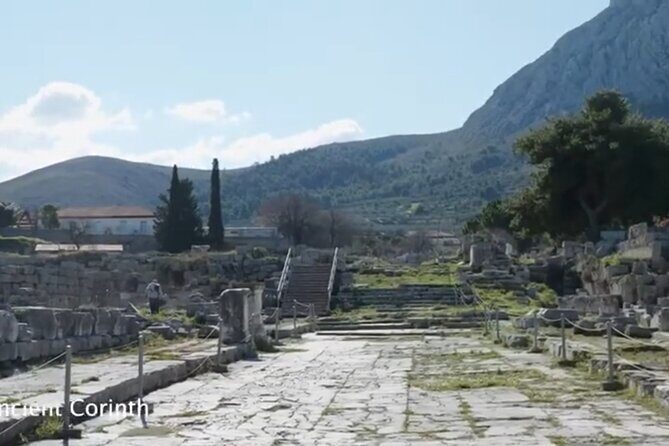
Ancient Corinth is where the day earns its name. The ruins here connect ancient Greek city life to the early Christian community Paul helped shape. You’re not just looking at stones—you’re standing in a place where Paul’s preaching and his letters to the Corinthians later became foundational for Christian teaching.
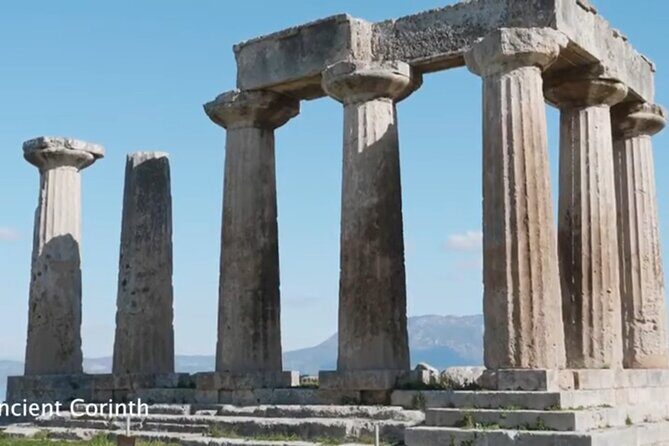
Plan on about three hours at Ancient Corinth (Archaia Korinthos). Admission ticket fees are not included for this stop, so set aside budget for the entry cost. In return, you get time to see the major landmarks tied to Paul’s era, including the Bema, the platform associated with Paul’s defense of his faith before Roman officials.
A few things I love about approaching Corinth this way:
- You get to pair a spiritual storyline with physical anchors: the Bema area, major civic spaces, and the broader setting of the city.
- You’re in the right “layered” zone—Greek, Roman, and early Christian threads overlap here in a way you can actually feel while walking.
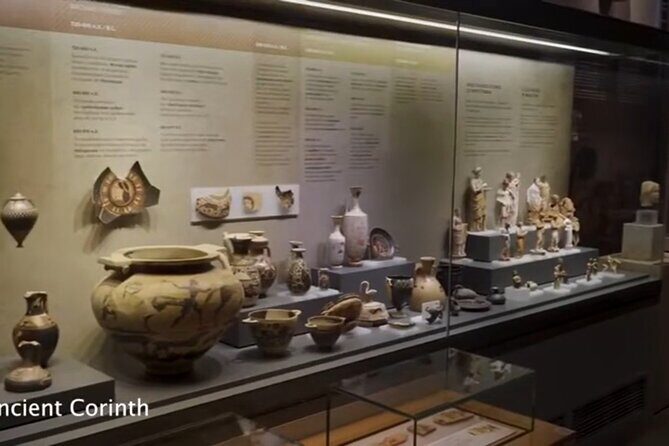
You’ll also have a chance to see Corinth’s other key highlights, such as the Temple of Apollo and the Roman Agora, plus the Archaeological Museum if time and your guide’s pacing line up well. The museum is useful because it helps you interpret what you’re seeing outside instead of treating the ruins like an open-air mystery.
One more detail that makes this visit feel less like “standard sightseeing”: excavations here have been ongoing for a long time. Systematic work by the American School of Classical Studies at Athens began in 1896, and more recent finds by the Greek Ministry of Culture have revealed additional aspects of Corinth’s past. When you’re standing among the ruins, it’s nice to know the ground is still “speaking.”
Extra stop energy: the Paul-linked church moment
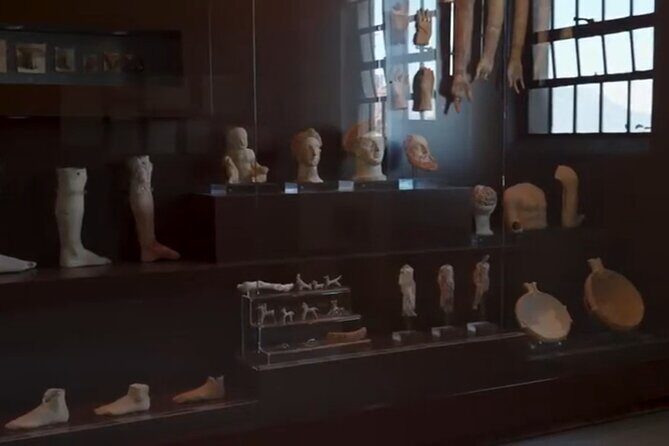
On this route, you may also have time to see the Apostle Paul’s Church (depending on the day and how your guide schedules the Ancient Corinth portion). If that stop is included for you, it adds an everyday-feeling spiritual layer—less museum distance, more living connection.
If you care about that blend of ancient ruins and present-day faith, keep your camera ready and don’t mentally file this as only archaeology. The point is the connection between place and belief.
Kenchreai port: the eastern gateway tied to early baptisms
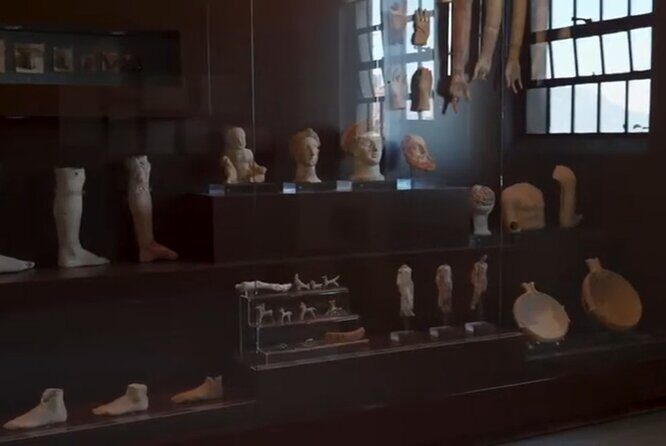
Next you head to the Ancient Port of Kenchreai, with a quick 30-minute stop. Kenchreai is tied to the early Christian story because it’s associated with where Paul baptized the first Christians.
What I like about this short stop is that it gives you context for how people moved in Paul’s time. Kenchreai served trade routes via the Saronic Gulf, while the other Corinth port, Lechaion, served routes toward the west. Kenchreai’s position on the eastern side of the Isthmus put it at a crossroads for ships arriving from the east and land traffic north and south between central Greece and the Peloponnese.
So even though you’re only there briefly, the port stop helps you picture the real-world networking behind early Christianity—people arriving, leaving, and sharing ideas along travel routes.
Good news for your budget: entry is listed as free for this stop.
- All Day Cruise -3 Islands to Agistri,Moni, Aegina with lunch and drinks included
★ 5.0 · 4,958 reviews



Acrocorinth: fortress rock, defense history, and quick viewpoint payoff
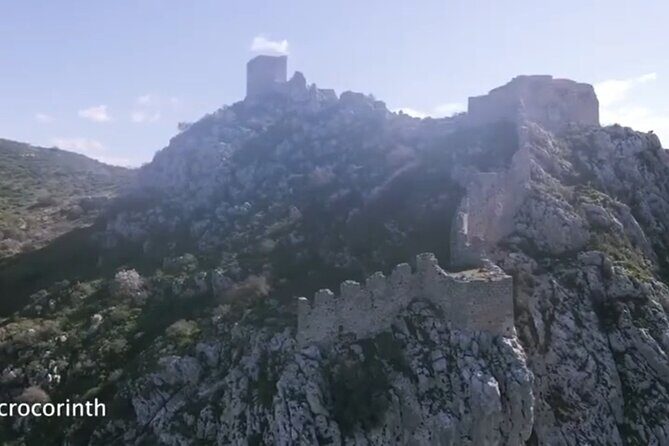
Acrocorinth is the dramatic payoff stop. It’s a monolithic rock overlooking ancient Corinth—basically the city’s upper citadel—and it commands the Isthmus of Corinth.
You’ll get about 30 minutes here, and it’s free. If you’re the type who likes a viewpoint, this is the one. The key historical angle is how Acrocorinth’s fortress functioned as a last line of defense. Because it controlled key access by land into the Peloponnese, it was repeatedly used when trouble approached.
In practical terms, Acrocorinth is a good “reset.” You’ve been thinking about Paul, civic life, and ports; now you’re looking at the geography that made the whole region strategic. It’s easier to connect the dots when the terrain is visible.
Tip for your comfort: wear shoes that work well on uneven outdoor ground, since you’ll be moving around a viewpoint area.
Corinth Canal: a short engineering hit with big-scale sea geography
The last major stop is the Corinth Canal, and it’s more interesting than it looks on a map. You’ll spend about one hour here, and entry is free.
The canal connects the Ionian Sea with the Aegean Sea by cutting through the narrow Isthmus of Corinth. It was created starting around 700 BC and is an artificial canal at sea level, without locks. It’s about 6.4 km long and around 24.6 meters wide at sea level, which is part of why it isn’t useful for many modern ships.
Tour-wise, it works because it’s quick to understand and easy to see. You also get a nice moment of contrast: after ancient ruins and fortress history, here’s human engineering shaping sea connections in a very visible way.
Price and value: why $417.57 per group can make sense
The price is $417.57 per group (up to 4) for a tour that runs about 6 hours. That’s not “cheap,” but it’s also not built like a rip-off tourist trap.
Here’s the practical value math:
- If you fill the group with four people, it’s roughly $105 per person.
- If you travel as two, it’s closer to $209 per person.
So the value really depends on whether you can share. The private car, A/C, WiFi, and guide time are what you’re paying for. With that structure, you’re buying time and stress reduction more than you’re buying “free stuff.”
One more cost note: ticket fees are not included. Stop pricing on this route is mixed—Ancient Corinth’s admission is not included, while the other stops are listed as free. Still, budget for the paid admission when you’re planning your total trip spend.
Who should book this private Apostle Paul route
This is a strong fit if:
- You want a private day with your own pace and fewer crowd headaches
- You’re a Christian, a Paul admirer, or just curious about how early Christianity spread through real places
- You like history that connects faith texts to geography
- You prefer a balanced route with enough time at the main site (about three hours) plus shorter context stops
It’s also a good choice if you’re traveling in a small group and want value, because splitting the private transport cost can bring the per-person price down fast.
Should you book this Ancient Corinth and Paul private tour?
I’d book it if you’re after a focused, place-based approach to Paul’s story with the comfort of private transport. The biggest strengths are the time at Ancient Corinth and the way the day ties together Bema-linked context, Kenchreai’s port significance, Acrocorinth’s commanding views, and the Corinth Canal’s sea-to-sea geography.
Skip it—or at least think twice—if you want a long, museum-heavy day and plan to spend hours inside exhibits. This route is built for highlights across multiple sites, not an all-day museum marathon.
If you do book, wear comfy shoes, plan for the Ancient Corinth ticket cost, and don’t be shy about asking questions. With the right guide and pacing, this kind of route turns ruins into a story you can actually follow.
FAQ
What sites are included in this tour?
You’ll visit Ancient Corinth (Archaia Korinthos), the Ancient Port of Kenchreai, Acrocorinth, and the Corinth Canal.
How long is the tour?
The duration is about 6 hours.
Is pickup from Athens included?
Pickup is offered.
Is the tour private?
Yes. It’s private, and only your group participates.
Are tickets included in the price?
Ticket fees are not included. Admission is listed as not included for Ancient Corinth, while the other listed stops are free.
What’s included with the tour?
Included items are private transportation, an air-conditioned vehicle, WiFi on board, water, and a toilet.
What kind of ticket do I get?
You receive a mobile ticket.
Can I cancel for a full refund?
Yes. You can cancel up to 24 hours in advance for a full refund. If you cancel less than 24 hours before the start time, there’s no refund.

More Private Tours in Athens


More Tour Reviews in Athens
- All Day Cruise -3 Islands to Agistri,Moni, Aegina with lunch and drinks included
★ 5.0 · 4,958 reviews