REVIEW · ATHENS
Private Biblical Tour of Ancient Corinth & Isthmus Canal
Book on GetYourGuide →Operated by Ancient Greece Tours and Transfers · Bookable on GetYourGuide
If you like your Bible stories with real geography, this day fits the bill. You’ll go from the Corinth Canal to the high fortress of Acrocorinth, and you’ll see key places tied to Apostle Paul like the Bema and the Agora—without feeling herded along.
Two things I especially like are the mix of big-picture landmarks and specific Paul connections, and the fact that it’s a private setup with an English-speaking driver who can explain what you’re looking at as you go. One possible drawback: entrance tickets for the archaeological site and museum aren’t included, so you’ll need to budget about 15€ per person for those.
In This Review
- One day that really strings the clues together
- What you’ll cover (and why it matters)
- Key highlights worth planning around
- Corinth and the Isthmus: why this route feels different
- The Corinth Canal: modern engineering you can actually watch
- Diolkos: the ancient “road” that moved ships
- Acrocorinth: the 1886-foot citadel that dominates everything
- Ancient Corinth: Bema, Agora, and the sites tied to Paul
- Archaeological Museum: seeing artifacts that match what you just walked
- Lunch with Temple of Apollo views (or sea air near the baths)
- Kechries port: Paul’s departure and the travel rhythm of 53 AD
- Private touring: comfort, pace, and what’s actually included
- Who this tour suits best
- Should you book this Biblical Corinth and Isthmus Canal tour?
One day that really strings the clues together
This is a practical way to do Corinth from Athens: you’re picked up, driven in comfort, shown the route, and given time to actually walk and look. I also like that you can add a licensed on-site guide for the archaeological areas if you want even more detail while you’re standing in front of the artifacts.
What you’ll cover (and why it matters)
You’re looking at the modern engineering story of the Isthmus Canal, then stepping back into the ancient logistics of the Diolkos (the paved limestone road used to move boats). After that, Acrocorinth’s dramatic views put you in the right mindset for why Corinth mattered—then ancient Corinth’s major sites bring Paul’s movements into focus.
You can also read our reviews of more private tours in Athens

Key highlights worth planning around
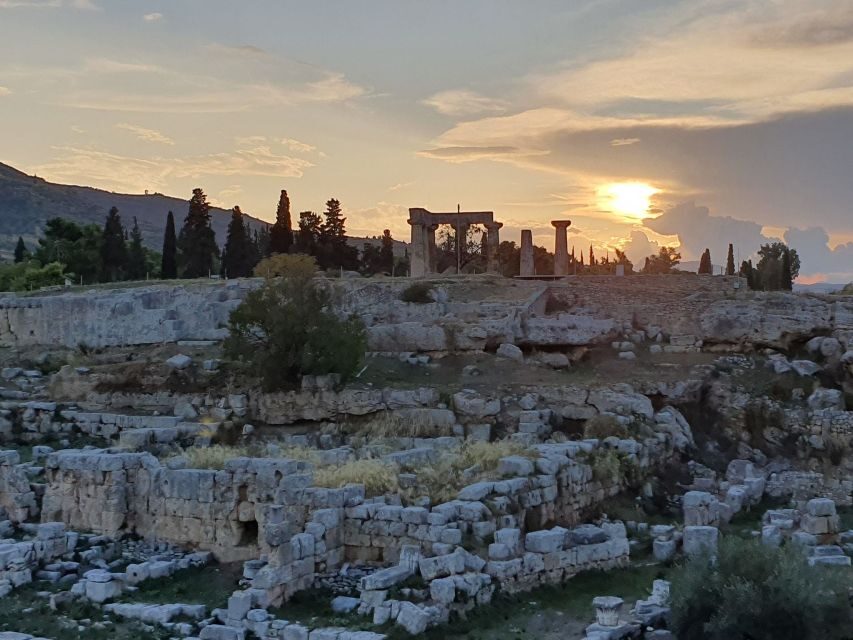
- Corinth Canal views: See boats navigate the waterway that links the Corinthian and Saronic Gulfs.
- Diolkos (ancient boat-lift road): Walk away knowing how ancient ship hauling worked in practice.
- Acrocorinth citadel: A massive rock fortress 1886 ft above sea level, with 4.9 miles of walls, a keep, and three gates.
- Paul’s touchpoints at ancient Corinth: The Bema, the Agora, and more key places tied to his visits.
- Museum + site time: You’ll have a real block of time to connect artifacts to what you see outside.
- Kechries port: A last chapter that follows Paul’s departure from Corinth in 53 AD, with the Aquila and Priscila connection.
Corinth and the Isthmus: why this route feels different
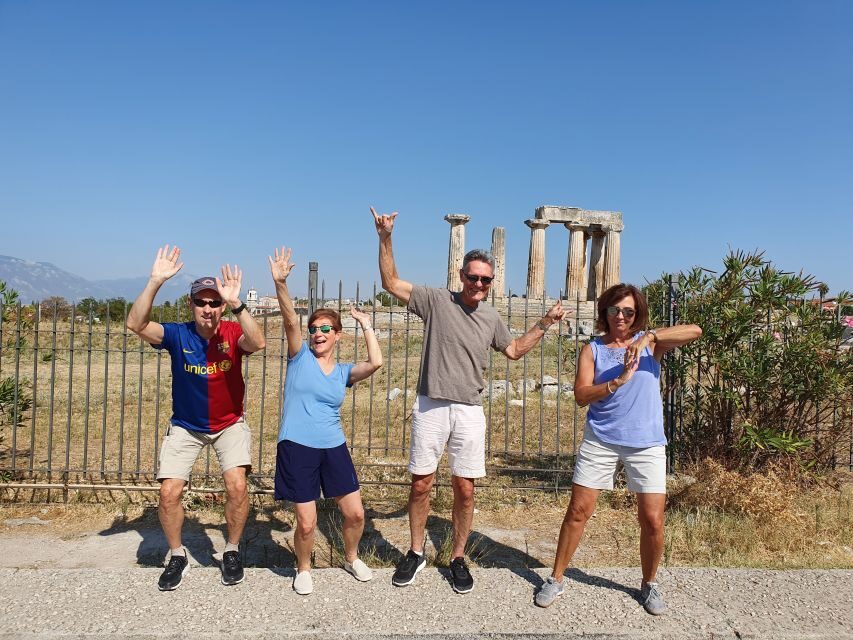
Corinth has a talent for confusing first-timers because the modern city and the ancient city sit close together but feel totally different. What makes this tour work is the pacing: you start with the modern canal and the ancient “how ships moved” story, then you climb into the fortress that controlled movement and defense.
That contrast—modern waterway engineering, then ancient hauling and harbor life—helps you understand why Corinth was important to empires, merchants, and early Christian travel routes. And you don’t just read about Paul. You see a chain of places that explain how a person could move from teaching and dispute in Corinth to leaving by sea.
The Corinth Canal: modern engineering you can actually watch
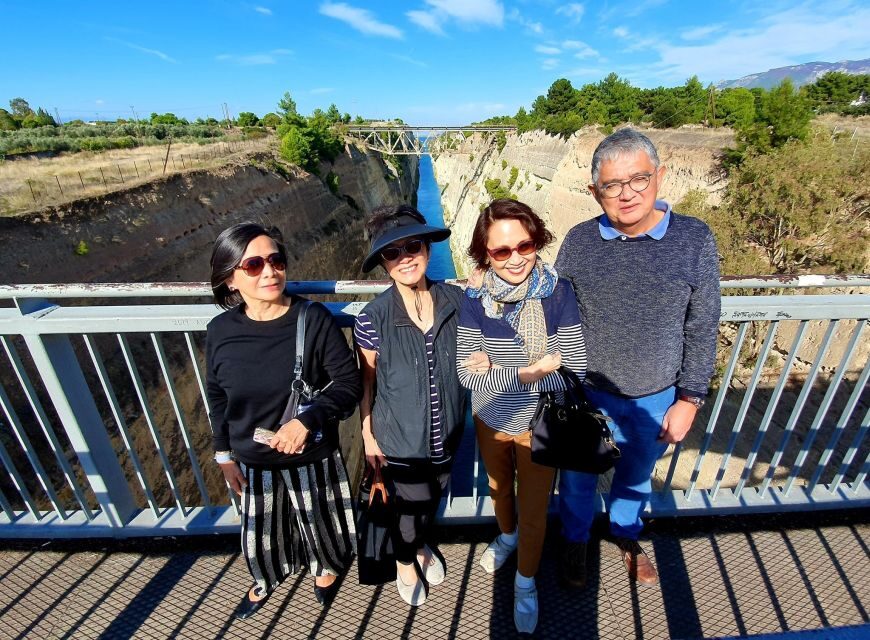
Your day starts with a ride out of Athens and a stop at the Corinth Canal. Even if you’ve seen canals in other countries, this one has a special feel because it connects two gulfs—practically, it’s a shortcut created to save time and distance for shipping.
You’ll have about 50 minutes here, which is enough to slow down, look across the water, and watch the canal in action. This is the kind of stop that makes the rest of the day click: you can start thinking like a traveler or merchant, not just like a tourist.
What to watch for: If boats are passing while you’re there, take the moment. It’s one of those experiences that feels small when you’re planning, then suddenly becomes the visual anchor for everything else you’ll learn about movement and trade.
Diolkos: the ancient “road” that moved ships
Next comes the Diolkos, an ancient paved limestone road built for hauling boats across the isthmus. The day doesn’t let this stay abstract. You learn how vessels were moved using boat trailers and human and animal labor—slaves and oxen are part of the picture—so you can imagine the whole operation step by step.
It’s also a great setup for understanding why Corinth mattered. The Diolkos wasn’t just a local project. Corinth controlled a web of Greek colonies—over 270—and that scale helps explain why there was intense interest in keeping traffic moving.
Practical note: Because this is a walking-and-looking stop, bring comfortable shoes. The tour is designed for real time on foot, not museum-style standing still.
- All Day Cruise -3 Islands to Agistri,Moni, Aegina with lunch and drinks included
★ 5.0 · 4,958 reviews



Acrocorinth: the 1886-foot citadel that dominates everything
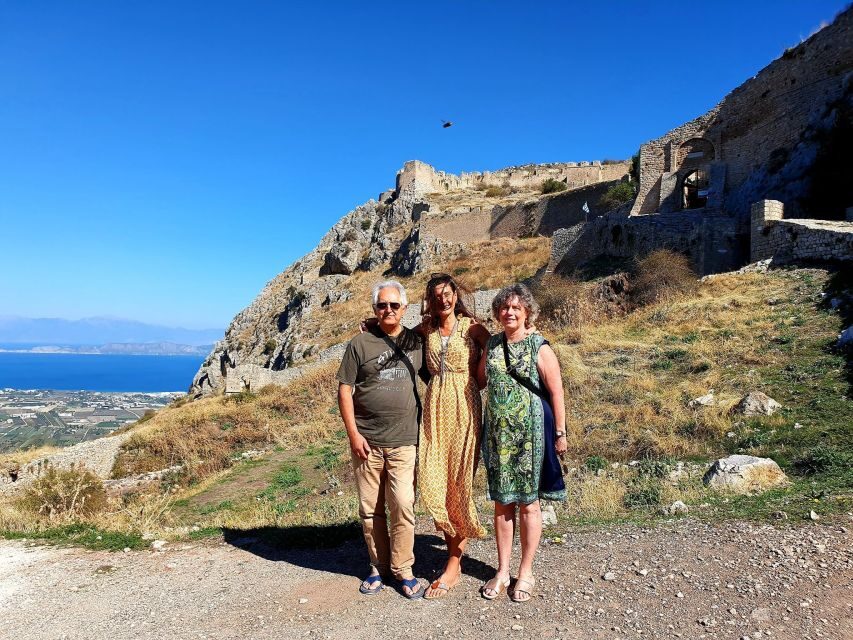
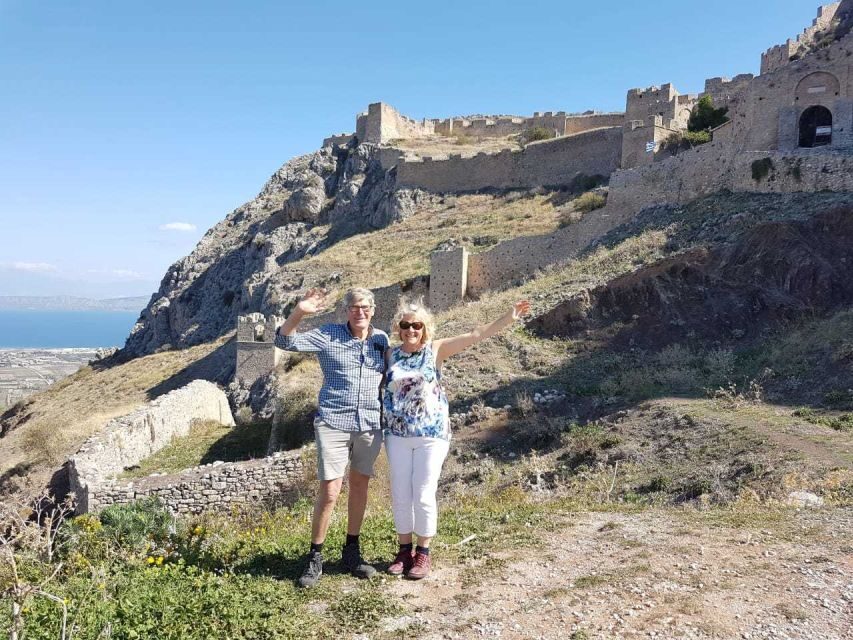
Then you go up to Acrocorinth, the citadel of ancient Corinth, often described as the Acropolis. You’re not just visiting a viewpoint. You’re stepping into the kind of fortification that changes how you interpret the city below.
The details are impressive: Acrocorinth is a monolithic rock about 1886 ft above sea level, with 4.9 miles of walls, a keep, and three gates. Even if you’re not a military-history person, that size makes the point quickly: this wasn’t a casual settlement. It was a strategic stronghold.
Why I like this stop: It helps you understand why places of worship, commerce, and public life were never far from politics and power. When you can see how the land breaks into routes and defenses, Paul’s travel story feels more grounded.
One consideration: Citadel ruins mean uneven surfaces and stairs in parts. Plan on taking it slower if your legs need extra time.
Ancient Corinth: Bema, Agora, and the sites tied to Paul
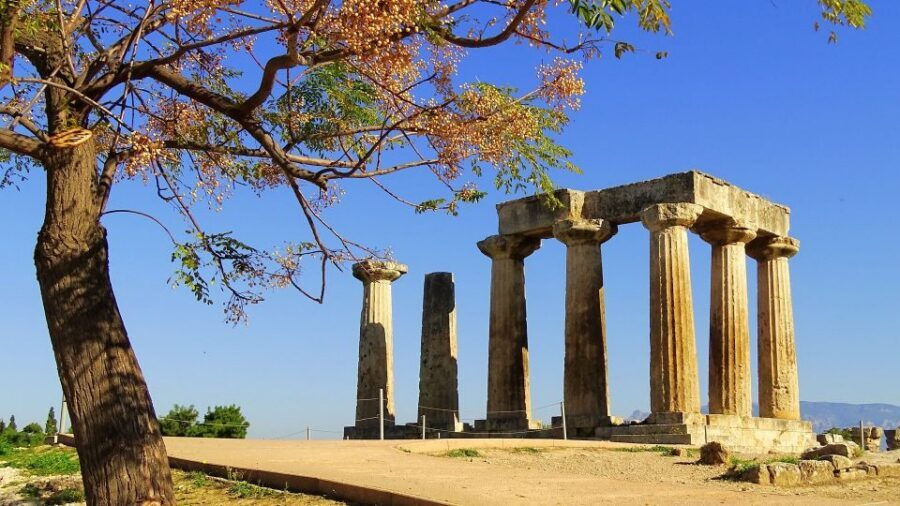
After Acrocorinth, you head to ancient Corinth. This is where the tour shifts from views to names you’ll recognize—especially if you know the New Testament setting.
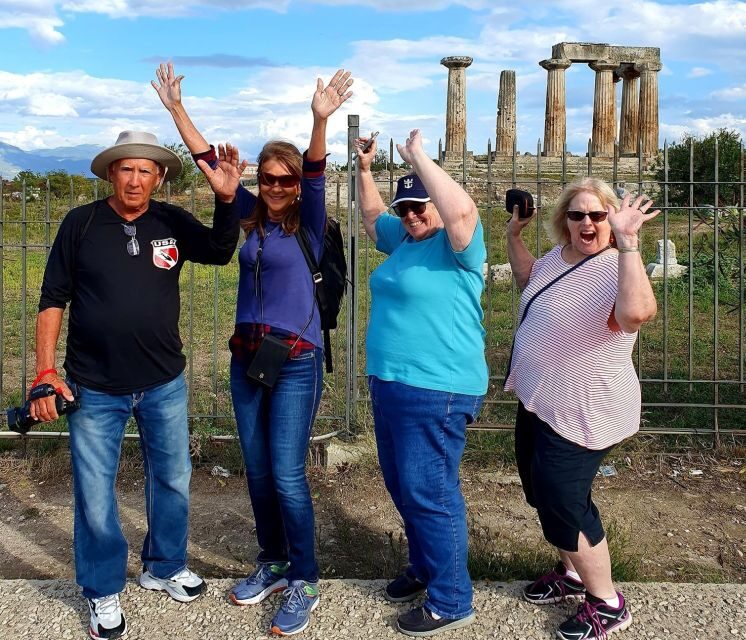
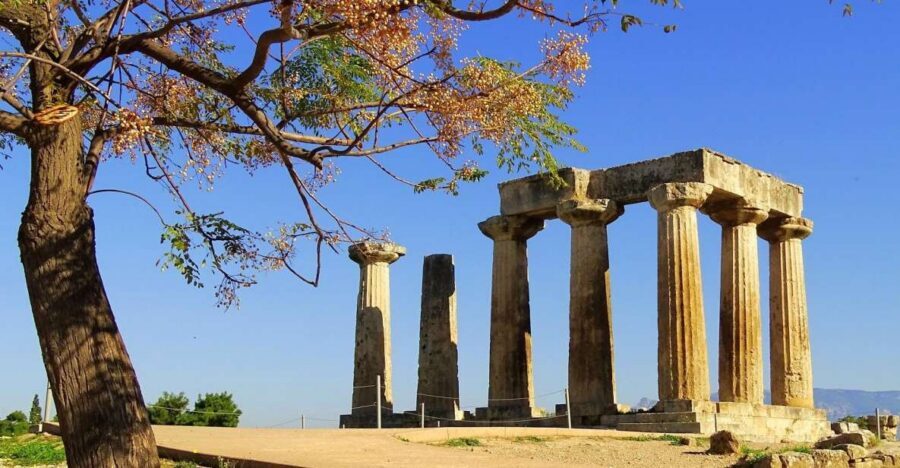
You’ll have around 40 minutes at ancient Corinth before the museum block, and this is timed so you can orient yourself. You’ll also cover major landmarks in the wider Corinth complex, including the Temple of Apollo, the Fountain of Glauke, the Sacred Spring and Peirene, the Asklepieion, the Odeion, and then the big Paul connections: the Bema (the judgment seat where Paul was brought before Gallio) and the Agora, where Paul preached and where you can picture daily life intersecting with debate.
How to make the most of this: Don’t try to memorize everything at once. Instead, pick one or two “anchors” (for many people it’s the Bema and the Agora), then let the other places support those anchors.
Why this matters for value: This isn’t a stop-and-snap tour. You’re getting a guided explanation by an English-speaking driver who can connect the dots while you walk among the remains.
Archaeological Museum: seeing artifacts that match what you just walked
The museum time is one of the best ways to get past the feeling that ruins are just rock shapes. You’ll have about 100 minutes at the Archaeological Museum of Ancient Corinth, which is enough to see how artifacts explain the sites outside.
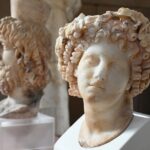
You can expect a more tangible sense of daily life—materials and objects that help make the Agora, religious spaces, and public buildings feel less like background and more like real places people used.
Should you add a licensed guide? If you’re the type who likes to read labels and then get follow-up context, the optional licensed on-site guide can be worth it. Your driver is well-versed and speaks English, but they’re not licensed to accompany you inside the archaeological sites and museum.
Lunch with Temple of Apollo views (or sea air near the baths)
After museum and site time, you get a lunch break of about 80 minutes. The tour keeps lunch flexible: you can choose an authentic Greek meal with views of the Temple of Apollo, or go with a seaside restaurant option near the Baths of Helen of Troy.
This is a practical choice because it changes the mood of the day. After all the walking and looking up from ruins, you’ll appreciate a slower pace where you can actually talk, digest, and take photos without feeling rushed.
What to do: If weather is warm, sunscreen and a hat matter. You’re on a full day schedule, and the sun at higher points can sneak up on you.
Kechries port: Paul’s departure and the travel rhythm of 53 AD
To close the day, you visit the port of Kechries. This is the “end of the chapter” stop—following in the footsteps of St. Paul and his exit from Corinth in 53 AD, sailing toward Ephesus with Aquila and Priscila.
This part of the day connects the city to the sea route that early Christians depended on. In the middle of the tour, you’re looking at public spaces where teaching and disputes happened; here, you’re focusing on departure.
The tour also references the Nazarite vow from Acts 18:18, including the cutting of hair—an extra layer that can make Paul’s story feel more personal and less like a distant timeline.
Why ending here works: It gives your brain a finishing point. You’re not just touring objects; you’re finishing a journey.
Private touring: comfort, pace, and what’s actually included
This is priced at $273 per person for an 8-hour private experience, and for a lot of people, the value comes from how smoothly the day runs.
Here’s what’s included:
- A private full day experience
- English-speaking tour driver with Greek history expertise (not a licensed site guide)
- Pickup and drop-off from Athens hotels, Airbnb residences, or the port
- Transportation in a modern, first-class private vehicle with Wi-Fi, A/C, and bottled water
- Ticket-line skipping for the listed stops
- Wheelchair accessible
And here’s what’s not included:
- Entrance fees: 15€ per person for both the archaeological site and museum in Ancient Corinth
- A licensed guide inside the site and museum (extra, available on request)
- Food and drinks
Value check: The base price covers the driving, the explanation, and the structure of the day. The main “extra” is the site entrance fee plus potentially a licensed guide if you want maximum detail. If you’re traveling as a couple or family, the private format is also a big perk because you can set the pace and ask more questions.
A quick reality check: You’ll still be walking on uneven ground and spending time outdoors. It’s not just a sit-in-the-car day, even with the comfortable vehicle.
Who this tour suits best
This tour is a strong fit if:
- You want a Bible-focused day that still includes serious archaeology and physical geography
- You like your history explained in plain language while you’re standing in front of the places
- You’d rather have a flexible private schedule than follow a rigid group route
It may feel less ideal if:
- You want every single site deeply narrated by a licensed guide inside each building (you’d need the optional licensed guide)
- You prefer long, slow museum immersion rather than a balanced day that also includes canal and port time
Should you book this Biblical Corinth and Isthmus Canal tour?
Yes—if you’re aiming to connect Paul’s story to the real geography of Corinth. The mix of Corinth Canal + Diolkos + Acrocorinth + ancient Corinth + Kechries gives you a coherent route, not a random checklist.
Book it especially if you value private guiding, comfortable transport, and clear explanations while you walk. Just budget for the 15€ entrance fees and consider adding a licensed on-site guide if you want deeper commentary inside the archaeological areas.
More Private Tours in Athens


More Tours in Athens

More Tour Reviews in Athens
- All Day Cruise -3 Islands to Agistri,Moni, Aegina with lunch and drinks included
★ 5.0 · 4,958 reviews