REVIEW · ATHENS
A powerful Athens Segway tour. Semi-private Historical and Contemporary Tour
Book on Viator →Operated by SegYourWay Athens · Bookable on Viator
Athens can feel like a lot.
This is the kind of 3-hour Segway tour that helps you get your bearings fast and learn what you’re actually looking at—Acropolis-area highlights and the city’s older-and-newer neighborhoods in one efficient loop. The route blends big-name sites with lesser-noticed spots, with a guide calling out the “why” behind the stones, not just dates and names.
Two things I really like: the headsets so you hear every word clearly, and the small max group size of 6, which keeps the pace calm and the questions coming. I also like that it’s built as a beginner-friendly experience, so you’re not stuck in a skills boot camp before you can enjoy Athens.
One consideration: it runs best in good weather, and it’s in the open air. If you’re the type who prefers slow, long museum time or you’re sensitive to heat, you may want to plan your day so this fits your energy level.
In This Review
- Key highlights at a glance
- Getting your bearings fast: why this Athens Segway tour works for first-timers
- Small group, clear stories: the role of headsets and guide teaching style
- Your 3-hour loop: what each stop is for (and what to watch)
- Stop 1: Acropolis Museum area (New Acropolis Museum)
- Stop 2: Herod Atticus Odeon
- Stop 3: Areopagus (Mars Hill)
- Stop 4: Ancient Agora of Athens
- Stop 5: Hadrian’s Library
- Stop 6: Roman Agora
- Stop 7: Kerameikos Cemetery
- Stop 8: Tower of the Winds
- Stop 9: Plaka
- Stop 10: Monastiraki
- Old Athens and contemporary Athens: why the Plaka and Monastiraki finish matters
- Beginner-friendly riding, adult-friendly pacing: who should do it (and who may want to rethink)
- Price and value: what $81.88 buys you in real time
- Should you book this Athens Segway tour?
- FAQ
- Is this Athens Segway tour offered in English?
- How long is the tour?
- Where does the tour start?
- How big are the groups?
- Are helmets and headsets provided?
- Is it beginner-friendly?
- Is the tour suitable for children?
- What sites are included during the 3 hours?
- What if the weather is bad?
- Is there an admission fee for the stops?
Key highlights at a glance

- Headsets included: you won’t miss the guide’s stories, even when you’re rolling.
- Small-group feel (up to 6): less waiting, more back-and-forth.
- Big Athens overview in about 3 hours: you cover a stack of monuments without the usual walking grind.
- Old and contemporary Athens together: you end in Plaka and Monastiraki for the city vibe.
- Included refreshment breaks: water and sodas, plus a traditional coffee stop where ordering is included.
- Guidance from archaeology and history educators: explanations feel taught, not recited.
Getting your bearings fast: why this Athens Segway tour works for first-timers
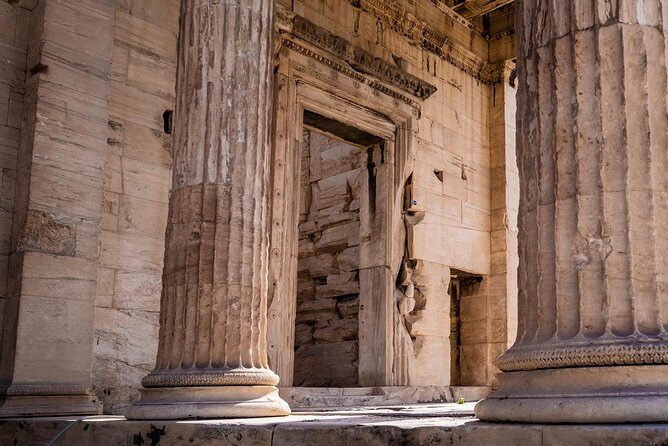
If Athens is your first big stop, you can end up doing two things at once: chasing views and trying to decode what each ruin used to be. This tour tackles both. In a short window, you get a guided “map in your head,” tying together the major historic layers around the Acropolis and the neighborhoods that feel alive today.
I also like how the tour’s structure helps you stay oriented. You’re not just dropped at random points; you get a logical sequence that moves from museum and major viewpoints to the marketplaces, burial grounds, and classic streets. That makes it easier to come back later on your own and recognize what you’re seeing.
And yes, it’s a Segway, which changes the experience. You cover ground without turning your day into a leg workout. One person described it as a way to see an enormous number of places in a short time; the point for you is simple: you’ll get a strong overview before you go deeper elsewhere.
You can also read our reviews of more private tours in Athens



Small group, clear stories: the role of headsets and guide teaching style
Here’s the practical advantage: headsets are provided, so you hear your guide clearly the whole time. That matters in Athens, where you’re dealing with street noise, foot traffic, and the challenge of hearing over wind. With the headset setup, you can focus on the route instead of constantly turning your head to “catch” the explanation.
You also benefit from the semi-private group size (up to 6 people). In smaller groups, you’re less likely to lose time waiting your turn. It’s also easier for the guide to adjust pace when someone is curious or when a photo moment takes longer than expected.
From the guides’ styles mentioned in feedback, names like Antonios and John show up—both described as teaching-focused. That’s a good sign for you. When a guide talks like a history teacher, you tend to remember more than a list of facts. The goal isn’t just to look; it’s to understand what you’re looking at.
One more detail worth noting: helmets and water/sodas are part of how the tour takes care of you. That sounds minor until you’re out in the sun, wondering why you didn’t bring enough to drink. This one builds in comfort so you can stay present.
Your 3-hour loop: what each stop is for (and what to watch)
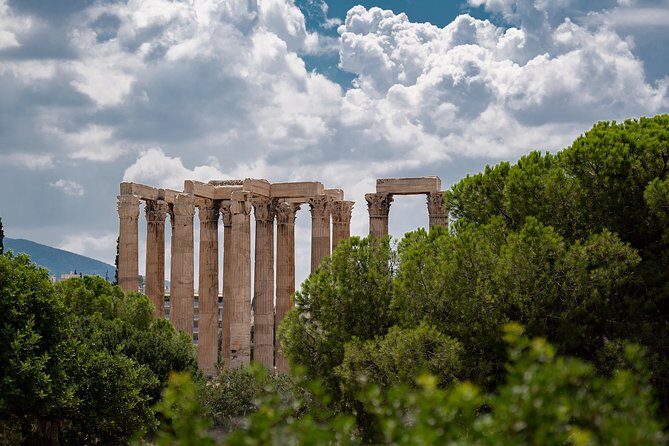
This tour runs about 3 hours and ends back at the meeting point, so you’re not stuck with a half-finished day. The timing at each stop is short, but the guide’s job is to make those short windows count. Think of each stop as a “chapter,” not a long museum exhibit.
Stop 1: Acropolis Museum area (New Acropolis Museum)
You start with the New Acropolis Museum area, where the big win is context. Even if you don’t spend hours inside, this opening frames the rest of the day: how the artifacts and the story connect to what you’ll see outdoors. It’s a smart move for first-time visitors because it helps your brain link objects to places.
If you’re the kind of person who likes to read labels slowly, you may wish you had more time here. But for most people, this start gives you the background you can carry to the street-level sites.
Stop 2: Herod Atticus Odeon
Next is the Odeon of Herodes Atticus, a classic theater space tied to the ancient world’s love of performance and public life. A quick stop can still land because the guide can point out how these venues weren’t just entertainment—they were political and social stages.
Watch your own timing here: because the stop is brief, it’s best to take one good look, then let the guide’s story do the heavy lifting. You’ll get more out of it than trying to “do it all” with photos.
You can also read our reviews of more historical tours in Athens





Stop 3: Areopagus (Mars Hill)
Then you roll to Areopagus (Mars Hill) for a viewpoint moment. This is the kind of location where a short stop can still feel meaningful because the guide can explain the historical importance of the hill, not just the view.
The consideration here is weather and comfort. If it’s hot, treat this as a moment to listen and then move. Don’t burn your energy. The tour is designed to keep you moving without exhausting you.
Stop 4: Ancient Agora of Athens
You move into the Ancient Agora of Athens, the heart-of-civic-life idea. This stop is valuable because it connects to daily life, not just monumental temples. When the guide talks through what the Agora represented—public decision-making and everyday movement—it changes how you interpret the ruins around you.
Short stop length means you’ll want to focus on the guide’s main points rather than trying to independently “solve” everything on your first visit.
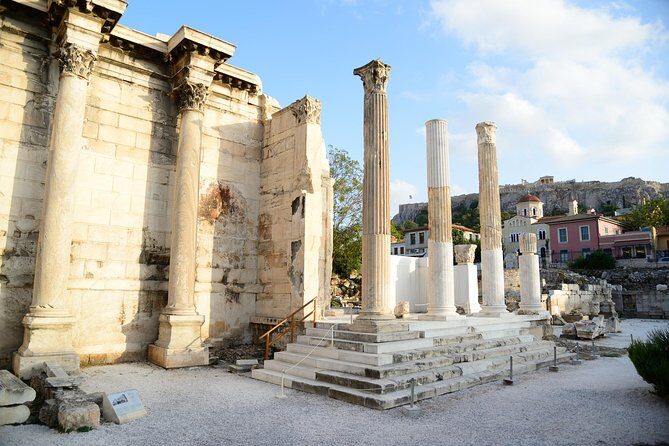
Stop 5: Hadrian’s Library
Hadrian’s Library is a quick but memorable stop because it hints at how scholarship and public culture showed up in physical buildings. The guide’s narration here is what turns a wall or foundation into a story of learning and patronage.
If you like architecture details, keep an eye out for how different parts of the site suggest how it functioned. If you don’t, you’ll still get value from the storyline.
Stop 6: Roman Agora
Next is the Roman Agora, where the mix of eras becomes clear. This is one reason the tour works: you see that Athens isn’t frozen in one century. You get the layering effect—Greek to Roman influence—without needing a full lecture.
This stop can feel quick, but that’s the point. You’re building the big-picture map, then you can choose which sites to revisit later on foot.
Stop 7: Kerameikos Cemetery
Then comes Kerameikos, tied to the city’s burial and memorial traditions. Even with a brief visit, it offers a different emotional tone than the more civic or theatrical locations. A good guide can help you see cemeteries as part of urban life, not just history “somewhere else.”
Because it’s an outdoor stop, you’ll get the most value by listening closely rather than getting stuck scanning every stone.
Stop 8: Tower of the Winds
At the Tower of the Winds, the experience often clicks for people who love small-but-smart details. This is a standout stop for interpretation because you can connect the structure to how people measured time and weather.
A short visit is enough when your guide explains the function clearly. This is a good moment to ask one question if you’re curious about how the system worked.
Stop 9: Plaka
Then you reach Plaka, which shifts the vibe from ruins-only to neighborhood Athens. Plaka is where you can breathe and see how the historic past lives inside streets, shops, and views.
Don’t expect this to feel like a full walking tour in Plaka. It’s more of a taste, with the guide helping you understand what makes the area special.
Stop 10: Monastiraki
Finally, Monastiraki rounds out the tour with an energetic finish. It’s a place you can linger at after the ride if you want more time. For many people, this ending is what turns the whole experience from “sightseeing” into “I get the feel of Athens now.”
In short: you’re not just collecting photos. You’re ending with real city energy.
Old Athens and contemporary Athens: why the Plaka and Monastiraki finish matters
Plaka and Monastiraki aren’t just pretty add-ons. They help you understand Athens as a living city layered over time. By the time you arrive there, you’ve already heard stories about civic life, cultural venues, and historic spaces. Then you see what that legacy looks like when you walk streets where people still shop, eat, and wander.
It’s also a practical advantage for your next day. If you finish near Monastiraki, you can decide on the spot where you want to go back—maybe for a longer dinner, a second pass on a viewpoint, or a slower browse through side streets.
And because the group is small, you’re more likely to leave with a clear sense of how to continue your day rather than asking yourself where everything is.
Beginner-friendly riding, adult-friendly pacing: who should do it (and who may want to rethink)

This tour is described as beginner-friendly, and most people can participate. That’s the strongest signal for you if you’ve never used a Segway before. The goal is to help you feel comfortable enough to enjoy the sights, not to pressure you into advanced maneuvers.
There are a couple of limits you should respect. Children must be accompanied by an adult, and it’s not recommended for child age 11 and under. The tour also has a maximum of 6 travelers, so you’re not packed in.
Then there’s the big environmental piece: it requires good weather. If Athens weather is unsettled during your visit, plan to keep some flexibility in your schedule. A cloudy or rainy day can make outdoor riding less enjoyable.
Finally, consider your own travel style. If you love long museum time, you may find the stop durations feel short. This is best for you if you want an overview plus clear guidance, then follow up later with the sites that grabbed your attention.
Price and value: what $81.88 buys you in real time

At $81.88 per person for about 3 hours, the value is less about the Segway itself and more about what you get alongside it: a guided route across key sites, with headsets, helmets, and included refreshments.
One theme in the experience description is time-saving. You cover a lot of ground without the exhaustion that often comes from doing these areas on foot. In the feedback, people highlighted seeing an enormous number of monuments or locations within the short time window. Even if you don’t track the exact count, the practical takeaway is that you’ll leave with a strong sense of Athens layout and history.
You also get help with comfort. Water and sodas are provided, and there’s a stop at a traditional coffee spot where you can order what you want and it’s included. For many people, that alone makes the price feel more “all-in” than a typical walking tour.
Admission is marked as free for the listed stops in the itinerary info, which matters if you’re trying to keep expenses under control. Just know the bigger picture: this package is built to reduce the friction of planning, ticket hunting, and figuring out the sequence.
Is it worth it? If you’re short on time or you want a guided framework for your first Athens day, yes. If you already know the sites well and prefer unstructured wandering, you might not get as much value from the tightly guided route.
Should you book this Athens Segway tour?

Book it if you want a first-time Athens overview that blends ancient monuments with the feel of modern neighborhoods. This is a strong choice when you like stories that explain what you’re seeing, and when you appreciate tools that make the guide’s words easy to hear—like the headsets.
I’d also book it if you’re traveling with teens or people who get impatient with long stops. The energy of Segway movement plus guided teaching seems built to keep attention.
Skip it or consider a different format if you want slow museum immersion, or if you’re sensitive to heat and outdoor walking time. The tour’s success depends on good weather, and the experience is designed for a ride-through flow rather than deep, lingering study.
If you’re torn, use this rule of thumb: if you want your first Athens day to feel guided and efficient, this semi-private Historical and Contemporary route is a smart match.
FAQ
Is this Athens Segway tour offered in English?
Yes. The tour is offered in English, and the provider notes that it may be operated by a multi-lingual guide.
How long is the tour?
The tour lasts about 3 hours.
Where does the tour start?
The tour starts at Lempesi 9, Athina 117 42, Greece, and it ends back at the meeting point.
How big are the groups?
This experience has a maximum of 6 travelers per booking.
Are helmets and headsets provided?
Yes. Helmets are provided, and headsets are included so you can hear the guide clearly.
Is it beginner-friendly?
Yes. It’s described as beginner-friendly, and most people can participate.
Is the tour suitable for children?
Children must be accompanied by an adult, and it is not recommended for child age 11 and under.
What sites are included during the 3 hours?
The tour includes stops at the New Acropolis Museum, Odeon of Herodes Atticus, Areopagus (Mars Hill), Ancient Agora of Athens, Hadrian’s Library, Roman Agora, Kerameikos, Tower of the Winds, Plaka, and Monastiraki.
What if the weather is bad?
The experience requires good weather. If it’s canceled due to poor weather, you’ll be offered a different date or a full refund.
Is there an admission fee for the stops?
Admission is marked as free for the listed stops in the experience information, so you shouldn’t need separate admission planning for those parts.



More Private Tours in Athens



More Tours in Athens





More Tour Reviews in Athens
- All Day Cruise -3 Islands to Agistri,Moni, Aegina with lunch and drinks included
★ 5.0 · 4,958 reviews