REVIEW · ATHENS
The History of Athens: Greek Mythology Private Tour
Book on Viator →Operated by Withlocals · Bookable on Viator
Myths in Athens have good shoes. This private half-day walk turns familiar street scenes into stories about Greek gods, with a local host who connects what you see to what the legends meant. You get a private 1-on-1 guide feel, plus market time where locals actually shop.
I especially like the way the tour ties mythology to everyday neighborhoods, not just big-ticket monuments. You also get practical “where am I” orientation as you move from Monastiraki toward Plaka. One heads-up: timing and route can vary by guide, and on hot days the tour can involve long stretches of standing in sun.
If your ideal “myth tour” is very exact and tightly scripted, you should choose your guide on purpose. And if you’re touring on a Sunday, some buildings and market areas may be closed depending on what’s on the route.
In This Review
- Key highlights you should know before you go
- Private History of Athens through Greek Mythology: what you’re really buying
- Price and logistics: meeting point, walking pace, and where the tour ends
- Stop 1: Monastiraki and the art of starting with street-level Athens
- How the guide connects Greek gods to the streets you see
- Stop 2: The Academy of Athens and why it’s more than a building
- Stop 3: Varvakios Central Municipal Market for seafood, street eats, and real Athens
- The missing pieces: optional stops and why the route can change
- Sun, pace, and the one practical thing to control: where you stand
- Guide quality can make or break a mythology tour
- Sunday considerations: closures and what that means for your expectations
- Who this tour suits best (and who should look elsewhere)
- Value check: is $199.62 per person worth it?
- Should you book it?
- FAQ
- How long is the Greek Mythology Private Tour in Athens?
- Is this tour private?
- Where do I meet, and where does the tour end?
- Are tickets or admission fees included?
- Is food included during the tour?
- What is the cancellation policy?
Key highlights you should know before you go
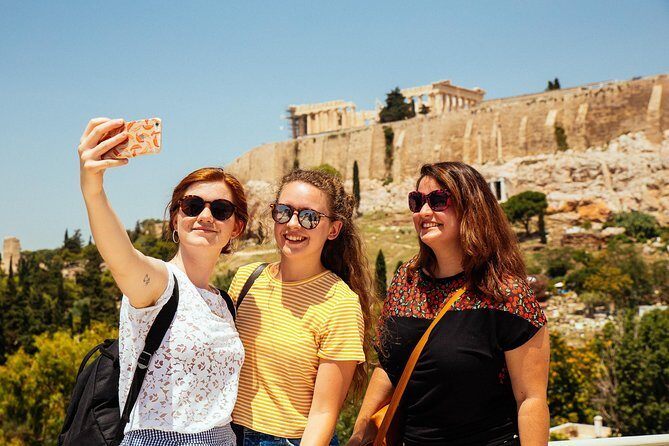
- Monastiraki start: a fast hit of eclectic Athens street energy, from souvenirs to food and even army-surplus style finds
- Academy of Athens stop: a major landmark tied to modern Greek learning, not just ancient temples
- Varvakios Central Municipal Market: seafood, meats, produce, and street eats vibes in one compact stop
- God-to-street storytelling: Zeus and other deities are connected to specific locations so the city feels logical
- Private format: only you and your guide, so you can ask questions and steer the pace
- Free admissions listed for stops: Monastiraki, the Academy, and Varvakios have ticket-free entry on this plan
Private History of Athens through Greek Mythology: what you’re really buying
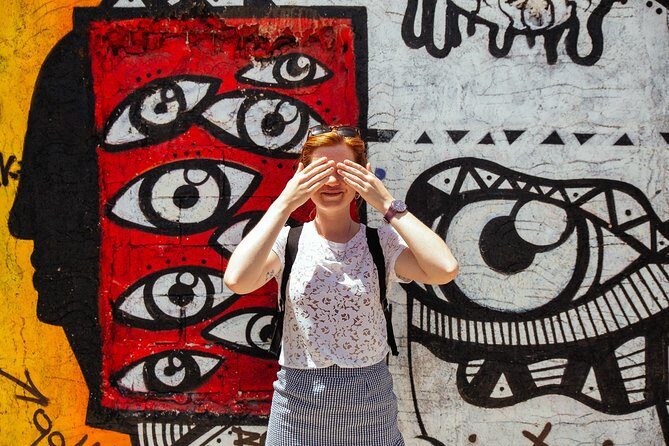
At $199.62 per person for about 3 hours, you’re not paying for a museum ticket bundle. You’re paying for time with a local guide who can translate Athens from a pile of sights into a story you can remember.
That matters, because Athens is a “layer cake” city. Modern streets sit right on top of older meanings. This tour’s big promise is that it links the gods to the places you walk past, so the city feels less random. Instead of just naming sites, you get a thread: deity → location → what it likely signified to people in that time.
The private setup is part of the value too. If you want to ask follow-ups (why that god? why this street corner?), you can. If you need to pause for shade or a drink, you can.
You can also read our reviews of more private tours in Athens


Price and logistics: meeting point, walking pace, and where the tour ends
This is a private walking tour in English, offered for about 3 hours. You’ll start at Panepistimiou 37, Athina 105 64 and end in Plaka, Athens. The start location is in a central area and is described as near public transportation, which makes it easier to build into a longer day.
You should also plan for a moderate physical fitness level. That usually means you’ll be walking and stopping on foot, not racing through sites like a sprint. Still, Athens sun can be unforgiving, so pack common sense: water, hat, and comfortable shoes.
A practical note: the tour includes a mobile ticket, which usually makes life simpler at check-in points. And it’s marked CO2 Neutral, meaning the operator offsets emissions for the tour.
Stop 1: Monastiraki and the art of starting with street-level Athens
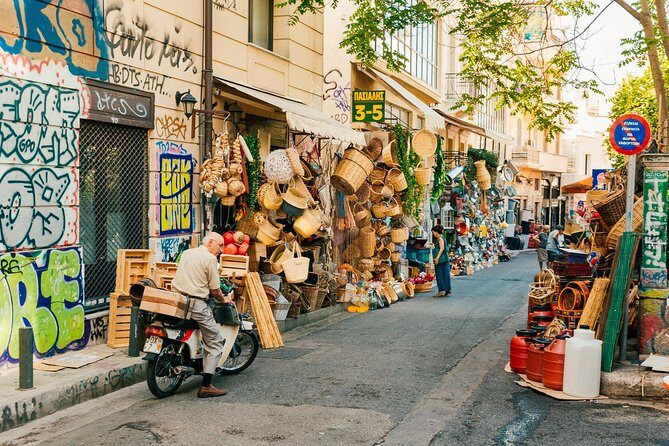
Your tour begins at Monastiraki, one of those places where Athens tells you who it is before you even hit the classics. It’s known here as a sweep of eclectic outlets—souvenirs, gear that ranges from home goods to food stalls, and that distinctive “you didn’t know you needed this” shopping chaos.
What I like about starting here is the way it sets the tone. Monastiraki gives you atmosphere fast, and it helps you understand how locals move through the city day-to-day. It’s also a useful reset if you’re arriving with jet lag. You can soak in the motion while your guide gets you oriented.
The plan lists free admission for this stop, so you’re not paying extra to get the experience. The only cost is time in a lively neighborhood—good for photos, shopping, and simple people-watching.
How the guide connects Greek gods to the streets you see
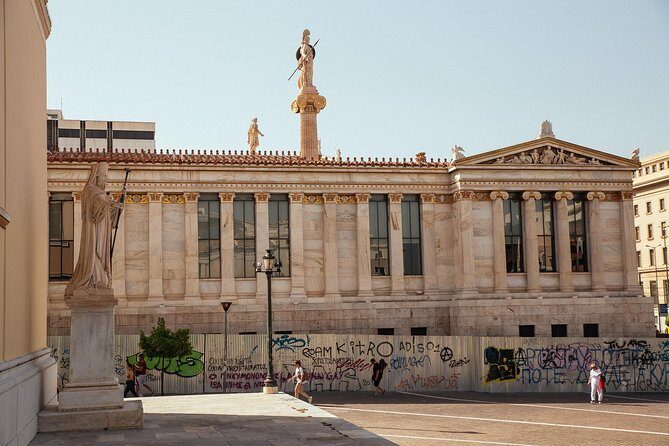
This tour is framed as a Greek mythology private walk, but the magic is in the method: the guide ties each place to a god and a theme you can carry through the rest of the route. The tour highlights specifically call out connecting historic sites and modern hot spots to their relevant deity.
You’ll feel this as you move along. Instead of separate stops where each location is treated like an island, you’re building a mental map where the mythology helps you remember what you passed and why it matters.
A key tip if mythology is your top priority: be ready to ask questions. If your guide’s style is more conversational, you may need to steer toward the god-to-place connections more directly. On this kind of private tour, that’s not a problem—it’s the advantage. You can ask, What god goes with this place and why?
Stop 2: The Academy of Athens and why it’s more than a building
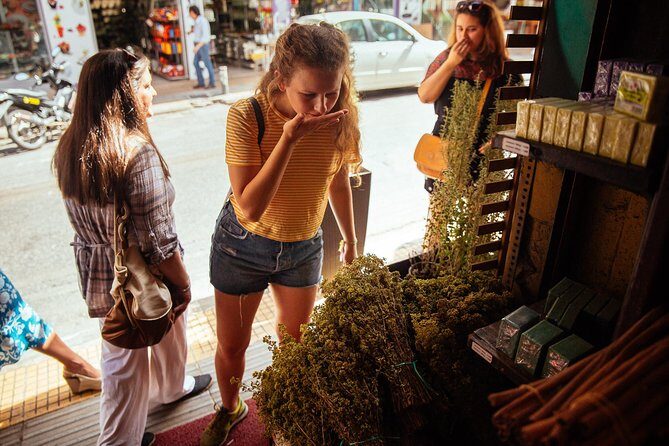
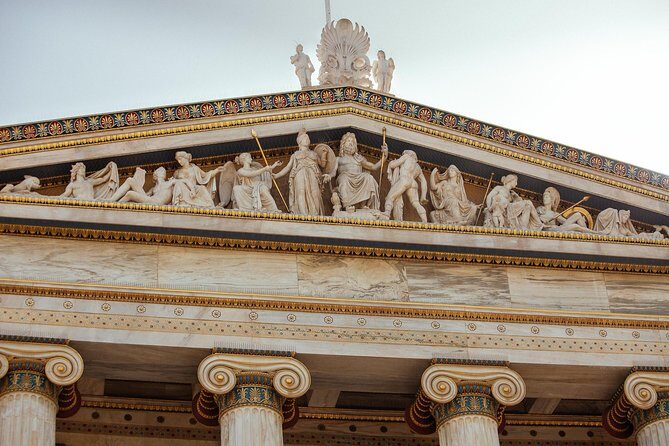
Next up is the Academy of Athens, described as Greece’s national academy and its highest research establishment, operating under the Ministry of Education. It was established in 1926, and its main building is a standout landmark.
This stop may surprise you if you expected only ancient ruins. That’s actually part of the value. Greek culture didn’t freeze in antiquity. The Academy represents a modern Greece that still treats learning as a national identity.
It’s listed as free to enter, so this part is mostly about what your guide points out: architectural details, symbolism, and the way institutions carry cultural meaning forward. In a mythology tour, it also helps to show that Athens keeps reusing the same themes—knowledge, gods, power, civic life—across different eras.
You can also read our reviews of more historical tours in Athens



Stop 3: Varvakios Central Municipal Market for seafood, street eats, and real Athens
The tour then shifts into a food-and-life stop: Varvakios Central Municipal Market. This place is presented as a bustling hub with locally sourced seafood, meats, fruits, and vegetables, plus street eats.
If you’ve ever walked through an Athens market and felt like you needed a translator for the smells and stalls, this is exactly the kind of stop that makes a guide worth the price. A good market walkthrough isn’t about eating everything. It’s about learning what locals buy, what the rhythm is, and what kinds of foods matter in everyday Athens.
The plan again lists free admission for this stop. So the “cost” here is your time and your curiosity. Even if you skip buying anything, it gives you a sensory anchor to balance the mythology and architecture.
The missing pieces: optional stops and why the route can change
The itinerary notes that additional stops may appear depending on your host and their chosen route. That means the core anchors are Monastiraki, the Academy of Athens, and Varvakios—but you might also see extra locations tied into the deity theme.
This is where private tours get both exciting and slightly unpredictable. If you like flexibility and want your guide to choose the best-feeling route, you’ll likely enjoy it. If you need a very strict checklist of stops, you’ll want to confirm your expectations directly.
Sun, pace, and the one practical thing to control: where you stand
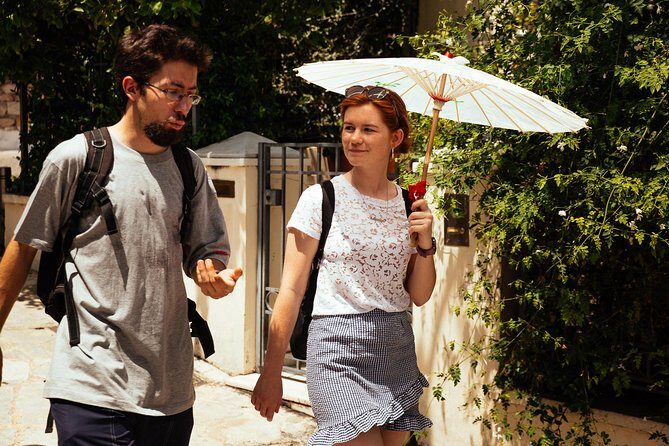
One of the most consistent practical themes in real-world experiences with this kind of walking tour is heat. Athens in warm months can turn “20 minutes here and there” into “why am I still standing” if you keep getting stuck in the open.
So your job is simple: during the tour, don’t feel shy about moving to shade or asking to change your spot. On a private tour, that request is fair game. If your guide is deep in storytelling, a gentle interruption to protect your comfort often improves the whole experience.
Plan ahead anyway. Bring water, wear sunscreen, and take a hat. It sounds basic, but it’s the difference between enjoying the mythology and just trying to survive the sun.
Guide quality can make or break a mythology tour
Because this is mythology-focused, the guide’s approach matters a lot. Some guides lean hard into myths and make the connections feel tight. Others may talk more broadly about the city and culture, with mythology as a supporting thread.
On a private tour, you can manage this. Before you start, you can set your expectation: you want the gods tied clearly to the places you visit, not just name-dropped. If your guide is enthusiastic (and many are), that clarity often improves the whole pacing.
Also: styles vary. Some guides pack in lots of information quickly. If you’re prone to information overload, ask for breaks. A simple drink stop can reset your attention and help the stories land.
Sunday considerations: closures and what that means for your expectations
A real-world wrinkle with Athens is closures on specific days. The information you were given for this experience is general, but the route includes places tied to institutions and market areas that can be closed depending on the day and timing.
If your tour lands on a Sunday, set expectations for a few things not being available in the way you’d hope. Your guide should still be able to connect the mythology thread, but you might miss certain interiors or market areas.
The upside: the outdoor walking and story connection still tends to work. The downside is you should not plan this as your only chance to see everything indoors.
Who this tour suits best (and who should look elsewhere)
This Athens Greek mythology private tour fits best if you want:
- Story-led walking in central neighborhoods
- Myth connections tied to streets and daily Athens life
- A local guide who can adapt the pace to you
- A tour that ends in Plaka, so you can continue exploring on foot
It may not fit as well if you want:
- A strictly museum or archaeological-heavy agenda where the focus is on artifacts first
- A guarantee that every potential stop will be open and accessible at all times
- A tightly scripted mythology lecture with no variation in emphasis
If you’re traveling with kids or you want a family-style outing, this tour can still work well—but you’ll get the best results if you communicate your preferred tone upfront.
Value check: is $199.62 per person worth it?
For many first-timers in Athens, paying for a private walking guide is worth it because you’re buying time, context, and a way to avoid “sight-hopping confusion.”
Here’s the honest value equation:
- You’re getting three key locations in one half-day: Monastiraki, the Academy of Athens, and Varvakios Market.
- Those stops are listed with free admission on this plan, so you’re not paying extra for entry to match the price.
- You get CO2-neutral operation plus a private format, which often means your guide can tailor the pacing and emphasis.
The main value risk isn’t the price—it’s the fit. If you’re expecting a relentless mythology deep-dive delivered with perfect consistency, the private-guide variability could frustrate you. If you want a lively, story-connected day where you can ask questions and steer, the price feels more fair.
Also, this tour is described as being booked about 64 days in advance on average. That’s a hint it’s popular enough that waiting too long can narrow your options on guide or time slot.
Should you book it?
Book it if you want Athens to feel like a story, not just a checklist. The combo of Monastiraki street energy, the Academy’s cultural symbolism, and Varvakios’s real-market atmosphere gives you variety, and the mythology connections are the glue that holds the day together.
Think twice if you need guaranteed interiors every time, or if your version of a myth tour is strictly lecture-style and extremely detailed at every stop. In that case, message your expectations before you go, especially on what you want emphasized most: Zeus and other gods tied to specific locations, or more general city context.
FAQ
How long is the Greek Mythology Private Tour in Athens?
The tour runs for about 3 hours.
Is this tour private?
Yes. It’s a private tour, meaning it’s only you and your local guide.
Where do I meet, and where does the tour end?
You start at Panepistimiou 37, Athina 105 64, Greece. The tour ends in Plaka, Athens, Greece.
Are tickets or admission fees included?
The listed stops include free admission for Monastiraki, the Academy of Athens, and Varvakios Central Municipal Market. Entrance to other attractions is not included.
Is food included during the tour?
Food and drinks are not included unless specified.
What is the cancellation policy?
You can cancel for a full refund if you cancel at least 24 hours before the experience start time.



More Private Tours in Athens


More Tours in Athens



More Tour Reviews in Athens
- All Day Cruise -3 Islands to Agistri,Moni, Aegina with lunch and drinks included
★ 5.0 · 4,958 reviews