REVIEW · ATHENS
Athens: The Mythology Tour of Acropolis & Acropolis Museum
Book on GetYourGuide →Operated by Greeking.me · Bookable on GetYourGuide
Myth makes Athens click. This private Acropolis & Acropolis Museum mythology tour turns the stones into stories, from theater and healing myths to Athena’s power. I especially like the myth-centered storytelling that keeps even big “textbook names” feeling human, and the way the route hits both key Acropolis monuments and the museum artifacts that explain them. One consideration: entrance fees are not included, and the museum stop happens early, so budget for tickets up front.
The tour is designed for clarity and different comfort levels with ancient history, and the experience can be wonderfully family-friendly when the guide matches your pace. Guides named in past bookings, like Nino Tsavalos and TAVOUTI M. SAPFO, show what strong narration looks like in this space. Main drawback to watch for: this tour isn’t suitable for people with mobility impairments, and food and drinks aren’t allowed during the experience.
In This Review
- Key things to look forward to
- Myth in Motion: Why this Acropolis-to-Museum Route Works
- Meeting on Makrygianni Street and Getting Oriented Fast
- Theater of Dionysus: Where Ancient Drama Begins
- Asklepieion and Asclepius Healing Myths
- Propylaea and Athena Nike: The Gateway With a Message
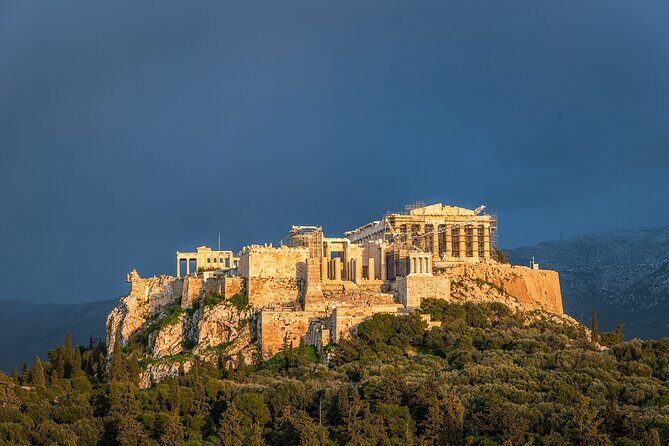
- The Parthenon: Myth as Identity and Political Vision
- Erechtheion and the Athena-Poseidon Contest
- Acropolis Museum: Artifacts That Make the Myths Physical
- Price and Entrance Fees: Getting Real Value Out of the $518
- Who This Private Mythology Tour Is Best For
- The Guides: What Strong Storytelling Looks Like
- Should You Book This Athens Mythology Tour?
- FAQ
- What’s the duration of the Athens Mythology Tour of Acropolis & Acropolis Museum?
- Is this a private tour?
- Where do we meet the guide?
- Does the tour include entrance fees?
- Is the tour guide live and in English?
- What are the main highlights on the Acropolis?
- Does the tour include the Acropolis Museum?
- Are food and drinks allowed during the tour?
- Is the tour suitable for people with mobility impairments?
- What’s the cancellation policy?
Key things to look forward to
- Theater of Dionysus first: you start with drama, not just monuments
- Asklepieion and Asclepius healing myths: mythology tied to real ideas of medicine and power
- Propylaea and Athena Nike: the gateway and the victorious goddess are explained in plain terms
- Parthenon plus Erechtheion: you get both the political symbol and the sacred temple stories
- Acropolis Museum as the story’s proof: artifacts that make the myths feel concrete
Myth in Motion: Why this Acropolis-to-Museum Route Works

You don’t need to be a classics nerd to enjoy this tour. The best part of the design is the sequencing: you walk the hill where the myths were performed, celebrated, feared, and debated—then you finish in a museum where the objects anchor those stories. That’s how mythology stops being abstract.
I like that the tour focuses on living echoes of Greek myth. You’re not just hearing names of gods and heroes. You’re hearing why certain places mattered to Athenians, and how those myths shaped beliefs, festivals, and identity over time.
There’s also a smart pacing choice: two hours on the Acropolis and two hours at the Acropolis Museum. That split matters. On the hill, you’re dealing with views, crowds, and uneven footing. In the museum, you can slow down and see details without the sky turning into your background noise.
You can also read our reviews of more museum experiences in Athens

Meeting on Makrygianni Street and Getting Oriented Fast
Your meet-up point is the entrance of Acropolis Metro Station, on Makrygianni Street. Arriving here works well because it sets you up for the climb with fewer guesswork moments.
This is where a private guide earns their keep. Instead of you trying to connect dots alone—gateway, theater, temples, museum—your guide gives you a mental map quickly. You’ll get the sense of the Acropolis as a place with multiple jobs: drama venue, sacred ground, political statement, and myth stage.
Practical note: no food and drinks are allowed. If you’re the type who likes to snack during sightseeing, plan to eat before you start or after you finish. Also, wear shoes you’re comfortable walking in for a few hours on-site.
Theater of Dionysus: Where Ancient Drama Begins
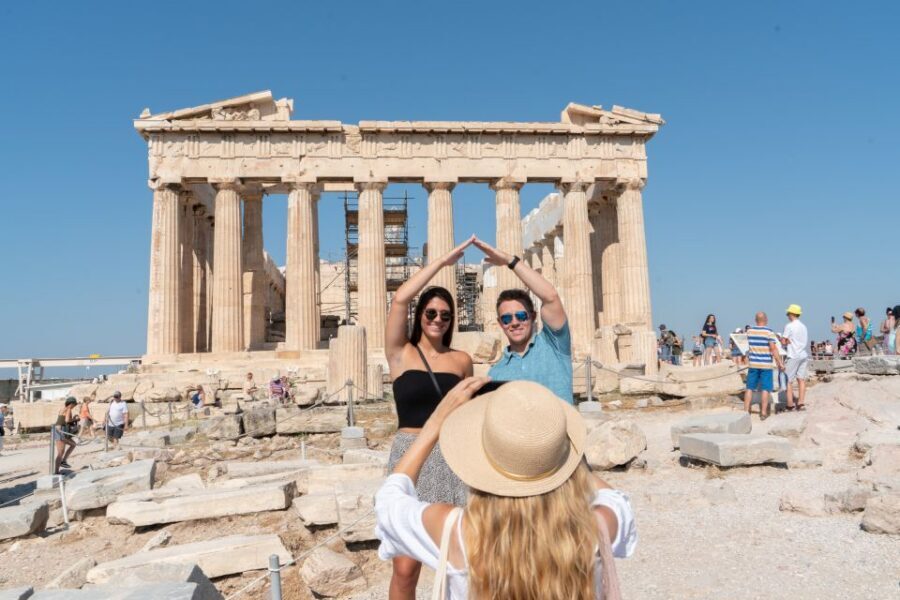
Most Acropolis tours start with the Parthenon. This one starts with the Theater of Dionysus, and that changes everything.
Dionysus is the god tied to wine and ritual, but the big takeaway here is drama as a civic and religious practice. When you’re standing in the theater area, you’re seeing a birthplace of ancient drama—meaning myth wasn’t just told; it was staged, performed, and processed by the community.
What I like about this opening stop is that it gives you a framework for everything that follows. If you understand drama and ritual as part of public life, you’ll read later temple stories differently. The myths feel less like bedtime stories and more like cultural technology: they help people explain power, suffering, victory, and survival.
A possible drawback: if you expected a quick “greatest hits” monument parade, theater-first might feel like a slower start. Give it a few minutes. Once the guide connects Dionysus to the way Athenians used performance, it clicks.
Asklepieion and Asclepius Healing Myths
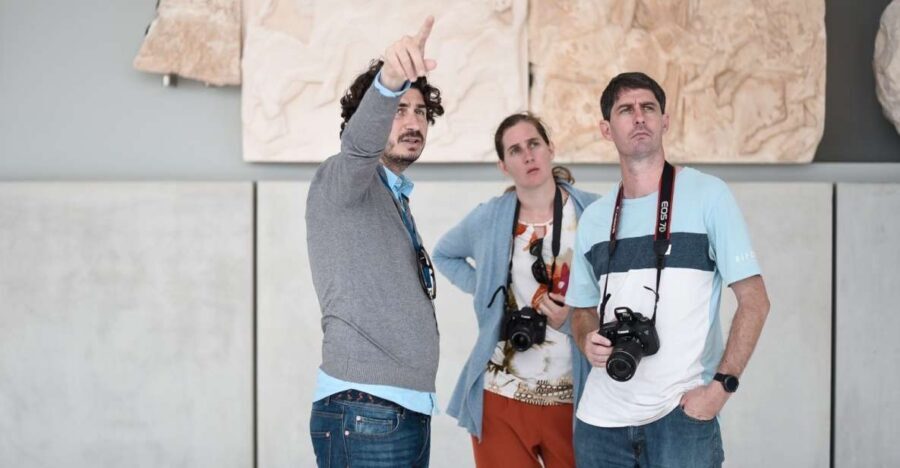
Next you’ll move past the Asklepieion, the healing sanctuary associated with Asclepius and the myths around him.
This stop matters because Greek mythology doesn’t only cover war and gods throwing lightning bolts. It also tackles medicine, recovery, and the tension between human hope and divine limits. In the tour narrative, you’ll hear how Asclepius’ extraordinary powers stirred even Zeus’ jealousy—a reminder that myth often dramatized real fears: if healing becomes too powerful, what happens to order?
On-site, the value is your guide’s ability to connect sacred space to story logic. A healing sanctuary is a kind of stage too. People came with needs, prayers, and expectations. The myths helped them interpret what healing meant.
If you like a tour that has variety—myth plus place plus idea—this is one of the stops that usually delivers.
Propylaea and Athena Nike: The Gateway With a Message
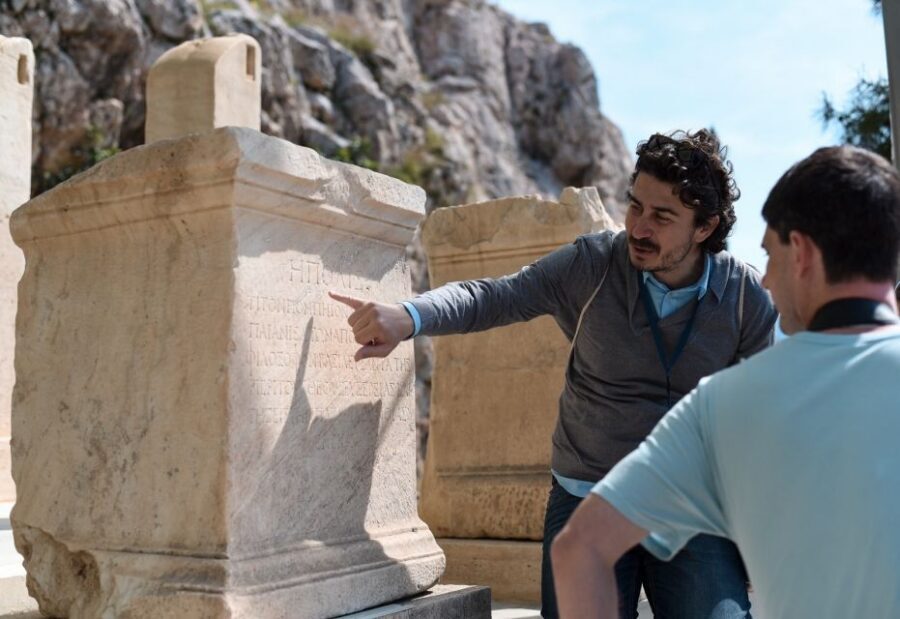
Then comes one of the Acropolis’ most iconic “you’ve arrived” moments: the Propylaea, the monumental marble gateway to the hill.
This isn’t just an entrance. The guide connects it to Athena Nike, the victorious goddess honored by Athenians. That word—victorious—changes the mood. You’re not simply walking into a holy area. You’re walking into a place that was tied to achievement, identity, and the public story Athens wanted to tell.
I love this kind of interpretation because it trains you to notice details without turning every stone into a homework assignment. The gateway becomes a thesis: Athens viewed itself through divine favor, and myth helped justify that worldview.
- All Day Cruise -3 Islands to Agistri,Moni, Aegina with lunch and drinks included
★ 5.0 · 4,958 reviews





The Parthenon: Myth as Identity and Political Vision
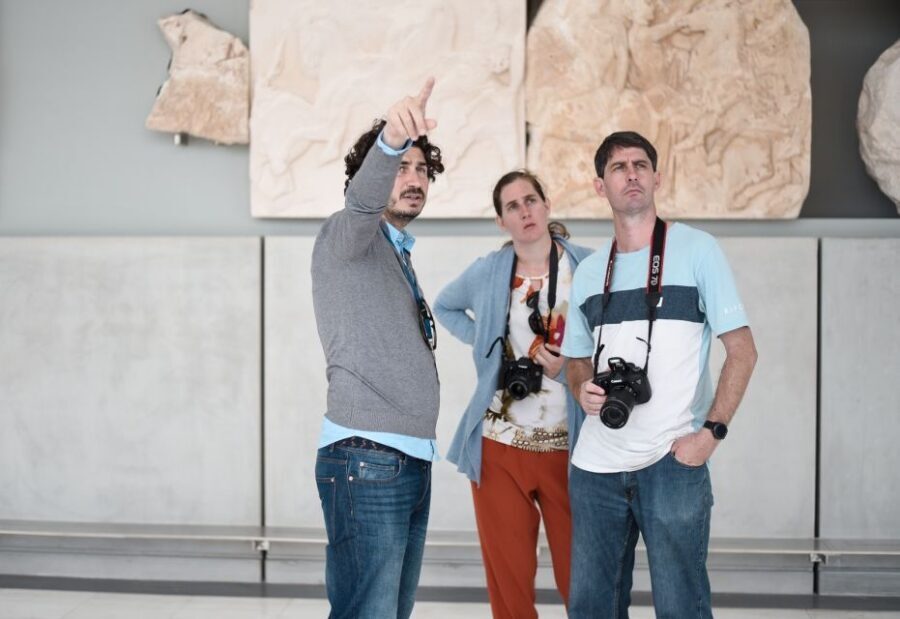
At the Parthenon, you’ll get the chance to explore how myth was woven into classical Athens’ values and political vision.
The Parthenon is often treated like a single highlight—see it, take photos, move on. With myth-focused guiding, it becomes something more useful: a symbol loaded with meaning. The guide helps you read the monument as part of a larger cultural strategy, where religious symbolism and civic image are tightly linked.
What you’ll enjoy most here is not just the monument’s scale, but the story behind why it mattered. You’ll get a sense of how myth could support ideas about order, leadership, and belonging.
One reality check: the Acropolis can be busy, and the climb and viewing angles can make it hard to slow down. A private guide helps because you can keep moving without losing context—your guide explains, then gives you time to look.
Erechtheion and the Athena-Poseidon Contest
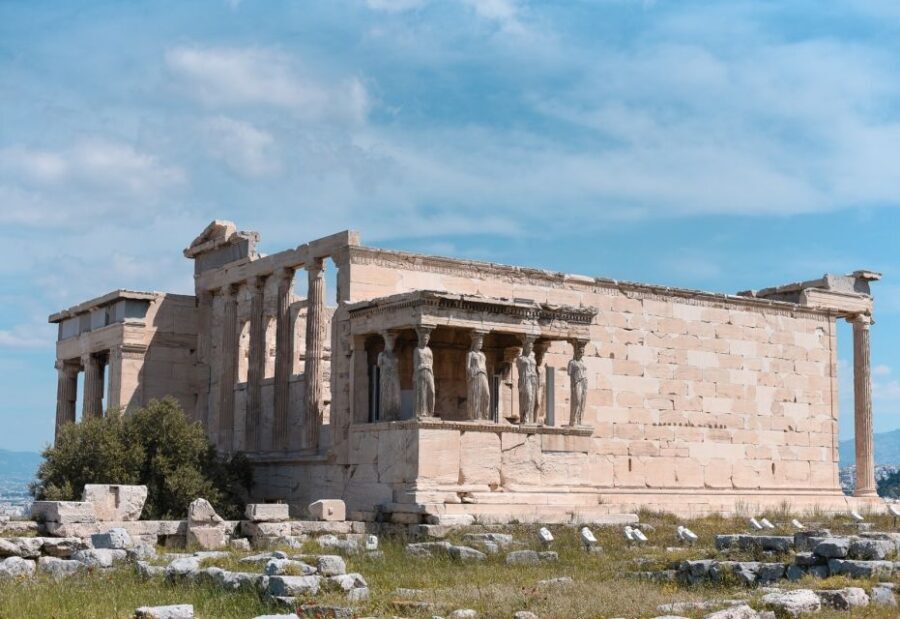
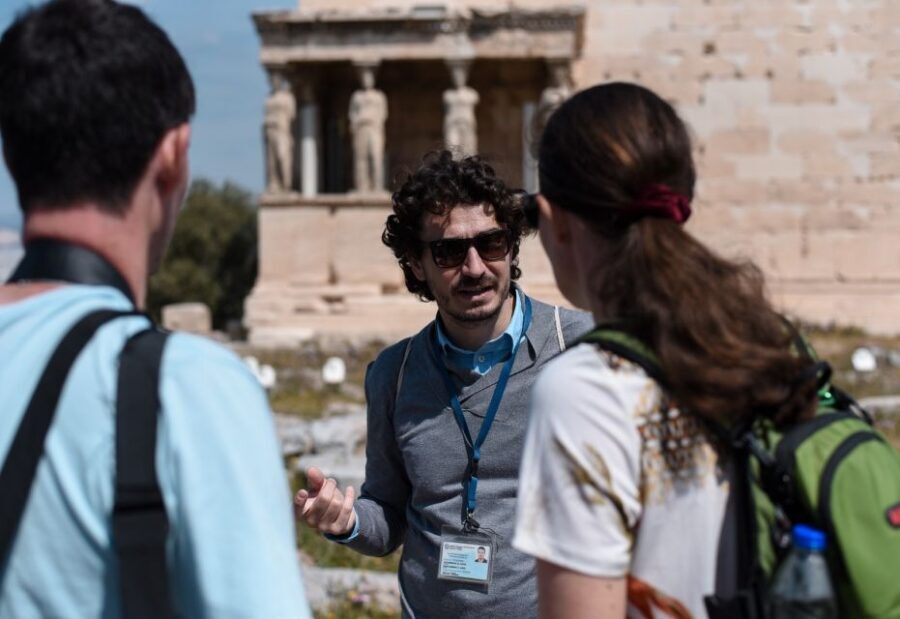
After the Parthenon, the route continues toward the Erechtheion, where the myth of Athena’s contest with Poseidon comes into focus.
This is where the tour balances “big political symbol” with “sacred myth site.” The contest story isn’t only about gods. It’s about choosing a patron and imagining the city’s future through myth. In practical terms, this is how Athenians explained why their city looked the way it did, and why certain divine relationships mattered.
If you enjoy Greek mythology because it blends morality, rivalry, and consequences, you’ll likely like this stop. It gives the city a personality, not just a history timeline.
Acropolis Museum: Artifacts That Make the Myths Physical
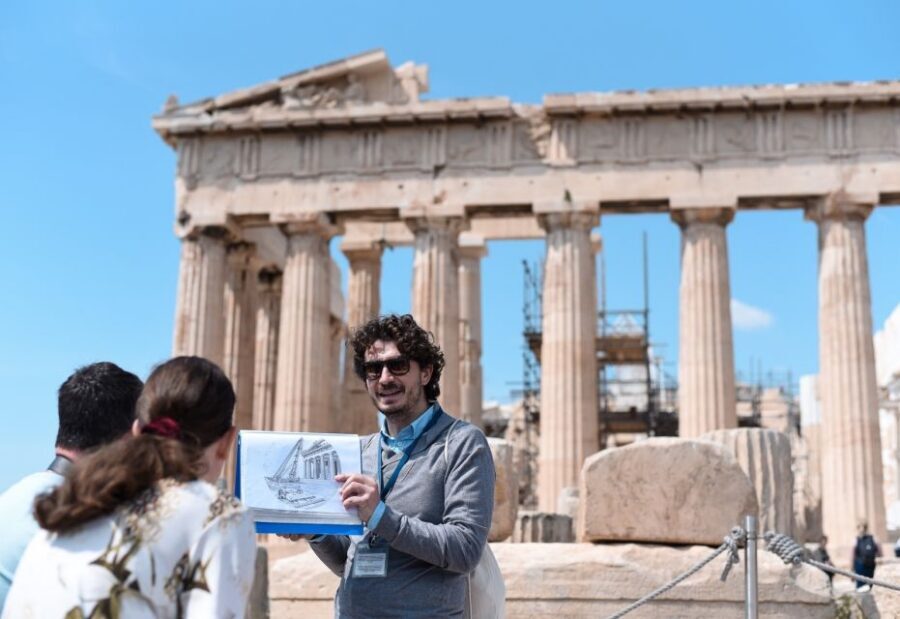
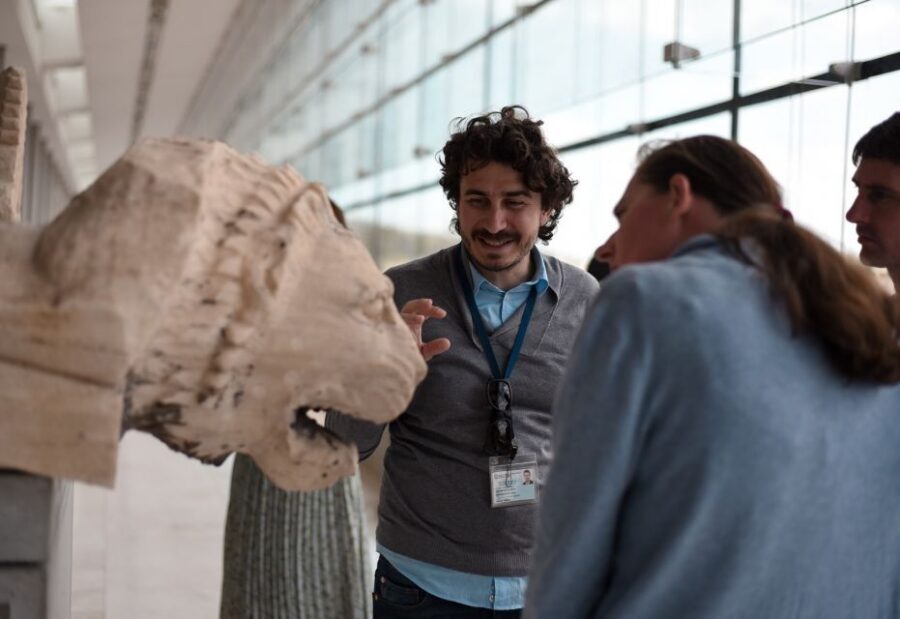
Your tour concludes in the Acropolis Museum, where the myth narrative gets anchored in the objects themselves. This is a big deal.
On the hill, you’re seeing a complex layout in dramatic lighting and variable crowd conditions. In the museum, you can sit with what the stories actually left behind: statues, treasures, and mythic artifacts that help the guide’s explanations feel real.
This is also where the museum approach becomes practical for your own independent exploring later. Once you’ve seen the key myth themes explained on-site, the museum displays stop being random archaeology and start being a language you can read.
Plan to take your time here. Two hours sounds like plenty, but the museum can encourage wandering. Since the tour is guided, you’ll get enough structure to cover major items without feeling rushed.
Price and Entrance Fees: Getting Real Value Out of the $518
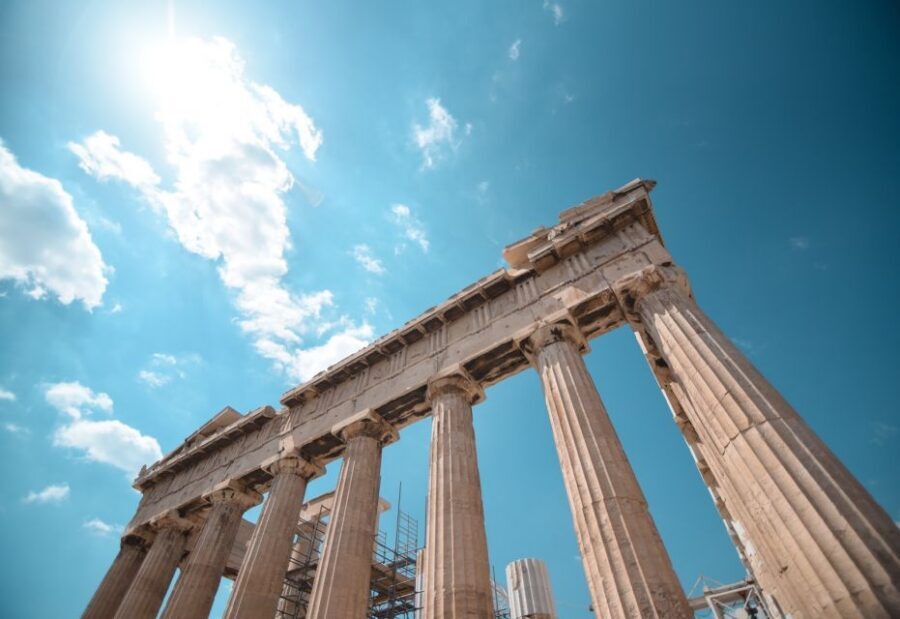
The price is $518 per group up to 2, for a 4-hour private tour with an English-speaking live guide. That pricing structure can be a good deal if you’re traveling with a partner or small group and you want the guide time to be fully yours.
Here’s the main value equation: you’re paying for storytelling + guided interpretation across both the hill and the museum. Without guidance, the Acropolis can feel like a famous list of monuments. With guidance, those monuments become connected scenes in a single myth-driven narrative.
The catch is important: entrance fees to the sites are not included. One traveler-style regret that can happen with experiences like this is assuming the base price covers everything. It doesn’t. And since the museum is part of the program, you should budget for museum and Acropolis entry separately.
My practical advice: before you go, check current ticket pricing and plan your cashless payment setup. Then the day feels smooth instead of annoying.
Who This Private Mythology Tour Is Best For
This tour fits best if you want more than sightseeing photos.
- If you like mythology but find it hard to remember names, this format helps because you’re given story context in the exact places where those ideas were honored.
- If your group includes mixed interests—someone wants monuments, someone wants stories—you get both without having to split up.
- If you’re traveling with teens, the narrative approach can work well, since it’s designed to keep attention moving rather than lecture-style history.
It’s not the best choice if anyone in your party has mobility limitations, because it’s not suitable for people with mobility impairments. Also, if you need frequent stops for breaks and food, you’ll want to plan around the no food and drinks rule.
The Guides: What Strong Storytelling Looks Like
One of the standout quality signals from past bookings is guide performance. Names that came up include Nino Tsavalos and TAVOUTI M. SAPFO, both described as engaging and informative across different experience levels.
That matters because myth tours live or die on explanation style. You want someone who can:
- connect myth to place without turning it into a textbook
- adjust pacing so you’re not lost in details
- keep momentum even when the Acropolis gets crowded
If your guide brings that energy, the tour becomes more enjoyable and less like a forced march.
Should You Book This Athens Mythology Tour?
Book it if you want your Acropolis visit to feel like a story with a beginning, middle, and payoff. The combination of Theater of Dionysus, Asklepieion, Propylaea, Parthenon, Erechtheion, and then the Acropolis Museum is a smart way to understand how myths were both cultural entertainment and civic identity.
Skip it or rethink it if entrance fees would be a surprise for your budget, or if you need a tour that is friendly to mobility needs. Also be aware of the no food and drinks rule.
If you can handle paying entry tickets separately and you’re excited by myths connected to real locations, this private format is a strong value play—especially for couples or two-person groups.
FAQ
What’s the duration of the Athens Mythology Tour of Acropolis & Acropolis Museum?
The tour lasts 4 hours, with guided time at both the Acropolis and the Acropolis Museum.
Is this a private tour?
Yes. It’s a private group tour, priced for up to 2 people per group.
Where do we meet the guide?
You meet at the entrance of Acropolis Metro Station on Makrygianni Street.
Does the tour include entrance fees?
No. Entrance fees to the sites are not included.
Is the tour guide live and in English?
Yes. You get a live guide and the tour language is English.
What are the main highlights on the Acropolis?
You’ll see the Theater of Dionysus, Asklepieion and Asclepius’ healing myths, Propylaea and Athena Nike, the Parthenon, and the Erechtheion with the Athena-Poseidon contest story.
Does the tour include the Acropolis Museum?
Yes. You’ll have guided time at the Acropolis Museum as the tour’s conclusion.
Are food and drinks allowed during the tour?
No. Food and drinks are not allowed.
Is the tour suitable for people with mobility impairments?
No. It is not suitable for people with mobility impairments.
What’s the cancellation policy?
You can cancel up to 24 hours in advance for a full refund, and you can also reserve now & pay later.

More Museum Experiences in Athens



More Tours in Athens

More Tour Reviews in Athens
- All Day Cruise -3 Islands to Agistri,Moni, Aegina with lunch and drinks included
★ 5.0 · 4,958 reviews