REVIEW · KATAKOLO
Half-Day Ancient Olympia VR Audio Tour from Katakolo Cruise Port
Book on Viator →Operated by Open Top Bus hellas M.E.P.E. · Bookable on Viator
Ancient Olympia, minus the guesswork. This half-day trip from the Katakolo cruise port is a smart way to reach the ruins with included entry tickets and a VR/audio experience built to add context as you walk. The two biggest wins for me are the easy, roundtrip transport (air-conditioned bus, clear meeting point with the Greka Land team) and the fact that you don’t have to hunt down tickets once you’re in Olympia. The main drawback to weigh is that the whole tech part depends on your own phone working smoothly, and some people report audio/VR glitches.
Expect 3 hours at the archaeological site plus museum time, then a short break in the nearby village. The tour is designed as self-guided inside the monuments (no live guide in the ruins), so the audio/VR setup matters a lot. If you show up prepared—charged phone, and ideally headphones—you’ll get the most out of the day.
In This Review
- Quick highlights from this cruise-day Olympia trip
- From Katakolo Port to Ancient Olympia in About 30 Minutes
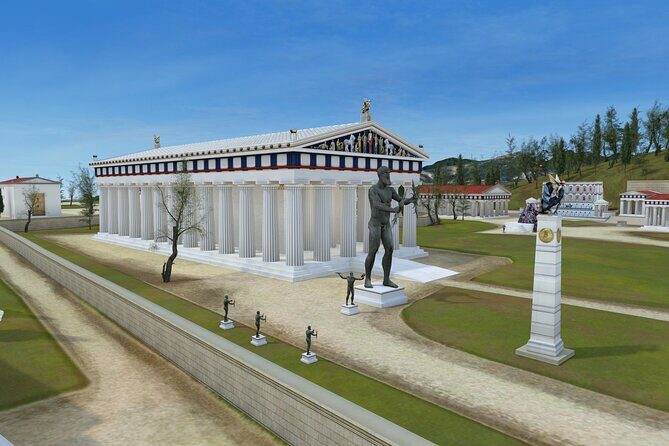
- Stop at Ancient Olympia: Ruins, Stadium, and the Olympics Backstory
- Museum Time: Statues, Artifacts, and Why Order Can Matter
- The Phone-Based VR/Audio Guide: Big Potential, Real-World Friction
- Olympia Village Stop: A Quick Reset by the Sea
- Price and Value: When $66.08 Makes Sense (and When It Won’t)
- Who This Tour Fits Best on a Cruise Day
- Real Tips to Make the VR Day Actually Work
- Should You Book This Katakolo to Olympia VR Audio Tour?
- FAQ
- How long is the tour from Katakolo to Ancient Olympia?
- What’s included in the ticket price?
- Is food or drinks included?
- Do I need to bring a phone for the VR/audio?
- Are live guides provided inside the monuments?
- What do you see at Ancient Olympia?
- Is the tour offered in English?
- How many people are on the tour?
- Where do I meet in Katakolo?
- Can I cancel and get a refund?
Quick highlights from this cruise-day Olympia trip
- Air-conditioned roundtrip bus that actually keeps the logistics simple on a cruise schedule
- Ancient Olympia entry tickets included along with museum admission, so you’re not scrambling at the gate
- VR and audio guide on your phone (no extra headset included), built to explain key spots as you move
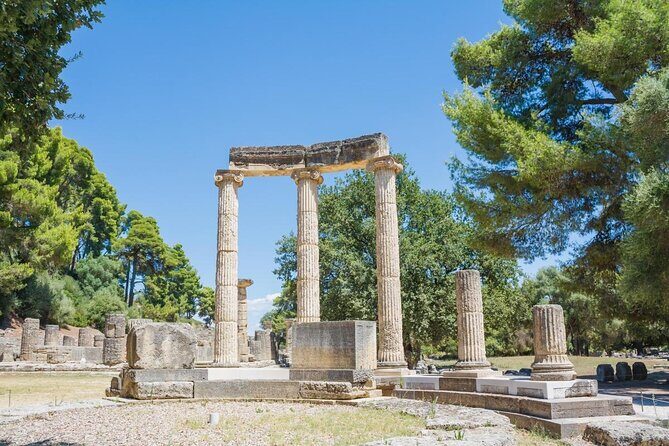
- Temple of Hera, Temple of Zeus, and the stadium area are the core “story stops” at the site
- Short time in Olympia village for coffee, snacks, and shopping nearby the ruins
- Group size capped at 40, which is good, though splitting across buses can still mean waiting
From Katakolo Port to Ancient Olympia in About 30 Minutes

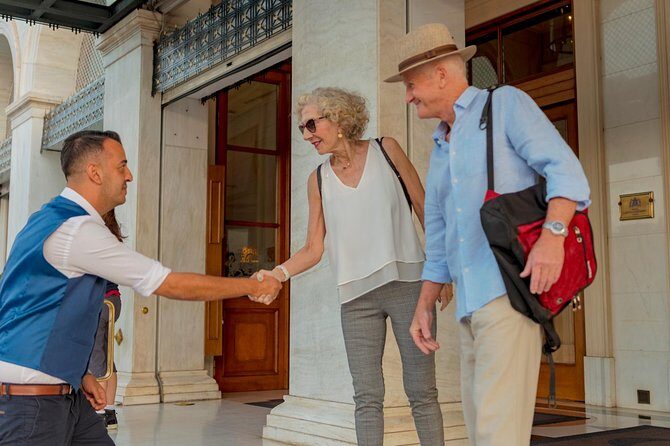
After you get off your ship, you’ll find the team about 5 minutes away at the cruise terminal exit. Your meeting point is at the shop called Greka Land, which helps a lot if Katakolo feels confusing at first (cruise ports often do). There’s also a clear reference point for the general area: J8W9+64 Katakolo, Greece.
Once you meet up, you board an air-conditioned bus with an English-speaking driver and escort. Then it’s a roughly 30-minute ride through the countryside to Ancient Olympia. That drive isn’t just time filling. It’s the first chance to switch gears from “vacation mode” into “okay, I’m really about to stand where the ancient Olympics happened” mode—especially if you’ve been reading the basics ahead of time.
One practical point: this is a half-day format, so you don’t have hours to recover from a slow start. If your phone needs ticket access, battery charging, or app setup, do it early on the bus while you have signal and time. In the same spirit, I’d keep your most important items close—power bank, headphones, and any screen-necessary voucher info—so you don’t start the ruins day frazzled.
You can also read our reviews of more tours and experiences in Katakolo.

Stop at Ancient Olympia: Ruins, Stadium, and the Olympics Backstory
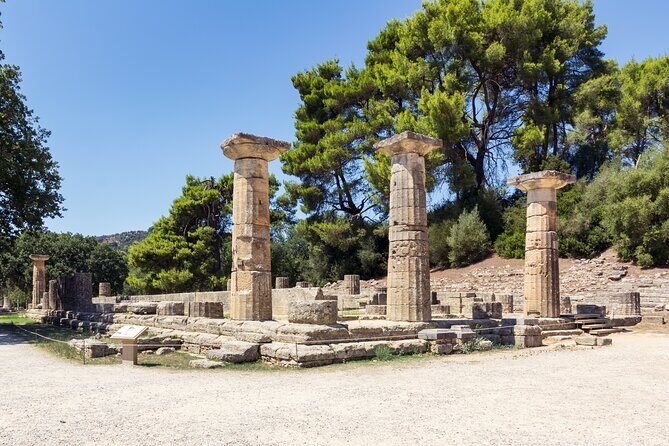
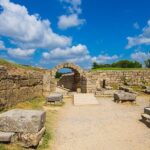
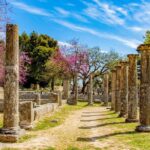
The main stop is the Archaeological Site of Olympia, and you’ll have about 3 hours there. This is where the trip earns its keep. Ancient Olympia isn’t just “old rocks.” It’s an organized set of religious and athletic landmarks tied to the original Olympic Games era, which ran from 776 BC to 393 AD.
Here’s what you’re set up to experience on-site:
- Temple of Hera: in front of it, the Olympic Flame is connected to modern-day Games ceremonies.
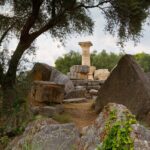
- Temple of Zeus: once home to the famous statue of Zeus described as a Golden and Ivory work (also tied to the Seven Wonders story).
- Stadium and Bouleuterion: the stadium is the athletic arena, while the Bouleuterion is linked to administration—also tied to the moment where competitors swore an oath to follow the rules.
The way this tour works is important: you enter the site and then you’re mostly self-guided. The audio/VR materials are the “voice” that links these landmarks into a story. When it’s working, it helps you place what you’re seeing in time—what was where and why it mattered.
The trade-off is that you’re moving through the site without a live instructor pointing and explaining in real time. That’s why tech reliability matters so much here. If the audio doesn’t play or the VR doesn’t load, you’re still in a world-class place—but you lose the built-in translation layer that’s meant to make the ruins readable.
Museum Time: Statues, Artifacts, and Why Order Can Matter
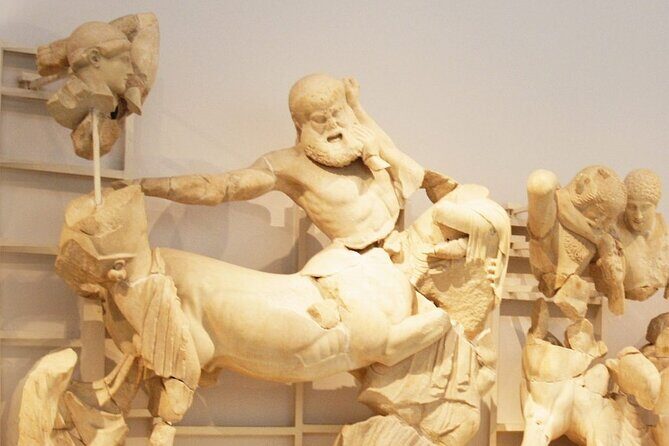
Your ticket includes entry to the museum as well, not just the outdoor ruins. The museum is often where Olympia suddenly becomes understandable, because you see the sculptural details and fragments that are hard to “read” outside.
In at least some runs, the museum may come first. I like that approach when it’s available: seeing the objects indoors first gives you a mental map before you walk among the ruins. One reviewer favorite was the museum’s display of major ancient works, including items like the Hermes of Praxiteles, Victory (Nike), and temple building facades. Even if you don’t recognize the names, you’ll likely feel the difference between seeing original stone fragments versus looking at empty foundations outdoors.
You’ll want to budget your energy. At Olympia, you walk, you stop, you look down and up, and you try to match the audio cues to physical structures. If your tech setup is delayed or your phone battery is low, museum time can shrink fast—so again, set yourself up early.
A smart move for your day: if you can choose your order, consider museum first, then ruins. If you can’t choose, don’t stress. The ticket includes both, and the ruins will still deliver. The goal is simply to avoid spending your first hour outdoors trying to connect dots that the museum would have made obvious.
The Phone-Based VR/Audio Guide: Big Potential, Real-World Friction
This is the heart of the tour, and it comes with a big “check your setup” warning. The VR/audio is delivered through your own phone, using a VR application plus an audio guide. In the tour details, you’ll see language options mentioned as 8 languages in the package inclusions, with another description referring to up to 10 languages—so at minimum, confirm English is included for your session.
How it’s meant to work (when it’s working well):
- Some versions of the experience use the phone so that as you point it around and move through the site, it triggers audio clips tied to what you’re looking at.
- You may need to be standing in the right spot for the content to trigger cleanly.
- People report that using your own phone feels simpler than older-style headset setups, since you’re not dealing with extra hardware.
What can go wrong (and what to do about it):
- A common issue is audio not playing or VR app not loading. When that happens, the tour can feel like transportation plus a ticket—still a great place, but not the value you paid for.
- Battery is a real risk. Several people noted that using their phone for the experience drained power, so plan to charge before you arrive and carry a backup battery if you can.
- Some people also mention needing international cell service for the app/audio to function properly. That doesn’t mean it will be required for everyone, but it’s a reason to treat the day like you’re going to have spotty connectivity.
- Headphones matter. One recurring frustration is that it wasn’t always clear beforehand that headphones are needed. The fix is easy: bring wired headphones or Bluetooth headphones that are already paired to your phone.
If you’re traveling with someone, consider sharing carefully. More than one review described needing to share a phone, which isn’t ideal if the app is picky. If you’re a two-person group, plan on each person having their own device if the budget allows.
And one more expectation check: this tour does not include a live monument guide. If the app fails, you may be on your own to interpret the ruins via signage and museum explanations.
Olympia Village Stop: A Quick Reset by the Sea
After the ruins and museum time, you’ll get a short stop near the modern village of Olympia. It’s listed as about 30 minutes, with the practical advantage that you’re close enough to find something simple: shopping, souvenirs, and an easy place to grab coffee, snacks, or lunch.
Food and drinks are not included, so this is one of your few chances to eat without turning the day into a scavenger hunt. Even if you’re not hungry, stepping into the village area helps. Olympia can be mentally heavy—temples, statues, rules, oaths, and centuries piling up. A short break makes the end-of-day return to Katakolo less stressful.
When you’re done, you return to Katakolo by bus, with around another 30 minutes of driving. Then you finish back at the meeting area and can either re-board your ship or spend a bit of time in the village by the sea if your timing allows.



Price and Value: When $66.08 Makes Sense (and When It Won’t)
At about $66.08 per person, this tour is priced like a “cruise-day convenience + tickets + tech experience” package. That’s not cheap. But the value math can work in your favor because the entry tickets for both the archaeological site and the museum are included, and you get roundtrip transport from the port.
Where the price can feel heavy is exactly where the app can fail:
- If you end up without working VR/audio, the tour becomes mostly transport plus admission.
- If your phone struggles (loading, battery, connectivity), you may lose the very feature you paid extra for.
So here’s my practical take. If you’re comfortable using your phone as a guide, and you can bring the basic tech supplies (charged phone, power bank, headphones), this can be good value. If tech reliability makes you nervous, you might prefer a more traditional guided option where the explanation doesn’t depend on an app.
One clue for decision-making: in the reviews, the people most positive about the day tend to describe the audio/VR as the star of the experience. The people most disappointed focus on non-working features as the reason the tour felt overpriced. Your best bet is to walk into it prepared so you don’t end up in the second category.
Who This Tour Fits Best on a Cruise Day
This is a solid choice if you like structure but also prefer exploring at your own pace. You get the transport and the tickets, then you have freedom inside the ruins with the audio/VR as your guide.
It also tends to fit well when:
- You enjoy self-guided museum time and can read signage.
- You want context while you walk (instead of just looking at columns and foundations).
- You’re traveling on a tight cruise schedule and want predictable timing.
It may be less ideal if:
- You rely on your phone for everything and worry it might run out of battery.
- You strongly want a live guide talking through the monuments moment by moment.
- You don’t want tech dependence on a day when signal and phone performance can vary.
On group dynamics: the tour caps out at 40 travelers, which sounds manageable. Still, some departures can split across more than one bus. If you hate waiting in lines, be ready for the reality of cruise-day crowds.
Real Tips to Make the VR Day Actually Work
If you want this experience to earn its keep, do these things before you reach Olympia:
- Charge your phone before you leave the ship area. Bring a power bank if you have one.
- Bring headphones. Even if you’re not sure how it’s provided, assume you’ll need audio privacy and clarity.
- Test your app setup early while you’re on the bus or just after arrival. Don’t wait until you’re deep in the ruins.
- If you have a choice in your route, consider museum first so outdoor ruins make more sense as you walk.
- Keep your own device management simple: update your phone earlier if you can, and close background apps so you don’t run into memory or loading problems.
- If you’re asking the guide for help, do it early. Guides like Chrysi and George were praised for being patient and for helping people figure out setup, including assisting with VR/audio use and ticket readiness.
The best part of Olympia is the place itself. The audio/VR is the layer that makes it easier to understand quickly. Your goal is to make that layer dependable.
Should You Book This Katakolo to Olympia VR Audio Tour?
Book it if you want a half-day plan that includes tickets and transport and you’re excited about using a phone-based VR/audio guide to connect the ruins to the story of the original Games. It’s especially worth it if you’ll feel comfortable troubleshooting basic phone issues (battery, headphones, app loading) and you like the rhythm of self-guided wandering.
Skip (or consider a more traditional guided option) if you strongly prefer a live explanation on-site, or if you know your phone often struggles with apps in new places. Because when the VR/audio fails, you’re left with a great archaeological site—but not the “technology-enhanced” value you’re paying for.
If you do book, come prepared: charged phone, headphones, and a calm mindset. Olympia rewards you either way. The VR/audio just decides how fast you’ll understand what you’re looking at.
FAQ
How long is the tour from Katakolo to Ancient Olympia?
The tour is listed as about 4 hours 30 minutes.
What’s included in the ticket price?
You get roundtrip transportation in an air-conditioned vehicle, virtual reality application and an audio guide (English is offered; other languages are listed), an English-speaking driver and escort on the bus, and entry tickets to the archaeological site and the museum.
Is food or drinks included?
No. Food and drinks are not included.
Do I need to bring a phone for the VR/audio?
The experience uses a VR/audio guide format tied to the phone experience described, and you should plan around using your own phone.
Are live guides provided inside the monuments?
No. A live guide in the monuments is not included, so you rely on the audio/VR and on-site signage.
What do you see at Ancient Olympia?
You’ll visit key areas including the Temple of Hera, the Temple of Zeus, the stadium, and the Bouleuterion, tied to the story of the Olympic Games era.
Is the tour offered in English?
Yes. English is the offered language for the experience.
How many people are on the tour?
The maximum group size is listed as 40 travelers.
Where do I meet in Katakolo?
You meet at the shop Greka Land at the exit of the cruise terminal. The area is referenced by J8W9+64 Katakolo, Greece.
Can I cancel and get a refund?
Free cancellation is available up to 24 hours in advance for a full refund, and the experience can be changed or refunded if canceled due to poor weather.