REVIEW · KATAKOLO
Private Olive Oil Tour & Tasting with Lunch from Katakolo
Book on GetYourGuide →Operated by Theocar · Bookable on GetYourGuide
Olive oil tastes better when you see it made. From Katakolo, this private tour ties together a working olive oil mill plus a tasting session and a traditional Greek lunch in the Olympia region. You’ll learn how olives become oil, what to look for when choosing an oil for cooking, and get to sample olive flavors with simple, very Greek pairings like rosemary, garlic, lemon, and fresh bread.
I especially like the hassle-free private roundtrip transfer—a driver meets you with your name, then handles getting you there and back to the cruise port area. I also like that the experience is guided by an English-speaking olive oil expert, so you’re not just tasting blindly; you’re guided through what the flavors mean. One consideration: the total time is about 5 hours, so the pace is efficient. You’ll see a lot, but you won’t have the kind of time you’d want for long wandering in Krestena.
In This Review
- Key things to know before you go
- From Katakolo Port to the Olive Press Museum
- The Olive Oil Mill Experience: Press, Museum, and Modern Production
- Tasting Green Gold: Olives, Bread, and Learning to Choose for Cooking
- Krestena Village Time and a Traditional Lunch Under the Trees
- How the 5-Hour Private Schedule Works (Without Feeling Rushed)
- Price and Value: What $124 Really Buys You
- Who This Tour Fits Best (And Who Might Want Something Else)
- Should You Book the Private Olive Oil Tour from Katakolo?
- FAQ
- How long is the private olive oil tour from Katakolo?
- Is roundtrip transportation included?
- What happens at the olive oil mill?
- What’s included in the lunch?
- Are there tastings during the tour?
- Is this tour private and wheelchair accessible?
Key things to know before you go
- Open-air press museum at the olive oil site, with around 100 years of history on display
- Guided tasting focused on learning how to choose olive oil for cooking, not just sampling
- Video of the harvest/production process shown at the mill to connect the steps
- Lunch with local flavor served as a traditional meal under the trees
- Krestena stop includes a short guided walk and market time for shopping and food tasting
- Private, air-conditioned transport with bottled water and pickup/drop-off from multiple locations
From Katakolo Port to the Olive Press Museum
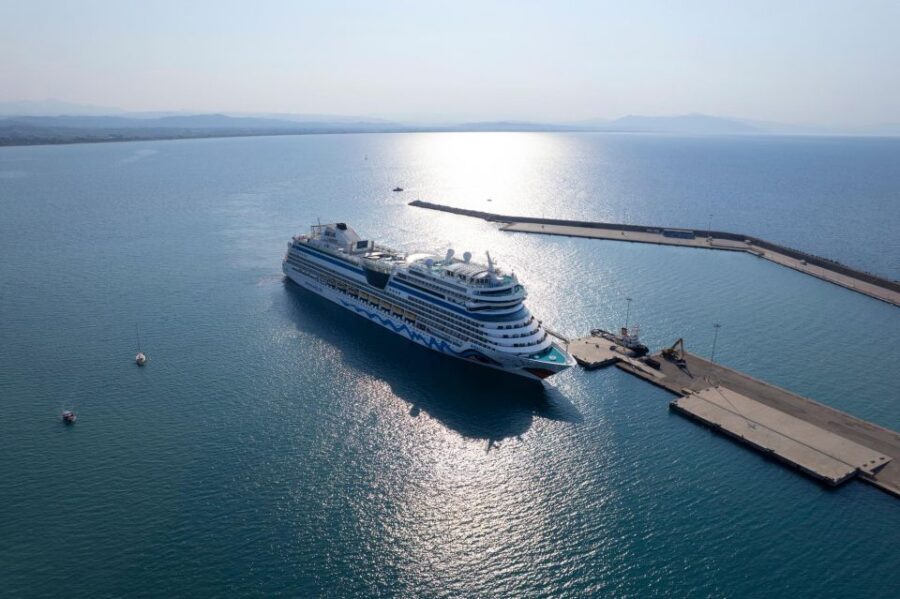
This tour starts the easy way: you meet your driver near Katakolo port, then get into a comfortable car or van ready for just your group. You’re not trying to figure out buses or schedules in a place you may only visit for a few hours. The driver waits with a sign showing your name, and if you choose a hotel meeting point, they wait at reception.
Once you’re on the road, the focus shifts from getting there to what makes the day feel “Greek” in a grounded way. This isn’t a quick photo stop at an attraction. You’re heading into the olive-producing countryside tied to ancient Olympian ground—quiet, green in feel, and very tied to daily life rather than staged entertainment.
A practical note: since the tour time is set to about 5 hours, plan your day so you can meet on time and move with the group. If you’re on a cruise, this kind of controlled schedule is a big advantage because you’re not betting your return timing on public transport.
You can also read our reviews of more food & drink experiences in Katakolo
The Olive Oil Mill Experience: Press, Museum, and Modern Production
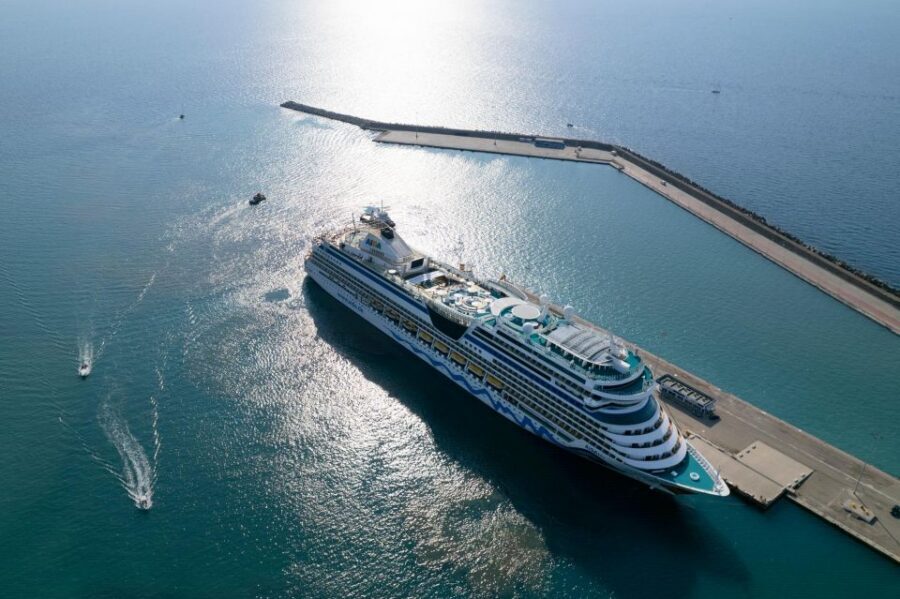
At the olive oil facility, you get two layers of seeing olive oil made. First is the open-air press museum—100 years of history you can walk through and connect to the product you’ll taste later. You’ll see how the olive press and production steps relate to the olive tree, from growth through pressing, storage, and bottling.
Then you shift into the modern side of the operation. The tour moves from traditional machinery and explanations into the latest processing equipment and production setup. A video is shown as well, covering the harvest and production in progress. That combo helps you connect the dots: old methods explain the “why,” and modern machinery helps explain the “how” at scale.
What I like here is that the tour doesn’t treat olive oil like magic dust. You learn the chain of steps. Even if your cooking style is simple, that context makes the tasting more meaningful because you’ll understand where flavor comes from and why different oils can behave differently in a recipe.
If you’re the type who likes hands-on explanations, this is more satisfying than a showroom-style tasting. You’re guided through the process on-site, then brought into the tasting portion with a clearer sense of what you’re sampling.
Tasting Green Gold: Olives, Bread, and Learning to Choose for Cooking
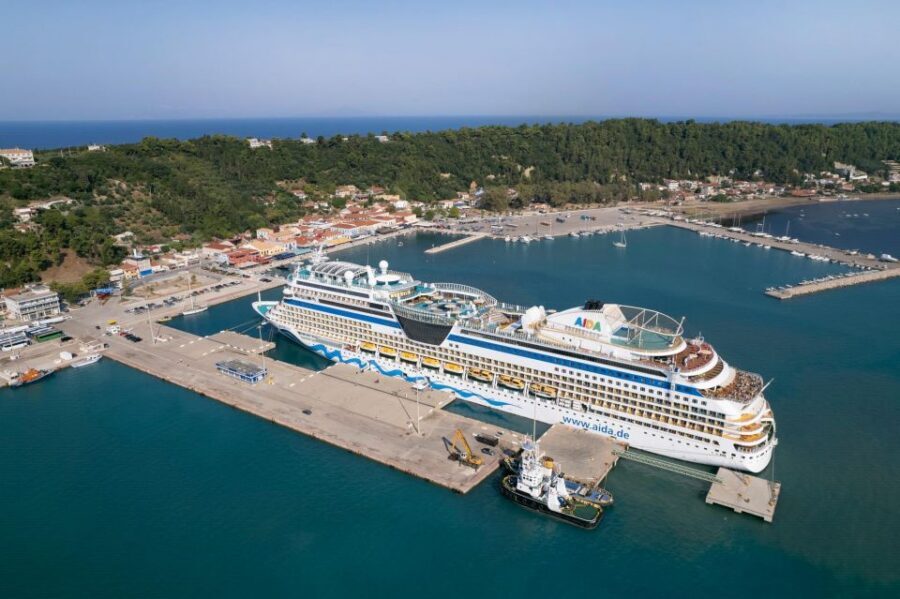
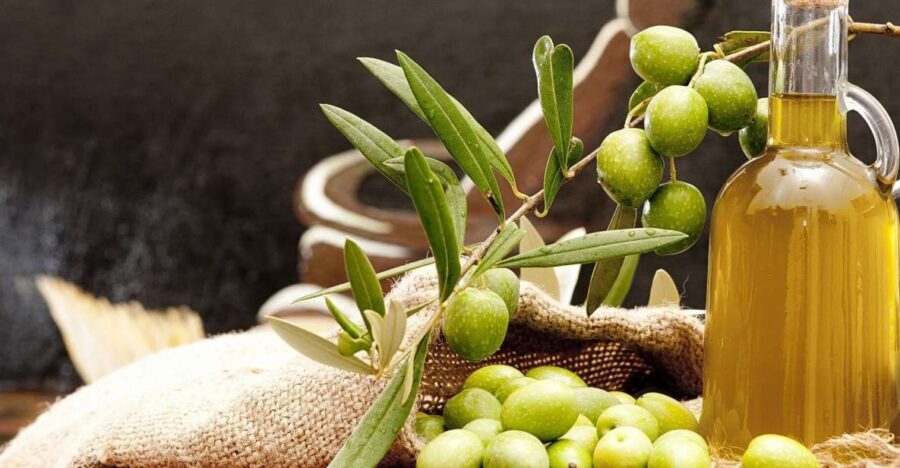
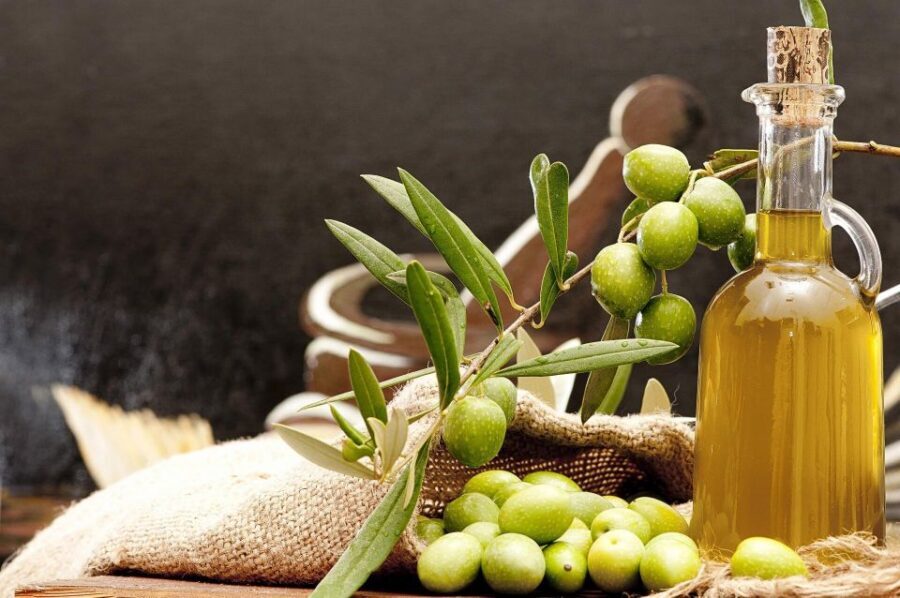
The tasting is where you stop being a spectator and start making sense of flavor. At this mill experience, you’ll sample olives paired with rosemary, garlic, and lemon, served with fresh homemade bread. This kind of pairing is useful because it shows you how Greek ingredients work together—salty, herbal, bright, and simple.
But the main value isn’t only the samples. The experience is set up to teach you how to choose the best olive oil for your cooking. You’re guided by an English-speaking hostess and olive oil expert who keeps the vibe positive and explains what to pay attention to.
In other words, you’re not just collecting small cups and moving on. You’re being coached toward a practical takeaway: how to match an oil to how you’ll use it. That’s the real souvenir here. It changes what you buy after the tour, and it helps you feel confident using olive oil beyond pouring it blindly over salad.
Based on the guide style seen in past groups, this part can also be surprisingly personal. People have mentioned guides like Demetrius for going above and beyond, and Paul for being friendly and accommodating. That matters because tasting can feel awkward if nobody helps you interpret what you’re sensing. With a knowledgeable guide in the room (and a hostess who speaks English), you’re more likely to leave with actual clarity.
Krestena Village Time and a Traditional Lunch Under the Trees
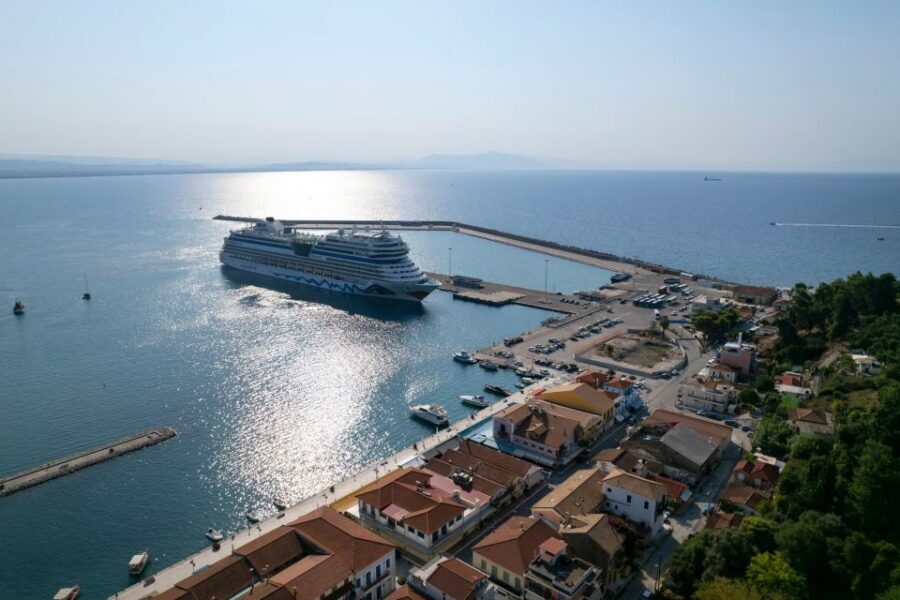
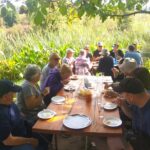
After the olive oil mill, you’ll ride to a Greek traditional village area for lunch. The lunch is traditional and included, and it’s served under the trees, which gives it a calm, relaxed pace—exactly what you want after time in a production facility.
Once you arrive, there’s also time in Krestena built into the plan. You get a guided tour element and time for shopping. You can also wander on your own, then visit a food market as part of the experience, along with food tasting options during that stop.
This is the part of the tour that gives you a “local rhythm” without forcing you into a long day. You’re not trapped in a restaurant the whole time, and you’re not sent off without context either. The short market window is especially useful if you like food shopping, because you can pick up items that are relevant to what you just learned—olive oil, local snacks, or other small edible souvenirs.
A drawback to keep in mind: Krestena time is limited. If you love browsing slowly or want long conversations in shops, you may want to treat this stop as a taste of the town rather than a full day in it.
How the 5-Hour Private Schedule Works (Without Feeling Rushed)
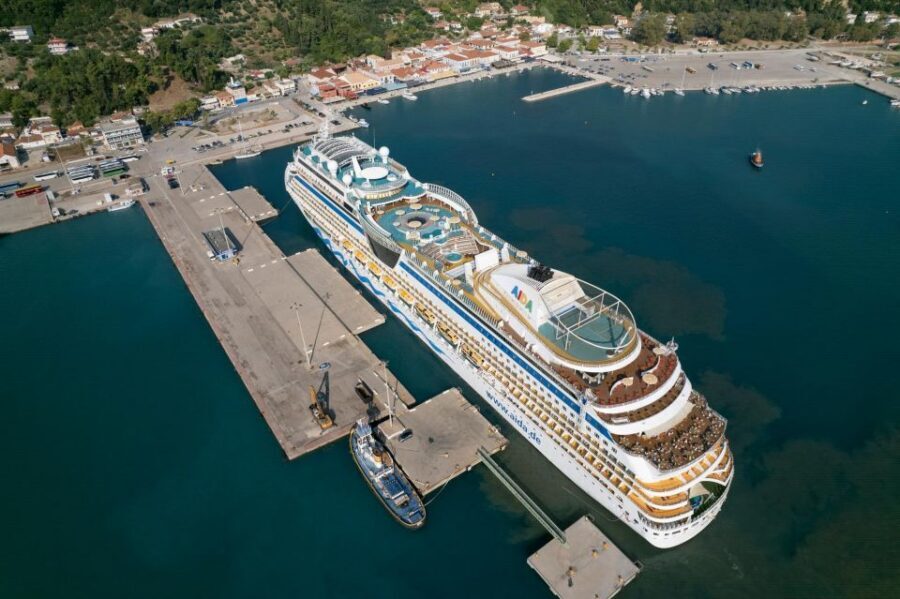
The tour runs for about 5 hours, and that’s the balancing act. You do a lot: mill visit with museum and video, tasting, then lunch and a short Krestena exploration, then return to the port area. Because it’s private, the experience feels tailored to your group rather than squeezed into a larger bus schedule.
The transportation is also built for comfort: air-conditioned vehicle, bottled water, and a driver who speaks English and Greek. That makes a big difference if your Greek is limited or you want to ask quick questions during the ride.
For cruise passengers, the structure is also a comfort. Pickup is at Katakolo port (or one of several nearby meeting options), and you’re dropped back at your selected location at the end. If you’re visiting Olympia-area sites on a tight ship day, this “controlled loop” approach is a smart way to reduce stress.
For non-cruise visitors, the private transfer still helps you avoid the common headache of regional sightseeing—limited public transport and timing gaps. You get the best of both worlds: real on-site experience plus reliable logistics.
You can also read our reviews of more private tours in Katakolo
Price and Value: What $124 Really Buys You
At $124 per person, you’re paying for more than a tasting flight. Here’s the practical value breakdown:
- Private transportation in a comfortable car or van (not shared with strangers)
- Guided olive oil tour plus museum entry
- Tasting experience connected to learning how to choose olive oil
- Traditional lunch included
- Bottled water, plus all fees and taxes
When you put it this way, the price starts to make sense. Olive oil tastings can be cheap when they’re just a short stop. But this includes a full mill visit with an open-air press museum, a guided explanation with an olive oil expert/hostess, and lunch plus transport.
For couples, this can be especially good value because you’re getting private logistics without paying for a full-day private charter. For solo travelers, the main value is convenience and structure. You don’t have to coordinate how to reach the mill and then where to eat.
If you’re the kind of visitor who wants one meaningful experience rather than five rushed stops, this is a good fit for the money you spend.
Who This Tour Fits Best (And Who Might Want Something Else)
This tour suits you if you want an authentic Greek food experience with real context. It’s also a strong match if you:
- care about learning rather than just sampling
- want a guided visit inside a working production environment
- like the idea of taking a culinary skill home (how to choose olive oil)
- are time-limited, especially on cruise days
You might want to consider something different if you dislike structured itineraries. The day is planned and timed, and Krestena time is compact. It’s not designed for long indecisive wandering or a slow-paced second lunch.
Also, if you’re very sensitive to group schedules, remember it’s a private group but still follows a set tour flow—pickup, mill, tasting, lunch, then return.
Should You Book the Private Olive Oil Tour from Katakolo?
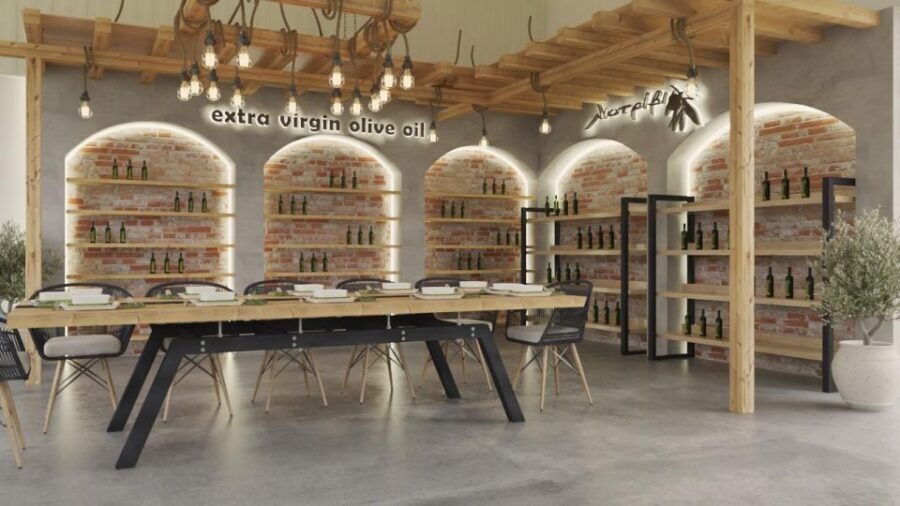
If your ideal day includes a guided olive oil lesson, a real production visit, and a traditional meal you can actually enjoy, I think you should book this. The big win is the mix: museum + modern facility + video + tasting, then lunch and a short village market stop. It’s built to give you something useful, not just pretty.
Book it with extra confidence if you want low-stress logistics from Katakolo port. The driver meet-up setup and the fact you’re returned to your chosen drop-off location make it feel dependable.
I’d only hesitate if you know you need more than about 5 hours to truly enjoy a destination. If you’re okay with a focused, efficient day, this tour offers solid value and a kind of food experience you’ll remember when you’re cooking later at home.
FAQ
How long is the private olive oil tour from Katakolo?
The tour lasts about 5 hours.
Is roundtrip transportation included?
Yes. You get private transportation with pickup from your selected meeting point and drop-off back to one of the included locations.
What happens at the olive oil mill?
You’ll visit the olive press open-air museum (with around 100 years of history), see modern processing facilities, watch a video about harvest and production, and take part in tastings and guidance on choosing olive oil for cooking.
What’s included in the lunch?
A traditional Greek lunch is included, and it’s served under the trees.
Are there tastings during the tour?
Yes. You’ll taste olive oil, and you’ll also taste olives with rosemary, garlic, or lemon alongside fresh homemade bread. There’s also food tasting time during the Krestena stop.
Is this tour private and wheelchair accessible?
It’s a private group, and it’s listed as wheelchair accessible.