REVIEW · KATAKOLO
Full Day Shore Excursion in Katakolon and Olympia
Book on GetYourGuide →Operated by Theocharis stathopoulos · Bookable on GetYourGuide
Olympia can feel huge from a distance. This tour gives you a tight, human-sized route through it. You start with Olympia archaeological time plus museum viewing, then keep moving through rural farm life, Orthodox religion, local food, and even a swim at St Andrew beach. I like how the day isn’t just sites on a map—it’s also hands-on tastes, like pancakes with homemade honey, and real farm production stories.
Two things I really like: first, you get a focused Olympia visit (about 2.5 hours) with clear stops like the Temple of Zeus, the stadium area, and museum highlights such as the Hermes of Praxiteles statue. Second, the tour connects agriculture to what you see and eat later, including honey production at Klio’s farm and the olive oil angle at the Magna Grecia farm wine experience. One possible drawback: a licensed on-site guide inside the Olympia site/museum isn’t included, so you’ll rely on your group guide plus the provided guidebook—and if you want a deep specialist talk for every artifact, you may feel a little more “DIY” than you expect.
In This Review
- Key Things That Make This Katakolon Shore Day Worth It
- Olympia First: Stadium, Zeus, and the Museum You’ll Actually Have Time for
- Klio’s Honey Farm: Pancakes, Production, and Greek Hospitality in a Rural Setting
- Magna Grecia Farm: Wine Tasting Plus Olive Oil Knowledge (Not Just a Short Pour)
- Kremasty Monastery: A Real Orthodox Stop, Not a Photo-Only Detour
- St Andrew Beach Swim: Quick Reset with Clean Water and Rocks Around You
- Price and Logistics: What $436 Per Group Really Buys You
- Who This Katakolon Shore Tour Suits Best
- Should You Book This Tour?
- FAQ
- How long is the Katakolon and Olympia shore excursion?
- What’s included in the tour price?
- What entrance fees should I expect to pay separately?
- Do I get time to swim?
- What should I bring for the day?
- Are there restrictions on what I can bring?
Key Things That Make This Katakolon Shore Day Worth It
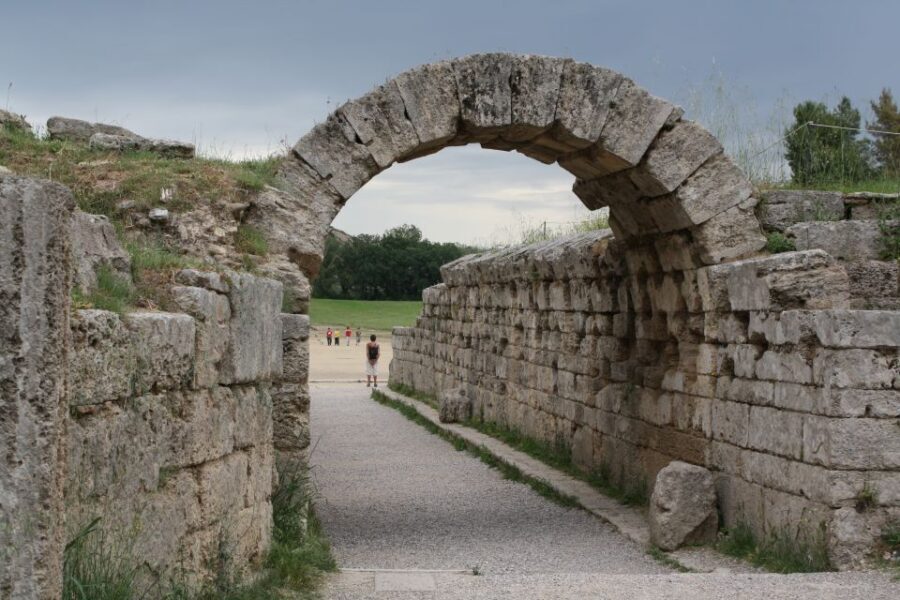
- Olympia + museum in ~2.5 hours, timed for a port-day schedule
- Klio’s honey farm with a practical look at how honey is made and a honey-tasting treat
- Wine and olive oil production at Magna Grecia farm, not just a sip-and-go stop
- Kremasty monastery for a clear look at Greek Orthodox religion in daily life
- St Andrew beach swim, short and sweet, with time to relax and reset
- Professional, punctual small-group transport, reported repeatedly across guide reviews
Olympia First: Stadium, Zeus, and the Museum You’ll Actually Have Time for
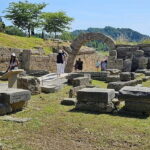
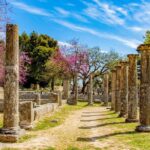
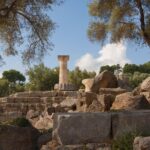
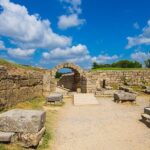
Olympia is one of those places that can swallow a day if you’re not careful. This tour helps you make it work by arriving early in the itinerary and giving you about 2.5 hours for the archaeological site and museum. That’s a sweet spot for most people: enough time to feel the scale and still not sprint.
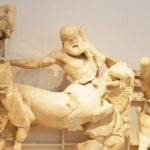
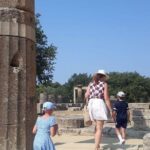
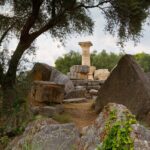
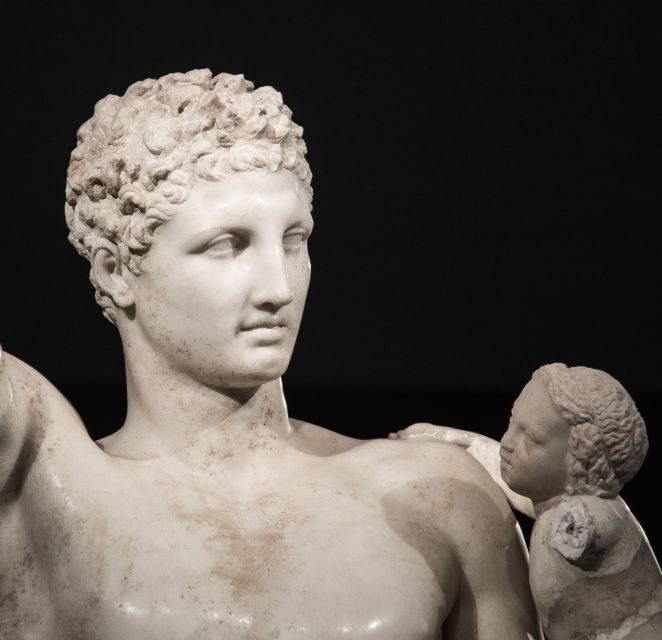
On the archaeology side, you’ll be guided through the big picture: the birthplace setting of the Olympic Games, the Temple of Zeus area, and the stadium footprint. You’ll also see major sculptural and historical references tied to daily ancient life and sport. The itinerary specifically calls out the Hermes of Praxiteles statue as a museum highlight, along with other museum artifacts. That matters because the museum helps you understand what you’re seeing outside, instead of leaving you with only ruins and head-scratching.
Here’s the practical part: the tour includes an entry-ticket line-skip at the cashier for tickets. It won’t erase the need for patience everywhere, but it can remove one common delay that can crush a port-day schedule. You’ll also get a guidebook (available in different languages) to help you navigate at your own pace once you’re inside.
The main consideration: a licensed guide within the Olympia site and museum isn’t included. That doesn’t mean the visit will be empty or confusing. It does mean you should use the guidebook and ask questions when your tour guide is with you—especially about what you’re looking at in the museum. If you’re the type who wants an official expert talking you through every statue label line-by-line, you might want a different option. For most people, though, this setup is a realistic way to get the big hits without burning half the day.
You can also read our reviews of more tours and experiences in Katakolo.
Klio’s Honey Farm: Pancakes, Production, and Greek Hospitality in a Rural Setting
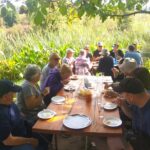
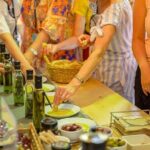
After Olympia, the day shifts gears. The honey stop at Klio’s place is where you slow down and get a different kind of learning. This isn’t just a shop stop; you’re visiting a rural house where the hosts explain how honey production works. The atmosphere is described as warm and charming, and the honey tasting part is tied to the production story, not just a quick sample.
You’ll learn the process of making local honey and get a hands-on sense of what “local” means here. Then you’ll taste something simple but memorable: local pancakes served with homemade honey. It’s a small detail, but it’s exactly the kind of food moment that makes port days feel less like a checklist.
An entrance fee applies for this stop (it’s listed as €12 per adult). That’s worth factoring into your overall day cost, especially if you’re comparing “included” vs “on-site” spending.
The other practical thing: this part of the tour is usually more relaxed than archaeology. You can catch your breath, talk with the hosts, and get your bearings before the next drive.
Magna Grecia Farm: Wine Tasting Plus Olive Oil Knowledge (Not Just a Short Pour)
Next comes the farm experience at Magna Grecia farm. This stop is built around wine tasting, with owners also sharing the harvesting and production process for homemade olive oil. That combination is smart for two reasons.
First, it helps you understand Mediterranean agriculture as a system. Honey, grapes, and olives aren’t separate tourist themes—they’re part of a shared landscape of farming and food culture. Second, olive oil production ties directly into what you’ll likely see and taste in a Greek meal later.
The itinerary notes that Greek local lunch can be served then, or you might go to another local restaurant option for lunch, depending on how the day runs. That flexibility can help when port time gets tight or when food timing matters to your group.
There’s also an entrance fee for the winery/olive press portion (listed as €20 per adult). If you add up the likely extra fees for adults, it comes out around:
- Olympia entrance: €20 per person
- Winery/olive press: €20 per adult
- Honey farm: €12 per adult
So the tour price isn’t the full picture, but it is still the backbone of your day: transport, port pickup/drop-off, bottled water, skips on parts of ticket lines, and a guided itinerary connecting all these stops.
I’ll give you the “value-thinking” angle: with a shore excursion, you’re paying for time management. Driving to multiple locations, keeping the sequence logical, and fitting in a museum visit plus food moments is hard to copy on your own—especially when ships have fixed arrival and departure windows.
Kremasty Monastery: A Real Orthodox Stop, Not a Photo-Only Detour
Then you head to the Kremasty monastery. This is the religion-and-culture stop, and it’s a useful contrast to the food/farm rhythm. You get a chance to feel Greek Orthodox religion in practice, not just as an architectural style.
What I’d watch for here is the atmosphere more than a single object. Monasteries often change the tempo of a day—less “tour pace,” more quiet observation. Even if you’re not a religion-history expert, you can still understand what daily worship and monastic life looks like through respectful behavior and attention to how people move through the space.
The itinerary doesn’t specify a long time block for this stop, but it’s typically enough to see the key parts without exhausting the group before the beach.
Practical tip: dress for both comfort and respect. You’ll be walking around in outdoor light at other points too, so think “comfortable shoes” first and weather second. The tour explicitly lists bringing sunglasses and sun protection, which is a clue you’ll likely be in strong daylight for at least part of the day.
St Andrew Beach Swim: Quick Reset with Clean Water and Rocks Around You
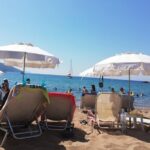
The final stop is St Andrew beach, with time for a quick swim. The description emphasizes clean water and a rocky setting. That combo can be a plus for a short swim because the beach environment feels more “real coastline” than a manicured resort edge.
This is also the psychological payoff after archaeology and farm stops: your body gets a reset. The itinerary includes a chance to enjoy a Greek coffee or a light lunch alongside the sea time.
How long you’ll swim isn’t spelled out in the details, so don’t plan a long beach day here. Plan for a refreshing dip and some downtime. In port-day terms, that’s perfect: you’re finishing strong without risking a late return.
You can also read our reviews of more tours and experiences in Katakolo
Price and Logistics: What $436 Per Group Really Buys You
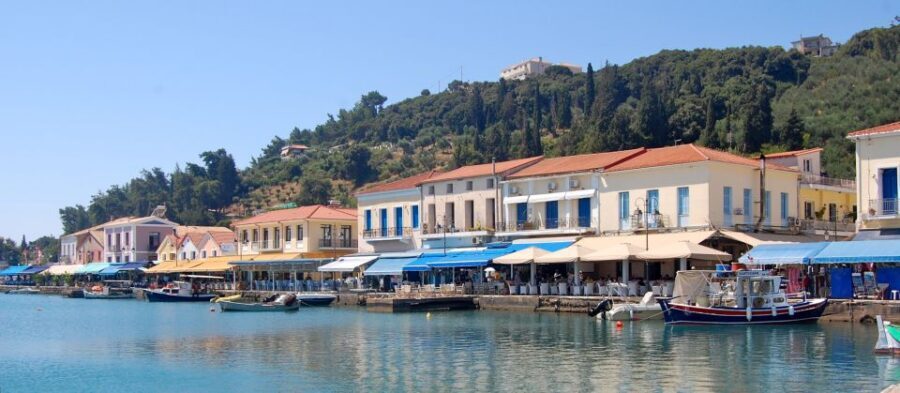
The price is listed as $436 per group up to 4, with a duration of about 7 hours (typically running around 6–7 hours). That’s crucial context. This is not priced per person as a single flat rate; it’s priced as a group experience with private/small-group transportation.
So the value depends on how many of you book:
- If you’re booking as a duo or family of four, the per-person cost drops fast compared to per-person tours.
- If you’re traveling solo, it may feel less like a bargain, simply because the group cap pushes you toward sharing.
You’ll also want to factor entrance fees on top. Olympia entry (€20), honey farm (€12), and winery/olive press (€20) add up quickly. Still, if you compare what you’d pay for transport + multiple independent tickets + the headache of timing around a cruise schedule, this bundled format often wins.
One more logistics point that matters: port regulations require you to provide cruise name, arrival time, and full names of participants at booking. You then get pickup details by email. That’s normal for shore excursions, but it’s worth staying organized so you don’t scramble the day of.
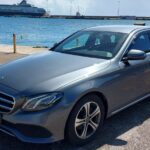
On transportation quality, the reviews give a consistent signal: guides like Peter are reported as punctual and careful drivers, vehicles described as clean, and communication praised by other guides such as Anastasia (flexible tour design and perfect communication) and Dimitris (phenomenal and knowledgeable). There’s also Andrew credited with a standout Olympia visit and a strong sense of Greek hospitality during the honey and coastal swim stops.
Who This Katakolon Shore Tour Suits Best
This is a strong match if you want a day that feels like Greece’s “everyday layers,” not just monuments.
You’ll likely love it if you:
- Want the big archaeological hits at Olympia without spending the whole day navigating ticket lines and route changes.
- Enjoy food and production experiences, especially honey and olive oil related stops.
- Prefer a small-group pace (private or small groups are mentioned) that keeps things flexible.
It may be less ideal if you:
- Want only archaeology with deep, fully licensed site narration for every artifact.
- Hate mixed agendas (ruins, then farms, then monastery, then beach). This day is designed as a variety pack.
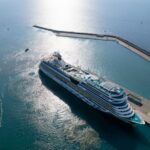
The tour is also practical for people dealing with cruise ship timing, since the structure is made for port guests who have hours docked.
Should You Book This Tour?
Yes—if you’re looking for a well-paced Katakolon day that balances Olympia’s must-sees with hands-on rural food culture and a real closing swim.
I’d book it when you want maximum variety without turning your day into a transportation puzzle. The best “signs” are the repeat praises for guide professionalism and the way the itinerary connects places: Olympia’s sport-and-statuary story, Klio’s honey production, Magna Grecia’s wine plus olive oil knowledge, a monastery stop for religion in daily life, and then St Andrew beach as a payoff.
If entrance fees feel annoying or you’re a museum-nerd who wants a fully licensed deep dive at Olympia, then you might compare other options. But for most cruise travelers who want to go home with more than photos, this one is a sensible, satisfying use of your shore time.
FAQ
How long is the Katakolon and Olympia shore excursion?
It runs about 6–7 hours, with a listed duration of 7 hours. The schedule is designed for cruise ships that stay many hours at the port.
What’s included in the tour price?
The tour includes live onboard commentary in English, bottled water, a guidebook to help explore Olympia (in different languages), transportation by private vehicle to the stops, fuel, skip the lines at the cashier issuing entrance tickets, and port pick-up and drop-off.
What entrance fees should I expect to pay separately?
Olympia entrance fees are listed as €20 per person. Additional separate entrance fees include €20 for the winery/olive press (per adult) and €12 for Klio’s honey farm (per adult). These are not included in the tour price.
Do I get time to swim?
Yes. The itinerary includes a stop at St Andrew beach with time for a quick swim in clean water, followed by the option of Greek coffee or a light lunch.
What should I bring for the day?
Bring passport or ID, comfortable shoes, sunglasses, a sun hat, and sunscreen. The tour also notes that you should bring cash for Olympia entry tickets.
Are there restrictions on what I can bring?
Pets, oversize luggage, and smoking are not allowed. The tour also states that alcohol and drugs are not allowed.