REVIEW · KALABAKA
Meteora: Hiking Tour with Local Guide and Monastery Visit
Book on GetYourGuide →Operated by Meteora Trip · Bookable on GetYourGuide
Meteora turns quieter when you hike first. On this 4-hour walk in Thessaly, you trade buses and viewpoints for feet-on-rock time—plus stories that bring the site’s myths and monastic life to life. Two big reasons I like this tour are the Ypapanti stop (the monastery ruins you can only reach by hiking) and the local guide who explains what you’re seeing and why it mattered. You’ll also pass areas tied to hermits and the dramatic geology that makes Meteora famous.
One heads-up: the €5 monastery entrance fee is not included, and the tour doesn’t include a guided walkthrough inside the monasteries. So budget a little extra cash and expect some parts to be self-exploration once you’re inside.
In This Review
- Key highlights you’ll care about
- Why Meteora on foot beats the quick stop
- Price and what $35 really buys you
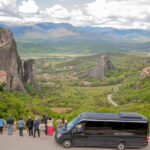
- Pickup in Kalabaka or Kastraki, then straight into the hike
- Stop 1: Monastery of St. Nicholas Anapavsa (about 15 minutes)
- First hiking segment: 45 minutes on Meteora trails
- Ypapanti old monastery: the hike-only highlight (about 30 minutes)
- Second hiking segment: another 30 minutes to shift your perspective
- Great Meteoron or Varlaam: the classic monastery visit (timing depends)
- Great Meteoron (about 1 hour)
- Varlaam (about 15 minutes)
- Don’t forget the entrance fee and what’s included inside
- Final hiking segment: 45 minutes for panoramic photos
- How hard is it, really? (7 km, 200 m, moderate)
- Small group hiking with big-day value
- Should you book this Meteora Hiking Tour?
- FAQ
- What is the duration of the tour?
- Where does pickup happen?
- How long is the walking portion?
- How difficult is the hike?
- What monasteries do we visit?
- Are monastery entrance fees included?
- Is there a guided tour inside the monasteries?
- What’s included in the price?
- What should I bring?
- What is the minimum age?
Key highlights you’ll care about
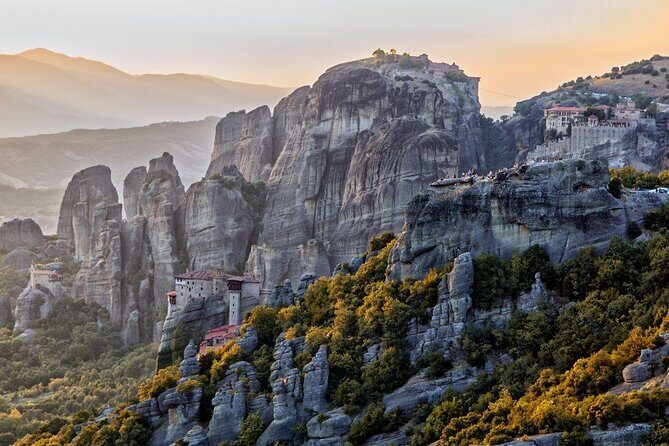
- Ypapanti on foot: a monastery stop you can’t do the same way from a vehicle.
- Local guide storytelling: history and legends explained while you’re walking, not after you’re tired.
- Moderate hike, short distance: 7 km total with about 200 m of elevation.
- Great Meteoron or Varlaam: you get one of the main monasteries depending on the day.
- Best photo timing built in: multiple viewpoints across different walking segments.
Why Meteora on foot beats the quick stop

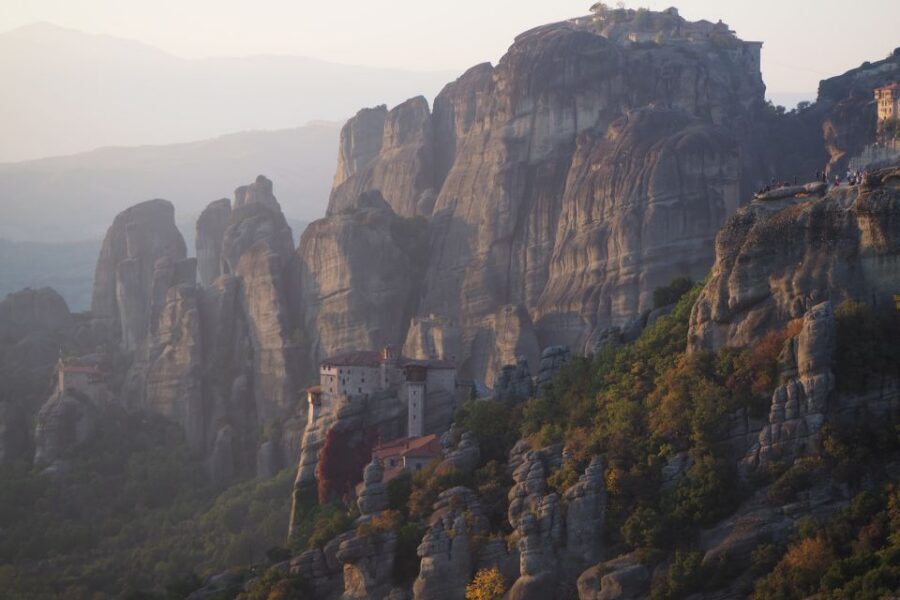
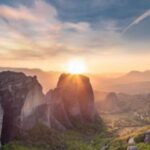
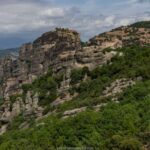
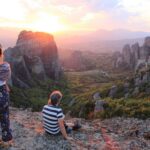
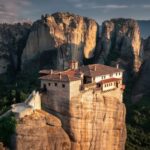
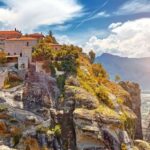
Meteora is one of those places that looks unreal from a bus window. Up close, it makes more sense. The rock pillars, the tiny monasteries perched on top, and the way paths snake through the area all click faster when you walk.
What you’re really buying with this tour is the order of operations. You start from the foothills, hike through areas tied to old monastic life, and then shift your attention to the monasteries. That sequence helps you understand the site as a living landscape—one used for prayer, isolation, and community—rather than just a photo backdrop.
You can also read our reviews of more guided tours in Kalabaka
Price and what $35 really buys you

At about $35 per person, this feels like good value because the core services are included: pickup and drop-off from your accommodation in Kalabaka or Kastraki, a local experienced mountain guide, a small group hiking format, and a bottle of water.
What’s not included is typical for Greece monastery visits: the monastery entrance fee (€5 per person). Also, there’s no guided tour inside the monasteries as part of the package. In practice, that means you should plan to pay the entrance fee and enjoy the interior space in your own way (with your guide’s help on the outside and during the hike).
Net-net: you’re paying mainly for time and expertise—someone guiding you through the walking route and the meaning behind it.
Pickup in Kalabaka or Kastraki, then straight into the hike

The tour is built for convenience. After you’re picked up from your hotel area, the hike starts from the foothills of Meteora. That matters because you’re not wasting daylight in transit. The walk also begins with the right kind of “warm-up pace,” so you’re not arriving at the first big views already exhausted.
You’ll be with a small group, and English-speaking guidance. If you like having more control over the pace and questions, a private group option is available.
Stop 1: Monastery of St. Nicholas Anapavsa (about 15 minutes)
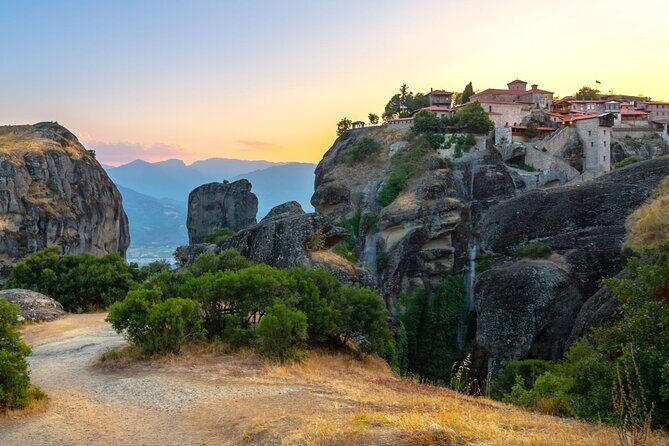
Your first official stop is the Monastery of St. Nicholas Anapavsa, with a quick 15-minute sightseeing segment.
Think of this as an orientation moment. In a short time, you get a sense of monastic architecture and placement before the day gets more active. It’s also a reminder that Meteora isn’t only about the big names. Small monasteries and chapels helped create a whole spiritual network here.
Drawback to note: because it’s brief, don’t expect a deep, long interior experience at this stop. This is about setting context so the later, longer visits land better.
First hiking segment: 45 minutes on Meteora trails
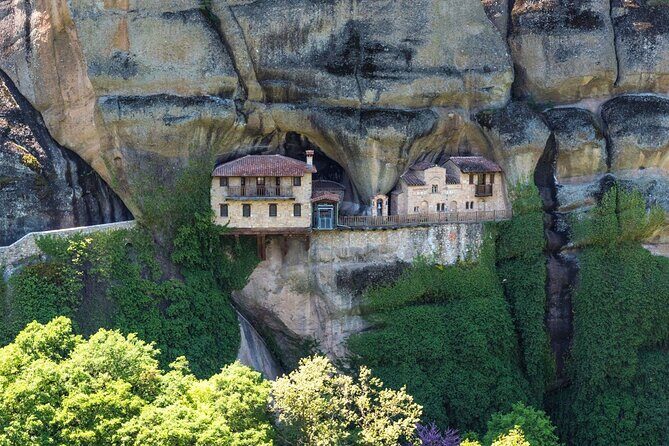
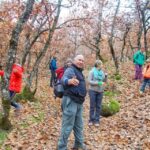
Next comes the main hiking rhythm—about 45 minutes of walking in the Meteora area. This is where the tour earns its name: you’re moving through the UNESCO site on foot with a guide who can point out what you might miss on your own.
You’ll be walking through a space shaped by huge geological forces, and you’ll also get glimpses of the area’s natural side—flora and fauna in the region—alongside the historic monastic remnants. The day is described as following the old footsteps of early monks, and the route uses hidden trails locals know.
Practical tip: wear shoes with grip. Even on a “moderate” route, Meteora can feel uneven because you’re walking through rocky terrain.
You can also read our reviews of more hiking tours in Kalabaka
Ypapanti old monastery: the hike-only highlight (about 30 minutes)
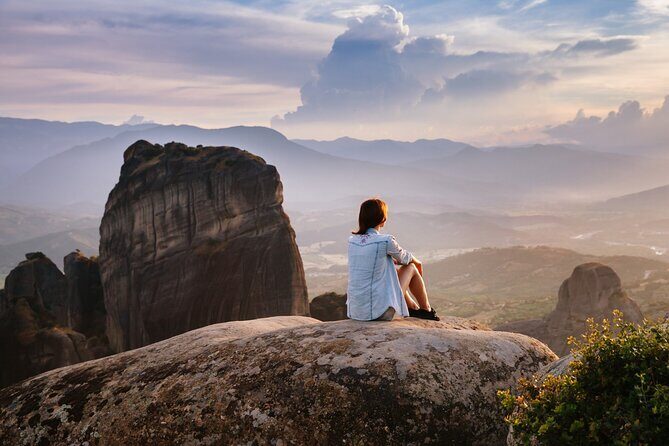
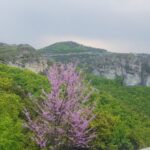
This is the stop most people remember for a reason: Ypapanti is the “hidden” monastery you can only really reach by hiking. You spend about 30 minutes here, which gives you time to slow down, take photos, and absorb what remains.
Why it’s special:
- It’s less about checking a box and more about understanding the monastic footprint through ruins.
- It ties into the tour’s theme of early monastic life, including ancient monastery ruins and the way hermits lived in caves nearby.
There’s also a viewpoint element here—this is one of your best chances to frame Meteora the way the rocks want to be seen: from angles that aren’t the default bus stops.
Small drawback: because it’s a “hikers’ access” site, you’ll only get this experience if you’re comfortable with the walk segments. If your legs are already screaming by the time you reach Ypapanti, the ruins won’t feel as magical.
Second hiking segment: another 30 minutes to shift your perspective
After Ypapanti, you hike again for about 30 minutes. This portion matters because it changes your mental map. Meteora can feel chaotic when you arrive—too many towers, too many monasteries, too many viewpoints.
Walking connects those pieces. You’ll start to understand how paths link the monks’ working routes with the cliff-top spiritual sites.
Also, this is when your guide’s stories help most. When someone explains the myths and history while you’re moving, the place stops being random and starts being logical.
Great Meteoron or Varlaam: the classic monastery visit (timing depends)
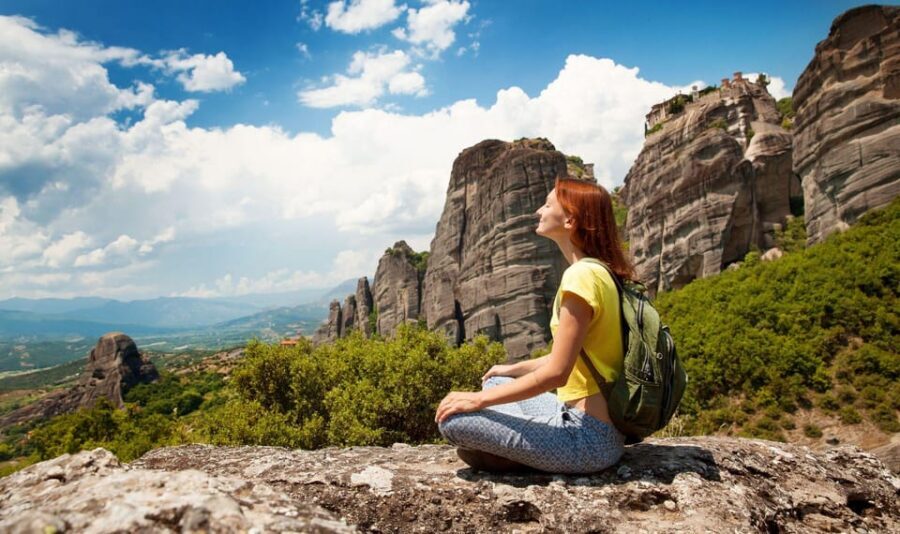
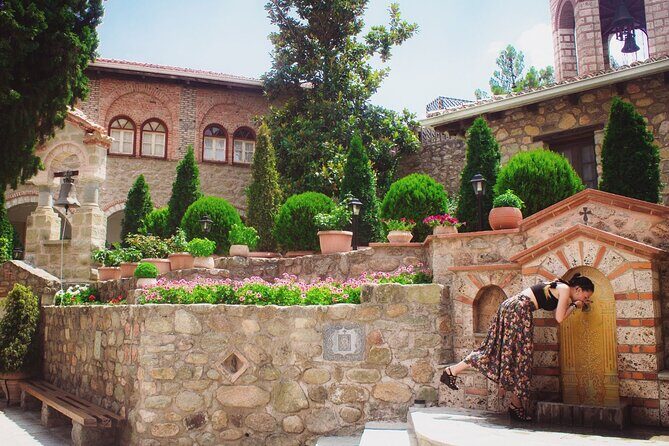
After the second hike, you visit a major monastery: either Great Meteoron or Varlaam, depending on the day.
Great Meteoron (about 1 hour)
If your day includes Great Meteoron, you get about 1 hour. That’s a solid chunk of time for photos and for wandering at a pace that works for you.
Varlaam (about 15 minutes)
If your day includes Varlaam, the stop is shorter—about 15 minutes of sightseeing.
How to handle the difference: don’t plan your expectations assuming you’ll “do both.” The tour format is designed to give you one longer monastery experience and one shorter stop, while still keeping the hiking portion active.
Don’t forget the entrance fee and what’s included inside

Here’s a point worth being clear about. The monastery entrance fee (€5 per person) is not included, and the package doesn’t cover a guided tour inside the monasteries.
You may still get plenty of help from your local guide—especially on what to look for and what stories connect to specific spots. But once you’re inside, expect to use your own eyes more than you would on a full museum-style guided interior tour.
Also keep cash in mind. The tour instructions specifically ask you to bring it.
In the wild, I’ve seen English-speaking guides named Kosta, George, and Nikolas associated with this route. You should expect a guide who can talk in plain language and keep the day flowing, especially when the group is moving from rock to rock.
Final hiking segment: 45 minutes for panoramic photos
The day ends with one more hike segment—about 45 minutes—built around viewpoints and photo time. By the final stretch, you’ll likely feel the day in your calves, which is exactly when the views hit harder.
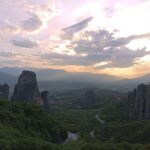
This is also a smart moment to slow down and reframe your photos. Early in the walk, you’ll have a sense of where you’re headed. Late in the walk, you get the full sweep—how monasteries sit against the rock, and how the trails cut through the area.
Practical tip: bring your camera strap or a small crossbody so you’re not juggling gear while walking. Meteora is photogenic, but it’s not a flat stroll.
How hard is it, really? (7 km, 200 m, moderate)
The distance is about 7 km with around 200 meters of elevation. That’s what makes it a moderate hike.
For most active travelers, that means:
- You’ll be walking for most of the 4 hours
- You’ll feel the climb and uneven footing
- You’ll need comfortable shoes you can trust on rocky ground
It’s not just about distance. The route’s elevation and surfaces are why the tour lists clear limits: it’s not suitable for mobility impairments, wheelchair users, people with heart problems, respiratory issues, recent surgeries, or low fitness levels. It also isn’t suitable for pregnant women and for people who are visually impaired.
Good to know: the minimum age is 6 years, so families with older kids who hike regularly may find it manageable.
Small group hiking with big-day value
What makes this tour feel “worth it” isn’t just the monasteries. It’s the combination:
- you get pickup so you don’t burn energy on logistics
- you get a local guide explaining the area’s myths and history while you walk
- you get the hike-only access to Ypapanti
- you still get a classic monastery stop afterward (Great Meteoron or Varlaam)
The structure works especially well if you’re the type of traveler who likes learning in motion. If you want a slow, sit-down cultural day with minimal walking, this probably won’t match your style.
Should you book this Meteora Hiking Tour?
Book it if:
- you want Meteora on foot rather than just from a viewpoint
- Ypapanti interests you, since it’s accessed by hikers
- you enjoy a guided day with stories and photo stops
- you’re comfortable with a moderate 7 km hike and uneven terrain
Skip it (or look for a different format) if:
- you can’t handle walking or uneven ground
- you need mobility support or have medical limits listed by the tour
- you don’t want the extra step of paying €5 entrance fees and doing parts inside without a guided interior tour
FAQ
What is the duration of the tour?
The tour lasts about 4 hours.
Where does pickup happen?
Pickup and drop-off are included from accommodations in Kalabaka or Kastraki. Pickup options also list Kastraki, Trikala, and Kalabaka.
How long is the walking portion?
The schedule includes multiple hiking segments totaling about 45 minutes + 30 minutes + 45 minutes of hiking time.
How difficult is the hike?
It’s listed as moderate, with about 7 km distance and around 200 meters of elevation.
What monasteries do we visit?
You’ll stop at the Monastery of St. Nicholas Anapavsa, then visit the hike-only Ypapanti old monastery. You’ll also visit either the Great Meteor Monastery or the Monastery of Varlaam depending on the day.
Are monastery entrance fees included?
No. The monastery entrance fee is €5 per person.
Is there a guided tour inside the monasteries?
No. The tour does not include a guided tour inside the monasteries.
What’s included in the price?
Pickup and drop-off from your accommodation (Kalabaka or Kastraki), a local experienced mountain guide, a small group hiking tour, and a bottle of water.
What should I bring?
Bring comfortable shoes (sports shoes are mentioned), and cash for the monastery entrance fee.
What is the minimum age?
The minimum age is 6 years. The tour is not suitable for children under 6 years.