REVIEW · KALABAKA
Kalabaka: Meteora Monasteries Minibus Tour with Photo Stops
Book on GetYourGuide →Operated by Meteora Tour · Bookable on GetYourGuide
Meteora hits you fast—up on the rocks, silence included. This minibus tour is a smart way to see the spiritual core of Meteora without burning your day on logistics, with a live English guide and multiple stops built for photos and meaning. I especially like the guided context at Saint Antonios and the chance to line up your shots across three monasteries from the best viewpoints. One thing to keep in mind: monastery entrances are extra, and some sites can involve steps even when you’re just there for a short visit.
You’ll meet your group outside Kalampaka Train Station and ride in an air-conditioned mini-bus, with time to stop, walk a bit, and then return before your train back. Guides like Ioanna, Andrew, and Areti are repeatedly noted for clear history, good pacing, and photo advice. If you’re hoping for an inside-the-monastery guided tour at every stop, don’t count on it—your guide travels with you, but guide service inside monasteries isn’t included.
In This Review
- Key things to know before you go
- Why a Kalabaka minibus tour beats DIY at Meteora
- St. Antonios: where the early hermits began
- Cave of St. George the Mandilas: a more intimate kind of stop
- Three Meteora monasteries and the photo-stop strategy
- The Byzantine church dedicated to the Virgin Mary (and why the timing matters)
- What makes the guide and driver setup feel worth it
- Price and value: is $34 actually a good deal?
- Timing, train reality, and what to pack for a smooth 4 hours
- Accessibility and mobility notes you should take seriously
- Who this tour is best for
- Should you book this Meteora minibus tour from Kalabaka?
- FAQ
- Where do I meet the guide for the tour?
- What time does the tour run?
- How long is the tour?
- What’s included in the price?
- Are monastery entrance fees included?
- Is the guide inside the monasteries?
- Is it wheelchair accessible?
Key things to know before you go
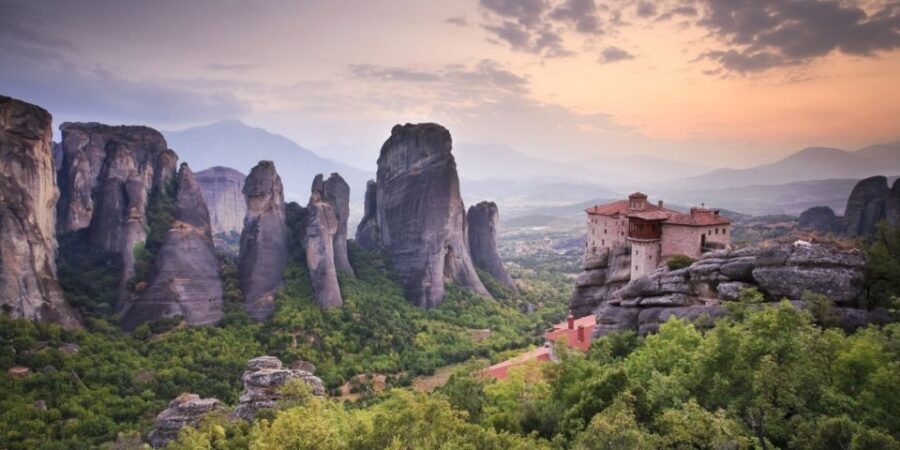
- St. Antonios sets the tone with first-hermit history and the cave-filled story of early monastic life
- Cave of St. George the Mandilas gives you a different feel than the main monastery overlooks
- Photo-stop routing for 3 monasteries means you’re not just driving past the big names
- A Byzantine church visit tied to the Virgin Mary adds a timeline you can actually see
- Small-group moments are possible, so you’re not stuck staring at the back of someone’s camera all day
- Your guide manages the walking reality, sometimes adjusting the plan if stairs become an issue
Why a Kalabaka minibus tour beats DIY at Meteora
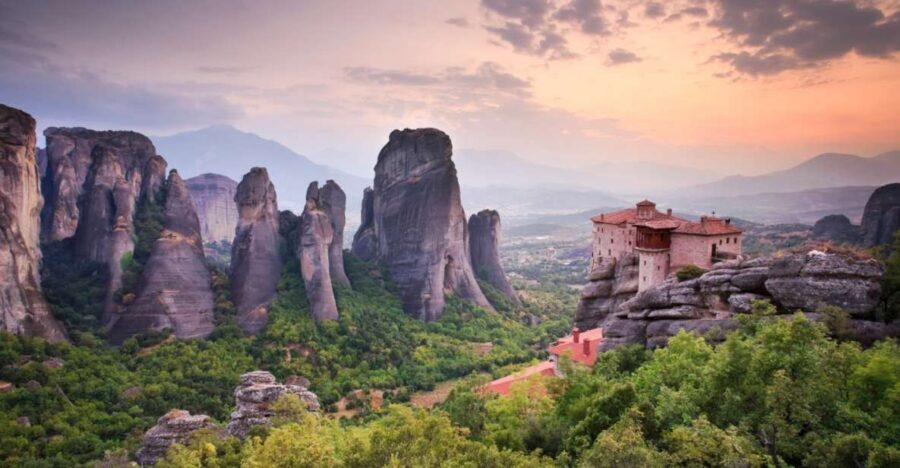
Meteora is one of those places where being on your own sounds simple until you try to line up routes, timing, and parking. A minibus tour handles the driving and stop sequence, so you can focus on what matters: views, sites, and the story tying them together.
With only about 4 hours total, this format is ideal if Meteora is one stop on a larger Greece trip. You get a tight route from Kalabaka, multiple meaningful stops, and enough time to visit three monasteries without turning your day into a stair workout marathon.
Also, the transport is air-conditioned, which is a quiet quality-of-life detail. In warmer months, that comfort makes the ride less exhausting and keeps you ready for the walking and photo pauses.
You can also read our reviews of more tours and experiences in Kalabaka.
St. Antonios: where the early hermits began
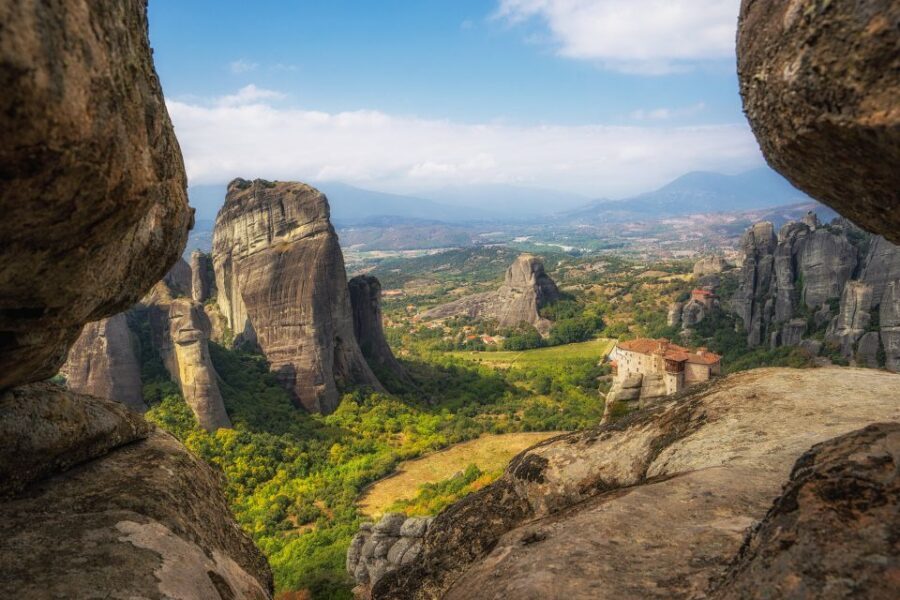
The tour starts with a high-impact stop at Saint Antonios, the place where the first hermits arrived in the Meteora area. This isn’t just a scenic detour—it’s where your guide frames the whole reason Meteora became what it is.
You’ll hear a timeline tied to a 10th-century arrival of hermit monks seeking isolation, along with how the region’s caves shaped daily life. The way the guide explains the abandoned hermitages in the area helps you look at the rocks differently: not as random dramatic cliffs, but as a whole system of secluded living spaces.
Practical tip: wear shoes with real grip. Even if you’re not doing a long hike, you’ll likely move on uneven ground and walk paths at some stops. When you’re standing at viewpoints, good footing lets you spend more time looking and less time balancing.
Cave of St. George the Mandilas: a more intimate kind of stop
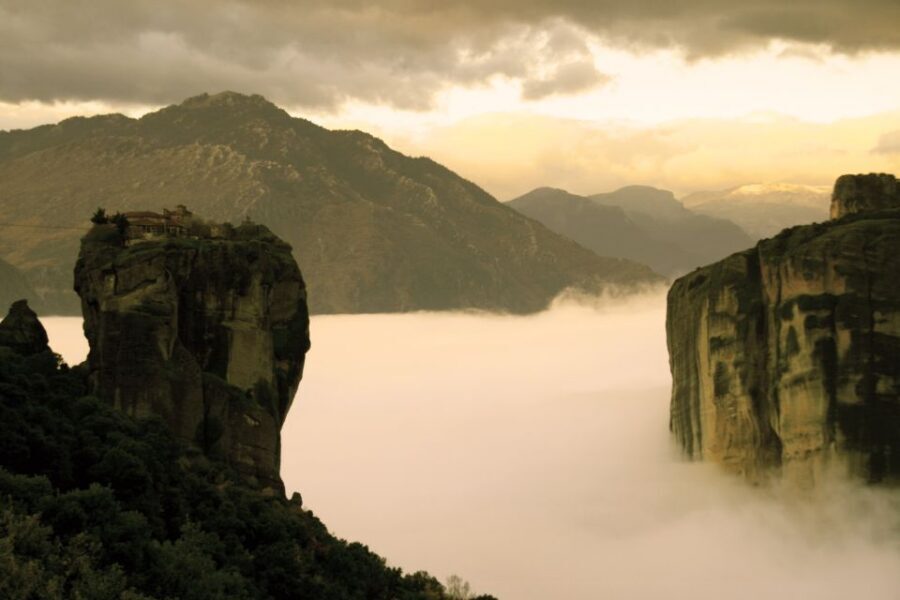
Next comes the cave of St. George the Mandilas, a religious site that feels more personal than the larger monastery structures. It’s a good change of pace after the introduction at Saint Antonios because it shifts you from sweeping monastic views to something more focused and grounded.
This stop also works well for photos, but not in the obvious way. You’re capturing mood and setting—stone, cave space, and the religious significance—rather than just filming the cliffs from a distance.
If you’re the kind of traveler who likes variety in a half-day itinerary, this cave visit is one of the reasons the tour feels more complete than a simple monastery checklist.
Three Meteora monasteries and the photo-stop strategy
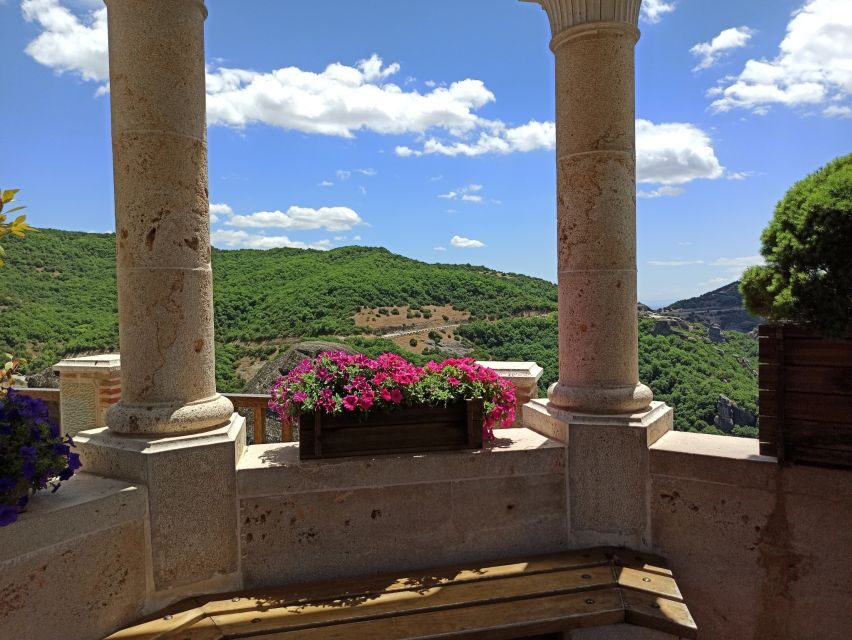
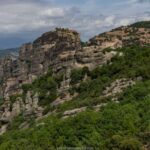
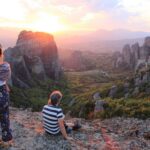
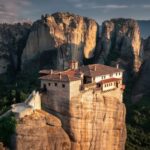
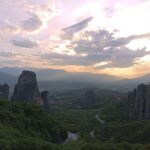
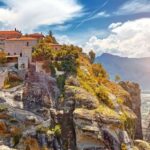
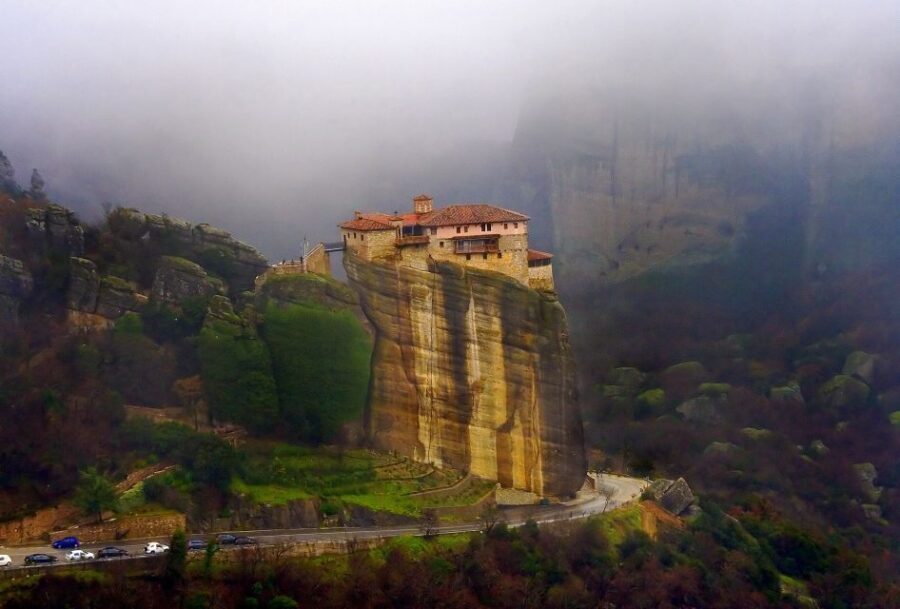
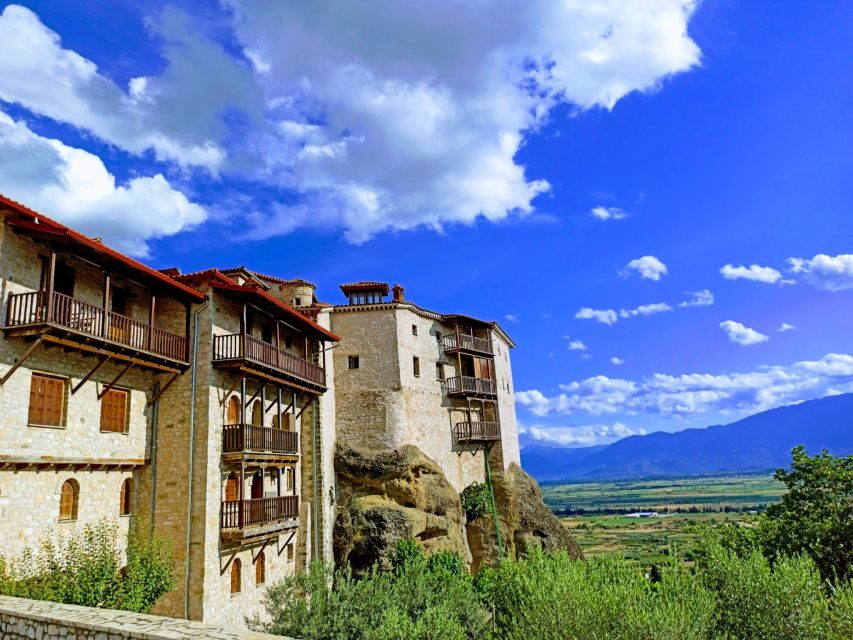
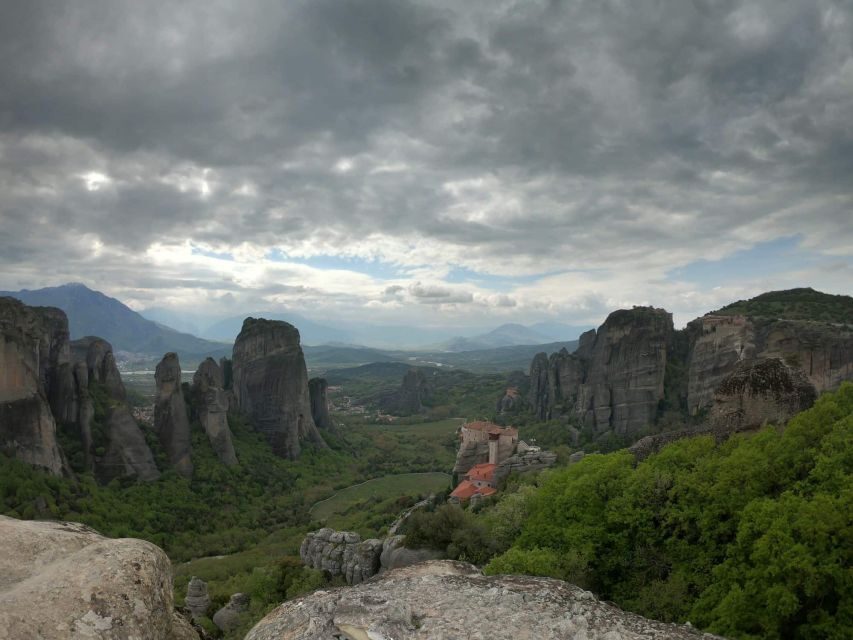
The main part of the experience is your chance to see three Meteora monasteries, with minibus photo stops built into the route. That matters because Meteora’s best angles are often along the approach roads, not only at the entrance gates.
Your guide typically helps with the practical side of photography—where to pause, when to move, and what viewpoints work best. Drivers also play a big role here; several operators have been praised for finding strong photo spots along the drive, which can save you from wandering in the wrong places.
What you should expect on the day:
- You’ll have short photo moments at viewpoints before or around monastery visits.
- You’ll likely do a walk-once-and-return pattern: enough time to see the site, not enough time to treat it like a full museum.
- Inside visits are possible at the monasteries you stop at, but the guide coverage inside isn’t included.
A useful mindset: treat these monastery stops like chapters, not the whole book. You’ll leave with a clearer sense of why people built here and how the monastic complex evolved—but if you want to spend hours inside one monastery, you may need a longer stay.
The Byzantine church dedicated to the Virgin Mary (and why the timing matters)
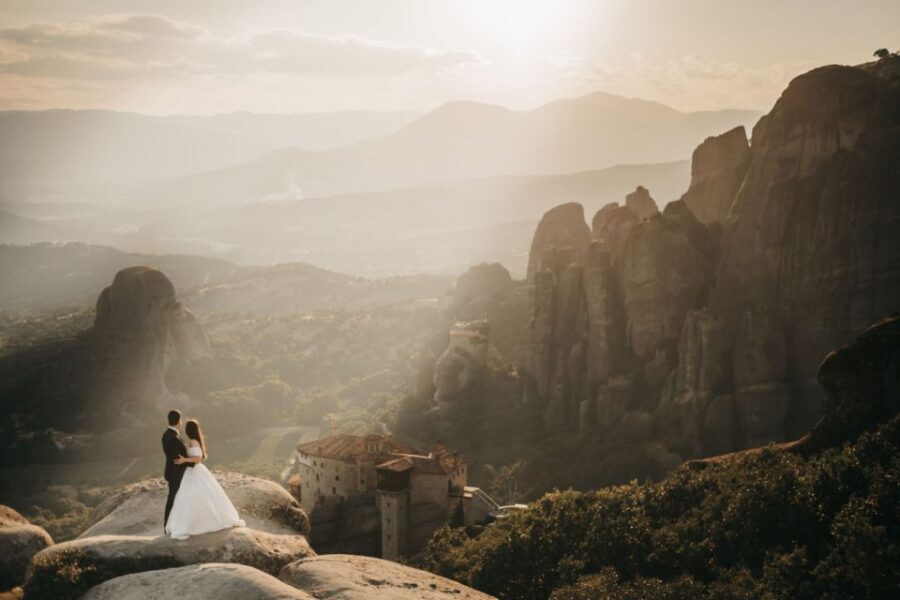
Another highlight is an ancient Byzantine church dedicated to the Virgin Mary. The tour frames it with a specific fact: it was built 300 years before the first monks arrived in Meteora.
That one detail changes how the stop feels. When you stand there, you’re not only looking at a church—you’re witnessing how the religious story in the area stretches back before Meteora monastic life took its recognizable shape.
It’s also a nice break from purely monastery-focused sightseeing. The church adds a different architectural and historical tone, which helps your brain connect the dots across the day: early hermits, cave life, then religious structures tied to older traditions.
What makes the guide and driver setup feel worth it
At $34 per person, you’re paying for two things that really do the heavy lifting: a live English guide and transportation. You’re not paying for unlimited time on site, and you’re not paying for a guide who stays by your shoulder inside every monastery. But within the 4-hour window, the guidance can make the difference between random sight-seeing and understanding what you’re looking at.
From reported experiences, guides such as Ioanna and Andrew are repeatedly described as warm, diplomatic, and focused on real-world help—like suggesting safer routes if someone needs fewer stairs. That kind of responsiveness matters on Meteora, where the “quick stop” can still include a lot of vertical movement.
The driver component also has value. A safe, skilled driver plus smart photo-stop timing keeps the day moving without rushing the stops you actually care about.
Small-group timing can also help. People have noted cases where the tour felt quite private (like very small groups), which usually means better pacing and more flexibility when you’re on foot.
Price and value: is $34 actually a good deal?
For $34 per person, this tour is priced like a practical Meteora entry point rather than a full-day deep excursion. In other words: you’re buying convenience and interpretation.
Here’s how the value math usually works:
- Included: guide + minibus transport
- Not included: monastery entrance fees
- Not included: a guide inside the monasteries
So yes, the tour is a good value if you want guided context plus photo-friendly routing. It’s less ideal if your main goal is to spend lots of hours inside one monastery with thorough interior explanations at every stop.
Also factor in the time you save. If you were DIY-ing Meteora from Kalabaka, you’d likely spend time figuring out which sites to prioritize, how to get between them, and when to return for your train. Those costs are not only money—they’re mental energy.
Timing, train reality, and what to pack for a smooth 4 hours
This is built around trains. You meet outside the entrance to Kalampaka Train Station, and the tour starts after the train from Athens arrives. Due to temporary changes to Hellenic Trains, the tour start and finish are set as 13:10 to 16:30.
That timing is helpful because it turns Meteora into a half-day plan rather than a full-day gamble. You’ll get your sightseeing window, then you’re back in time for your next leg.
What to bring:
- Comfortable shoes (Meteora rewards the prepared)
- Camera (you’ll want it for monastery viewpoints and cave/church shots)
- Food (the tour doesn’t promise a meal stop in the details given)
- Comfortable clothes for changing light and walking
One more practical note: the itinerary includes multiple religious sites, so dressing modestly and respectfully is smart. Comfortable clothing won’t just help your feet—it keeps you at ease when you arrive at places that have expectations around attire.
Accessibility and mobility notes you should take seriously
The information provided lists wheelchair accessibility, but it also says the experience is not suitable for wheelchair users. If accessibility is a key requirement, treat that as a red flag to clarify before you book.
Even when someone isn’t using a wheelchair, Meteora’s steps can be real. There’s at least one documented case where a guide adjusted the plan to use routes that involved less stairs when a guest had leg issues. So if you have mobility concerns, tell your guide as early as possible, and plan your expectations around short visits plus walking.
Who this tour is best for
This is a strong match if you:
- Have a tight schedule in Kalabaka and want a 4-hour Meteora plan
- Want photo-friendly timing plus live English interpretation
- Prefer transport and route planning handled for you
- Are interested in early hermits, cave life, and the Virgin Mary Byzantine connection—not just modern postcard views
It’s also a good option for first-timers because it gives you a coherent route. You’re not bouncing randomly between sites; you’re moving through a story.
If you’re the type who loves spending hours inside one monastery and reading every corner in detail, you may want a longer stay or a different tour format. This one is about coverage and context in a short time.
Should you book this Meteora minibus tour from Kalabaka?
I’d book it if you want an efficient, well-timed introduction to Meteora with real guidance and photo stops that make the viewpoints count. At $34, it’s a budget-friendly way to see Saint Antonios, the St. George the Mandilas cave, three monasteries, and a Virgin Mary Byzantine church—all within one simple half-day plan.
I’d think twice if:
- You already know exactly which monastery you want to linger in for hours
- You’re mainly after interior interpretation by a guide inside every site (that part isn’t included)
- You need guaranteed step-free access (because the provided accessibility notes conflict)
For most people doing Meteora as part of a train-based trip through Greece, this is a sensible way to get your bearings fast and still come away understanding what you saw.
FAQ
Where do I meet the guide for the tour?
Meet your guide outside the entrance to the Train Station in Kalampaka.
What time does the tour run?
The tour starts at 13:10 and finishes at 16:30 due to temporary changes to Hellenic Trains.
How long is the tour?
The duration is 4 hours.
What’s included in the price?
The price includes a guide and transportation by minibus.
Are monastery entrance fees included?
No. Entrance fees to the monasteries are not included.
Is the guide inside the monasteries?
Not for the interior guided experience. Tour guide inside the monasteries is not included.
Is it wheelchair accessible?
The activity notes include both wheelchair accessibility and a note that it’s not suitable for wheelchair users. If wheelchair access matters to you, you should check with the operator before booking.