REVIEW · KALABAKA
Meteora: Sunset Small Size Tour with Monastery & Caves visit
Book on GetYourGuide →Operated by Visit Meteora · Bookable on GetYourGuide
Sunset in Meteora feels like a time machine. This late-day sunset mini tour strings together monk life, cave hermitages, and a Byzantine church—then finishes with you at one of the best rock viewpoints.
I like this tour for two reasons: you get real time inside an active monastery (not just a quick stop), and the guide helps you place what you’re seeing with clear, story-driven explanations plus a free multilingual audio guide you can use on site.
One consideration: it’s a 4.5-hour evening slot, so you’ll usually see only one monastery open for inside visiting, while the rest are seen from viewpoints and brief passes. And if weather turns cloudy, sunset photos can be hit-or-miss.
In This Review
- Key highlights I’d book for
- How the 4.5-Hour Sunset Timing Works
- Getting Picked Up in Kalabaka or Kastraki
- Scenic Photo Stops Before the Monastery (Stops That Set the Mood)
- Inside One Active Meteora Monastery (and How to Prepare)
- Seeing Kalambaka’s Byzantine Church of the Virgin Mary (Plus the Apollo Angle)
- Badova Hermit Caves: Where the Rock Held Daily Life
- Passing the Other Monasteries: The Full Meteora Panorama
- The Sunset Viewpoint: Timing, Photos, and Weather Reality
- Cost and What You’ll Pay on the Spot
- Who This Tour Fits Best (and Who Might Prefer Something Else)
- Final Verdict: Should You Book This Meteora Sunset Tour?
- FAQ
- How long is the Meteora sunset tour?
- What’s included in the price?
- What extra fees should I expect to pay?
- Do I need to bring anything?
- What’s the dress code for the monasteries?
- Is the guide inside the monasteries with you?
- Is this tour wheelchair accessible?
Key highlights I’d book for
- Small-group pacing with multiple photo stops so you’re not stuck staring out the window the whole time
- Inside one active monastery plus audio-guide help while the guide stays outside giving context
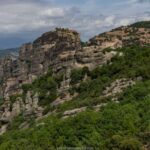
- All 6 Meteora monasteries are visible from different angles, even when only one has inside access
- Kalambaka’s Byzantine Church of the Virgin Mary, tied to an older Apollo temple story
- Badova hermit caves where solitude was practiced centuries ago
- Big end-of-tour sunset viewpoint with time to walk and photograph
How the 4.5-Hour Sunset Timing Works
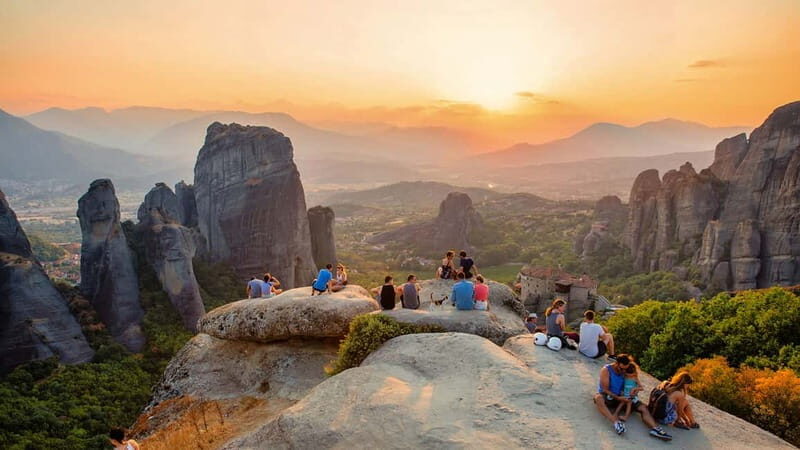
This is designed for the late afternoon lull—when the light starts to soften and Meteora’s rock towers look less like stone and more like architecture. You’ll ride up, stop often for views, visit key religious sites, then land at the final viewpoint for sunset.
Because it’s an evening tour, the schedule is tight in a good way. You’ll cover a lot of ground without the all-day grind. But you should also expect that monastery opening hours can affect inside visiting. The tour is built around one longer monastery stop plus several shorter passes and viewpoints—so you still get the full Meteora panorama story, even if only one monastery offers inside access.
You can also read our reviews of more evening experiences in Kalabaka
Getting Picked Up in Kalabaka or Kastraki
You start with hotel pickup from Kalabaka or Kastraki (including hotels, villas, guest houses, Airbnbs, and camping sites there). In practice, you may also end up at a central pickup point if that’s how your exact stop is handled, so it’s worth checking your pickup details when you reserve.
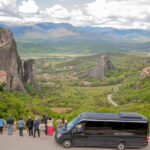
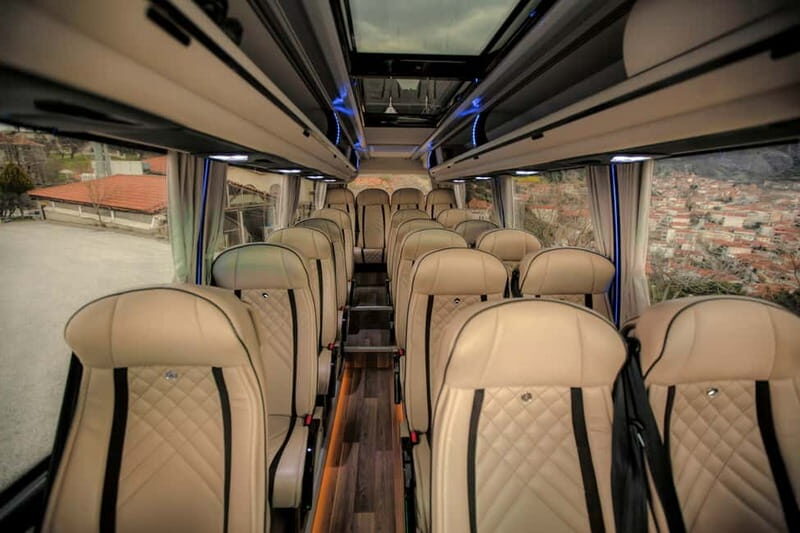
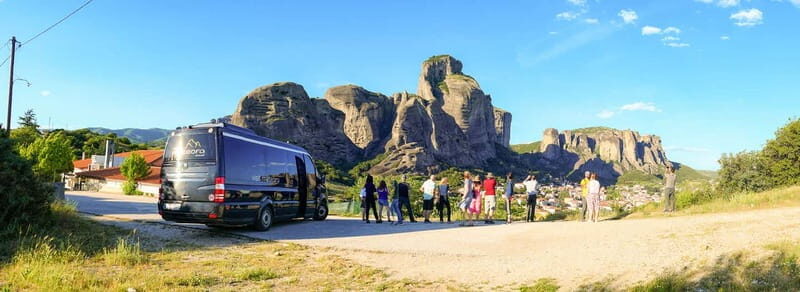
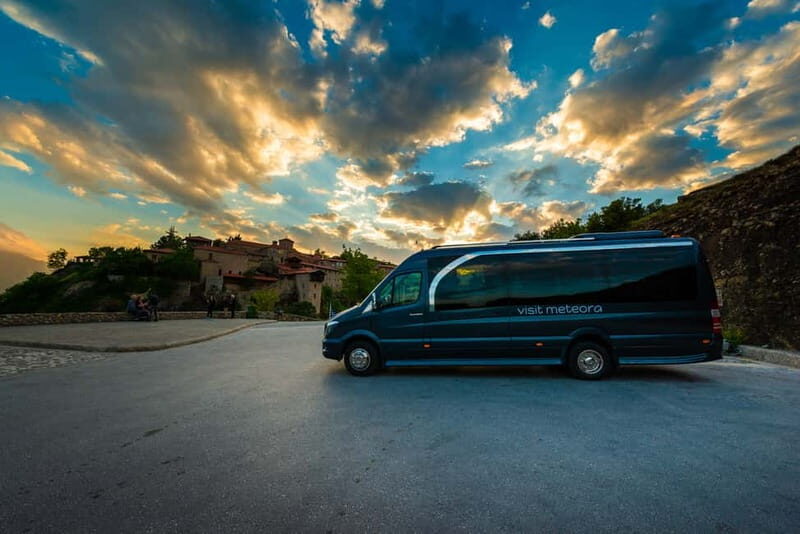
Then you’re in an air-conditioned minibus. The vibe is small-group friendly—though one review mentioned seating for around 20—so you’re close enough to hear the live English guide comfortably during narration. You’ll also get a bottle of water.
This part matters because Meteora isn’t “one stop and done.” The rock complexes are spread across the area, so having transportation already lined up saves hours of planning and parking stress—especially at golden hour when traffic and walking routes can get chaotic.
Scenic Photo Stops Before the Monastery (Stops That Set the Mood)
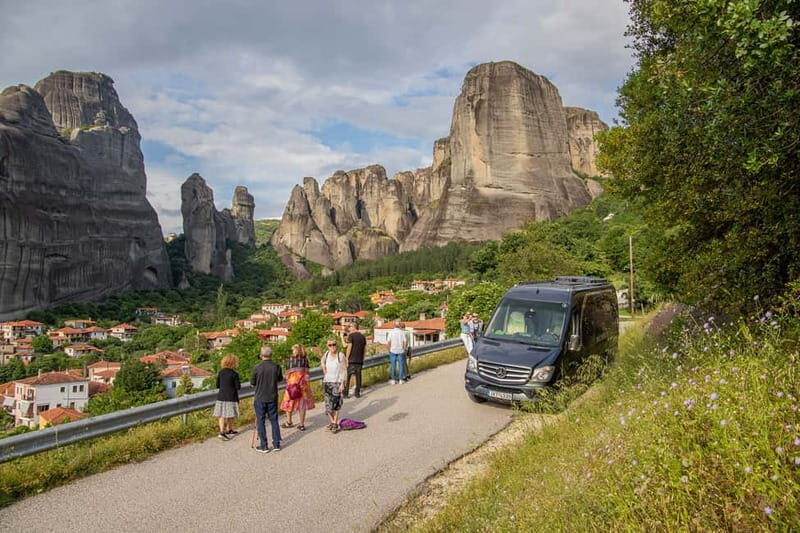
Early on, you’ll drive into position and get your first quick viewpoint breaks. Expect short photo stops and scenic drives—think 10 minutes here, a few minutes there—meant to help you understand where each monastery sits in relation to the cliffs.
The guide uses these stops to connect the dots: why these monasteries were built up on the rocks in the first place, and how the geography shaped daily life. Even if you’ve seen Meteora photos online, this is where it clicks. The rocks look dramatic in daylight, but in the last hours they start to show texture—cracks, ledges, and the way paths cling to the cliffside.
If you care about photos, do yourself a favor: bring a camera with enough battery life for lots of short stops. You’ll be stepping out repeatedly, and the best light changes fast.
Inside One Active Meteora Monastery (and How to Prepare)
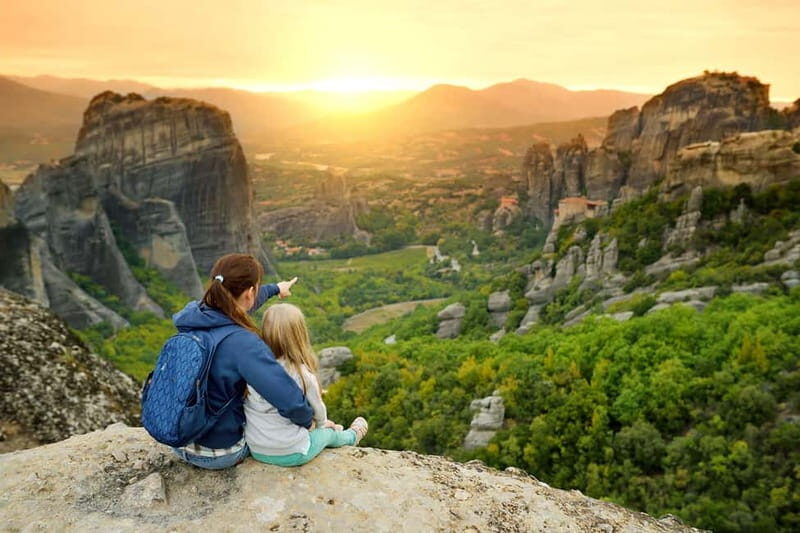
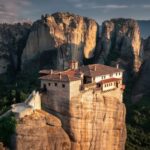
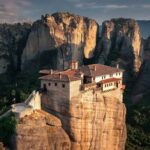
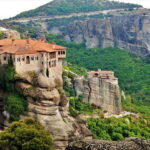
The main monastery visit is one of the reasons this tour is strong value. The schedule gives you about 40 minutes at the monastery stop, with time to walk and explore at your own pace.
Important: the live guide provides context outside. Inside, you use a free multilingual audio guide (the tour offers multiple languages) to help you understand what you’re looking at in the monastery spaces. Also note the tour says an on-site, state-licensed guide inside the monastery is not included—so audio is your main interpretive tool unless the monastery itself offers something additional.
Dress code is strict here:
- No shorts or sleeveless shirts
- Men can be denied entry for noncompliance
- Women can borrow or buy skirts and shawls at the entrance to cover appropriately
So pack a scarf. It’s not just for style; it’s a practical fix if you need quick coverage.
What makes this monastery time work is the balance: you don’t feel rushed through a checklist. You get enough time to notice details like church iconography and how the monastery spaces are organized—plus you can step back for photos without feeling like you’re holding up the group.
Seeing Kalambaka’s Byzantine Church of the Virgin Mary (Plus the Apollo Angle)
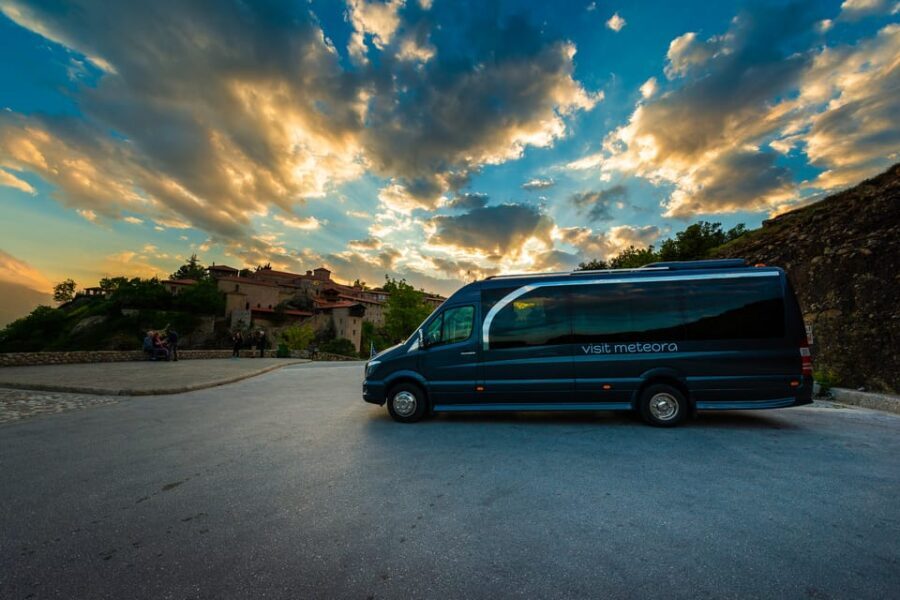
Next you’ll head to the oldtown area in Kalambaka for the Byzantine Church of the Virgin Mary. There’s a short visit built into the plan, with about 15 minutes for photo time and exploring with the guided narration on-site.
One detail I found especially interesting: the church building was once an ancient temple dedicated to the god Apollo. That gives you a “time-layer” effect—standing in the same place where belief systems and architectural purposes evolved over centuries.
There’s also an entry fee for the church (2€ per person), so bring cash. The tour includes a guide explanation outside, and your time inside is your chance to connect what the guide says to what you see on the walls.
If you’re the type who likes religious art beyond just admiring it, this stop is a nice contrast to the rock monasteries. It’s a grounded reminder that Meteora’s story isn’t only cliffside. It’s also about the towns that supported the monastic world.
Badova Hermit Caves: Where the Rock Held Daily Life
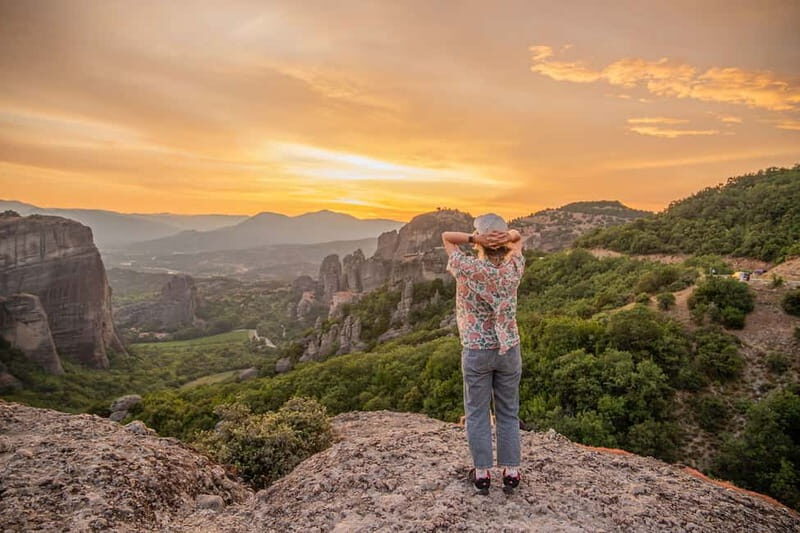
This is the stop that adds a different flavor to the usual Meteora routine. You’ll visit the Badova hermit caves, where hermit monks lived about two centuries ago.
You’ll get around 35 minutes at this “solitude in stone” experience—enough time to look, read what’s available, and let the setting do its work. This is not just a photo backdrop. The caves are tightly tied to the idea of withdrawal from normal life, and the tour frames them as part of the broader Meteora tradition.
Be ready for a bit of walking. The tour is described as having short walks, and one review specifically notes a surprise walk near an ascete-monastery area. So wear comfortable shoes even if you think you’re only doing viewpoints.
Also: this is a storytelling stop. The guide uses it to explain how hermits and later communities interacted with the landscape and with the wider monastic culture. Even if you’re not a history buff, the “why here?” question becomes concrete once you’re standing close to the caves.
Passing the Other Monasteries: The Full Meteora Panorama
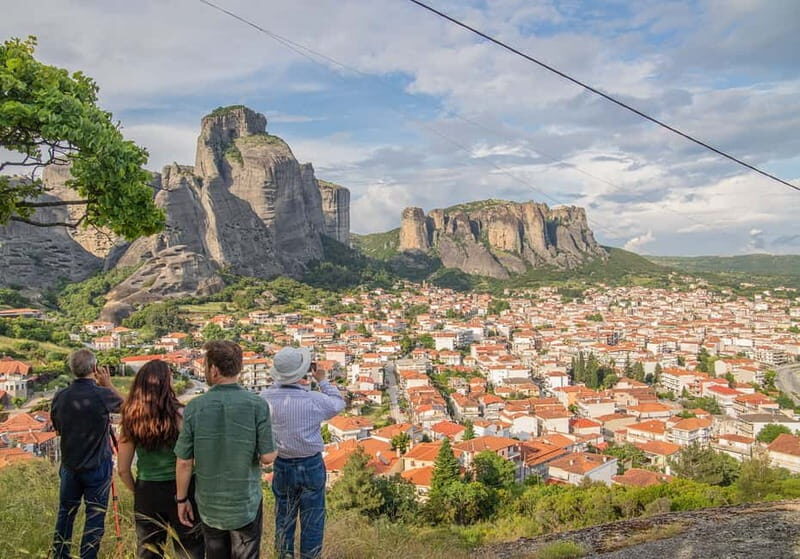
You’ll see all 6 Meteora monasteries over the course of the route. But not all of them will be open for inside viewing during an evening tour.
Practically, what you get is a lot of perspective:
- you’ll have viewpoint moments to see different monasteries from different angles
- you’ll have shorter passes by other sites where the guide gives context while you’re on the bus or at overlooks
- later in the tour, there’s additional monastery time on the schedule, but again, inside access depends on what’s open
Think of this as the best compromise. A daytime tour might give you more inside time at more monasteries. An evening tour trades some inside access for sunset light, plus a tour flow that focuses on key sites rather than trying to cram everything into daylight.
If you’re traveling with someone who wants to choose which monastery to revisit the next day, this format makes that easy. You’ll quickly understand where your eye keeps returning.
The Sunset Viewpoint: Timing, Photos, and Weather Reality
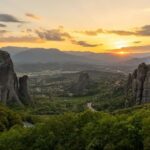
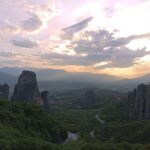
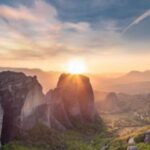
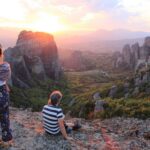
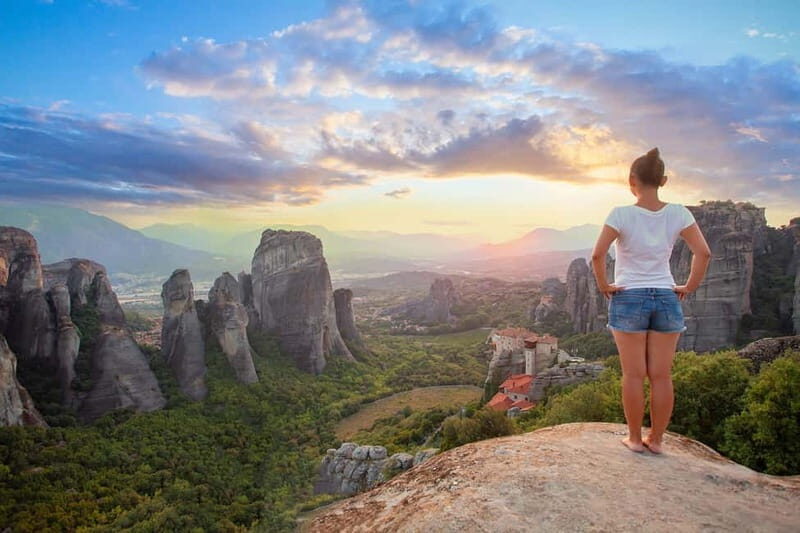
The final portion of the tour is the payoff: you’ll reach the Meteora sunset viewpoint with time to photograph, walk around, and watch the sun sink behind the rock formations.
You’ll get around 20 minutes at the end viewpoint area, with the tour timed so you’re there when the colors begin shifting. In a clear evening, this is the moment that makes Meteora feel unreal.
But be honest with yourself: weather rules. One review noted fog/cloud cover blocking the sunset view. When that happens, you can still enjoy the dramatic rocks and the general atmosphere—but don’t plan your whole trip around one weather gamble. If you want more redundancy, consider pairing this sunset tour with a daytime visit later during your stay.
Also, the tour schedule is structured. One review mentioned the timing after sunset felt a bit rushed for those who wanted extra minutes in the last light. So if sunset photography is your top priority, treat the tour timing as a starting point, not your whole photo session.
Cost and What You’ll Pay on the Spot
At $27.67 per person for a 4.5-hour guided experience with hotel pickup/drop-off, transportation, and a bottle of water, this is priced like a solid “value tour.” The big catch is that monastery and church entry fees are extra.
You should plan for:
- 5€ monastery entry fee (per person)
- 2€ Byzantine church entry fee (per person)
So yes, the ticket isn’t the final number in your budget. But when you add up what’s included—transport, guide narration, and audio support inside the monastery—it’s still a reasonable way to see Meteora without doing the logistics yourself.
Don’t forget cash for these fees, and bring a scarf for the dress code. That’s the kind of practical detail that keeps the experience smooth.
Who This Tour Fits Best (and Who Might Prefer Something Else)
This tour is a great match if you want:
- an efficient half-day plan that ends at sunset
- a guided story tying together monasteries, cave hermit life, and church art
- a low-stress transportation setup from Kalabaka/Kastraki
- audio support in multiple languages for inside time
It’s less ideal if you:
- need wheelchair access (the tour is not suitable for wheelchair users)
- travel with infants under 1 year (not suitable)
- are traveling with mobility limits that make repeated steps and viewpoints difficult
- hate a schedule that ends at a set time (sunset is short by design)
You’ll also get the most enjoyment if you’re okay with a Christianity-focused narration style. The tour explanation tends to lean into monastic life and spiritual context. If you’re only after geology facts and hiking intensity, you might wish for a more outdoors-heavy itinerary.
Final Verdict: Should You Book This Meteora Sunset Tour?
I’d book it if you want the best of Meteora in one focused evening: one meaningful inside monastery visit, Badova hermit caves, a Byzantine church detour, and a serious sunset viewpoint payoff with great photo opportunities.
Skip it (or complement it with another day) if you know you’re very sensitive to weather changes, because sunset depends on sky conditions. And if you want inside access at multiple monasteries, this evening timing likely won’t give you that—though you will see all six from viewpoints and stops along the way.
FAQ
How long is the Meteora sunset tour?
The duration is 4.5 hours.
What’s included in the price?
Included are hotel pickup and drop-off (in Kalabaka and Kastraki), transportation by air-conditioned minibus, an English-speaking guide, a free multilingual audio guide, guided narration with short walks, sunset viewing, and a bottle of water.
What extra fees should I expect to pay?
Monastery entry fees are 5€ per person, and the Byzantine Church of the Virgin Mary entry fee is 2€ per person.
Do I need to bring anything?
Bring comfortable shoes, a camera, cash for entry fees, and a scarf for the monastery dress code.
What’s the dress code for the monasteries?
Shorts and sleeveless shirts aren’t allowed. Men can be denied entry. Women can borrow or buy skirts and shawls at the monastery entrance to cover appropriately.
Is the guide inside the monasteries with you?
No. The guide/driver will not enter the monasteries. You’ll get information outside, and you’ll use the included audio guide inside.
Is this tour wheelchair accessible?
No, it’s not suitable for wheelchair users. It also isn’t suitable for certain age and weight limits listed by the provider.