REVIEW · KALABAKA
Meteora: Natural History Museum and Mushroom Museum Tour
Book on GetYourGuide →Operated by Natural History Museum of Meteora and Mushroom Museum · Bookable on GetYourGuide
Meteora has a quieter side.
This small museum in Kalampaka pairs two permanent collections that feel oddly alive: stuffed birds and mammals presented in natural-looking dioramas, and a Mushroom Museum built around handmade mushroom replicas. I like that the displays are up close enough to notice details, not just admire from a distance.
I also enjoy the food angle here. You taste 4–5 mushroom products (including the Greek mushroom sweet), then you can shop for mushroom and truffle delicacies made locally. One thing to consider: it is a quick visit and largely self-paced, so it works best if you want to explore, not follow a long guided program.
In This Review
- Key things I’d prioritize
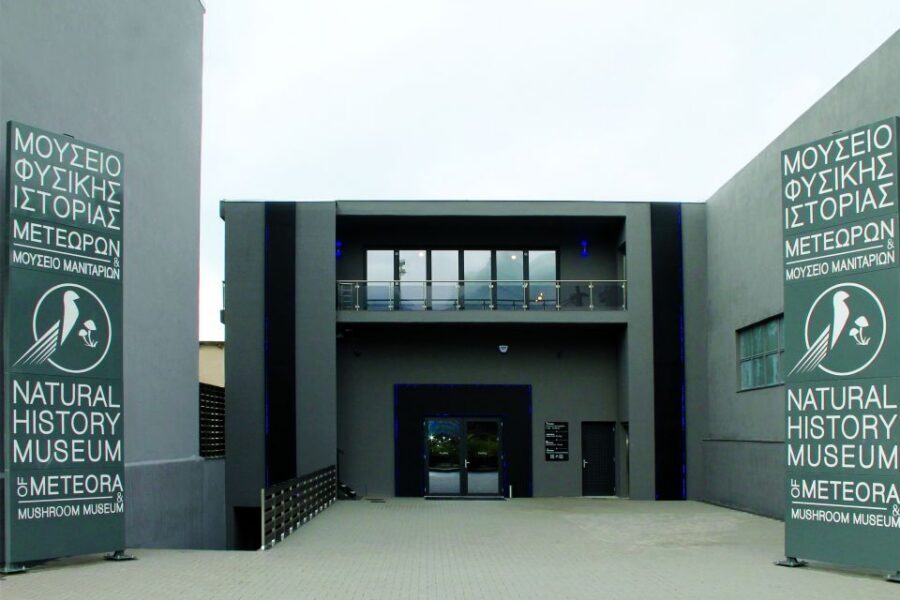
- Finding the Meteora Museum combo in Kalampaka
- Natural History Museum: stuffed birds and mammals in real-feeling biomes
- A practical note on expectations
- Mushroom Museum: handmade fungi sculptures and three stages of growth
- The QR code self-guided format: how to make it feel like a real tour
- Mushroom tastings: what you’ll get and how to think about it
- A tip for tastings
- The shop and locally-made mushroom/truffle products
- Timing your visit: getting value from a 1-day stop
- Value check: is an $8 ticket worth it?
- Who this museum works for (and who might skip it)
- Tips to make the most of the exhibits
- Should you book the Meteora Natural History and Mushroom Museum tour?
- FAQ
- Where is the meeting point for the museum?
- How long does the museum visit take?
- What does the ticket include?
- Do I get picked up or dropped off?
- Is the tour wheelchair accessible?
- What can I see inside?
- Can I taste mushrooms?
- What are the opening hours?
- What is the price and cancellation policy?
Key things I’d prioritize
- Two permanent collections in one stop: animals plus mushrooms
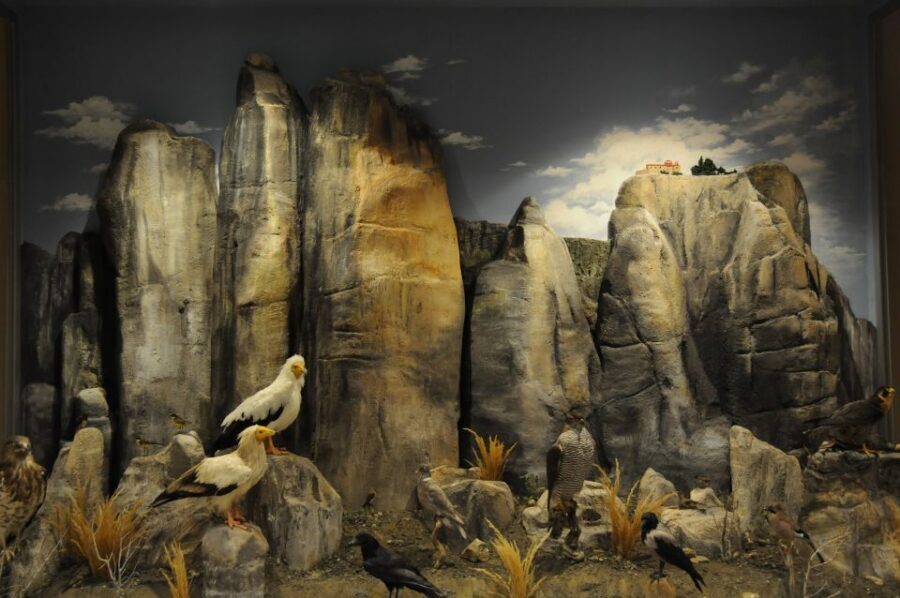
- Taxidermy work in dioramas that match the animals’ natural terrain
- Handmade mushroom sculptures shown across three stages of development
- Tastings of 4–5 mushrooms and mushroom sweet after you explore
- A shop with mushroom and truffle products, including ready-to-gift items
- A calm, low-key vibe that makes it easier to read labels at your pace
Finding the Meteora Museum combo in Kalampaka
You’ll base yourself in Kalampaka for Meteora, and this is a straightforward add-on day. The meeting point is at Pindou 20, Kalampaka 422 00, about 600 meters from the train station and 200 meters off the main street. That matters because you’re not trying to squeeze in a “bus-and-wait” tour. You can walk over, take your time inside, then head back out to the next stop.
The museum is wheelchair accessible, and since the tour is self-guided with a QR code, you’re not stuck with a rigid group rhythm. I like that you control the pace: linger where you care (birds, mammals, fungi), then keep moving when your feet want a break.
You can also read our reviews of more tours and experiences in Kalabaka.


Natural History Museum: stuffed birds and mammals in real-feeling biomes
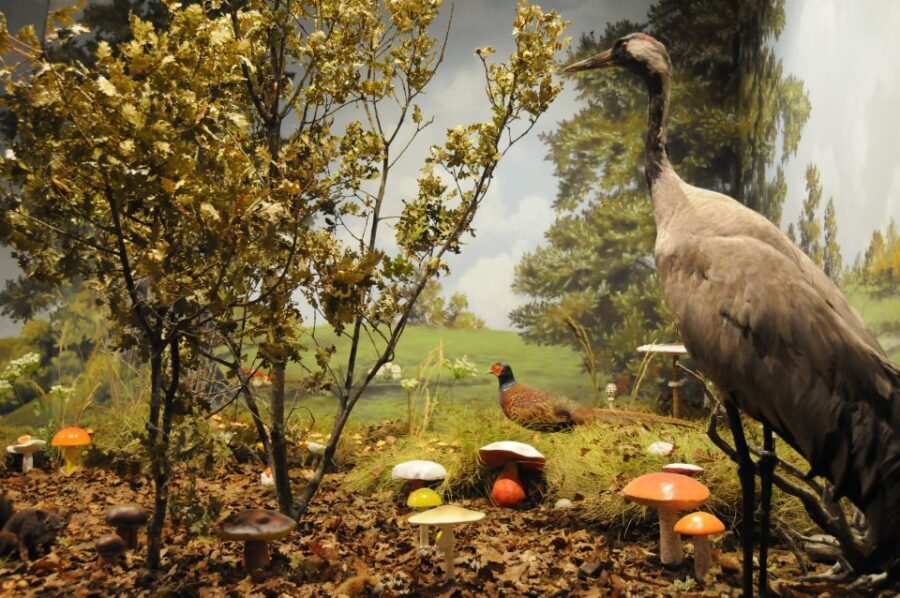
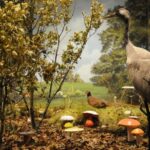
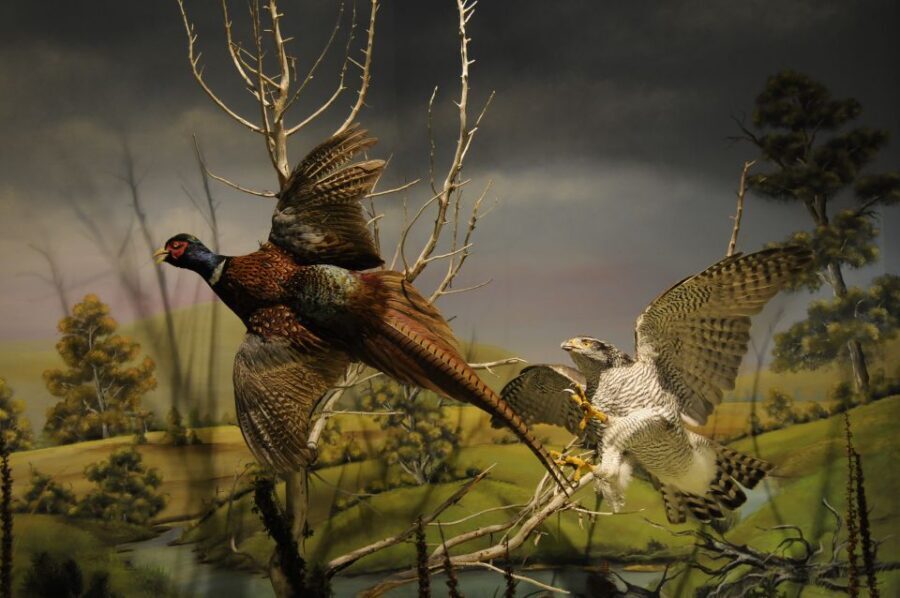
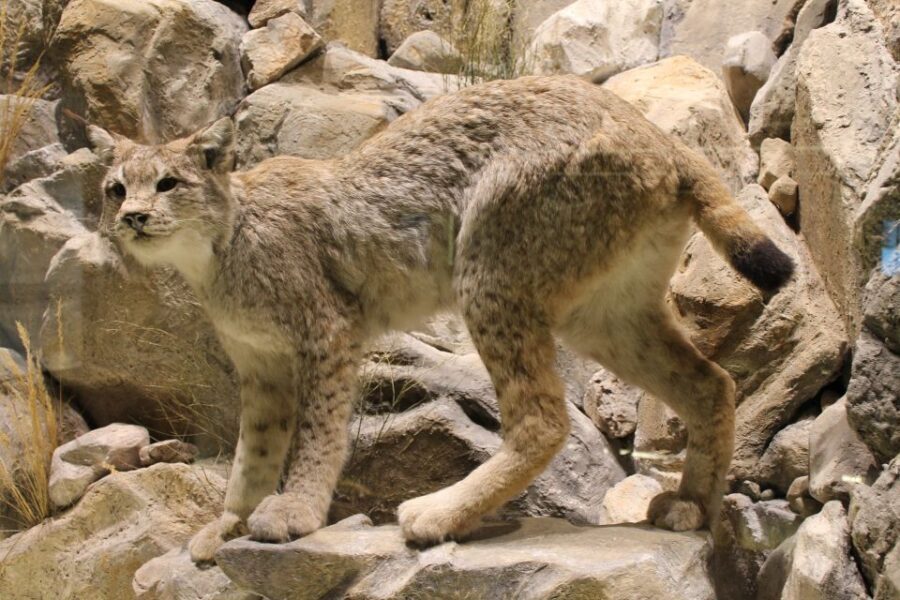
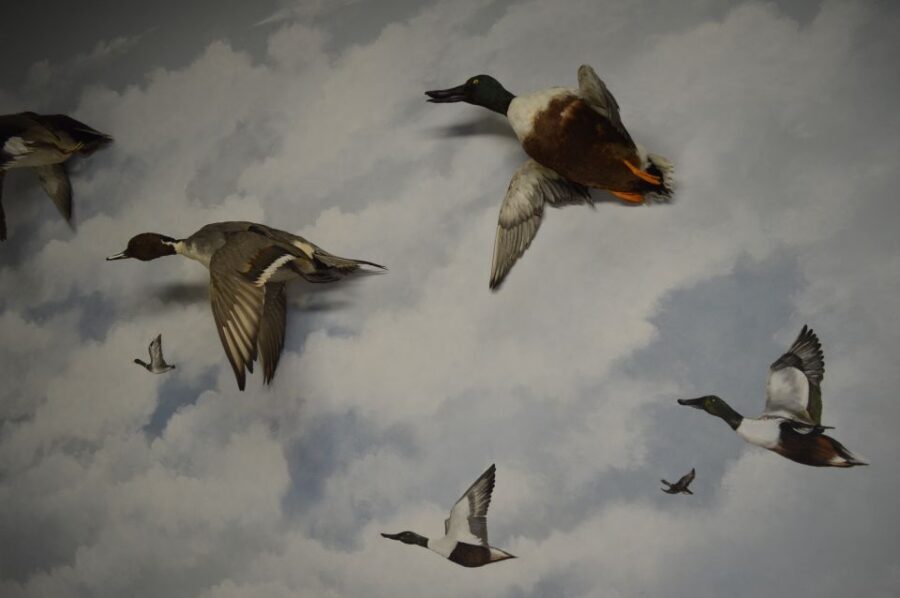
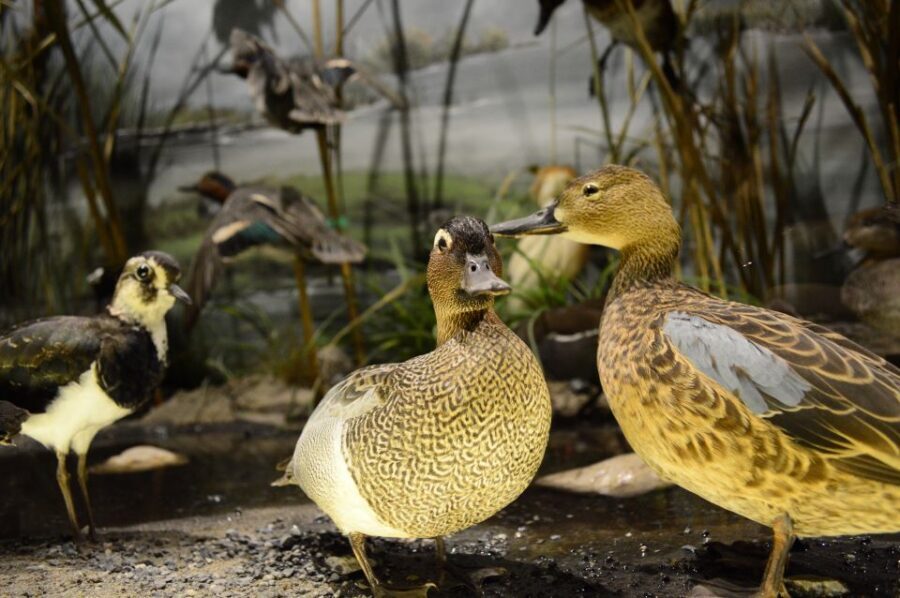
The Natural History side is built around one big idea: animals shown in contexts that feel closer to where they live. The museum features about 350 species of birds and mammals, using high-quality stuffed specimens created by top taxidermists. What makes this section more interesting than a typical “collection room” is how the animals are placed.
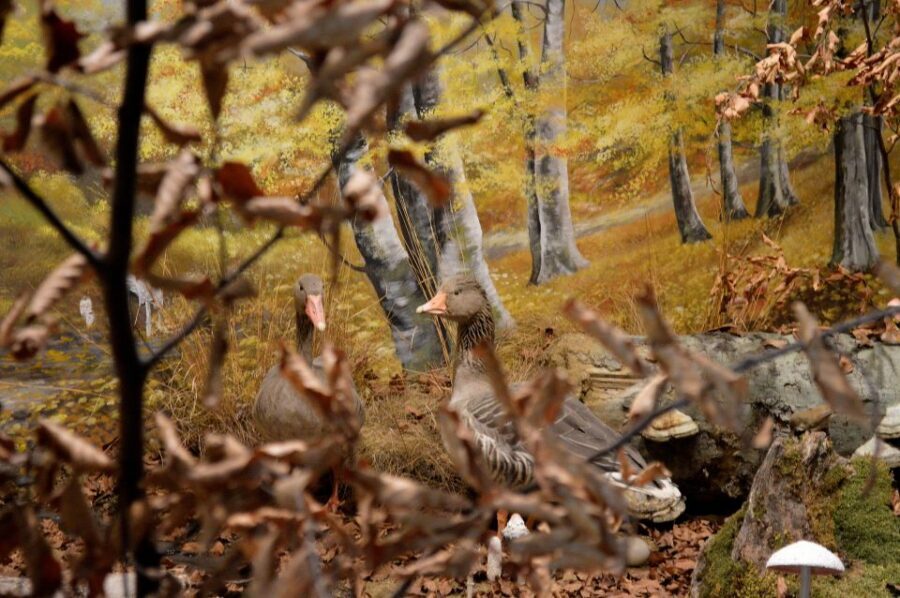
Look for the dioramas—they’re designed to depict the natural terrain where these creatures live and grow. That means you’re not just scanning a label; you’re seeing an animal in a small scene that helps you picture its habitat. It also includes a mix of animals, including extinct species and many endangered or rare ones. That emotional punch can hit fast if you read carefully, because you’re seeing the variety of nature while also seeing what’s been lost or threatened.
If you’re someone who enjoys close observation, this is where you’ll benefit most from the time you spend. Up close, the texture and posture of the specimens do a lot of the work. You can stand back for the big picture, then step in for the “wait, look at that detail” moment.
A practical note on expectations
The museum recommendation is about 1 hour to view everything. If you like to read every label and compare species, you might run a bit long. If your priority is just highlights and tastings, you can comfortably do it within the suggested timing.
Mushroom Museum: handmade fungi sculptures and three stages of growth
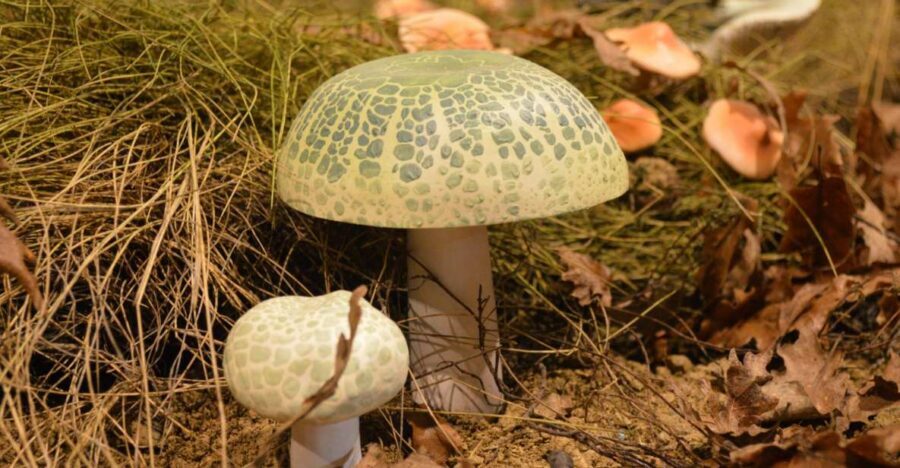
Now for the switch that makes this museum different: the Mushroom Museum. It’s one of the few of its kind, and the focus is intensely visual. You’ll find roughly 250 species of mushrooms, presented through handmade mushroom sculptures.
I like the way the museum keeps the fungi visually consistent. The sculptures are made to maintain similarity in colors, shapes, and size—so you’re not just looking at “cute fungus.” You’re trying to understand how mushrooms differ from one another.
What really helps your understanding is that mushrooms are presented through three stages of development. That gives you a mini education on how a mushroom can change over time. If you’ve ever seen photos that look like different species, this structure helps explain how growth and maturity affect what you’re noticing.
And yes, there are dioramas here too. The displays present mushrooms in staged settings that align with where and how they develop. It’s a clever way to connect the artwork to real natural processes without turning it into a heavy textbook.
The QR code self-guided format: how to make it feel like a real tour
This experience includes a self-guided QR code tour, so you won’t be waiting for a group to shuffle forward. You can move room to room in whatever order keeps your attention.
Here’s how I’d structure it so you get value out of your hour:
- Start with the animals if you enjoy biological variety and want to build context first.
- Then shift to mushrooms once you’re in a “how nature works” mindset.
- Save tastings for the end so your brain is fresh when you start tasting.
The QR format also helps when your language skills are limited. The museum experience is still readable even if you don’t catch every label, because the QR prompts guide you to what to notice.
If you like quiet museums, this is a good match. One of the best things about the vibe is that you’re not fighting for space. That makes it easier to actually look.


Mushroom tastings: what you’ll get and how to think about it
One of the most fun parts is the museum’s tasting setup. You’ll get a free sample, and the experience includes tasting 4–5 mushrooms. Some of the tastings are savory, and you’ll also get the mushroom sweet, described as a Greek innovation.
This isn’t just a “try something and move on” moment. The museum also frames mushrooms as something you need to respect—especially because some are poisonous. By sampling different mushroom products, you can connect the “this is edible” concept with the visual differences you just saw in the exhibits.
A tip for tastings
Tastings are easiest when you take a second to reset your expectations. Think about the mushroom flavors as ingredients, not as “mushroom flavor” in one single uniform way. You’ll likely notice that some are earthy, some are sweeter, and some taste more like a prepared product than like the raw fungus you’re imagining.
And if you’re a picky eater, start with the sweet first, then the savory items. It helps your palate adjust.
The shop and locally-made mushroom/truffle products
After you’ve seen the specimens and tastings, the museum shop makes sense rather than feeling like an automatic add-on. The store carries products created by the museum, including about 60 mushroom and truffle items.
This is where you can turn the experience into something you bring home. The standout in what people enjoy here is that the shop includes items like truffle spread and a mushroom chocolate bar, which are good because they’re compact and giftable.
A practical shopping strategy: buy what you can use right away. If you want something for later, look for shelf-stable items like spreads or packaged sweets. Avoid buying a huge variety of tiny jars unless you’re sure you’ll use them. It can get expensive fast once you start seeing all the options.
Timing your visit: getting value from a 1-day stop
You’re looking at a 1-day experience, and the museum recommends 1 hour to see all exhibits. That’s a rare strength: you can fit it into a day that already includes Meteora viewpoints without feeling like you lost half your day indoors.
Your best time depends on the season. The opening hours are:
- June–September: daily 10:00 AM to 7:00 PM
- October–May: Monday–Friday 10:00 AM to 5:00 PM, Saturday 10:00 AM to 7:00 PM, Sundays and bank holidays 10:00 AM to 6:00 PM
- Christmas Holidays (Dec 1–Jan 6): 9:00 AM to 8:00 PM
If you’re planning Meteora hiking in the morning, consider using the museum as a calmer afternoon stop. If you’re arriving late in town, use it early in the day when you’re still fresh enough to read and compare the species.
Value check: is an $8 ticket worth it?
At $8 per person, this is a high-value museum stop—mostly because you get two different collections plus a tasting. You’re not paying for a single theme. You’re paying for:
- Animal specimens across a wide range of species (about 350)
- Mushroom specimens across another wide range (about 250)
- A guided-by-QR way to focus your attention
- Free tasting plus tasting 4–5 mushrooms
In practical terms, that price works because you can spend enough time to feel like you saw something substantial without committing to a half-day tour.
If you already love nature museums, the value is even better, because you’ll likely take more time with the dioramas and the up-close detail. If you don’t care much about either birds/animals or fungi, you might feel it’s short. But for the price and time, it’s still a solid stop.
Who this museum works for (and who might skip it)
This is a good fit if you:
- Like hands-on-looking details and close viewing
- Enjoy nature topics but don’t want a heavy, lecture-style experience
- Want a change of pace from big scenic sites
- Eat with curiosity and don’t mind tasting new flavors
It’s also good if your group has mixed interests. One person can spend more time on the animals, while another focuses on mushrooms and tasting. The museum layout supports that without feeling like you’re splitting up.
Who might not love it: if you want a long, structured guided tour with lots of conversation, this is mainly self-guided and designed for an hour or so.
Tips to make the most of the exhibits
A few small moves help you see more with less effort:
- Use the QR prompts to find what to notice first, then go back for your own comparison.
- In the animal section, take a moment to look at the scene setting before you focus on the animal. The diorama design matters.
- In the mushroom section, pay attention to the three stages of development. It turns what could be a set of “pretty replicas” into a real understanding exercise.
- Plan on stopping at the shop after you taste, not before. You’ll make better choices when you know the flavors.
Also, the museum has a calm feel. If you arrive with time to spare, you’ll likely enjoy reading and looking rather than rushing.
Should you book the Meteora Natural History and Mushroom Museum tour?
I’d book this if you want an easy, affordable museum stop in Kalampaka that mixes animals, fungi, and tasting without eating your whole day. For $8, you get two permanent collections, a self-guided QR experience, and free mushroom samples plus tastings of 4–5 mushrooms. That combination is hard to beat.
Skip it only if you’re chasing a long guided program or you know you won’t enjoy either stuffed specimens or mushroom-focused exhibits. If you’re even mildly curious about how nature and fungi vary, this is the kind of calm detour that makes a Meteora day feel more complete.
FAQ
Where is the meeting point for the museum?
The meeting point is Pindou 20, Kalampaka 422 00, about 600 meters from the train station and 200 meters from the main street of Kalabaka.
How long does the museum visit take?
It’s recommended to allow about 1 hour to view all the exhibits.
What does the ticket include?
The ticket includes the entrance fee, a self-guided QR code tour, and a free sample of mushrooms.
Do I get picked up or dropped off?
No. Pick up or drop-off at your accommodation is not included.
Is the tour wheelchair accessible?
Yes. The museum experience is listed as wheelchair accessible.
What can I see inside?
There are two permanent collections: an animal collection with around 350 species of birds and mammals, and a mushroom collection with around 250 species.
Can I taste mushrooms?
Yes. You can taste 4–5 mushrooms, and the experience also includes a mushroom sweet tasting.
What are the opening hours?
Hours vary by season. They are June–September: daily 10:00 AM to 7:00 PM; October–May: Mon–Fri 10:00 AM to 5:00 PM, Sat 10:00 AM to 7:00 PM, and Sundays/bank holidays 10:00 AM to 6:00 PM; and Dec 1–Jan 6: 9:00 AM to 8:00 PM.
What is the price and cancellation policy?
The price is $8 per person. You can cancel up to 24 hours in advance for a full refund.