REVIEW · KALABAKA
Meteora Sunset with Photos Stops & to the Cave of St. George
Book on GetYourGuide →Operated by Meteora Tour · Bookable on GetYourGuide
Meteora looks different at sunset. This guided trip from Kalabaka is built around the slow shift of light on the rocks, with stops that make it easy to photograph monasteries without rushing. You’ll also learn why hermits chose these cliffs long ago, not just how they look.
I especially like the many sunset photo stops—the route gives you options so you’re not stuck with one view. I also love the mix of stops: Saint Antonios (where the first hermits came), then a cave visit at St. George the Mandilas, and finally a monastery photo stop.
One thing to consider: there’s walking and uneven ground. This tour isn’t suitable for wheelchair users, so wear proper shoes and expect a bit of climbing and steps depending on where you stop.
In This Review
- Key things to know before you go
- Sunset on the Rocks: Why This Four-Hour Route Works
- Getting Started in Kalabaka: Minibus Comfort and Quick Assembly
- Saint Antonios: The 10-Century Hermit Story You Can See
- A Meteora Monastery Photo Stop: Views, Angles, and Timing
- Cave of St. George the Mandilas: A Different Kind of Sacred
- Final Sunset Photo Spots: How the Light Gets You
- Guides and the “Feel” of the Group Experience
- What You’ll Actually Do: Walking, Steps, and Photo Time
- Price and Value: Is $44 Worth It?
- Who Should Book This Tour (and Who Should Skip It)
- Should You Book This Meteora Sunset Trip?
- FAQ
- How long is the Meteora sunset tour?
- Where do I meet the guide?
- What’s included in the price?
- Are monastery entrance fees included?
- Is there a tour guide inside the monasteries?
- Is the tour wheelchair accessible?
- What languages is the tour guide speaking?
Key things to know before you go
- Small group size (up to 8) makes it feel calmer and easier to hear the guide.
- English and Greek live guide so you’re not left guessing what you’re seeing.
- Saint Antonios sets the scene with the 10-century hermit story tied to Meteora.
- Cave of St. George the Mandilas adds variety beyond monastery viewpoints.
- Multiple sunset stops help you catch better light without sprinting between spots.
- Monastery entrance fees aren’t included, so budget a little extra.
Sunset on the Rocks: Why This Four-Hour Route Works
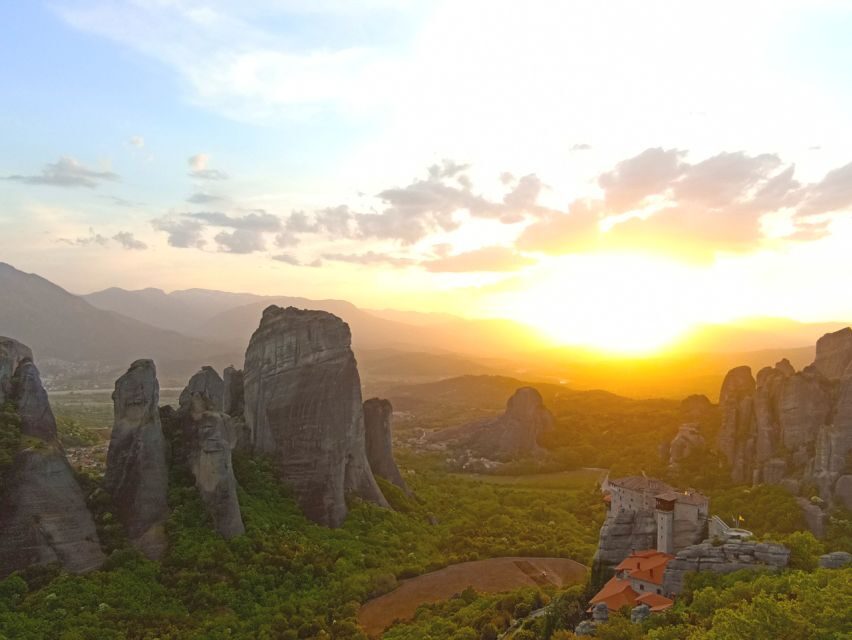
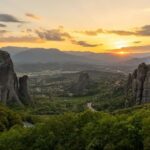
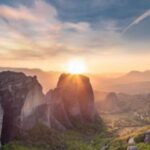
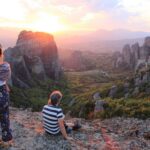
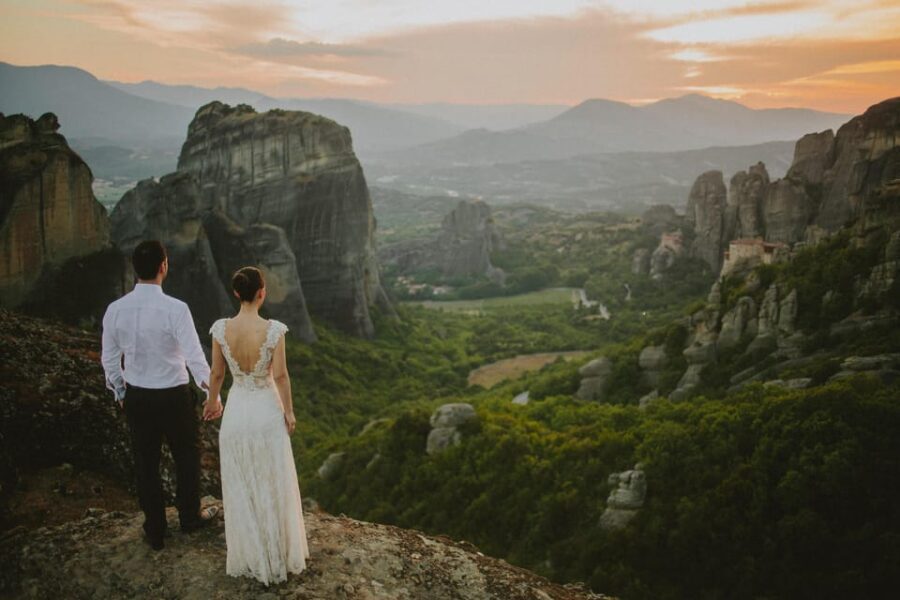
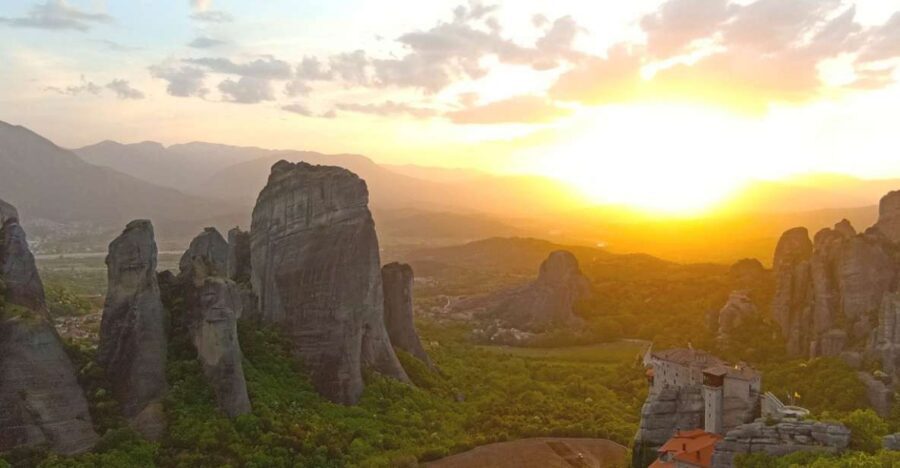
Meteora’s famous for its monasteries perched on rock pillars, but sunset changes the whole mood. At that hour, the stone takes on warmer tones and the shadows get dramatic, which makes even familiar views look new. What I like about this tour is that it’s designed for that timing, with repeated moments to look up, slow down, and take photos while the light is still flattering.
You’re not just “driving past views.” You’re guided from one religious highlight to the next, then pulled back into photo stops as the sky turns. That rhythm matters. It keeps the trip from feeling like a checklist, and it gives you a better chance at getting the shot you actually want.
The practical payoff is also real: in a 4-hour window, you’ll cover a lot of ground with a minibus, a guide, and a built-in plan for when the views look best.
You can also read our reviews of more evening experiences in Kalabaka
Getting Started in Kalabaka: Minibus Comfort and Quick Assembly
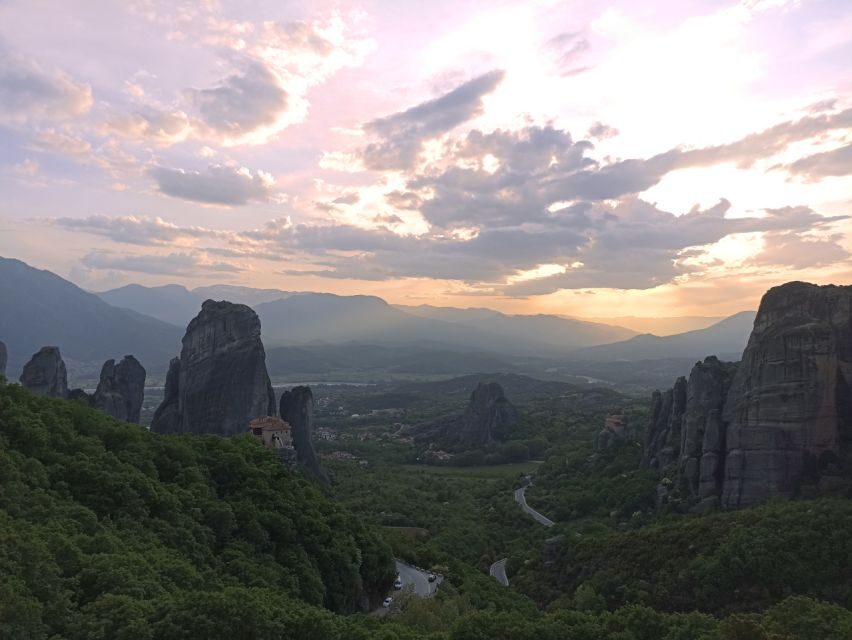
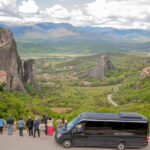
You meet your guide outside the entrance to the Train Station in Kalabaka (Pindou 55). It’s a straightforward meeting point, and it helps you get moving without confusing transfers. Once you’re aboard, you’ll travel by comfortable, air-conditioned minibus.
This part is more than just logistics. A big chunk of Meteora is about positioning—getting to the right rock edges, viewpoints, and cave areas. Using a minibus means you spend your energy on seeing and photographing, not navigating and parking.
One more plus: the group stays small (limited to 8). That usually makes it easier for the guide to work with everyone, including if you want to pause for photos or ask a history question.
Saint Antonios: The 10-Century Hermit Story You Can See
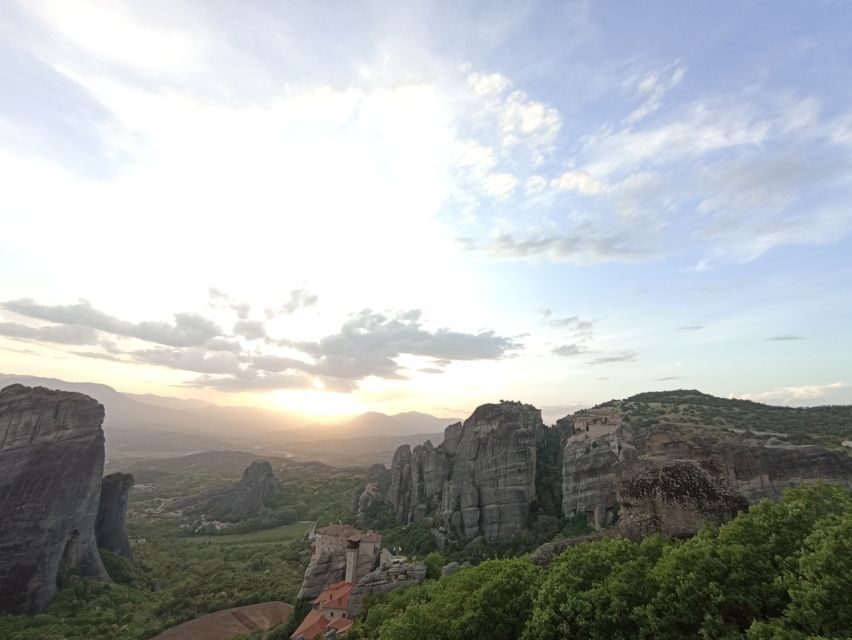
The tour heads to Saint Antonios, a key starting point for understanding Meteora’s monastic origins. This isn’t presented like a lecture from afar. You’re stopping in the area connected to when the first hermits arrived, and your guide explains the idea of isolation that drew monks to these cliffs.
What makes this stop valuable for you is the way it reframes what you’re looking at. Meteora isn’t just a dramatic backdrop. It’s tied to a 10-century story of people seeking solitude in caves and cliff shelters. When the guide talks about that era, the later monastery buildings feel less like random architecture and more like a continuation of a long spiritual pattern.
You’ll also hear how the caves of the region were filled with abandoned hermitages from that period. Even if you don’t go into every cave, the guide’s explanation helps you “read” the landscape more intelligently. You start noticing the logic behind the layout and why the rocks mattered.
A Meteora Monastery Photo Stop: Views, Angles, and Timing
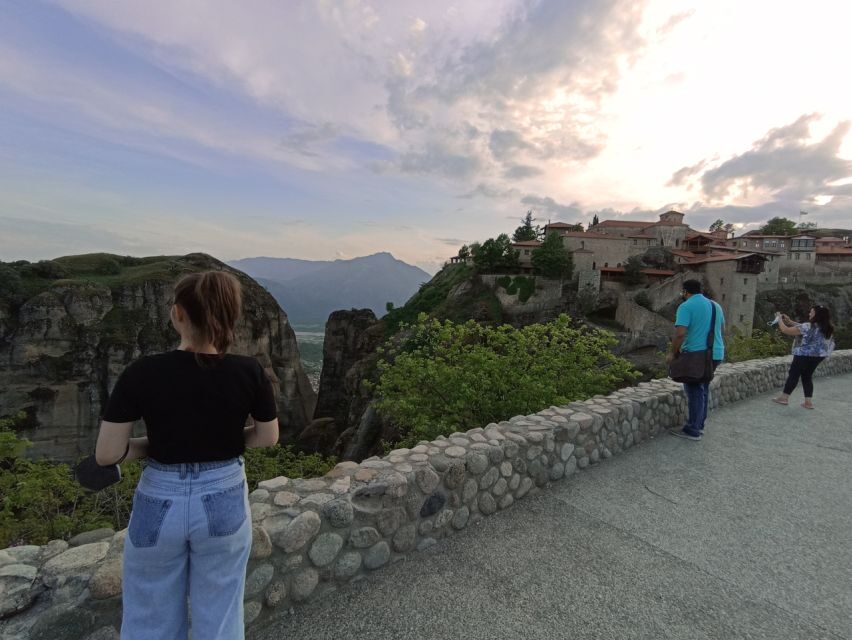
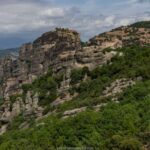
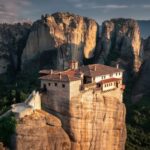
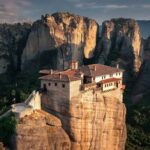
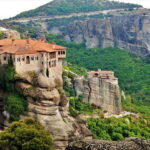
Next comes a drive to one local Meteora monastery, with a stop built for photos. This is a key moment because it’s where your camera work and the guide’s context line up. You get to point your lens at the monastic structures high on the rocks, while you’re also hearing how these religious sites fit into the larger Meteora story.
Here’s what to watch for as you arrive: the best photos usually come from slightly different angles, and this tour’s style encourages you to try a few instead of grabbing one and moving on. With sunset approaching, small shifts in your position can mean big changes in contrast and shadow.
Also, plan on taking photos first, then listening. This helps you capture the view while you have your bearings, rather than trying to switch your brain from photo mode to history mode at the worst possible moment.
A note on access: monastery entrance fees aren’t included. Depending on timing and the specific stop, you might only be able to enjoy the viewpoints from outside, and sometimes an interior visit may or may not be possible. If stepping inside a monastery is a priority for you, it’s worth asking your guide what’s feasible on your departure.
Cave of St. George the Mandilas: A Different Kind of Sacred
After the monastery photo moment, you’ll go to a cave dedicated to Saint George the Mandilas. This is where the tour gains texture. Monasteries are all about walls, roofs, and stone buildings on heights. A cave stop is more about closeness—stone, shadows, and the sense of a sacred space that’s literally carved out of the rock.
Even if you’re not chasing every spiritual detail, this cave visit gives you variety in the overall experience. It also keeps the tour from feeling one-note. You move from broad views (the monastery overlooks) to a more focused, atmospheric site (a cave).
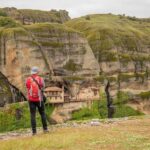
From a practical standpoint, expect some uneven steps and walking. Not every cave area is flat, and you’ll be on your feet long enough that comfortable shoes matter. It’s also the kind of stop where your guide’s storytelling helps you notice what you might otherwise overlook.
Final Sunset Photo Spots: How the Light Gets You
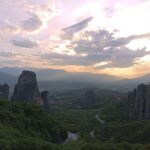
The closing stretch is all about sunset. After the cave, the minibus moves between multiple spots where you can capture the last light over Meteora. This is the “wow” segment, but it’s also the most useful part for practical photography. When you get more than one viewpoint, you aren’t stuck hoping one angle works out.
This is also where the small-group feel pays off. With fewer people, it’s easier to move to a better position without a big crowd pushing you. Guides also tend to adjust the pace based on your group’s energy and timing, and that flexibility can be the difference between rushed photos and thoughtful ones.
One detail I like from the experience style here: the atmosphere is often light and friendly. On at least some departures, the driver and guide team bring a playful vibe that helps everyone enjoy the moment rather than treating it like a photo assignment you must ace.
And yes, the sunset really is the point. If you’re choosing between doing Meteora at midday or waiting for this kind of guided timing, sunset wins for the drama and the softer light.
Guides and the “Feel” of the Group Experience
This tour runs with a live guide in English and Greek, and it’s a small group capped at 8 people. That combination usually helps you get more out of each stop, because you can ask follow-up questions and hear the explanation clearly.
From what I’ve seen in similar Meteora experiences, the biggest quality difference is how the guide handles pacing. Here, the best versions of the tour seem to do three things well:
- keep you moving to the right places without feeling frantic
- give just enough historical context to make the scenery meaningful
- adjust the focus if your group is more into photos, or more into religious history
You might meet a guide like Joanna or Christina, and you may even travel with a driver named Nico who’s known for helping people get great shots from tricky-access spots. The names aren’t the point. The point is that the team often works like a unit: story first, then the photo moment, then back to story.
What You’ll Actually Do: Walking, Steps, and Photo Time
This trip is not a pure sit-and-ride tour. It includes sightseeing, guided explanation, and walks at the stops. Some departures can involve more walking than you expect, especially around cave and viewpoints where the terrain isn’t flat.
So pack for movement:
- Wear shoes with grip. Steps and rocky surfaces are common in this area.
- Bring layers. Sunset weather can turn cooler once the sun drops.
- Plan your photos early. If you wait until the last minute, you’ll spend half the golden light adjusting your stance.
Also, you’ll want to keep your camera ready on the bus. The minibus route itself can offer quick window views. Since the tour is timing-driven, you don’t want to miss a sudden good angle while you’re busy organizing gear.
Price and Value: Is $44 Worth It?
At $44 per person for 4 hours, the value is mainly in what’s included: a guide, minibus transport, and bottled water. That matters because getting around Meteora efficiently can cost time and energy on your own—time you’d rather spend photographing and listening.
The trade-off is that monastery entrance fees are not included, and the tour guide inside the monasteries isn’t included either. In practical terms, you may pay a small extra amount depending on what you can access during your stop and how long you’re able to stay.
Still, for many people, this tour hits the sweet spot:
- You don’t have to plan the sequence of viewpoints.
- You get multiple photo moments built into one route.
- You learn the hermit and saint story behind what you’re seeing.
If your goal is maximum time inside every monastery, you might need a longer, more freeform plan. If your goal is a well-timed sunset experience with context and photo stops, $44 is a pretty fair deal for the amount of ground covered.
Who Should Book This Tour (and Who Should Skip It)
This is a strong fit if you:
- want sunset views from multiple spots rather than one big stop
- like your scenery paired with religious and historical context tied to Meteora’s hermit origins
- prefer a small group so you can hear the guide and move for photos
You should reconsider if you:
- need wheelchair accessibility (the tour isn’t suitable for wheelchair users)
- hate walking on uneven terrain or with steps
- want long, unhurried time in multiple monasteries instead of a photo-heavy route
If you’re traveling with kids, it can work too, because the stop-and-see rhythm and lots of photo viewpoints tend to keep energy up. Just be ready for some movement during the cave and viewpoint sections.
Should You Book This Meteora Sunset Trip?
If you want a Meteora experience that’s photo-focused but not shallow, I think this tour is a smart choice. The combination of Saint Antonios for context, the St. George cave for variety, and multiple sunset photo stops is exactly what makes Meteora feel special when the light turns.
Book it if you want a guided plan that saves you the guesswork and maximizes sunset. Skip it if mobility is a concern or if you’re expecting a long, inside-the-monastery day with minimal walking.
If you do book, bring comfortable shoes and keep your camera accessible. Sunset waits for no one, and this route is at its best when you’re ready to move with the changing light.
FAQ
How long is the Meteora sunset tour?
It lasts about 4 hours.
Where do I meet the guide?
Meet outside the entrance to the Train Station in Kalabaka, Pindou 55, Kalabaka 422 00, Greece.
What’s included in the price?
The guide, minibus transportation, and bottled water are included.
Are monastery entrance fees included?
No. Entrance fees to the monasteries are not included.
Is there a tour guide inside the monasteries?
A tour guide inside the monasteries is not included.
Is the tour wheelchair accessible?
No. This experience is not suitable for wheelchair users.
What languages is the tour guide speaking?
The live tour guide speaks English and Greek.