REVIEW · KALABAKA
Meteora Electric Bike Tour
Book on GetYourGuide →Operated by meteora e-bike · Bookable on GetYourGuide
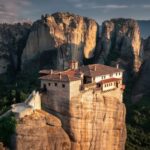
Meteora looks best when you move slowly. This e-bike tour lets you glide into the UNESCO rock zone near Kalambaka and see cliff-suspended monasteries without the stress of traffic or parking. The electric assist matters a lot here, because Meteora is steep, and you’ll still have energy left for photos and viewpoints.
What I like most is the small-group feel and the way the guide, Vasilis, keeps stopping for real explanation and good sightlines. I also love that the route is built so you can reach further than cars, then take your time. One possible drawback: you’ll need to plan for monastery entry costs on-site, and the ride isn’t a good fit if you’re pregnant or have heart problems.
In This Review
- Key highlights you’ll actually feel on the ride
- E-bikes make Meteora make sense (and feel less frantic)
- Meeting in Kalambaka: where your tour starts and why timing matters
- The first part of the ride: safety briefing, helmets, and getting your bearings
- UNESCO Meteora: photo stops and the geology lesson you’ll remember
- Hitting multiple monasteries without the traffic-and-parking headache
- Choosing monasteries: what it feels like when you explore three
- Old remains and hermit caves: the quieter side of Meteora
- Eco-friendly approach and respecting monastic life
- What’s included versus what costs extra
- Rain, sun, and the small stuff that can ruin your day if you ignore it
- Who should book this Meteora e-bike tour
- Should you book this tour or do Meteora another way?
- FAQ
- How long is the Meteora electric bike tour?
- Where do I meet and where does the tour end?
- Are monastery entry tickets included?
- Are helmets and rain gear included?
- What monasteries will I visit during the tour?
- What should I wear for monastery visits?
- Is the tour suitable for everyone?
Key highlights you’ll actually feel on the ride
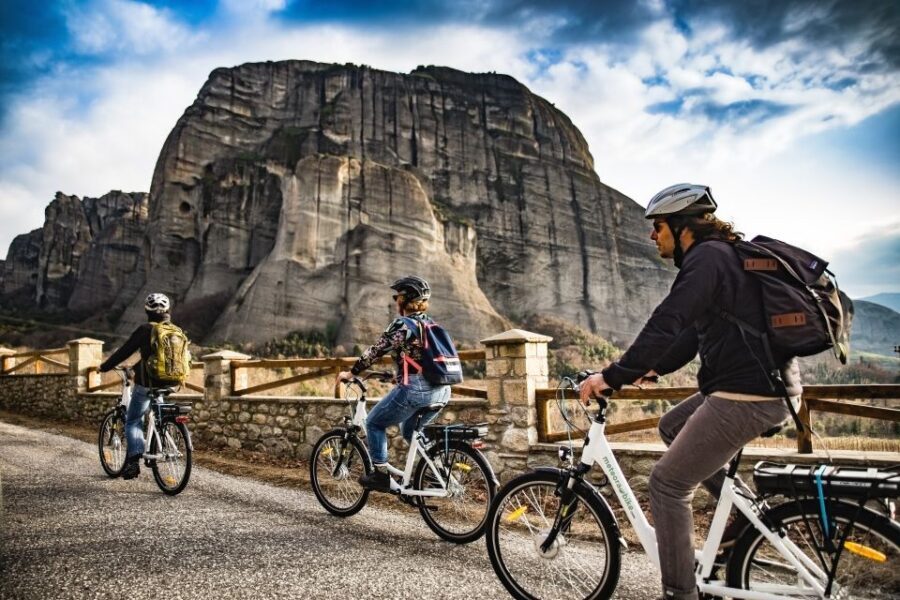
- Electric assist that smooths out the climbs so you can focus on views, not legs burning out
- UNESCO Meteora access with stops you can’t easily time by car
- Vasilis-led storytelling on geology, culture, and religion, with lots of photo breaks
- Monastery circuit without rushing, plus time to explore three operating monasteries
- Eco-friendly, totally nature-respecting approach, including respect for monastic life
E-bikes make Meteora make sense (and feel less frantic)
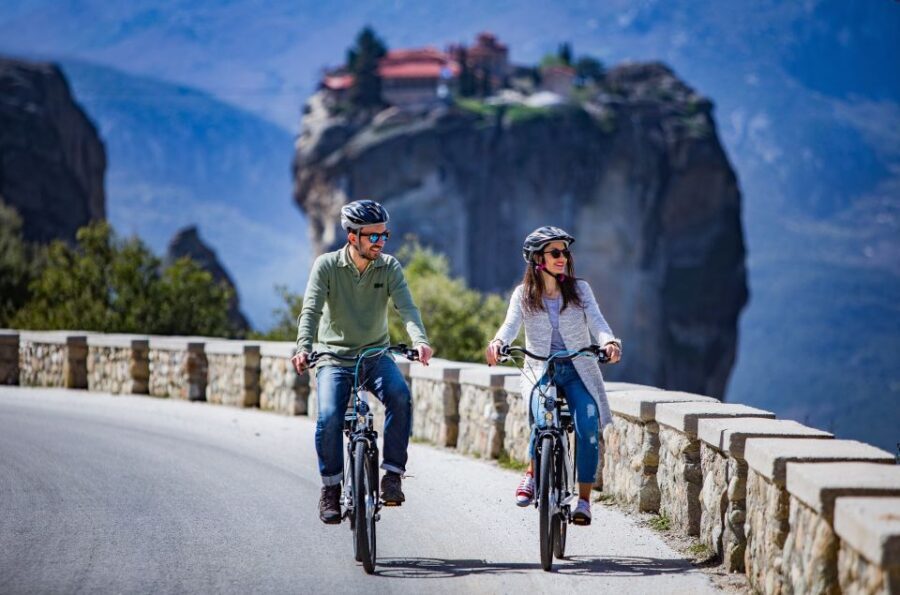
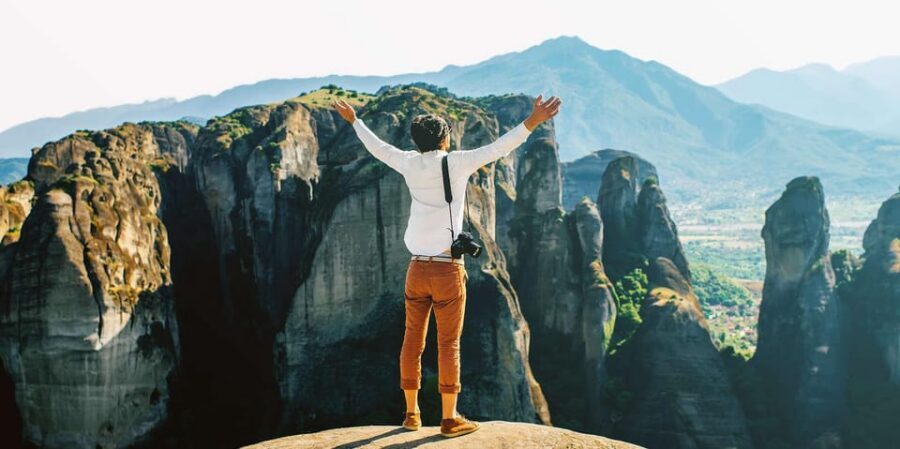
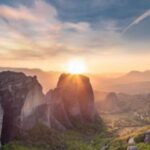
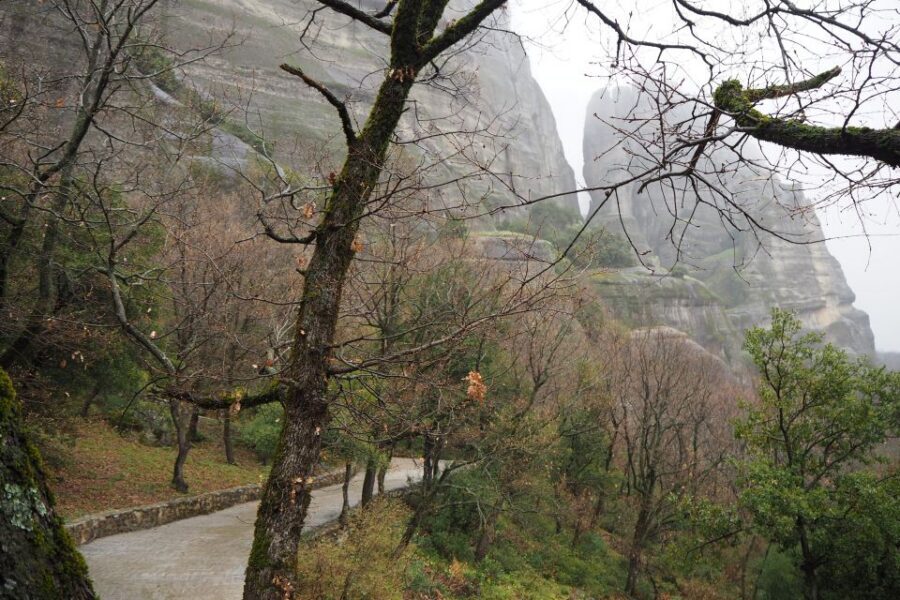
Meteora can be overwhelming fast: rocks everywhere, monasteries perched like they’re floating, and tour buses zipping between viewpoints. An e-bike gives you a better pace. You can actually read the terrain as you ride—how the valley opens, how the rock pillars rise, and how the monasteries sit in specific spots for a reason.
The electric motor is the whole point. Even when the route tilts up, you’re not grinding at human-power speed. That means you can arrive at each viewpoint with enough breath to take in what the guide is explaining. It also means you’re less likely to think only about the next hill and more about what you’re looking at.
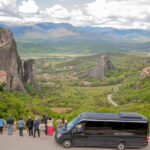
And you’re not fighting the classic Meteora problem: everyone in a hurry, parking lots full, and you spend half your time waiting or backtracking. Here, you’re cycling through the right areas at the right pace, with breaks planned in.
You can also read our reviews of more cycling tours in Kalabaka
Meeting in Kalambaka: where your tour starts and why timing matters
You’ll meet at Ioanninon Street 3, Kalambaka 42200, right opposite the town hall at Meteora E-bike Tours. The tour starts at about 9:00 am and runs until roughly 1:00 pm, then you ride back to the meeting point.
That morning timing is smart. The rocks are dramatic in softer morning light, and you get a calmer start before the day’s busiest monastery moments. Plus, since you’ll be riding, cooler temperatures help—especially if you’re not used to riding on hilly terrain.
The tour operates in small groups or private groups. That’s not just a nice-to-have. In Meteora, you want a guide who can keep an eye on everyone’s comfort level, explain what you’re seeing, and make quick adjustments if a group moves at different speeds.
The first part of the ride: safety briefing, helmets, and getting your bearings
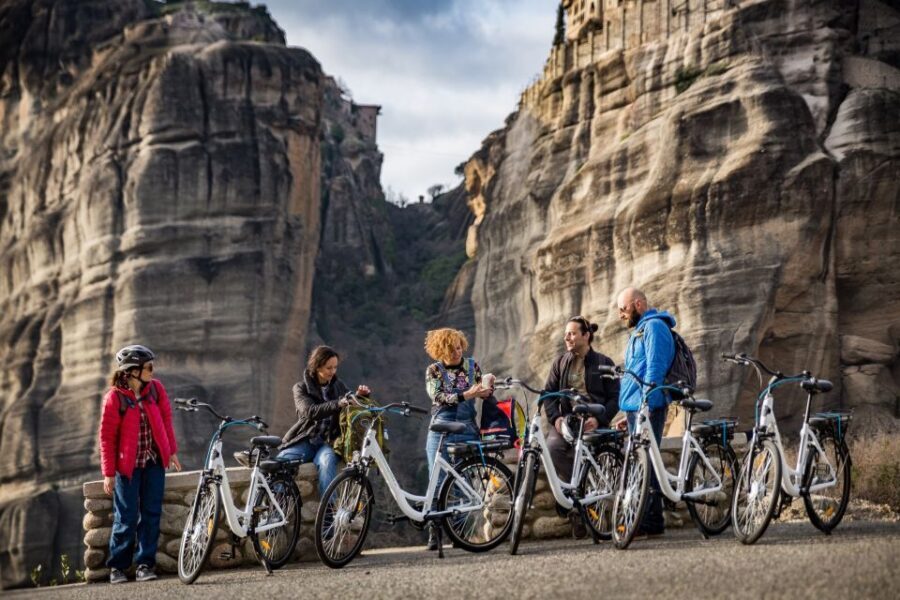
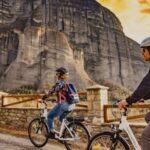
Before you take off, you’ll get a safety briefing and you’ll be set up with a helmet and an e-bike. Helmets are included, so you don’t need to bring one from home. You’ll also get a feel for how the electric assist responds—important because the best part of Meteora is being able to stop and look around, not being stuck trying to pedal harder than you planned.
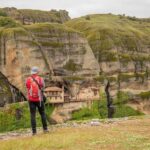
From there, the tour heads from the Kalambaka area up toward the protected Meteora zone. You’re not just riding straight lines. Expect scenic stops—the kind where the guide helps you aim your camera and understand what you’re seeing.
Bring basic sun protection. Sunglasses and sunscreen are recommended because you’ll have open-sky views and bright rock surfaces.
UNESCO Meteora: photo stops and the geology lesson you’ll remember
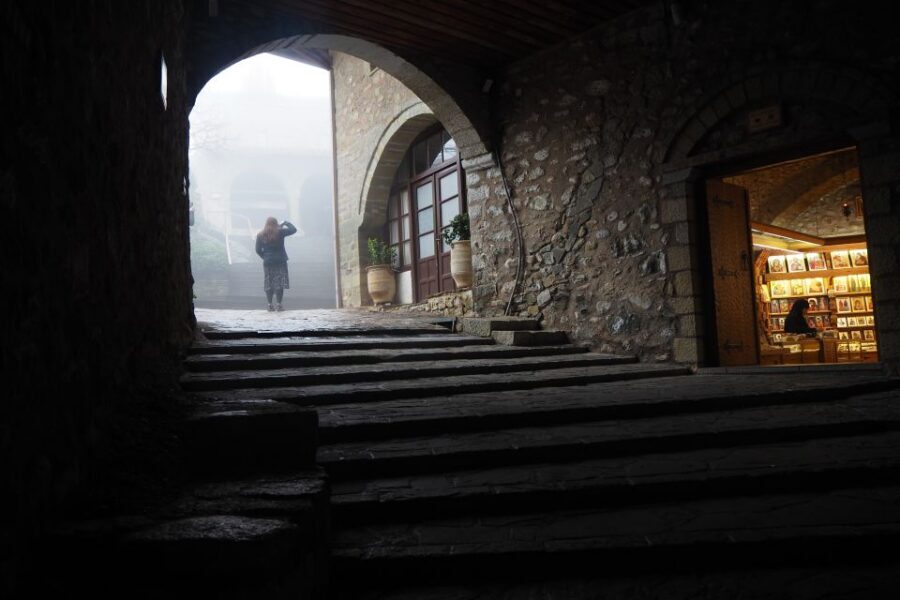
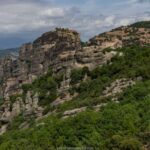
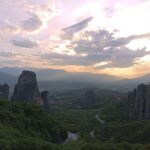
Once you’re in the Meteora rock area, the tour becomes part ride, part outdoors classroom. Your leader explains the geological phenomenon behind the rock pillars and why this place holds monasteries the way it does.
What makes these explanations work is the timing. You don’t get a lecture while everyone’s exhausted. You pause at viewpoints, then you learn what you’re looking at—how the shapes formed, how the valley fits in, and how the cliff locations changed what communities could build and how they lived.
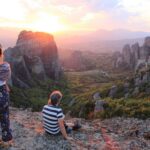
You’ll also get plenty of time for photos. The guide builds in moments where the group can stop, spread out a bit, and take pictures without feeling like you’re being herded along.
A fun bonus: during at least some stops, the tour includes a point related to Game of Thrones filming. Even if you’re not a superfan, it gives you another reason to look closely at the view.
Hitting multiple monasteries without the traffic-and-parking headache
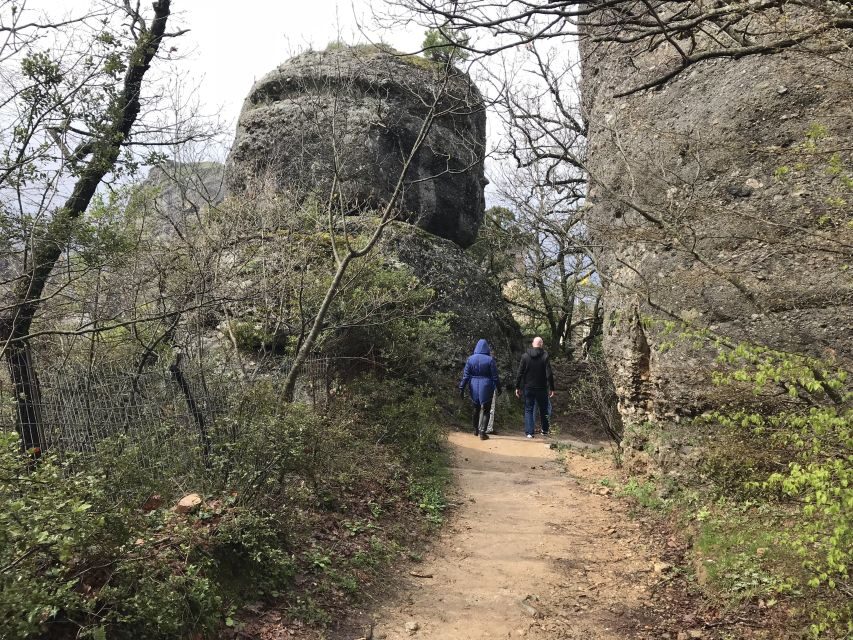
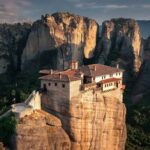
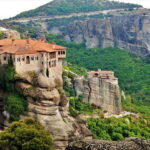
A big promise here is scale: the tour covers all six functional monasteries and also shows old monastery remains and hermit caves. The key detail is that you don’t spend equal time inside all of them.
Instead, you get to visit three operating monasteries. Entry is separate, and you’ll pay on-site. The tour focuses on movement and access between locations, so you can see more of the area than you would if you were just driving and parking hop-to-hop.
In practical terms, this is why the e-bike wins. By car, you’re constantly dealing with routes, parking spaces, and the rhythm of other vehicles. By bike, you can follow the guide’s pace and stop when it makes sense.
Choosing monasteries: what it feels like when you explore three
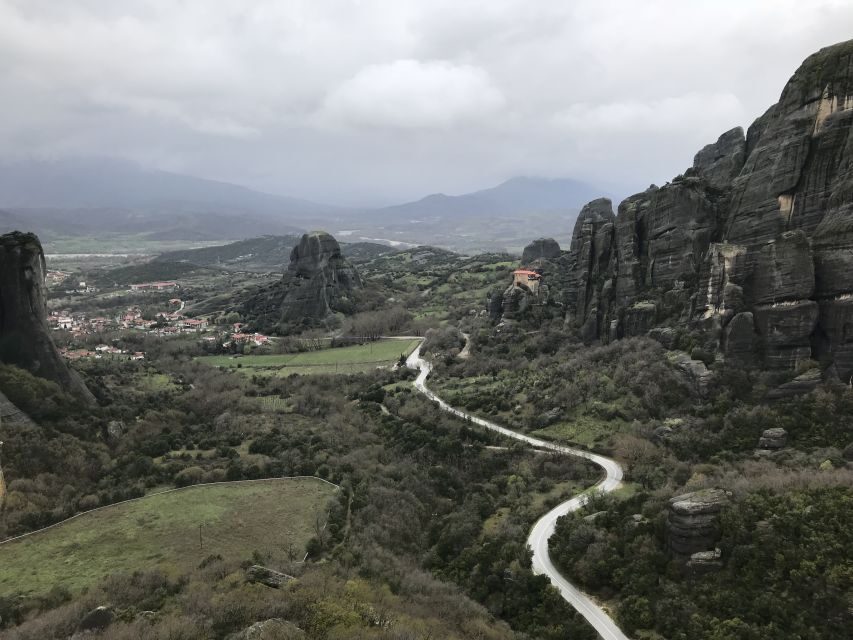
Inside the plan, you’re meant to have time to explore three of the operating monasteries. That’s a good number. It’s enough variety that you don’t feel like you checked off a list, but not so many that your day turns into standing in lines and rushing through rooms.
On at least some days, a well-loved combination includes Varlaam and St Stephanos. You’ll likely recognize them as major names in Meteora, and the timing works well because they give you different angles on the rock setting and the way monastic life was built into these cliffs.
One important note: entry tickets for monasteries are not included. You’ll need about €3 per monastery, and you should bring cash, because credit cards aren’t accepted for those tickets. Also, the tour does not include a guided tour inside the monasteries—you’re getting help for what you see from the outside and during the cycling stops, plus your own time (guided explanations happen around the ride).
Old remains and hermit caves: the quieter side of Meteora
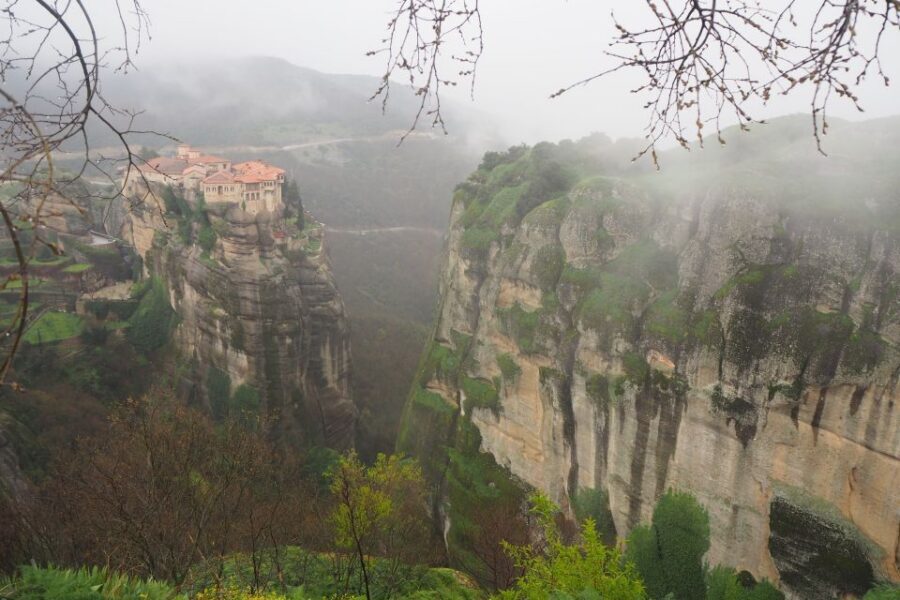
What I appreciate about a tour like this is that it doesn’t treat Meteora like a single backdrop. When you ride to the older remains and hermit caves, you see how the human story goes beyond the main operating monasteries.
The ruins and caves add context. They help you understand that Meteora wasn’t only about one monastery complex—it was a whole ecosystem of devotion, isolation, and adaptation to the cliffs. You get a chance to look beyond the big postcard views.
These stops also give you natural breathing space between visits. Even if you love monasteries, the day is physical. Having viewpoints and quiet areas breaks up the intensity.
Eco-friendly approach and respecting monastic life
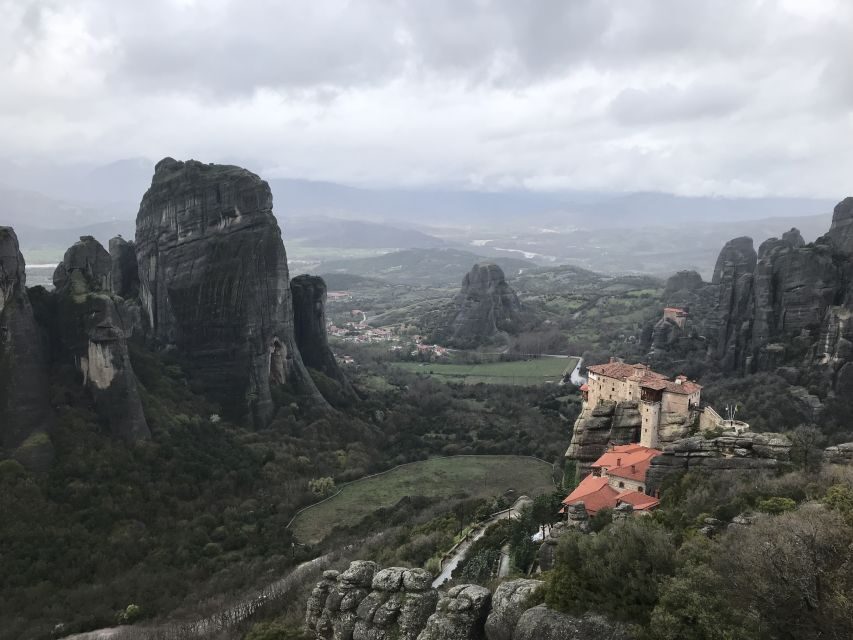
The tour emphasizes an eco-friendly, nature-respecting vehicle approach. That matters here because Meteora isn’t just a viewpoint park—it’s an active religious landscape with people still living nearby and visiting with purpose.
You’ll also get clear expectations for how to behave when entering. When you go into monasteries, plan your clothes ahead.
Dress guidance for monasteries:
- Women should wear a long skirt
- Men should wear trousers or shorts below the knee
If you don’t match the dress code, you may be turned away or asked to adjust before entering. Carrying a light layer for your legs can save the day.
What’s included versus what costs extra
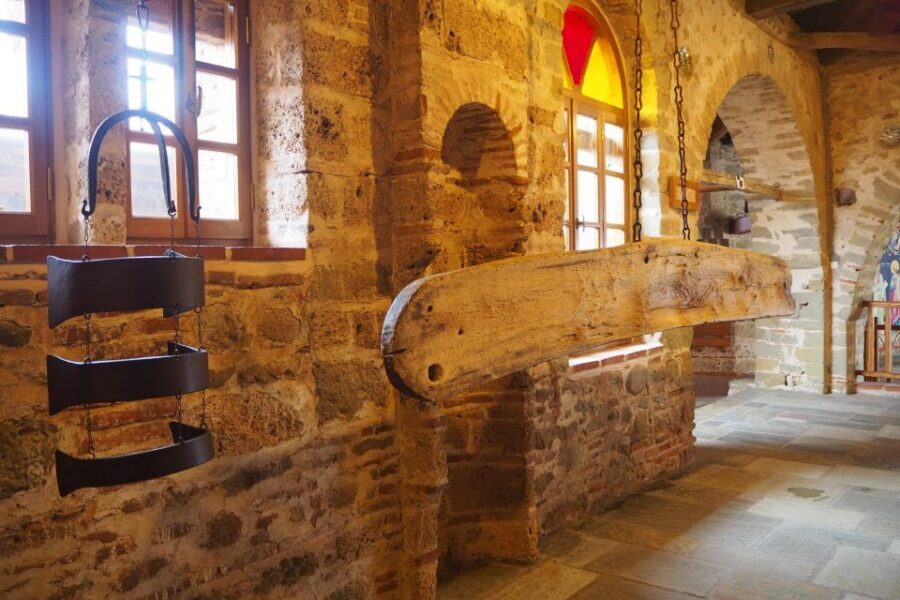
Here’s the clean breakdown of value.
Included:
- Electric bicycle with assist
- Helmet
- Tour leader (English and Greek)
- Light snack and water
- Raincoat if needed
Not included:
- Monastery entry tickets (about €3 per monastery)
- Guided tour inside the monasteries
- Hotel transfer
- Personal expenses
About the snack and water: it’s not just a quick token. The ride includes a light snack and water, and the guide brings it along (so you aren’t expected to lug supplies).
Rain plan: the tour runs even in rain. You’ll get raincoats, which is a big deal in Meteora, where weather can shift quickly.
And yes, there’s a price tag—$51 per person for about 4 hours. For Meteora, that’s fairly reasonable when you consider what’s bundled: the e-bike, guided stops, helmet, snack, water, and rain gear. The only extra you should budget for is monastery entry, which is straightforward once you have cash.
Rain, sun, and the small stuff that can ruin your day if you ignore it
This is one of those tours where preparation changes your mood. A few practical tips based on what you’re actually told to bring and how the day works:
- Pack sunglasses and sunscreen for bright, exposed viewpoints
- Bring cash for monastery tickets (about €3 each; credit cards aren’t accepted for these fees)
- Dress for monastery entry with the long-skirt / below-knee rule
- Don’t assume the weather will be perfect—raincoats are provided, but you should still be ready for wet paths and slick moments
Also, the e-bike does reduce effort, but it doesn’t remove physics. You’ll still be riding on hilly terrain. If balance is an issue for you, ask ahead how the ride is paced.
Who should book this Meteora e-bike tour
This is a strong choice for:
- People who want more than one monastery without spending the day stressing over driving and parking
- Visitors with limited time who still want multiple photo stops and real explanations
- Anyone who likes their sightseeing with a guide who talks about geology, culture, and religion, not just dates and names
It may not be for you if:
- You’re pregnant
- You have heart problems
- You want a slower, self-guided day with long independent wandering inside every monastery (this tour focuses on cycling access and curated viewing)
Should you book this tour or do Meteora another way?
Book it if you want Meteora to feel organized, paced, and photo-friendly. The e-bikes make the climbs realistic, the guide-led stops help you understand what you’re seeing, and the small-group approach keeps the day from feeling like a rush-through.
Skip it in favor of other options if you’re only interested in one monastery and you prefer to handle everything on your own. Also skip if you can’t comfortably ride on a hilly route, even with electric assist.
If you’re deciding today, here’s the easiest rule: if you want to see more of Meteora in a half-day without traffic chaos, this is one of the best ways to do it.
FAQ
How long is the Meteora electric bike tour?
The tour lasts about 4 hours, starting around 9:00 am and ending around 1:00 pm.
Where do I meet and where does the tour end?
You meet at Ioanninon Street 3, Kalambaka 42200, opposite the town hall, and the tour ends back at the same meeting point.
Are monastery entry tickets included?
No. Monastery entry tickets cost about €3 per monastery, and you should bring cash because credit cards aren’t accepted for those entries.
Are helmets and rain gear included?
Yes. You get a helmet, and the tour provides a raincoat if needed. The tour runs even in rain.
What monasteries will I visit during the tour?
The tour covers all six functional monasteries, but you can visit three of the operating monasteries. You can also see old monastery remains and hermit caves.
What should I wear for monastery visits?
For monastery entry, women should wear a long skirt, and men should wear trousers or shorts below the knee.
Is the tour suitable for everyone?
It’s not suitable for pregnant women or people with heart problems. The tour includes an e-bike, but it still involves riding on uneven, hilly terrain.