REVIEW · METEORA
Meteora Tour: Monasteries, Lunch & Optional Athens Transfer
Book on Viator →Operated by Visit Meteora · Bookable on Viator
Meteora hits you fast.
This half-day outing from Kalambaka train station is built for travelers who want the big Meteora feeling without a full day. You get a comfortable ride in an air-conditioned Mercedes Sprinter, a quick viewpoint stop above Kalambaka, and guided time inside major clifftop monasteries perched on dramatic rock formations in the UNESCO World Heritage area.
I especially like two things: the easy station pickup/drop-off (no car stress) and the practical mix of monastery interiors plus the Badovas hermit caves. One thing to plan for: monastery entrance fees for the main sites (like Great Meteoron and Varlaam) are not included, and there’s walking plus stairs with strict dress rules.
In This Review
- Key highlights you’ll actually care about
- Getting to Meteora without losing your day
- Ride comfort: A/C, Wi‑Fi, and the small details that matter
- The UNESCO moment: What you’re looking at (and why it’s special)
- Great Meteoron Monastery: the big, early centerpiece
- Varlaam Monastery: opposite view, different character
- Hermit caves of Badovas: the quieter side of Meteora
- Optional monastery climbs: Agia Triada and Saint Nicholas (Anapafsas)
- What you’ll notice on-site: pacing, cameras, and timing
- Dress code and stairs: the practical part you can control
- Price and value: what $36.28 covers (and what to budget)
- Who this tour suits best
- A note on guides and communication
- Should you book this Meteora tour?
- FAQ
- Where does the tour start and end?
- How long is the Meteora tour?
- How do I get my ticket?
- Is the tour in English?
- Are entrance fees included?
- What’s included on the tour besides the guide?
- Is food included?
- Is there walking or stairs?
- What if the weather is bad?
Key highlights you’ll actually care about
- Mercedes Sprinter pickup from Kalambaka station with A/C, bottled water, and onboard Wi‑Fi
- Interior time at major monasteries, guided by a local English-speaking leader
- Badovas hermit caves included, adding texture beyond the postcard viewpoints
- 45–60 minute site windows that balance seeing a lot with not feeling rushed
- Dress code + stairs are real; bring clothing that fits monastery rules
Getting to Meteora without losing your day
The smartest part of this tour is how it respects your time. Meteora can eat half your day even before you start sightseeing—waiting for transport, finding parking, juggling shuttles. Here, you meet at Sidirodromikos Stathmos Kalampakas and you’re picked up for the drive straight away, with drop-off back at the same place later.
It’s also sized for comfort. The tour lists a maximum of 35 travelers, which usually keeps the group manageable at the viewpoints and inside churches—important because Meteora isn’t a place where you can comfortably “arrive later” and still enjoy the views and details.
And since it’s only about 5 hours, it’s a good fit if you’re moving around Greece and want Meteora to be a highlight, not a major detour.
You can also read our reviews of more tours and experiences in Meteora.
Ride comfort: A/C, Wi‑Fi, and the small details that matter
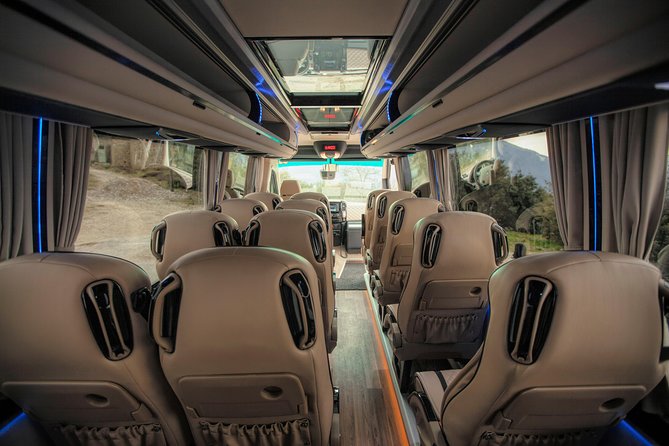
You’ll travel in a Mercedes Sprinter minivan, which is a big deal on a hot day or right after a train arrival. The ride includes air conditioning, bottled water, and onboard Wi‑Fi, so you’re not stuck relying on your phone’s battery while you’re trying to find your bearings.
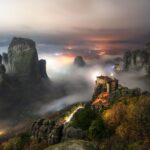
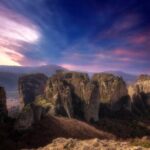
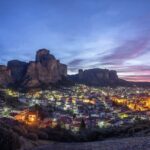
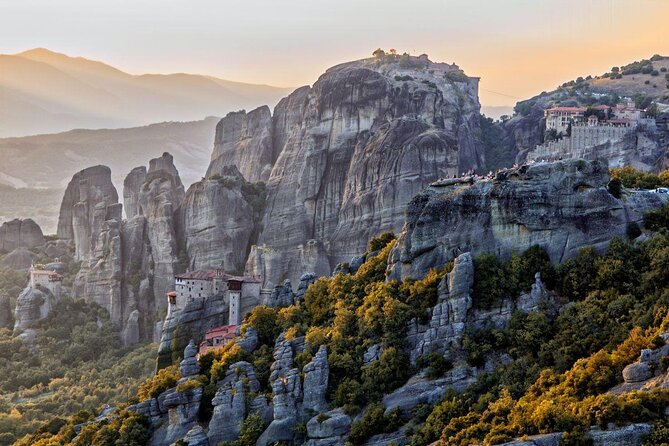
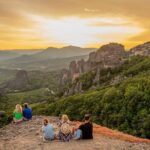
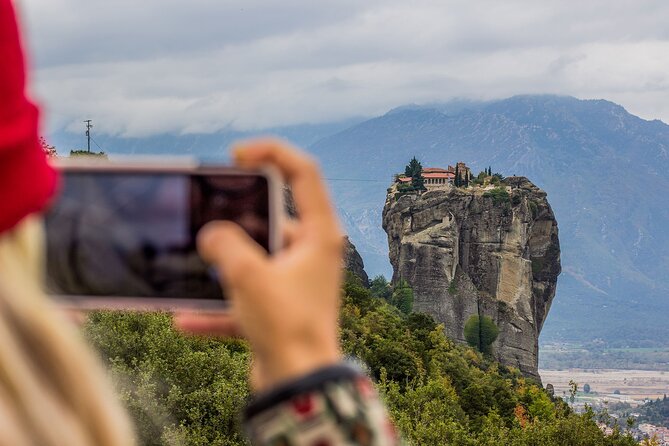
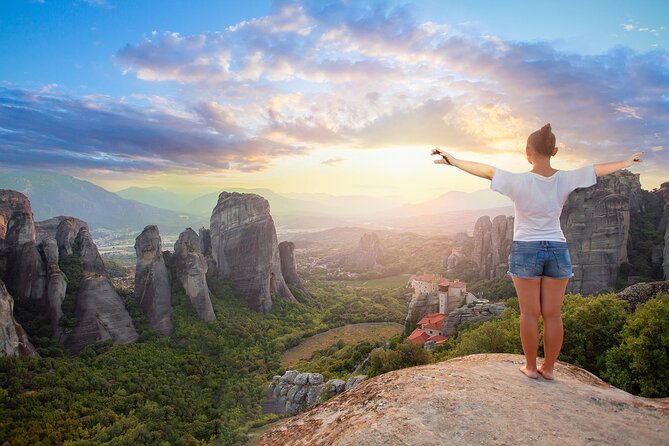
There’s also a brief stop at a viewpoint above Kalambaka, which works as a mental warm-up. You’ll see the sprawling valley and the sheer rock pillars that make Meteora famous. This matters because once you understand the geography, the monasteries start to make sense—you can tell how the monks used the rocks as natural fortresses and privacy walls.
The UNESCO moment: What you’re looking at (and why it’s special)
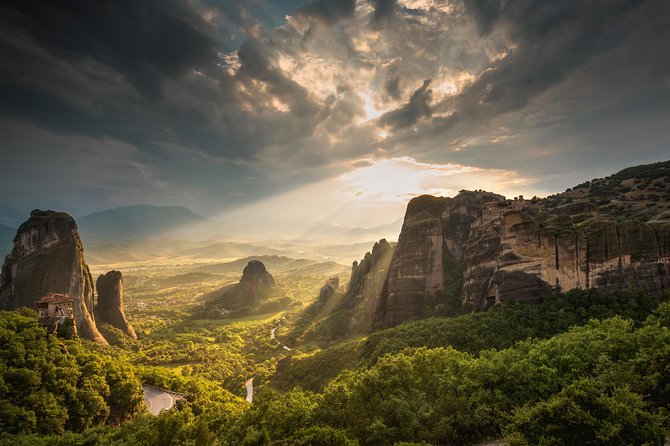
Meteora isn’t just impressive architecture. It’s an unusual blend of faith, geography, and survival logic. The monasteries were built high up for reasons that were both spiritual and practical: privacy, safety, and a way to live away from daily chaos while still building a religious community.
That’s why you’ll get guided context as you move between sites. You’ll hear about the rock formations and how the monasteries were organized and sustained on cliff edges that don’t look climb-friendly at first glance.
Even if you’re not chasing religious experiences, you’ll likely appreciate the human problem-solving here. These places are hard to reach on purpose. That’s the point.
Great Meteoron Monastery: the big, early centerpiece
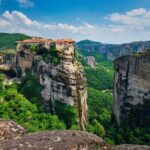
Great Meteoron is the name most people associate with Meteora, and for a reason. It’s described as the biggest and oldest monastery in the area, built atop a massive rock formation that made it feel like a sanctuary suspended in the air.
You’ll typically have around 1 hour here, which is a fair amount of time for an interior visit. Inside, the guide’s explanations help you look past the obvious wow-factor and notice what makes a monastery function as a community—how the space is organized, how the church relates to the monastic life, and why these sites were designed for both spiritual focus and physical resilience.
One detail worth keeping in mind: the tour notes that entrance fee is not included for Great Meteoron (listed at €5.00 per person). If you want fewer surprises on the day, plan to budget for fees at the monasteries you enter.
Varlaam Monastery: opposite view, different character
After Great Meteoron, Varlaam gives you a complementary perspective. It’s the second biggest monastery and sits opposite Great Meteoron, which helps you understand Meteora as a system—not just one isolated viewpoint.
Varlaam’s story goes back to the mid-14th century, with its founding attributed to Hosios Varlaam. You’ll also get time inside the church area—around 45 minutes is allotted—where you’ll encounter the decorated Catholicon (main church).
The tour description highlights wall-paintings connected to artists and hagiographers, including work attributed in 1548, with the guide connecting the dots between style and religious storytelling. If you like religious art, this is where the tour earns extra points. Even if you don’t, you’ll still benefit because the paintings help you understand how monks experienced the space—through images as well as architecture.
Entrance fees for Varlaam are also listed as not included (again €5.00 per person).

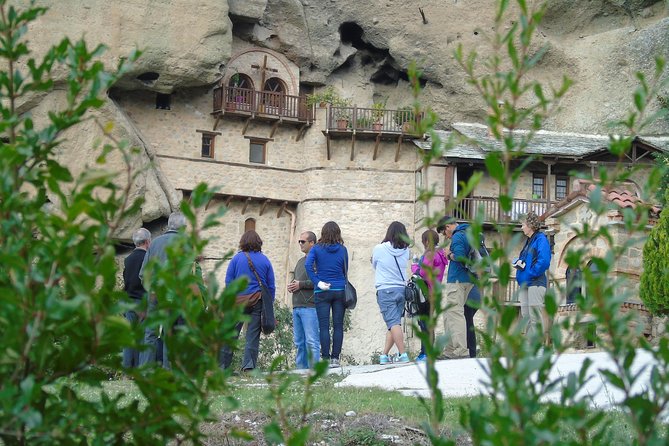
Hermit caves of Badovas: the quieter side of Meteora
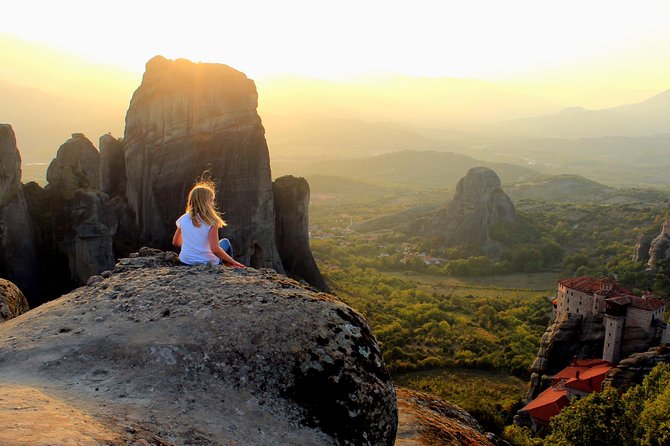
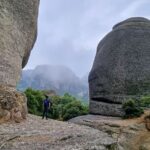
This is the stop that often turns a “great views” day into a “now I get it” day. The tour includes the hidden hermit caves of Badovas, which add a different layer to the Meteora story.
Monasteries are visible, dramatic, and built for community. Hermit caves are harder to spot and were designed for solitude. So when you add Badovas, you’re not only seeing the places where people met—you’re seeing the places where people withdrew.
Even if the caves aren’t where you spend the longest time, they can reshape what you think of Meteora. Instead of only imagining big churches on cliff tops, you start seeing the broader monastic lifestyle built around distance, restraint, and self-imposed challenge.
Optional monastery climbs: Agia Triada and Saint Nicholas (Anapafsas)
Meteora includes monasteries that feel more “earned” because the access is physically demanding. The tour description specifically calls out:
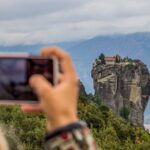
- Holy Trinity Monastery (Agia Triada) as the most difficult to reach, reached by a pathway and about 140 steps
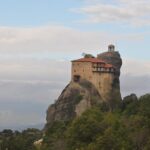
- Saint Nicholas of Anapafsas as the first monastery encountered on the way up, founded at the end of the 14th century, tied to the meaning of Anapafsas as a resting place interpretation
Whether you visit these particular sites inside and how the exact timing feels will depend on the day’s flow, but they are part of the planned monastery experience in this tour format.
If you enjoy panoramic views, Agia Triada is the one that sounds like it will reward the effort. If your priority is early history and a monastery stop that sits on the journey upward, Anapafsas is worth your attention.
What you’ll notice on-site: pacing, cameras, and timing
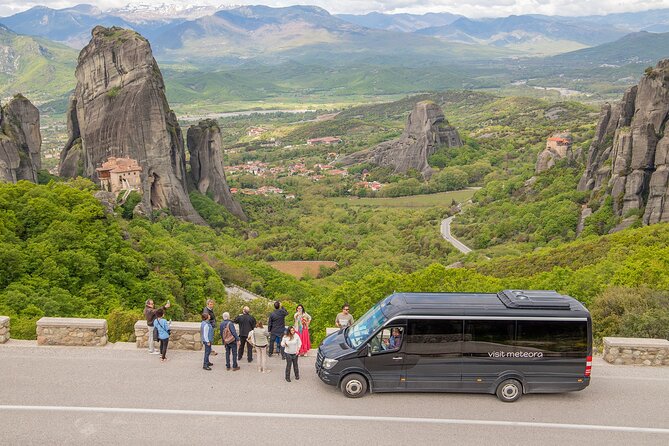
This tour uses site windows (around 45 minutes at some stops and about 1 hour at Great Meteoron). That pacing is intentional. Meteora can turn into a time sink if you let yourself get stuck taking photos from the same spot.
Here’s how to use the timing well:
- Start by looking wide first. Get the scale of the rocks and the church positions. Then switch to details.
- Bring your camera ready, because the viewpoint above Kalambaka and the monastery edges both do the heavy lifting.
- Don’t plan to sprint. The day is structured enough that you can walk steadily and still catch what matters.
If there’s time, the tour may include a quick stop in Kalambaka town before you return to the station.
Dress code and stairs: the practical part you can control
Monasteries are not theme parks. They’re active religious sites, and the rules help set expectations.
You’ll need appropriate clothing:
- Ladies: no short skirts; long sleeves are required
- Men: no shorts allowed
You should also expect a small amount of walking plus stairs to climb inside the monasteries. That means comfortable shoes matter more than anything you can pack for fashion.
Service animals are allowed, and the tour notes most people can participate, but if you have mobility limitations, you’ll want to think carefully about steps and uneven paths.
Price and value: what $36.28 covers (and what to budget)
The listed price is $36.28 per person for a half-day tour, which is attractive when you compare it to the cost of arranging your own transport plus hiring a guide.
But there’s a clear split:
- Included: bottled water, Wi‑Fi, A/C vehicle, local English-speaking tour leader, and visits that include inside monasteries plus Badovas hermit caves
- Not included: food and drinks (unless specified) and monastery entrance fees for key sites (Great Meteoron and Varlaam, plus Agios Stefanos at €5.00 per person)
So the real question is the total cost for your specific itinerary. If you plan to enter the main monasteries, you’ll need to set aside extra euros beyond the base price.
For many people, that still feels like good value because you’re paying for guided time at multiple sites with transportation solved. You’re not paying for expensive downtime.
Who this tour suits best
This is a strong match if:
- You’re short on time and want a half-day Meteora hit from Kalambaka
- You prefer a guided structure so you don’t waste time figuring out logistics
- You want both the big-name monasteries and a less obvious element like the Badovas hermit caves
- You care about comfort: A/C vehicle, bottled water, and Wi‑Fi help a lot when your schedule is tight
It may feel less ideal if:
- You want a slow, unhurried day with lots of free wandering between sites
- You want food included (this tour does not list meals as included)
- You’re hoping for zero stairs or zero dress-code constraints (both are part of the experience)
A note on guides and communication
This is offered in English, and the tour lists a local English-speaking tour leader. In the past, guides have been praised for friendliness and real problem-solving—one example includes a guide and driver who handled an air-conditioning complaint by switching vehicles quickly. Another review highlighted Eva as a standout guide.
One practical caution: if you need the tour in another language, check what’s available at booking time. The tour is explicitly listed as English, so you’ll want clear expectations early.
Should you book this Meteora tour?
Yes, I’d book it if you want the Meteora highlights efficiently, with transport handled and guided context built in. The combo of major monastery interiors + Badovas hermit caves, plus the Kalambaka station pickup/drop-off, makes it a practical value choice for a half-day.
I’d only hesitate if you’re sensitive to stairs, you have strict clothing limitations, or you’re hoping for an all-inclusive day with meals. In those cases, you may want either a longer Meteora day or a more tailored option.
If you’re flexible, bring the right outfit, wear comfy shoes, and plan on paying the listed monastery entry fees. Do that, and you’ll get a Meteora experience that feels full—without feeling like it swallowed your whole itinerary.
FAQ
Where does the tour start and end?
The tour starts at Sidirodromikos Stathmos Kalampakas (Kalabaka 422 00, Greece) and ends back at the same meeting point.
How long is the Meteora tour?
The duration is approximately 5 hours.
How do I get my ticket?
You’ll receive a mobile ticket after booking.
Is the tour in English?
Yes. The tour is offered in English, and you’ll have a local English-speaking tour leader.
Are entrance fees included?
No. Entrance fees for Great Meteoron Monastery (€5.00 per person) and Varlaam Monastery (€5.00 per person) are not included, and Agios Stefanos is also listed as €5.00 per person.
What’s included on the tour besides the guide?
It includes bottled water, Wi‑Fi on board, an air-conditioned vehicle, and visits inside monasteries plus the hidden hermit caves.
Is food included?
Food and drinks are not included unless specified (the tour data lists food/drinks as not included).
Is there walking or stairs?
Yes. There is a small amount of walking, and there are stairs to climb inside the monasteries.
What if the weather is bad?
The tour requires good weather. If it’s canceled due to poor weather, you’ll be offered a different date or a full refund. The cancellation policy is free cancellation, with full refunds if you cancel at least 24 hours in advance.