REVIEW · METEORA
Meteora Trails Electric Mountain Bike Tour
Book on Viator →Operated by Meteora e-Bike · Bookable on Viator
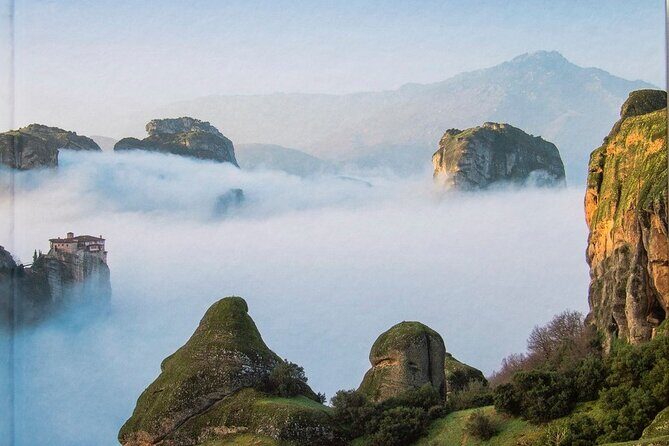
Meteora looks different from your handlebars. This electric mountain bike tour has you cycling from Kalambaka and Kastraki up into Meteora’s trail system, with two historic monastery stops in the UNESCO-listed valley. I love the electric mountain bike assist that keeps the hills fun, and I love that you’re not stuck with a map because the local cycling guide handles the route. One thing to consider: this ride is technical off-road, so you’ll need moderate fitness and you should not expect it to feel like an easy cruise.
Plan on roughly 2 to 3 hours on the bike, starting at 9:00 am from Ioanninon 3 in Kalampaka, with a maximum group size of 8. It runs in English, uses a mobile ticket, and includes the helmet and e-bike you’ll need for the day. You’ll also stop for local snacks and bottled water along the way, plus extra protective gear or layers if you request them.
The riding mixes dirt roads and MTB-style trails, including sections through the oak forest of Meteora. That mix is the whole point: you get those jaw-dropping views while you’re actually moving, not just standing still.
In This Review
- Key reasons you’ll like this e-bike ride
- Electric help for Meteora’s climbs: what the e-bike actually changes
- Kalambaka start and fit-up: setting you up before the trail work
- Kastraki village riding: the warm-up plus the local context
- Meteora MTB trails: where the ride earns its wow moments
- Hidden monastery time: Ypapanti and Varlaam in two distinct stops
- The return ride: back to the village with different trails and views
- What’s included (and what you should bring) for a smoother ride
- Who this tour suits best in Meteora (and who should skip it)
- Price and value: is $72.29 worth it?
- Quick safety and comfort notes before you go
- Should you book Meteora Trails Electric Mountain Bike Tour?
- FAQ
- How long is the Meteora Trails Electric Mountain Bike Tour?
- Where does the tour start in Kalampaka?
- What time does the tour begin?
- What’s included with the tour price?
- Is the tour recommended for beginners?
- How big are the groups?
- What if the tour is cancelled due to weather or if I cancel my booking?
Key reasons you’ll like this e-bike ride
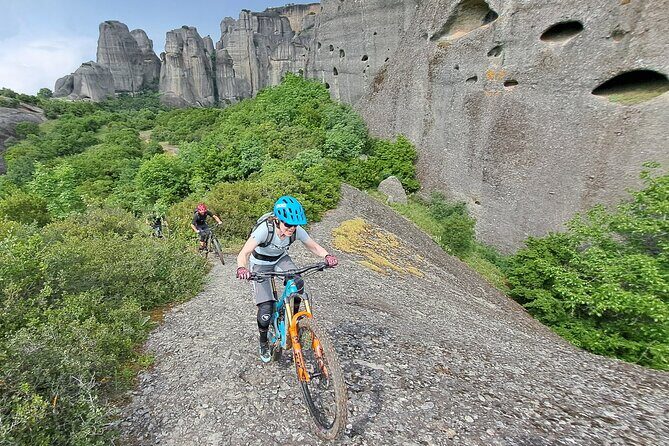
- Electric assist for real climbs: hills feel manageable without turning the day into a sightseeing bus.
- You skip the map: your guide plans the route and helps you focus on safe riding.
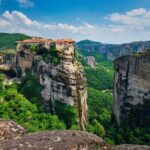
- Off-road views you can’t replicate on foot: trail vantage points over Meteora’s monastery cliffs.
- Two monastery stops, different perspectives: Ypapanti (with big viewpoints) plus the Varlaam area.
- Local snacks mid-ride: a real break, not just a quick photo stop.
Electric help for Meteora’s climbs: what the e-bike actually changes
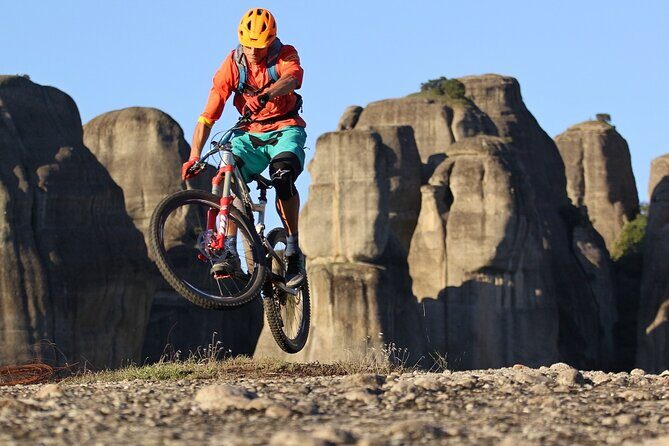
If you’re even slightly intimidated by hills, the e-bike is the reason this tour feels doable. You still ride your bike, still steer, still brake, but the motor gives you support when the grade kicks up. That means you spend less time fighting elevation and more time enjoying the ride and the scenery.
The balance matters here. The tour is described as not for beginners, and that makes sense: technical trails need control, and the e-bike’s help doesn’t replace good bike handling. What it does replace is the energy drain. Instead of arriving exhausted, you can stay alert and ride smoother through the rough bits.
You’ll also feel the difference in pacing. The route doesn’t just aim for one viewpoint; it layers village streets, off-road riding, and trail connections. With the motor assistance, the hills become part of the experience rather than a barrier.
You can also read our reviews of more cycling tours in Meteora

Kalambaka start and fit-up: setting you up before the trail work
The tour begins at the operator’s office in the center of Kalampaka on Ioanninon 3. Before you roll, there’s a bike fit and a short briefing, which is a big deal for comfort when you’re going from paved surfaces to uneven ground.
Stop 1 is Kalambaka. It’s brief—about 15 minutes—and the goal is to get you positioned correctly so you’re not fighting the bike later. If your saddle height or reach is off, it can make steering on trails feel harder. Getting that sorted early is one of the easiest “value-added” parts of the day.
Then you head off toward Kastraki, which keeps the ride from feeling like all uphill, all at once. That matters if you’re coming into the tour with jet lag or if your legs just need a little time to wake up.
Kastraki village riding: the warm-up plus the local context
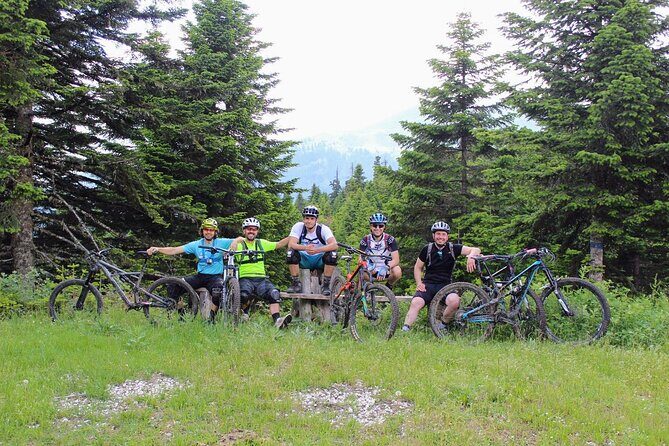
In Kastraki (about a second 15-minute stop), you ride through the village first. There’s a small pause for final adjustments and a bit of history about the village, and then you transition into the off-road part.
This is a smart design. You’re not dropped immediately onto trail surface. You get a chance to settle into the bike, confirm your comfort, and learn what the guide expects from you. That’s especially helpful because the route later involves dirt roads and technical MTB-style sections.
One practical point: village streets can be deceptively tricky if the bike is new to you. Knees, hands, and braking feel different with an electric bike. This setup time makes the later off-road part feel more controlled.
Meteora MTB trails: where the ride earns its wow moments
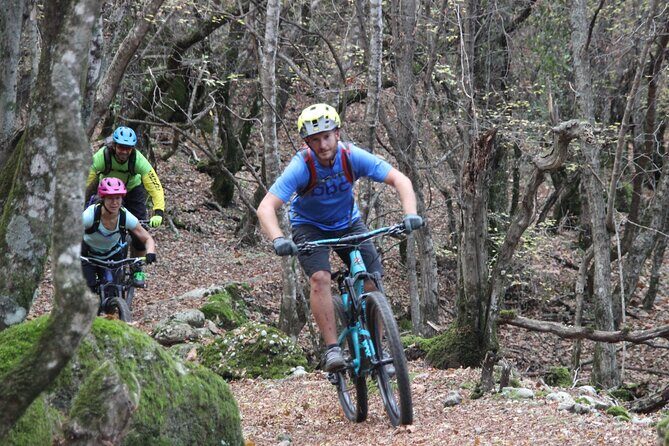
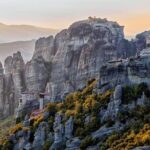
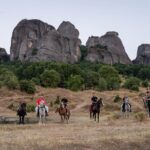
Stop 3 is the heart of it: Meteora’s trail network. After leaving Kastraki, you ride under the shade of Meteora’s oak forest, then into a well-maintained complex of MTB trails. This is where the tour’s main promise shows up—seeing Meteora from a unique cycling vantage point while still getting guided stops for key attractions.
The itinerary lists about 2 hours at this stage, and it’s a mix of trail and dirt-road riding. That mix is important. Trails bring the climbs, turns, and texture changes. Dirt roads keep the legs moving and give you moments to catch your breath and enjoy the view.
Expect an endorphin-style push here, but also expect focus. Off-road riding isn’t just about effort; it’s about balance and line choice. Keep your eyes up for footing changes, and don’t treat every uneven patch like it’s the same. The bike will be helping you with power, but your body still has to do the steering and braking work.
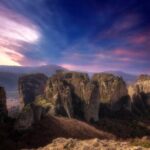
If you like the outdoors more than you like crowds, this segment is the payoff. You’re not just seeing Meteora—you’re traveling through it at bike speed, which changes what you notice: the angles of the cliffs, the layers of rock, and the way monastery viewpoints appear as you turn a corner.
Hidden monastery time: Ypapanti and Varlaam in two distinct stops
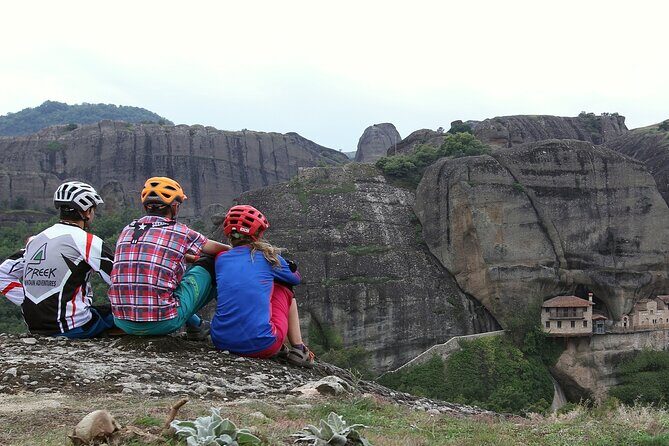
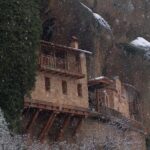
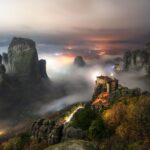
Stop 4 takes you to Moni Ypapantis tou Kyriou, described as one of Meteora’s hidden monasteries. You’ll reach it and then take about 20 minutes there. What makes this stop special is the pause for snacks and views next to the statue of Eythimios Vlachavas, right across.
That snack break is more than food. It’s when you refocus. After a technical riding section, having a clear moment to sit, look, and reset your hands and legs helps the rest of the route feel easier.
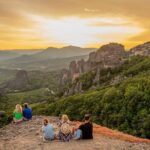
There’s also a viewpoint element. The stop is built around enjoying the scenery from that location rather than treating it as a quick pass-through.
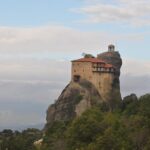
Stop 5 is Varlaam Monastery, but the note specifies Metoxi of Varlaam. You’ll stop for about 10 minutes, with the possibility to refill water from a spring if it’s still running. It’s a shorter stop, so it works best if you’re okay with quick photo moments and brief sightseeing rather than a long monastery walk.
A quiet advantage of both monastery stops being “admission ticket free” is that you’re not juggling extra costs mid-day. It keeps the value feeling clean and predictable.

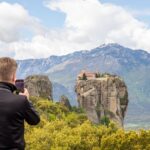
The return ride: back to the village with different trails and views
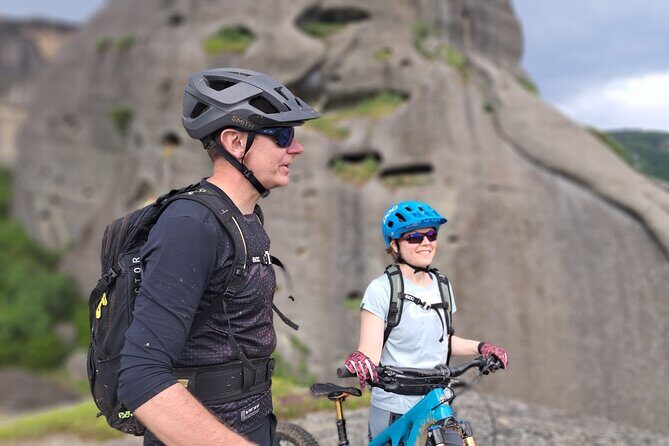
After the Varlaam area, the tour returns toward the village, but in a different way. The ride description calls out different trails and views, which matters because you’ll likely experience Meteora’s angles in both directions.
This kind of “looping” or directional variation is what turns a short outing into a full feeling day. If everything went straight back the way you came, you’d only see the scenery once. Here, you get a second look, which is a big part of the overall satisfaction factor.
Then it’s back to base for the ride wrap-up. If you’re trying to fit Meteora into a tight schedule, this structure is one of its strengths: you leave with memories from multiple viewpoints without losing a whole afternoon to transportation between sites.
What’s included (and what you should bring) for a smoother ride
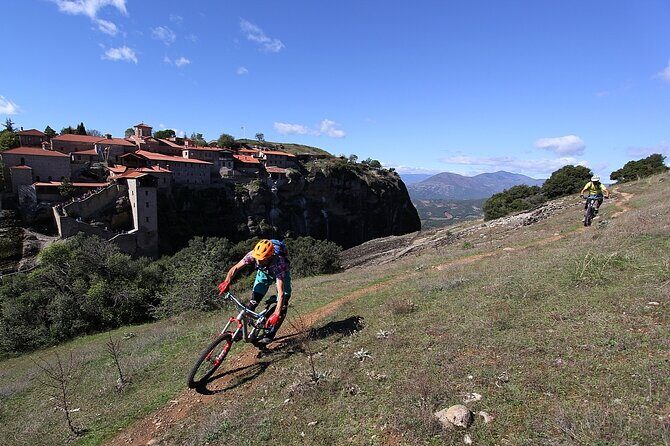
This tour is unusually clear about what you get. Included are bicycle use, an electric mountain bike, and a helmet. There’s also extra clothing or protective gear available if you request it, plus local snacks and bottled water.
That means your shopping list is small. You don’t have to worry about bringing a helmet. You also don’t have to worry about water logistics since bottled water is included.
What you should still bring:
- Comfortable closed-toe shoes with decent grip for dirt and uneven ground
- A light layer in case Meteora wind shifts during your ride
- Sun protection, especially if you’re riding between oak-shaded sections
- If you have it, gloves can help for control on rough trail surfaces
If you’re prone to cold hands or your legs cramp easily, request any added protective gear or layers early. The tour explicitly allows extra clothing/protective gear if requested, so it’s part of their setup—not an afterthought.
Who this tour suits best in Meteora (and who should skip it)
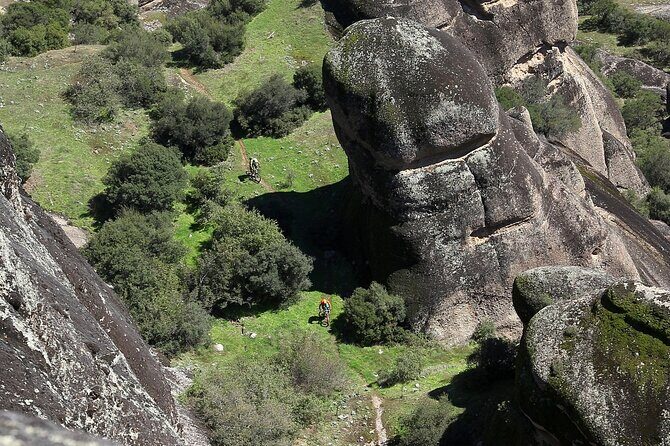
This isn’t positioned as a beginner ride. The tour info says it’s not recommended for beginners and that you should have moderate physical fitness. The terrain is described as technical, and even the reviews reflect that people can take falls when pushing off-road.
That doesn’t mean you have to be an expert cyclist. One positive theme from real rider feedback is that the guide support can help you ride better even if you have less off-road experience—especially during the parts where form matters most. But it does mean you should be honest with yourself. If you rarely ride a bike, if you’re uncomfortable on uneven ground, or if you’re expecting a gentle sightseeing loop, you’ll likely feel stressed.
You’ll enjoy this most if you:
- Want a mix of biking and monument viewing
- Like off-road travel and can handle bumps and traction changes
- Are willing to ride technically and take guidance seriously
- Have a limited amount of time in the Meteora area and want a guided route
If you want a slower, mostly flat experience, it’s worth considering other options. For this one, the payoff is the trail work.
Price and value: is $72.29 worth it?
At $72.29 per person, this tour sits in the “active sightseeing” category. You’re not just paying for a guide’s time; you’re paying for an electric mountain bike, helmet, snacks, and water, plus guided stops that include admission-free timing at the monastery points listed.
The value comes from how the pieces fit together:
- You get electric assistance, so the experience feels powered rather than purely endurance-based.
- You get guided navigation and routing, which matters in a place where trails and roads can be confusing.
- You get time at multiple stops without adding the cost of separate monastery tickets in the stops described.
It’s also priced reasonably for the time commitment. Two to three hours is short enough to fit into most itineraries, but long enough to actually cover trail segments rather than doing a quick photo circuit.
One caution about value: if you’re not comfortable on technical terrain, you may spend the day tense. In that case, you might feel like the cost was high because you didn’t get the fun version of the ride. If you can ride at moderate comfort and listen to the guide’s instructions, this feels like a strong match.
Quick safety and comfort notes before you go
The tour can involve technical off-road sections, and at least one rider feedback note mentions taking falls, with luckily no serious injuries. That lines up with the type of riding: dirt roads, trails, and uneven footing will always carry risk.
So here’s what you can do to tilt the odds in your favor:
- Wear a helmet (you’ll get one) and keep it snug
- Stay relaxed in your arms and knees; stiff posture makes balance worse
- Ride at the pace the guide sets, especially on trail sections
- Assume traction changes, even if the dirt looks similar from a distance
This isn’t about being fearful. It’s about being smart, especially if you have limited off-road experience.
Should you book Meteora Trails Electric Mountain Bike Tour?
Book it if you want Meteora views with motion—cycling through village streets, then into Meteora’s oak forest trails, then onto two monastery-related stops with snack breaks and big scenery. This tour is a great way to get a “whole day feeling” in just a couple of hours, and the electric bike support makes the climbs feel approachable.
I would skip it if you’re a true beginner on bikes, if you hate rough ground, or if you want a low-stress sightseeing pace. The technical nature is part of the experience, and you need moderate fitness and solid bike control.
If you match the sweet spot—comfortable riding, willing to follow guide directions, and excited by off-road riding—this one is hard to beat.
FAQ
How long is the Meteora Trails Electric Mountain Bike Tour?
The ride is listed as about 2 to 3 hours.
Where does the tour start in Kalampaka?
It starts at Ioanninon 3, Kalampaka 422 00, Greece, and it ends back at the same meeting point.
What time does the tour begin?
The start time is 9:00 am.
What’s included with the tour price?
You get use of the bicycle and an electric mountain bike, a helmet, local snacks, bottled water, and extra clothing or protective gear if you request it.
Is the tour recommended for beginners?
No. It’s not recommended for beginners, and the experience lists a need for moderate physical fitness.
How big are the groups?
The maximum group size is 8 travelers.
What if the tour is cancelled due to weather or if I cancel my booking?
The experience requires good weather. If it’s cancelled due to poor weather, you’ll be offered a different date or a full refund. You can cancel up to 24 hours in advance for a full refund.