REVIEW · METEORA
Meteora Small Group Hiking tour with Transfer and Monastery Visit
Book on Viator →Operated by Visit Meteora · Bookable on Viator
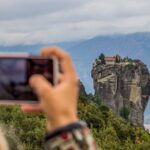
Meteora on foot changes the whole mood. This small-group hike takes you through a “rock forest” of giant sandstone pillars, then ties the scenery to the story of monks who arrived here over 15 centuries ago. You’ll follow hidden trails with a local mountain guide and get big views without spending the morning stuck watching from a bus window.
I especially like that the tour builds in a real monastery contrast: the towering Great Meteoron for scale, then Ypapanti, built inside a rock cavity, with a simple, pleasant path to reach it. The main drawback to plan for is practical, not dramatic: monastery entry costs an extra 5€ per person and the dress code is strict (long sleeves/long skirt, with shorts handled by the tour team).
In This Review
- Key highlights you’ll feel right away
- Why this Meteora small-group hike beats the classic bus rhythm
- Getting picked up in Kalambaka or Kastraki without wasting your morning
- The 2-hour rock-forest hike: views, birds-eye angles, and real trail time
- Great Meteoron Monastery: the “suspended” feeling up close
- Ypapanti Old Monastery: the rock-cavity stop that feels different
- Varlaam, Catholicon, and Saint Nicholas of Anapafsas on the way
- Price and value: what you pay for, and what you still need to budget
- Dress code and trail comfort: the rules that make the monasteries workable
- The guides make the difference: Chris, Evan, Christos, Dimitris, and Kristos
- Weather hiccups: what to expect if it turns gray
- Should you book this Meteora hiking tour?
- FAQ
- What time does the Meteora hike tour start?
- Where does pickup happen?
- How long is the tour?
- What is included in the price?
- Are monastery entrance fees included?
- What should I wear for the monasteries?
- Is free cancellation available?
Key highlights you’ll feel right away
- Small group (max 12) means more time to ask questions and easier pacing on uneven paths
- Hotel pickup from Kalambaka or Kastraki plus air-conditioned minivan keeps the morning stress low
- Hidden monastery stop at Ypapanti is included, and admission there is free
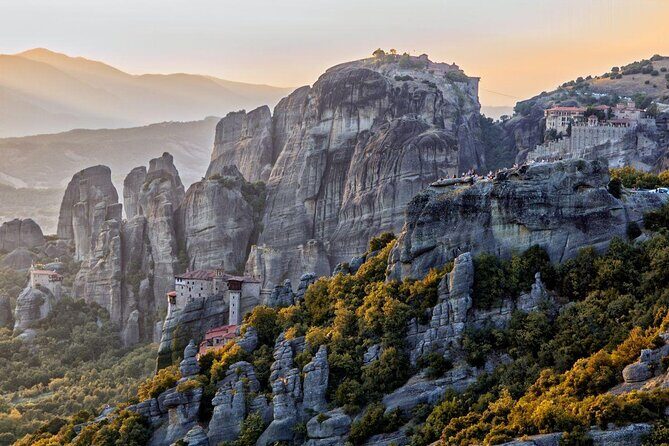
- Rock-forest hiking on local trails gives you multiple angles on the pillars instead of only classic viewpoints
- Monastery visits built into one morning so you see both nature and spiritual history without needing another day
Why this Meteora small-group hike beats the classic bus rhythm
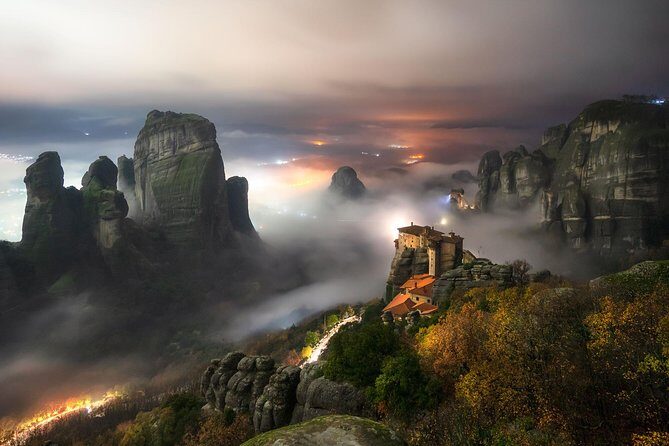
Meteora is famous for monasteries perched on top of rock pillars, but the real magic is how the place feels when you walk through it. This tour is designed around moving—measured hiking time early, then monastery stops that match what you just saw from ground level.
With a max group size of 12, the day flows better. You’re not lost in a crowd, you’re not waiting for slow movers to catch up every five minutes, and your guide can actually manage the group’s energy. In practice, that usually means better pacing, more frequent breaks, and fewer moments where you’re just herded along.
The best part for me is the combo: nature first, then monasteries. You get the “why is this place so weird?” feeling from the geology, and then the monasteries make more sense.
You can also read our reviews of more hiking tours in Meteora

Getting picked up in Kalambaka or Kastraki without wasting your morning
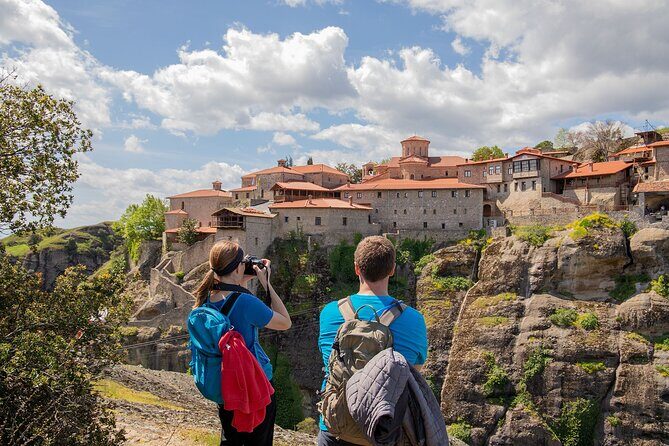
Start time is 8:30 am, and pickup covers hotels and Airbnbs located in Kalambaka and Kastraki. The tour uses an air-conditioned minivan, and you also get bottled water to keep you steady on the trail.
This matters more than it sounds. Meteora isn’t one compact site where everything is next door. Having round-trip transport included helps you spend your energy on the hike and photos—not on figuring out parking, timing, and which road leads where.
If you’re staying in either Kalambaka or Kastraki, this is a clean setup. You can sleep in a little less, meet your guide at pickup, and let the tour handle the switching between walking and viewing points.
The 2-hour rock-forest hike: views, birds-eye angles, and real trail time
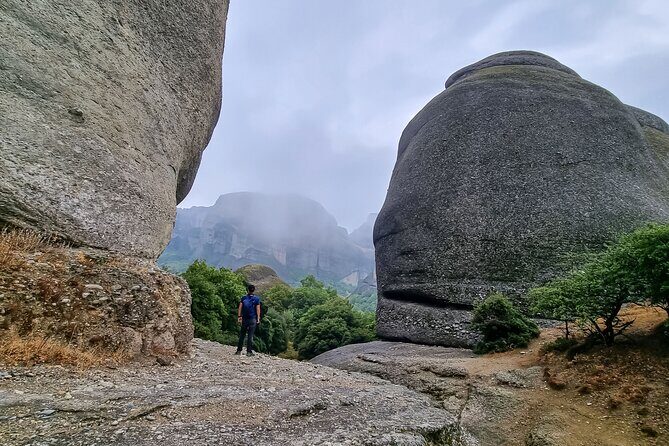
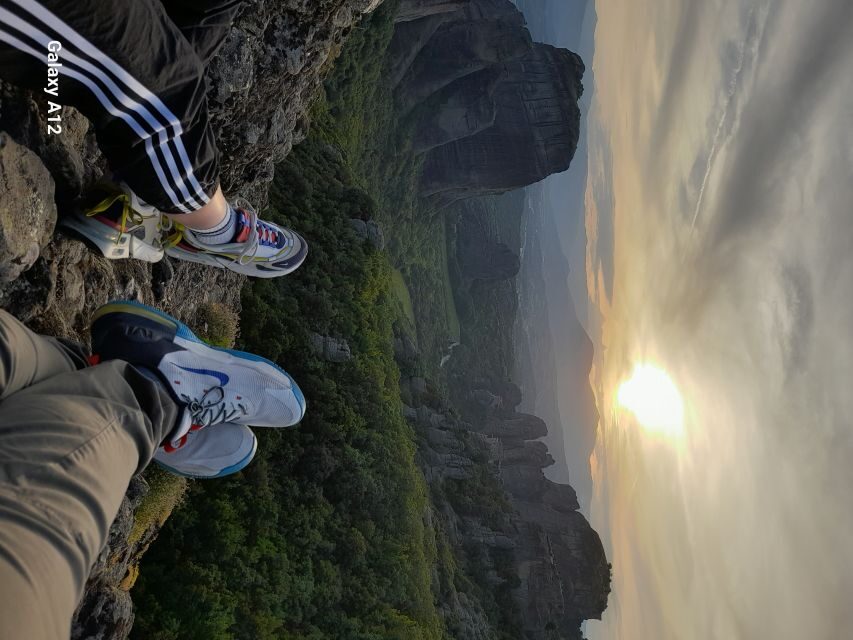
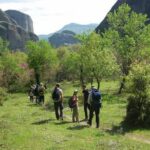
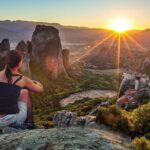
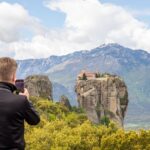
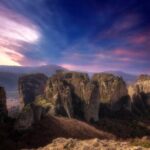
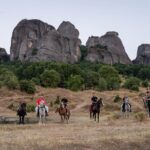
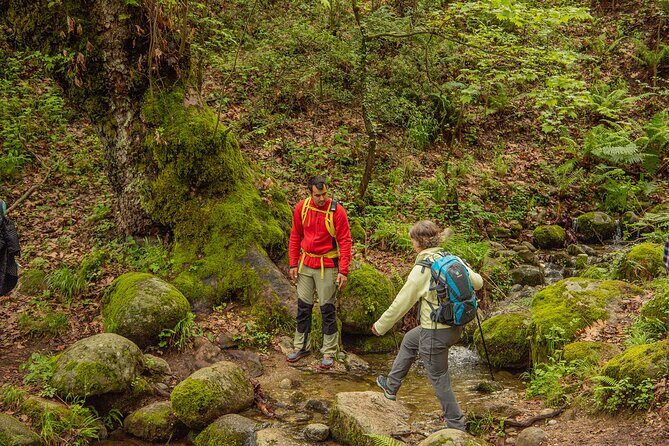
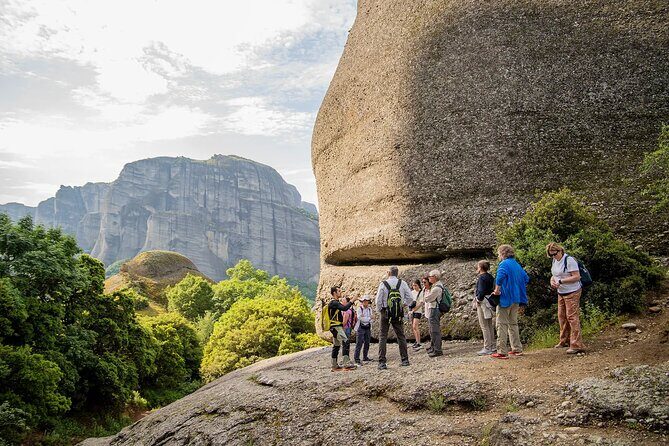
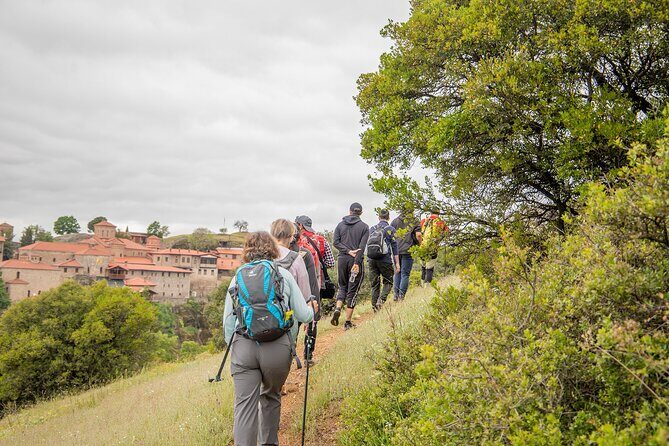
The core of the morning is a guided hike through the Meteora area described as a “rock forest.” You’ll walk among the gigantic pillar formations and spend about 2 hours hiking, with the focus on hidden trails that aren’t just the standard photo route.
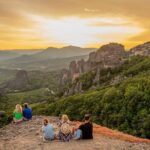
What makes this hike worth it: you’re seeing Meteora from ground level, where the scale can feel unreal. Up close, the stone looks like layers of time stacked into cliffs. When you turn and look back, you often get a different view of the monasteries than the ones people see from the main viewpoints.
You should come prepared for hiking time. The tour asks for a moderate physical fitness level and notes that you’ll want comfortable, appropriate hiking shoes. One practical tip: even if the hike is manageable, it’s still hiking—expect uneven steps, sun exposure, and moments where you’ll want to slow down and breathe.
Also keep in mind: the monasteries have a strict dress code. Even if you start the day in trail gear, plan to transition cleanly when you reach the monastery stops (the tour can provide trousers and skirts if needed).
Great Meteoron Monastery: the “suspended” feeling up close
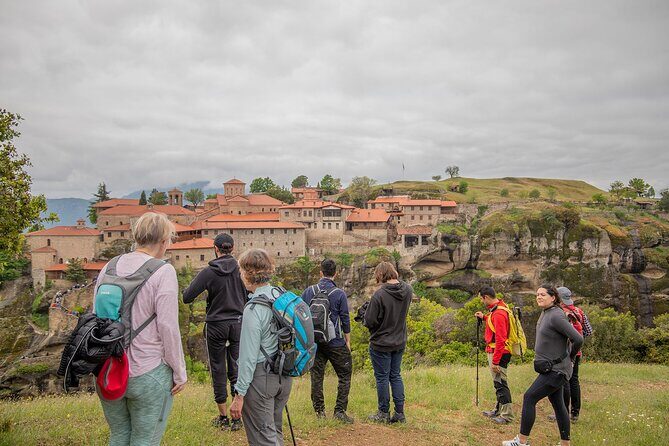
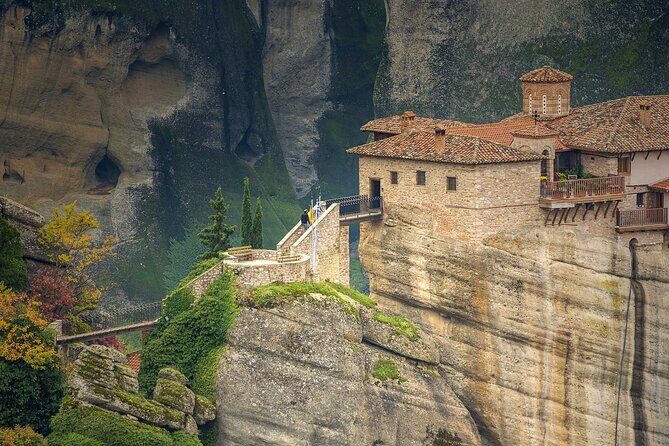
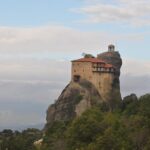
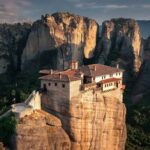
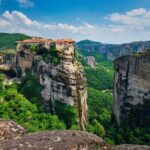
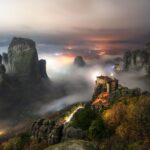
After the hike, the tour visits Great Meteoron Monastery, typically about 1 hour. This is the biggest and one of the oldest monasteries in the complex. Locally it’s tied to the idea of being “suspended in the air,” because of the rock formation it sits atop.
This stop is a good match for what you’ve been walking through. From the trail, you understand the pillars as geology. At Great Meteoron, you understand the pillars as architecture and setting—why monks would choose this kind of isolation.
The monastery is associated with Saint Athanasios the Meteorite, described as the first founder and organizer of systematic monastic life here. If you like history, this is the moment where the story starts to feel structured rather than just scenic.
Practical note: monastery visits aren’t included in the base price, so you’ll budget for entry fees. And the dress code applies here too—so bring something you can wear comfortably in heat and still meet the requirements (long sleeves for men; long skirt for women).
Ypapanti Old Monastery: the rock-cavity stop that feels different
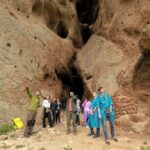
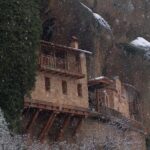
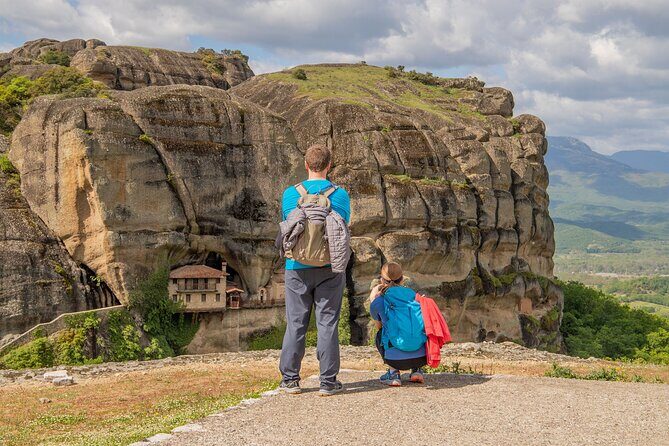
The tour includes a stop at Holy Monastery Ypapanti, about 30 minutes. This is the standout “wait, how is this here?” monastery in the day, because it’s described as being constructed inside a large cavity of a rock—rather than perched at the top of a pillar.
Ypapanti is also practical for visitors. The pathway to the monastery is described as simple and pleasant, so you’re not turning the day into a steep scramble just to make it inside. Admission is noted as free, which is a nice bonus in a day where other entry fees may apply.
If you want a sense of variety, this stop delivers. Great Meteoron shows Meteora at its most iconic. Ypapanti shows Meteora at its most unusual, using the same rocks in a completely different way.
Historically, the monastery is linked to founders Nilos and Cyprianus, in 1367 AD, and later mentions destruction in 1809 tied to local unrest. Even if you don’t go deep into dates, the setting does the heavy lifting here—it makes the monastic life feel built into the geology.
You can also read our reviews of more tours and experiences in Meteora
Varlaam, Catholicon, and Saint Nicholas of Anapafsas on the way
Your morning doesn’t stop at one monastery view. The tour also encounters other major sites in the area, including Holy Monastery of Varlaam and Holy Monastery of Saint Nicholas of Anapafsas.
Varlaam is described as the second biggest monastery and located opposite Great Meteoron. It was founded in the mid-14th century by Hosios Varlaam. This is a good stop for perspective: seeing both sides of Meteora helps you understand how the pillars and monasteries relate to each other across the complex.
You’ll also hear about the Catholicon, connected to Varlaam. It was built in honor of Agioi Pantes (1541–42), and the main church decoration is listed as happening in 1548. The tour info even ties the wall-painting to a famous hagiographer from Thebes, Frago Catelano. If you care about art history, this is the segment where those names and details give the monastery interior meaning, not just height.
Then there’s Saint Nicholas of Anapafsas, described as the first monastery you encounter on the way up, founded at the end of the 14th century. The name is explained through local interpretations, including the idea that it served as a rest stop for pilgrims continuing their journey.
Even when time feels tight, this “route” approach works for many visitors. You get key buildings and key stories without the day turning into a logistics puzzle.
Price and value: what you pay for, and what you still need to budget
The tour price is listed as $36.28 per person, about 4 hours total. That’s fairly straightforward for a half-day that includes transfer, a guide, water, and a guided route through part of Meteora.
Here’s the value logic I’d use if I were deciding: you’re paying for someone to (1) drive you between the areas, (2) lead the hike on trails that aren’t just the easiest ones, and (3) connect the monasteries to a coherent story. In Meteora, that combination is what turns the day from sightseeing into understanding.
One important cost add-on: entrance fees are not included and are listed as 5€ per person. The good news is that the Ypapanti stop is noted as free, so you’re not paying entry twice for every single site. Still, plan to add the 5€ so you don’t get caught mid-day.
Also, it’s offered in English, with a local English-speaking mountain guide, and the group size stays small (max 12). If you’ve ever done a big-group monastery day, you know why that matters for both comfort and photos.
Dress code and trail comfort: the rules that make the monasteries workable
Monastery dress rules can feel annoying until you’re actually there. This tour is clear about what’s required: men must wear trousers and long sleeves, and women must wear a long skirt. If you arrive in shorts, trousers and skirts are provided.
I like that this tour gives you a safety net. You don’t have to do a wardrobe hunt before your Meteora day. Still, don’t treat it as an excuse to show up in your hottest thin outfit—monasteries are cool inside, but you’ll still hike to reach them.
Wear hiking shoes you can trust on uneven ground. Bring layers if you’re sensitive to morning chill, since Meteora’s weather can shift quickly. And use the water provided, especially if you’re hiking before mid-morning crowds fill the viewpoints.
Service animals are allowed, if that applies to you.
The guides make the difference: Chris, Evan, Christos, Dimitris, and Kristos
The tour’s reputation is tied heavily to the guiding style. Names that show up often in the guide discussions include Chris/Christos, Evan, Dimitris, and Kristos/Kristas. The recurring theme is simple: they keep the hike fun, safe, and story-driven.
What I’d watch for when matching to your own taste:
- If you like humor, several guides are described as entertaining and calm, which helps when the hike gets tiring.
- If you’re a nature person, you might hear botany and fauna notes, including plants and animals you can look for as you walk.
- If you care about pacing, multiple comments point out that breaks are built in and the route is kept manageable even in hot conditions.
This is the kind of tour where your guide can decide whether it feels rushed or like a real morning out in the rocks. The overall vibe from the feedback is that the guides work hard to meet different ability levels, including people who might not hike often.
Weather hiccups: what to expect if it turns gray
Meteora weather can be fickle. One experience in the info notes that a hiking plan switched to a bus-style approach due to bad weather. That suggests the operator may adjust to keep the day moving and still show the key monasteries.
So if you book and the forecast looks iffy, keep your expectations flexible. You should still get views and monastery time, but the walking balance may change depending on conditions.
Should you book this Meteora hiking tour?
Book this tour if you want:
- A half-day Meteora plan that mixes hiking with monastery visits
- A small-group experience that avoids the loud, stop-and-go feel of big buses
- Pickup convenience from Kalambaka or Kastraki
- English guidance that links geology, monastic history, and what you’re walking past
Consider skipping or switching to a different format if:
- You don’t want any physical hike time. This one does require a decent walking pace and appropriate shoes.
- You’re hoping for a long day with many monastery interiors. This plan focuses on a set of key stops, including Great Meteoron and Ypapanti, plus other sites encountered on the route.
For most people staying around Kalambaka, it’s an efficient way to see the best of Meteora without turning the trip into a full-day logistics chase.
FAQ
What time does the Meteora hike tour start?
The tour start time is 8:30 am.
Where does pickup happen?
Pickup and drop-off are offered from hotels and Airbnbs located in Kalambaka and Kastraki.
How long is the tour?
The duration is listed as about 4 hours.
What is included in the price?
Included are hotel pickup and drop-off, transport by an air-conditioned minivan, a local English-speaking mountain guide, bottled water, and a visit to the hidden monastery of Ypapanti.
Are monastery entrance fees included?
No. Entrance fees are listed as 5.00€ per person and are not included. Ypapanti is noted as admission free.
What should I wear for the monasteries?
The monasteries have a strict dress code: men need trousers and long sleeves, women need a long skirt. If you show up in shorts/incorrect items, trousers and skirts are provided.
Is free cancellation available?
Yes. You can cancel for a full refund if you cancel at least 24 hours before the experience’s start time.