REVIEW · METEORA
Meteora Food And Wine Private Tour
Book on Viator →Operated by Visit Meteora · Bookable on Viator
Food first, Meteora second.
This tour is a smart way to experience Thessaly’s flavors without rushing. You start in Kalambaka, do short walks through local spots, then shift into tastings that range from yogurt and spinach pie to wines at a family winery—and yes, there’s a museum stop for fungi lovers.
I especially like the mix of five wine labels at Domaine Liakou and the chance to taste mushroom and truffle products in a setting built for natural history. The day also moves at a friendly pace for a food tour, with a small group capped at 8 and an air-conditioned minivan with Wi‑Fi to keep things comfortable.
One thing to consider: you’re sampling food throughout, and part of the experience is walk-and-stand time in town and museum spaces. If you’re not into mushrooms or prefer fewer tastings, you might want to go in with realistic expectations.
In This Review
- Key things to look forward to
- Half-Day Food, Wine, and Fungi in Kalambaka
- Getting your bearings: Kalambaka walks and the Thessaly vibe
- Stop 1: Meteora area scenes without the full climb
- Museum moment: Natural History and Mushroom Museum tastings
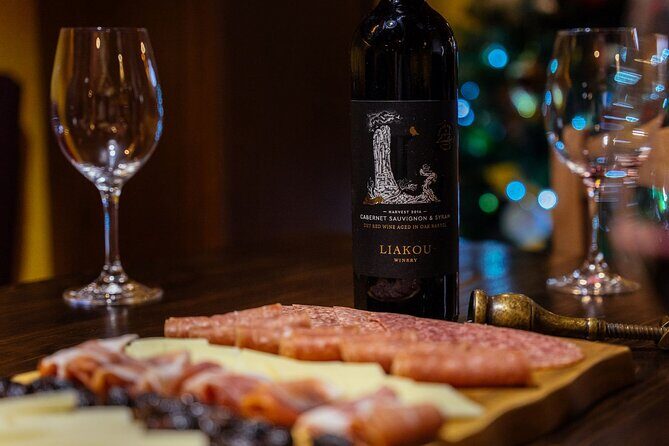
- Domaine Liakou: five wines, local meats, cheeses, and soutzouki
- The Herimit Cave stop: a breather from tasting
- Lunch on the Thessaly table: grilled meat, salads, cheese, desserts
- Transport, group size, and how the day actually feels
- Price and value: what you’re really paying for
- Who this tour suits best
- A few practical tips so you enjoy it more
- Should you book the Meteora Food and Wine Private Tour?
- FAQ
- How long is the Meteora Food And Wine Private Tour?
- Where does the tour start and is pickup available?
- How many people are in the group?
- What language is the tour offered in?
- Does the tour include wine tasting?
- What food is included during the tour?
- Does the tour visit the mushroom museum?
- Is lunch included or do I need to pay separately?
- Is the tour canceled for poor weather?
Key things to look forward to
- Short walks in Kalambaka that focus on local shops and quick, real-world flavor stops
- Mushroom museum + tastings that include local mushrooms and truffles
- Domaine Liakou winery tasting with five regional wine labels and local cured meats and cheeses
- Greek lunch with the Thessaly table: grilled meat, salads, fresh cheese, and desserts
- A small group cap (8) plus private-tour feel for your own group
Half-Day Food, Wine, and Fungi in Kalambaka
Kalambaka is the practical base for Meteora, and that’s exactly why this tour works. You’re not trying to fit everything into a full day of driving and sightseeing. Instead, you spend the morning and midday focused on taste, with quick scene changes that keep your energy up.
I like that the tour is built around food culture, not just “a list of stops.” You learn how ingredients show up across different parts of Greek life—herbs, olive oil, dairy, cured meats, and pastries—then you hit it all again at the winery and lunch.
And then there’s the fungus angle. A mushroom museum is not something you do every day on a Greek vacation, so it gives the whole tour a memorable hook.
You can also read our reviews of more tours and experiences in Meteora.
Getting your bearings: Kalambaka walks and the Thessaly vibe
Your day starts midmorning when you meet your guide in central Kalambaka. From there, you take short walks to local places where you can grab familiar flavors and also see how locals shop and snack.
This is a good part of the itinerary because it sets context. When you taste something like Greek yogurt and spinach pie early, it’s easier to understand what you’ll later recognize at a winery lunch or snack stop. You’re not just eating; you’re building a mental map of the region’s tastes.
You’ll also hear stories along the way. The best guides don’t just explain the food; they explain the people and the patterns behind it. Here, you can expect that kind of conversation—how Greece’s cuisine reflects influences from Italy, the Balkans, and the Near East, and why Mediterranean eating habits center on things like herbs, olive oil, legumes, and fresh produce.
A small practical note: since this is a walking-and-tasting format, wear shoes you’re comfortable standing in. You don’t need hiking boots, but you’ll be on your feet enough that comfort matters.
Stop 1: Meteora area scenes without the full climb
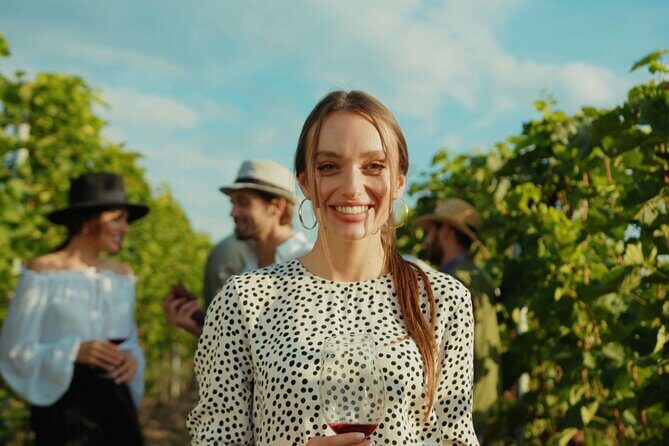
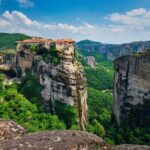
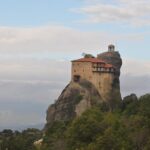
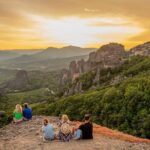
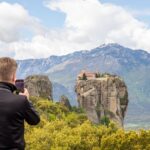
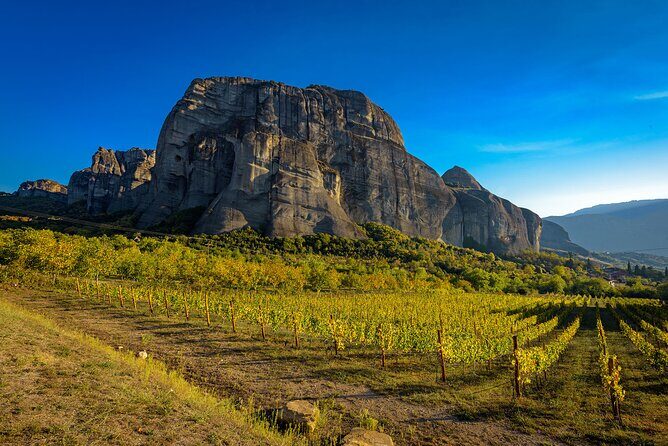
This tour includes an early look at the Meteora area, but it doesn’t force you into the heavy monastery climb style of sightseeing. You enjoy time in Kalambaka, then later you drive through nearby villages where open-air fruit stands often line the roads.
That drive matters because it’s when the region starts to feel like a real place, not just a landmark. Fruit stands are simple, local, and very Thessaly—produce that shows up in markets, salads, desserts, and snack tables.
It’s also a useful reset. You get walking time, then you get into a minivan ride where the group stays together and you can relax between tastings.
Museum moment: Natural History and Mushroom Museum tastings
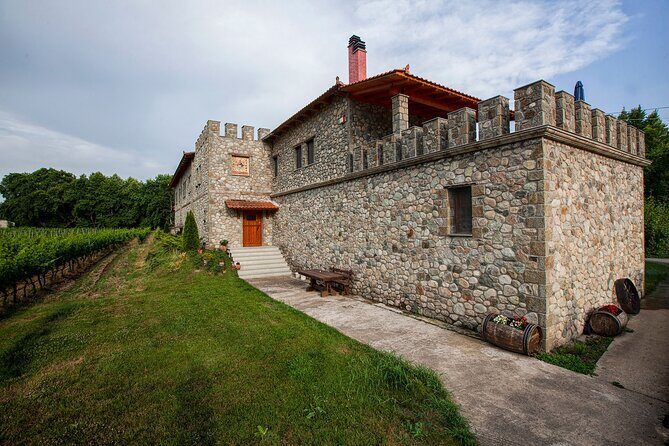
One of the most distinctive stops is the Natural History Museum of Meteora & Mushroom Museum. This is where you switch from eating as a casual activity to eating as a lesson.
You’ll see displays about the life cycles of fungi, which gives your mushroom tasting a little scientific backbone. That’s helpful because mushrooms can feel mysterious on a plate. With a quick museum explanation, the tasting becomes more interesting, not just a novelty.
Then the tour adds food. There’s a tasting of local mushroom and truffles, and you can look for things like pickled mushrooms and truffle-forward products. If you like strong aroma flavors, this is the moment you’ll probably notice the difference the most.
There can be a lot of smell and flavor intensity here, so go at a comfortable pace. If you get overwhelmed by strong aromas, take small bites and sip water between samples. The museum stop is part education, part palate time—both are easier when you don’t rush.
Domaine Liakou: five wines, local meats, cheeses, and soutzouki
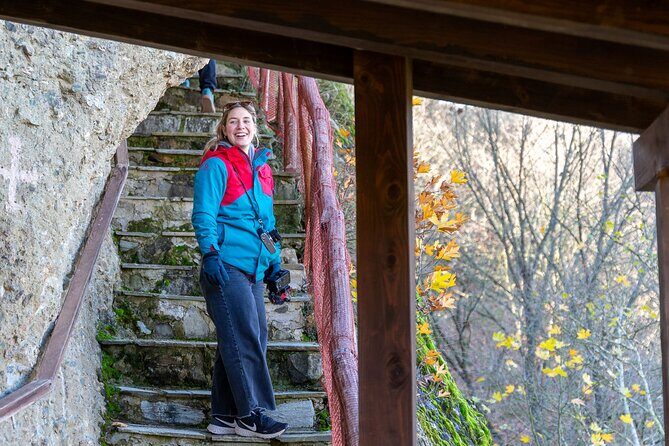
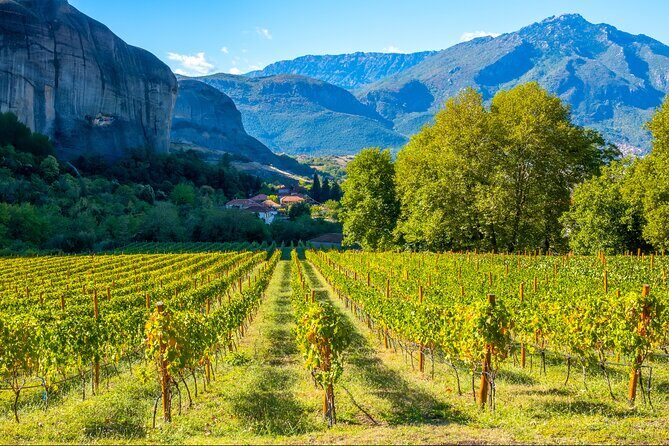
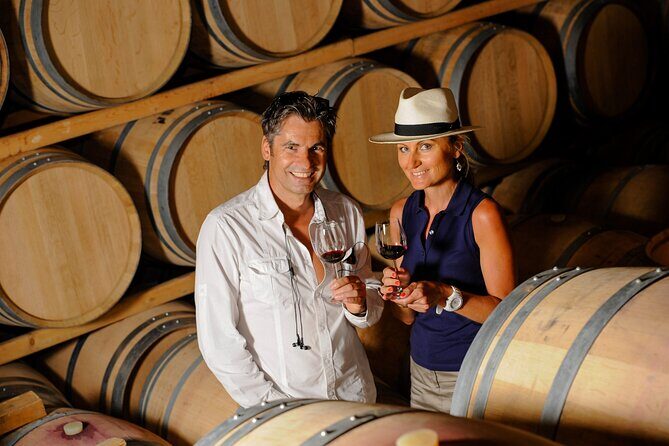
After the museum, the day shifts into the winery experience at Domaine Liakou, a family-run operation. This stop is one of the main reasons the tour feels like more than a “light snack day.”
You’ll taste five different regional wine varietals. Wine tastings are often hit-or-miss on tours, but this one is paired with local food products, which helps your palate connect the dots. A wine taste alone is easy to forget; a wine taste with local cheese or cured meat has staying power.
You’ll also sample items connected to the local gastronomic list: home-made sausages, top-quality meats, local cheese, yogurt, and honey. On top of that, expect homemade sweets made from fruit, plus the regional delicacy soutzouki made with unfermented grape juice and nuts.
Depending on what’s available that day, there may also be tsipouro options. The key point is the pairing: wine plus local production styles plus familiar Thessaly ingredients.
One of the best parts is how winery hosts treat visitors. The hospitality here is a big part of the experience, and you’ll feel the difference between a rushed commercial tasting and a place that wants you to enjoy.
If you’re someone who likes to buy a small souvenir you’ll actually use, this is the stop to watch. The museum and winery experiences both highlight local products, and that’s where people often pick up something they can bring home, like truffle-leaning oils or specialty spreads.

The Herimit Cave stop: a breather from tasting
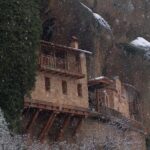
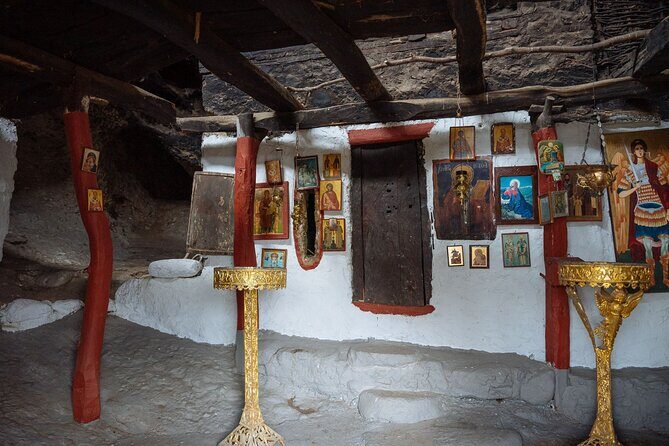
The tour also includes a visit to the Herimit Cave of Agios Theodosios. This is a nice balance point in the day because it breaks up the food focus with something a bit more grounded and visual.
Even if you’re not a hardcore cave explorer, a short stop like this helps you reset. You get a change in scenery, a moment to look around, and then you move back into lunch and final tastings with fresher energy.
Since the data doesn’t lock this cave stop to a specific time, just know it’s part of the included experience. Build in a bit of flexibility in your schedule so you don’t feel rushed during it.
Lunch on the Thessaly table: grilled meat, salads, cheese, desserts
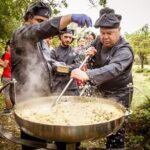
A standout value piece here is that lunch isn’t an afterthought. You get a traditional Greek lunch that includes grilled meat, organic salads, fresh cheese, and desserts.
This matters because food tours often do one of two things: either you get scattered nibbles with no real meal, or you get a full lunch but it’s generic. Here, the meal is positioned as part of the tasting story. If you’ve already sampled yogurt, pies, and local flavors earlier, the lunch feels like the payoff.
You should also expect plenty of herb-and-spice influence. The tour approach is clearly aimed at the Mediterranean pattern—fresh produce, herbs, olive oil, and legumes—so lunch fits the bigger theme instead of feeling like a separate event.
Desserts are included too, which is important if you’ve got a sweet tooth. Greece is good at desserts that aren’t just sugar bombs, and the tour’s focus on local sweets helps keep it grounded.
Transport, group size, and how the day actually feels
This is a private tour in the sense that only your group participates, but it’s also capped at small-group size of 8 people. That sweet spot is huge for a food tour. You’re close enough to ask questions, but not packed like a bus van.
You’ll ride in an air-conditioned minivan with Wi‑Fi, which is a practical win in Greece’s warmer months. Food tours involve pauses and waiting between tastings, and Wi‑Fi is a small comfort if you want to check messages or just keep your phone from draining your battery time.
The tour runs about 6 hours, starting at 10:00 am. That timing helps you avoid the worst heat while still eating at a natural midmorning-to-lunch rhythm.
Also: pickup and drop-off are offered from hotels and Airbnbs in Kalambaka and Kastraki. That removes a lot of friction. If you’re staying in those areas, you won’t need to plan transportation for yourself.
Price and value: what you’re really paying for
At $284.03 per person for about 6 hours, the ticket price looks like a splurge—until you map what’s included.
You’re paying for:
- A local English-speaking guide
- Wine tasting of five labels
- Food tastings (including local specialties like spinach pie, yogurt, sausages, fresh herbs/spices, cheeses)
- A traditional Greek lunch with multiple meal components
- Museum admission and included tasting tied to mushrooms and truffles
- Transport in an air-conditioned minivan with Wi‑Fi
- Local seasonal organic fruits
- The soutzouki regional taste (unfermented grape juice and nuts)
That bundle is where the value comes from. Instead of paying separately for a wine tour, a museum ticket, and a sit-down lunch, you’re getting them stitched into one guided day. If you’re the kind of traveler who hates planning and loves eating, this format earns its cost.
It’s also a good price point for a private, small-group experience. The cap at 8 means you’re not paying a premium just to be “one of many.”
Who this tour suits best
This is a great fit if you want a taste-first day in Meteora’s area. It works especially well for:
- Couples or small groups who want a more personal tour rhythm
- People who enjoy wine tastings but don’t want a formal, stiff vibe
- Food lovers who like learning what’s behind local ingredients
- Anyone curious about mushrooms beyond the basics
It might be less ideal if you strongly dislike mushrooms and truffle flavors, or if you prefer your day to be mostly sightseeing with minimal eating. The tour leans into frequent tastings, so go with appetite.
A few practical tips so you enjoy it more
- Eat light beforehand. You’re building from snacks to lunch, so don’t start with a heavy breakfast.
- Bring water. You’ll be sampling flavors throughout the day, and your palate will thank you.
- Wear comfortable shoes. The Kalambaka walking part and museum time involve standing.
- If you have specific dietary needs, check in before booking. The tour includes many traditional foods, and while it has lots of fruit and salads, the data doesn’t say there are strict alternatives listed for every course.
Should you book the Meteora Food and Wine Private Tour?
I’d book it if you want a hands-on Meteora-area experience that focuses on taste, not just views. The combination of Kalambaka walking stops, the mushroom museum learning + tasting, and the Domaine Liakou wine-and-food pairing makes it feel both fun and purposeful.
If you’re excited by local products—yogurt, spinach pie, sausages, cheeses, and the specific regional sweets like soutzouki—this tour is an efficient way to try a lot in one go. The day also feels well paced for a half-day experience, thanks to the minivan transport and the small group limit.
If mushrooms aren’t your thing or you prefer fewer tastings, consider another Meteora-focused option. But for most food-and-wine travelers, this is a very solid, value-heavy way to spend 6 hours in Thessaly.
FAQ
How long is the Meteora Food And Wine Private Tour?
The tour lasts about 6 hours.
Where does the tour start and is pickup available?
You meet in central Kalambaka, and pickup and drop-off are offered from hotels and Airbnbs located in Kalambaka and Kastraki.
How many people are in the group?
The tour is limited to a small group of 8 people, and it’s private for your group.
What language is the tour offered in?
The tour is offered in English.
Does the tour include wine tasting?
Yes. You’ll taste five local wine labels at Domaine Liakou.
What food is included during the tour?
You’ll sample multiple traditional Greek specialties and get a traditional Greek lunch, including grilled meat, organic salads, fresh cheese, and desserts.
Does the tour visit the mushroom museum?
Yes. You visit the Natural History Museum of Meteora & Mushroom Museum and taste local mushroom and truffle items.
Is lunch included or do I need to pay separately?
Lunch is included as part of the experience.
Is the tour canceled for poor weather?
Yes. Since the tour requires good weather, if it’s canceled due to poor weather, you’ll be offered a different date or a full refund.