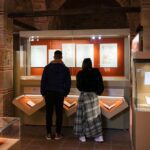
REVIEW · METEORA
Meteora Sunset with Monastery & Hermit Caves Tour in Small Group
Book on Viator →Operated by Visit Meteora · Bookable on Viator
Meteora is magic, especially at dusk. This small-group tour strings together monastery views, Byzantine art, and hidden hermit caves, then ends at a sunset spot that’s usually missing from the mass-market route. I like that the day also comes with real context, not just photo stops, with guides who share stories that make the rocks feel lived-in.
Two things I really like: you get hassle-free pickup/drop-off from Kalambaka or Kastraki, and you’ll visit a well-chosen mix of sites including inside access to Saint Stephen and time at Meteora’s rock complex with viewpoints. Guides I’ve seen mentioned often include Lina, Maria, Dimitri, and Jim, and their style tends to mix facts with local storytelling.
One possible drawback: the tour timing can stretch later in the day when sunset is late. Even though it’s listed at about 4 hours, I’d plan for a longer evening—plus monastery entry can require cash, since some on-site payments aren’t card-friendly.
In This Review
- Key highlights to know before you go
- Why Meteora at sunset feels different from daytime
- Pickup and transfers: the real time-saver here
- St Stephen Monastery: the one inside visit that anchors the day
- Agios Stefanos bridge entry: a monastery visit without the stair punishment
- Byzantine Church of the Assumption: Apollo leftovers and serious frescoes
- Hermit caves: what life looked like before the big monasteries
- The monastery names you’ll hear all day: Great Meteoron, Roussanou, Varlaam
- Great Meteoron: the big one “suspended in air”
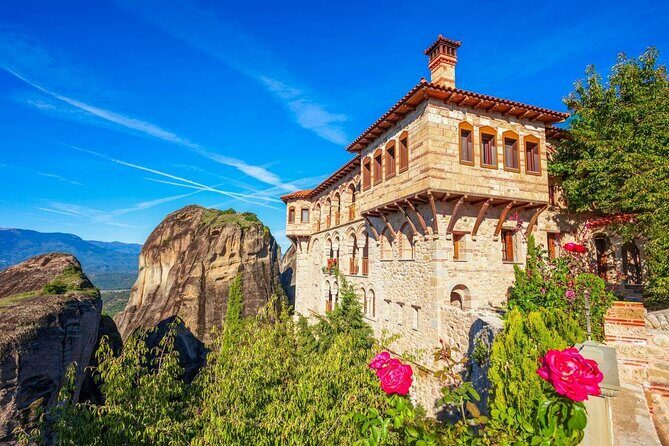
- Roussanou: more accessible, damaged in war, rebuilt into a convent
- Varlaam: second biggest, with named builders and fresco tradition
- The sunset viewpoint: how the sky show really works
- Price and value: $36.28 for transfers, guided context, and key stops
- Who should book this tour (and who should consider a different plan)
- Should you book this Meteora Sunset with Monastery & Hermit Caves Tour?
- FAQ
- How long is the Meteora sunset tour?
- What’s the price per person?
- Is pickup offered?
- What language is the tour guide?
- Does the tour include an audio guide?
- Which sites are visited inside?
- Are monastery or Meteora admission fees included?
- What happens if Saint Stephen Monastery is closed on a Monday?
- What should I wear for the monasteries?
- Is the tour dependent on weather?
Key highlights to know before you go
- Small group size (max 18) keeps the day calmer and easier for photos
- St Stephen has an easier entry (bridge access) and one included inside visit
- Hidden hermit caves add the human side of Meteora before the monasteries fully took shape
- Byzantine Church of the Assumption pairs 11th-century frescoes with Apollo-era stone reuse
- A less-crowded sunset viewpoint finishes the day with serious sky color potential
Why Meteora at sunset feels different from daytime
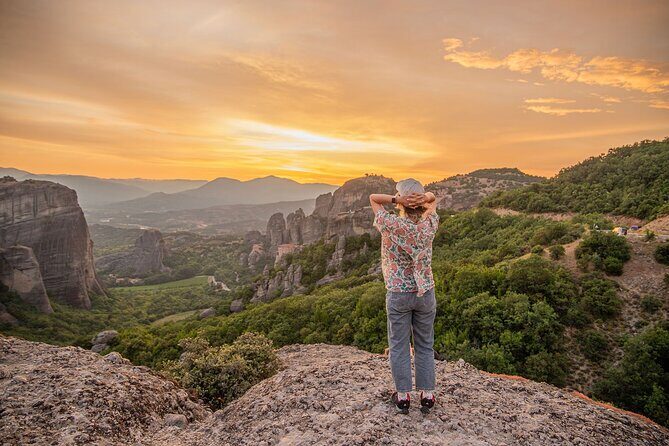
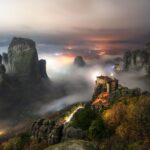
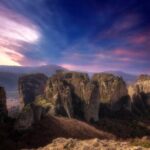
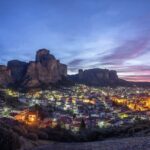
Daytime in Meteora can be spectacular, but sunset changes the whole vibe. The rock faces turn softer in color, shadows lengthen, and the place starts to feel less like a checklist and more like a living landscape of faith and survival.
This tour is built for that shift. You’re not only chasing the last light—you’re also getting history that explains why monks chose these specific cliffs, and how the whole system evolved over centuries. That’s why the evening portion lands so well: you’re already “in the story” before the sunset happens.
You can also read our reviews of more evening experiences in Meteora

Pickup and transfers: the real time-saver here

Meteora sits above two base towns: Kalambaka and Kastraki. This tour handles the logistics with pickup and drop-off from hotels and Airbnbs in those areas, so you’re not stuck figuring out timing, parking, or which road is the least painful.
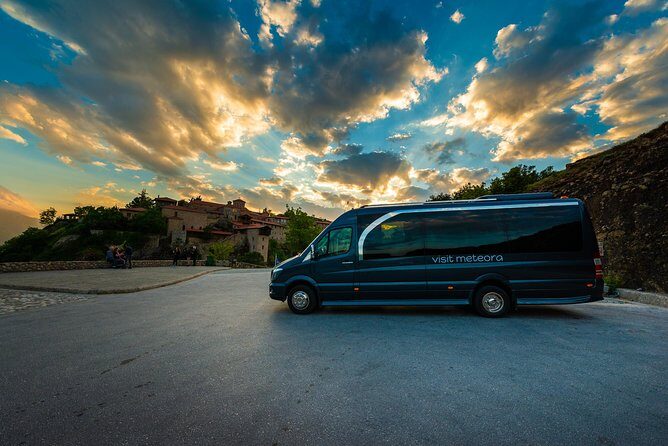
You meet at Patriarchou Dimitriou 2 in Kalambaka, then ride in a small minibus. The max group size of 18 matters. It usually means shorter lines for viewpoints, easier photo stops, and less waiting around for the van to regroup.
St Stephen Monastery: the one inside visit that anchors the day
The highlight for many people is the inside visit to the Monastery of Saint Stephen (Agios Stefanos). This is the monastery where you cross a small bridge instead of climbing stairs right at the entrance, which makes the experience feel more manageable.
And it’s not just convenient. Saint Stephen’s story goes way back: early monastic life on the rock dates to the early 12th century, and later renovations are linked to figures such as Hosios Antonios and Hosios Philotheos (with rebuilding work noted around 1545). Seeing one monastery up close helps you understand why Meteora looks the way it does—scenes of faith built into a difficult place.
Dress code is strict. Men need long sleeves and trousers; women need a long skirt. If you show up in shorts, you’ll be provided what you need to comply. I’d still plan to wear something comfortable for chapel time and later walking.
Agios Stefanos bridge entry: a monastery visit without the stair punishment
Even if you’re not worried about steps, this bridge-access approach changes the feel of the stop. It keeps the day from turning into a repeated staircase workout.
You’ll spend about 30 minutes at Agios Stefanos. That’s usually just enough time to take in the inside experience, reset for the next stop, and still keep the sunset portion from becoming a sprint.
If stairs are a concern for you, this stop is one of the best reasons to choose this tour format over a self-guided day that forces you to pick which monasteries are “worth” the climb.
Byzantine Church of the Assumption: Apollo leftovers and serious frescoes
The Byzantine Church of the Assumption of the Virgin Mary is a standout because it’s both old and unusual in construction. You’ll see precious 11th-century Byzantine frescoes, but the bigger wow factor is what’s built into the walls.
The walls include relics of an ancient Greek temple dedicated to Apollo—old materials literally reused in later sacred space. You can also spot an older mosaic floor revealed beneath the current floor in specific spots.
This church also remains an active church for locals, so treat it like a living place of worship, not just a museum stop. Plan for about 30 minutes here, and remember it’s not an included monastery ticket stop.

Hermit caves: what life looked like before the big monasteries
The tour includes a visit to the hidden hermit caves, and this is where Meteora stops being just a view and starts becoming a story you can picture. The caves connect to the early hermit tradition—small, isolated dwellings carved into the rock—before the monastic system grew into the organized monasteries people recognize today.
One review-style detail that’s useful for you: guides often tell stories that help you imagine daily life inside the caves—who lived there, what it meant, and how the caves fit into later monastery life. That kind of narration matters because the caves can be visually subtle if you’re just scanning for the “big wow.” With the right context, they click.
Time allocation isn’t massive, so this isn’t a long spelunking adventure. It’s more like a short, meaningful “here’s where it started” stop.
The monastery names you’ll hear all day: Great Meteoron, Roussanou, Varlaam
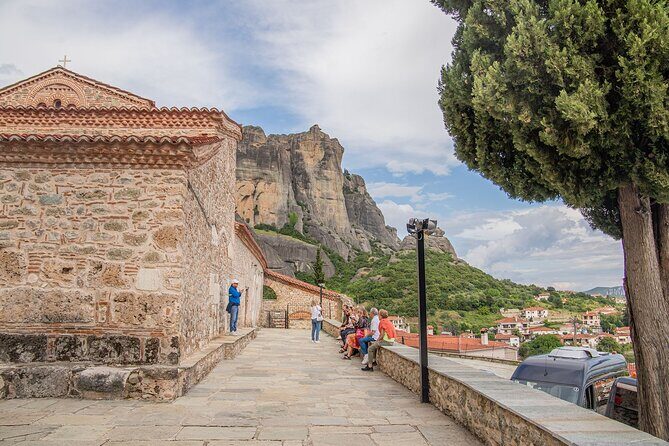
Even if your inside time is concentrated at Saint Stephen, you’ll still get plenty of exposure to Meteora’s famous monasteries through viewpoints and scheduled stops. These are the big names that shape what people mean when they say Meteora.
Great Meteoron: the big one “suspended in air”
The Great Meteoro (Great Meteoron) Monastery is described as the biggest and oldest. It earned the reputation of being built on top of gigantic rock formations—literally “suspended in the air,” which is the meaning tied to Meteoro.
You’ll also hear that it was founded by Saint Athanasios the Meteorite, connected to organizing systematic koenovion—basically helping move monastic life toward structured community living.
Roussanou: more accessible, damaged in war, rebuilt into a convent
Roussanou carries a name linked to the first probable hermit who settled on the rock. The main cathedral was founded in the late 16th century and decorated thirty years later.
Compared to some rock sites, it has lower elevation, so it feels more accessible. The monastery also suffered severe damage during World War II, and later became a convent in 1988. That mix—remote beginnings, historical pain, modern community—lands well during a sunset tour because you’re already thinking about continuity.
Varlaam: second biggest, with named builders and fresco tradition
Varlaam is the second biggest monastery. It was founded in the mid 14th century by Hosios Varlaam. The Catholicon (main church) was built in 1541–42, and the main church was decorated in 1548.
The tour notes attribute wall paintings to a hagiographer from Thebes, Frago Catelano. Even when you’re not going inside every site, hearing who built what and when makes the exterior stonework feel much less random.
The sunset viewpoint: how the sky show really works
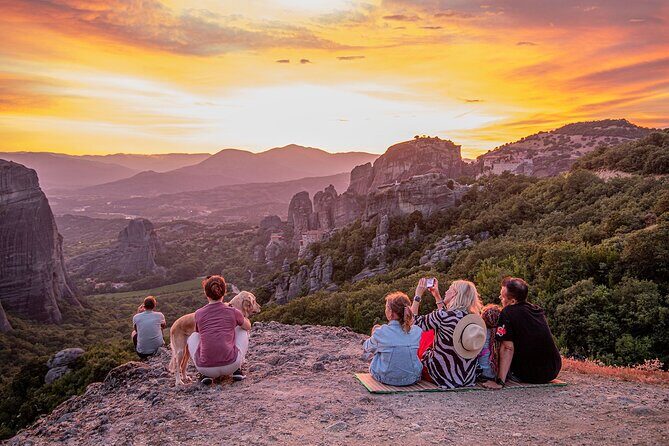
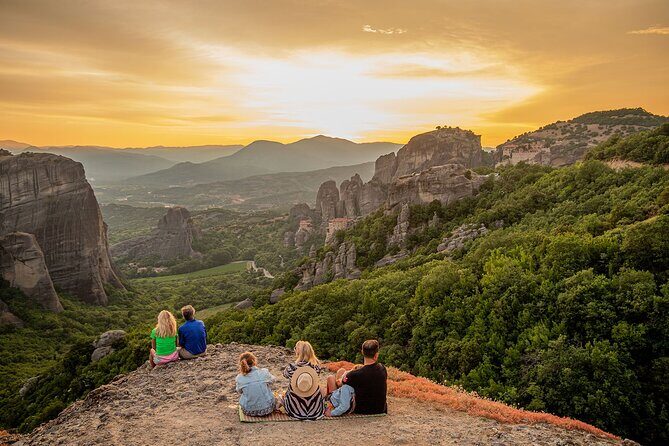
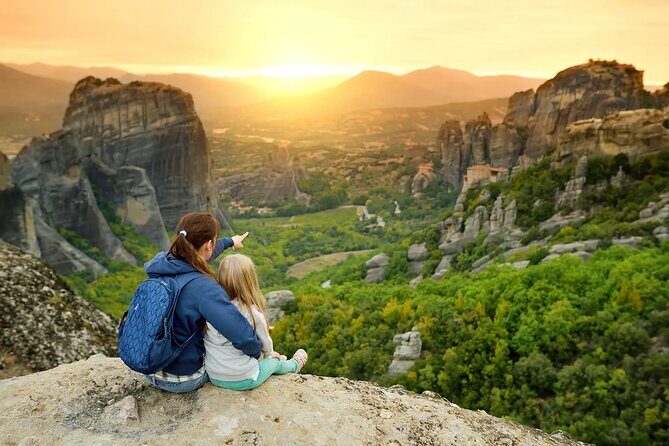
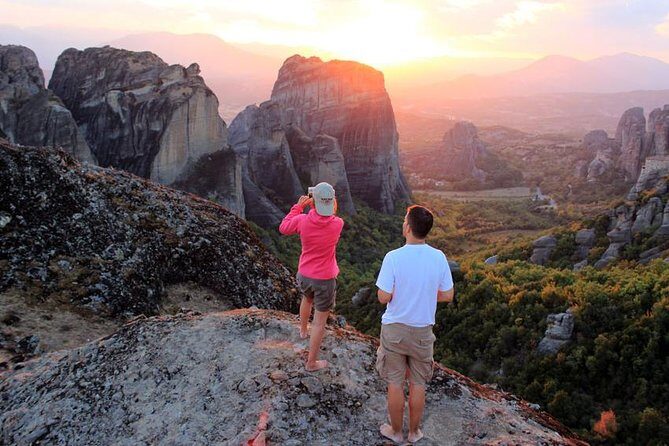
The tour ends with a sunset from a little-known Meteora vantage point. That phrase matters because it usually means you’re chasing color with fewer crowds.
Weather can change everything here. One common pattern from real on-the-ground experiences: even if clouds or rain show up, the colors can still break through. If you’re going in shoulder season or late day, bring a layer—people feel cold while waiting for the sky to do its thing.
Bring your camera habits too. You’ll get photo opportunities, but you’ll also want patience. Sunsets aren’t controlled. Your best strategy is to arrive ready, then let the guide point you toward the best angles.
Price and value: $36.28 for transfers, guided context, and key stops
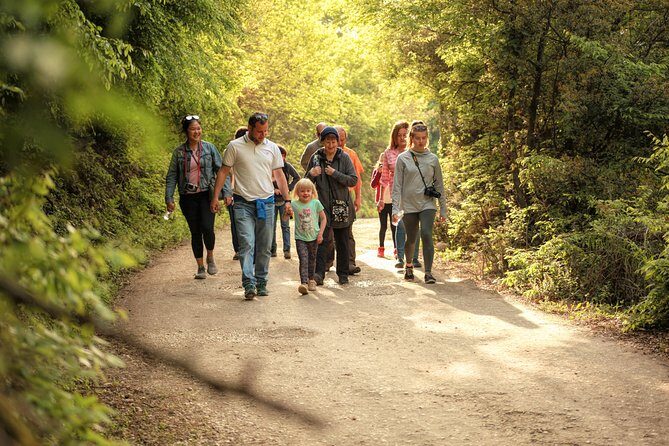
At $36.28 per person, this is a value-forward option because it bundles the things that are hardest to do solo in Meteora. You’re paying for:
- Hotel pickup and drop-off from Kalambaka or Kastraki
- Bottled water
- Inside visit to Saint Stephen
- Visit to the Byzantine Church of the Virgin Mary
- Visit to the hidden hermit caves
- A live English-only guide (with audio support available for other languages)
What isn’t included: food and drinks, and monastery admission fees. The data also notes an additional Meteora fee (€7.00 per booking). On top of that, some inside-site payments may require cash—so I’d show up with a bit of it just in case.
Also note: you do not get a full “private monastery guide” for every building. The tour is guided as a route, and the most detailed guided time is built around the included stops.
Who should book this tour (and who should consider a different plan)
This works especially well if you:
- Want Meteora basics plus deeper context in one evening
- Like the mix of monastery + Byzantine church + hermit caves
- Prefer a small-group format rather than a crowded bus scene
- Want less stair-heavy routing thanks to the Saint Stephen bridge entry
It may be less ideal if you:
- Hate late days. Sunset timing can push the finish later, even when the day is described as about 4 hours
- Want long, uninterrupted time inside multiple monasteries. This route prioritizes meaningful variety over hours of single-site wandering
If you’re pairing Meteora with another day of sightseeing, this sunset tour often makes a great “orientation” evening—then you can choose your favorite monasteries for more time the next morning.
Should you book this Meteora Sunset with Monastery & Hermit Caves Tour?
Yes—if you want Meteora with a guide who connects the dots. I’d book it if you care about context, not just views, and if you appreciate a small group plus easier entry at Saint Stephen. The hermit caves and the Byzantine church add variety that a basic monastery-only day doesn’t usually cover.
Before you go, prep for the two practical realities: bring clothing that meets monastery rules, and have a little cash available for inside-site costs. Also, plan your evening around late sunset, not around a strict early return time.
If you’re flexible and ready for storytelling and photo stops, this is one of the smoother ways to experience Meteora’s sacred side without spending your day solving logistics.
FAQ
How long is the Meteora sunset tour?
It’s listed at about 4 hours.
What’s the price per person?
The price is $36.28 per person.
Is pickup offered?
Yes. Pickup and drop-off are offered from hotels and Airbnbs in Kalambaka and Kastraki.
What language is the tour guide?
The tour is guided in English only.
Does the tour include an audio guide?
Yes. An audio guide is offered via a mobile smart audio guide app in multiple languages, and it’s included as part of the experience.
Which sites are visited inside?
Inside visits included are Saint Stephen Monastery and the Byzantine Church of the Virgin Mary. Entry fees may still apply for certain sites.
Are monastery or Meteora admission fees included?
No. There’s a noted Meteora admission fee (€7.00 per booking), and other monastery entry costs are not included in the tour price.
What happens if Saint Stephen Monastery is closed on a Monday?
On Mondays, Saint Stephen is closed, and the tour visits Saint Nicholaos Monastery or Roussanou instead.
What should I wear for the monasteries?
Men must wear long sleeves and trousers. Women must wear a long skirt. If you arrive in shorts or other non-compliant clothing, trousers and skirts are provided.
Is the tour dependent on weather?
Yes. The experience requires good weather, and if it can’t operate due to poor weather, you’ll be offered a different date or a full refund.