REVIEW · ATHENS
Acropolis: Private Guided Tour
Book on GetYourGuide →Operated by Athens Walks Tour Company · Bookable on GetYourGuide
A few steps up, then the whole city opens. This is a private Acropolis tour led by a licensed archaeologist, timed for late afternoon so you dodge the worst lines and heat while you still get great light for photos. You’ll focus on the major monuments up close, with your guide adding the myths, the “why it was built,” and the little details that make the stones feel human.
I also like the small size—up to five people—which means you can move at a real pace instead of sprinting with a crowd. You’ll get a bottle of water, an English/French/German live guide, and time to ask questions without feeling rushed. One possible drawback: the Acropolis is still a climb. Comfortable shoes matter, and you should plan for stairs and uneven ground; if anyone in your group struggles with knees or backs, tell the guide so the pacing can be adjusted.
In This Review
- Key takeaways before you go
- Why late afternoon on the Acropolis feels like a smarter city hack
- Private group size (up to 5): the difference you’ll feel in the first 10 minutes
- The archaeologist guide: what you’ll actually get beyond dates and facts
- The 2-hour flow: Parthenon, Erechtheum, Temple of Athena Nike, Theater of Dionysus
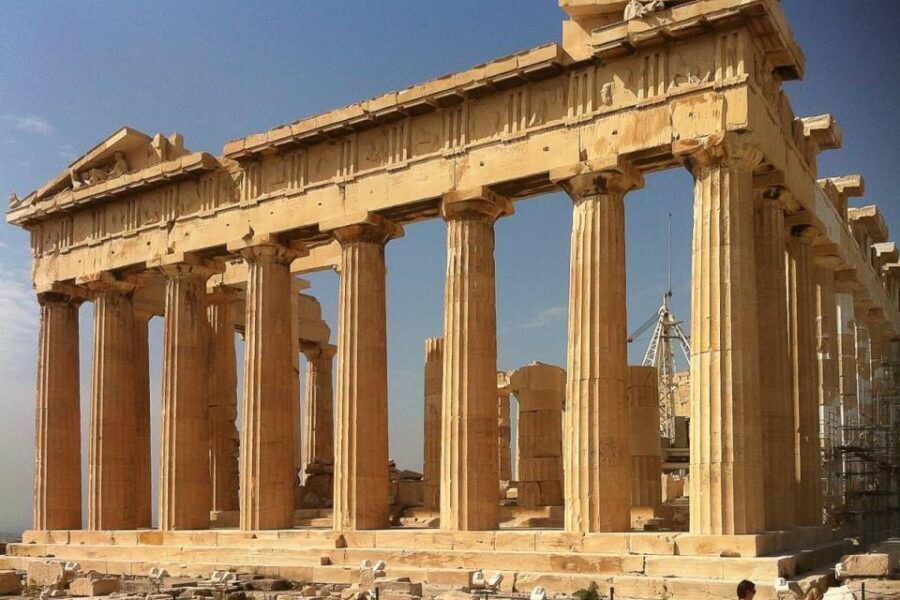
- Parthenon: the “start here” experience
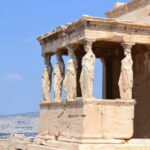
- Erechtheum: where the site feels more personal
- Temple of Athena Nike: a smaller stop with sharper focus
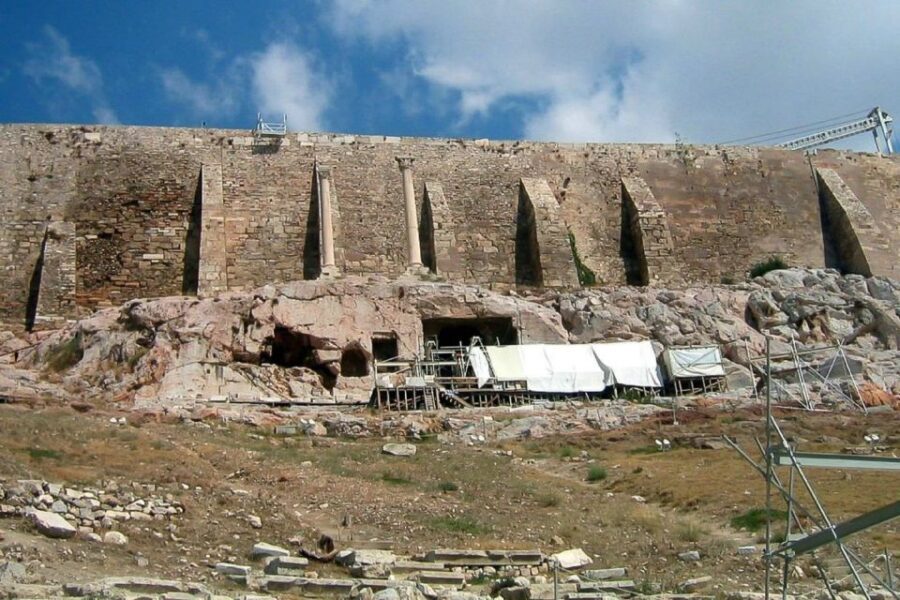
- Theater of Dionysus: history you can almost hear
- Timing, lines, and comfort: how this tour saves your energy
- Tickets and money: what $176 covers, and what you’ll pay separately
- What to bring: the small items that make a big difference
- Pricing value: when private makes sense for your group
- Who should book this tour
- Should you book the Acropolis private guided tour?
- FAQ
- FAQ
- How long is the Acropolis private guided tour?
- Is this tour private, and how many people can be in the group?
- Are Acropolis entrance fees included in the $176 price?
- Do I need to skip the ticket line?
- What languages are the live guides available in?
- What should I bring for the tour?
- Do discounts apply, and what do I need to show?
- What if I’m visiting during the winter schedule window?
Key takeaways before you go
- Late-afternoon start helps you avoid peak crowds and harsh sun while still aiming for sunset views
- Licensed archaeologist guide means answers on myths, purpose, and how the monuments connect
- Private group up to 5 gives you room for questions, photos, and a calmer experience
- Major sights in a tight 2 hours: Parthenon, Erechtheum, Temple of Athena Nike, Theater of Dionysus
- Entrance fees are extra and you’ll need to pay on site (cash is required)
Why late afternoon on the Acropolis feels like a smarter city hack
Late afternoon is when Athens starts to cool down, and the Acropolis gets more comfortable to walk. This matters, because the “official” Acropolis experience is not just sightseeing—it’s climbing stone steps, then standing in open sun for views that are worth it. When you start later, you’re more likely to actually enjoy the walk instead of counting the minutes until shade.
You also get a better rhythm. Morning can mean packed routes and people pressing in for the same angles. Late afternoon still brings visitors, but a private guide route plus cooler temperatures changes the feel of the site. That also helps with photos. You can take your time at key points like the Parthenon without feeling like someone is always behind you.
And sunset views are not a marketing line here. This tour is designed around that timing, so your guide can point you toward lookouts over the city when the light turns kind.
You can also read our reviews of more guided tours in Athens


Private group size (up to 5): the difference you’ll feel in the first 10 minutes
A private tour isn’t just a checkbox. On the Acropolis, it’s what keeps the experience from becoming a checklist. With a small group, you can pause longer at the Monument That Actually Caught Your Eye, instead of the group leader moving everyone along like it’s an airport line.
This is also where guides like Sophia really shine. Her approach has been praised for making it feel like you have space—while also keeping the route efficient enough that you can exit with less hassle. Another guide, Kimissa, was noted for being accommodating when someone had trouble keeping up, building the pace to fit the group instead of forcing everyone to match the fastest walkers.
If you’re traveling with family, this small-group feel can be a lifesaver. One guide used story-driven engagement (including a playful children-versus-parents style moment) to keep kids interested for the full two hours. That kind of attention is hard to replicate on large group tours.
The archaeologist guide: what you’ll actually get beyond dates and facts
An archaeologist guide changes the tone of the visit. You’re not only looking at famous structures—you’re learning why they mattered, what questions builders were trying to answer, and how the monuments relate to life around the Acropolis.
You can see this in the way different guides teach. Rigoula has been described as strong on Athenians and the Acropolis context, using storytelling to connect culture to the physical remains. Dimitra has a reputation for packing a lot into two hours while keeping it interesting and approachable. And Katerina has been praised for keeping children engaged and for being flexible when weather threatened the plan.
What I like most is practical teaching style. A good guide doesn’t just lecture. They help you look: where to stand for a better understanding, what to notice in carvings or layout, and how to interpret myths in a way that makes sense with the stone in front of you.
You also get real-time tailoring. If your group cares more about one structure than the others, your guide can adjust the pacing so you don’t feel like you’re being dragged through the highlights and out.
The 2-hour flow: Parthenon, Erechtheum, Temple of Athena Nike, Theater of Dionysus
This tour is short on purpose: two hours is enough time to get meaningful context at the biggest stops without turning the day into a marathon. The exact route can vary by your start time and the flow at each area, but you can expect the visit to center on these key monuments:
Parthenon: the “start here” experience
The Parthenon is the headline, but a guided visit helps you read it. You’ll spend time at the structure that most people recognize instantly, and your guide’s job is to translate the meaning behind what you’re seeing—how it fits into Athenian identity and why this monument became a symbol that lasts.
Even if you’ve seen pictures before, being there in person is different. Your perspective shifts. Details you’d miss in a museum photo become obvious, and you get a clearer sense of scale—how the design dominates the area around it.
You can also read our reviews of more private tours in Athens




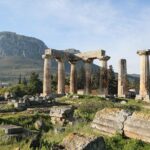

Erechtheum: where the site feels more personal
The Erechtheum gets less “wow” from first-time visitors, but on a guided tour it usually becomes one of the most interesting stops. The reason: it’s tied to stories and sacred associations that feel more specific than generic “temple building” talk.
I like that this stop balances the Parthenon. If you’re the kind of person who likes meaning and symbolism more than pure spectacle, this is often where the guide can really make the site click.
Temple of Athena Nike: a smaller stop with sharper focus
The Temple of Athena Nike is easier to overlook at first glance because it isn’t as instantly dominating as the Parthenon. But that’s exactly why it’s worth attention with a guide. You’ll get help noticing the features and the reason the location and dedication matter.
This is a great “breather” stop, too, because your guide can keep it organized without rushing you past. It’s also a good point in the tour to reset your feet and refocus your photos.
Theater of Dionysus: history you can almost hear
The Theater of Dionysus connects the Acropolis to lived culture—performances, gatherings, and the public life that ran alongside the religious monuments. With a guide, this stop feels less like standing in front of ruins and more like imagining people using the space.
Even in two hours, this is a powerful contrast. You move from grand temple architecture to a performance space, and your guide helps you understand how the city’s identity ran on both forms: worship and public storytelling.
Timing, lines, and comfort: how this tour saves your energy
One of the biggest advantages is that you’re starting later, when the crowds are often thinner and the sun is less punishing. The tour also notes you’ll skip the ticket line. In practical terms, that means less time in a queue and more time spent where it counts—on the monument viewpoints.
There’s another comfort angle people overlook: a two-hour visit is easier to manage than longer tours in the same area. You don’t need to “power through” as much. You’re not trying to do half a day on uneven stone.
Still, manage expectations. The Acropolis is not wheelchair-flat. You’ll want to plan for steps and uphill sections. If your group includes someone with mobility issues, guides have been able to adjust the experience, but the terrain itself doesn’t magically disappear.
Tickets and money: what $176 covers, and what you’ll pay separately
The price is $176 per person for a private tour (up to five people). That’s the cost of the private guide experience, not the Acropolis entrance fee.
Entrance tickets are not included, and you pay on site. The tour information also says you should be prepared to pay cash. That means you’ll want to carry enough cash the day of your tour so you’re not scrambling at the gate.
Discounts can apply for eligible visitors:
- EU citizens under 25 get free entrance
- Non-EU citizens under 25 get a 50% discount
Bring your passport to confirm eligibility.
Also note this scheduling constraint for a specific winter period: from 1 November 2017 to 1 May 2018, it isn’t possible to book a tour starting later than 10:00 because the Acropolis closes at 14:00 during that time. If you’re traveling in winter, double-check the start time options rather than assuming the late-afternoon plan is always available.
What to bring: the small items that make a big difference
This tour is simple, but the right gear helps you enjoy it more.
- Comfortable shoes are non-negotiable. You’ll be walking and climbing.
- A sunhat is recommended, especially if your start time stretches toward late-day sun.
- If you qualify for age-based ticket discounts, bring your passport.
- Wear clothes that let you move easily. You’ll be on your feet the whole time.
A bottle of water is included, which is helpful. You’re still responsible for hydration habits, but at least you start the walk covered.
Pricing value: when private makes sense for your group
$176 per person sounds steep until you compare what you actually get: a licensed guide for a private group, a two-hour focus on the major monuments, and a late-afternoon timing strategy that helps reduce the “I hate this line” factor.
Here’s how I think about value:
- If you’re a solo traveler, it may be pricier than a group tour—but the private pace and question time can make it worth it.
- If you’re a family of four or five, private can be a smart move. You’re paying for shared guidance and keeping the experience calm.
- If your group includes anyone who needs pacing support, the private format is one of the best ways to get a better experience without sacrificing learning.
Also, remember tickets are extra. If you’re budgeting, add the Acropolis entrance cost on top.
Who should book this tour
This works especially well if you want:
- a calmer Acropolis experience with private attention
- an archaeologist-led explanation of the main monuments
- a late-day start for cooler walking and nicer light
It’s also a strong fit for families. The small group size makes it easier for guides to keep children engaged in a way that doesn’t feel like babysitting.
If you have limited mobility or a sensitive knee/back, don’t assume the climb will be easy. But do know this: guides have shown the ability to accommodate when someone can’t keep the usual pace. Just be honest ahead of time, and wear the right shoes.
If you’re traveling in winter during the period when late starts aren’t possible, you might have to choose an earlier slot. That doesn’t ruin the tour, but it changes the “late afternoon sunset” feeling.
Should you book the Acropolis private guided tour?
If you care about learning more than taking photos, and you want a less stressful visit, I’d book it. The late-afternoon timing plus a licensed archaeologist guide makes it more than a scenic walk. It’s a short, focused way to understand the site’s big monuments without losing hours to crowds.
I’d think twice only if your group cannot handle uneven ground and stairs at all. Otherwise, plan for the climb, bring comfortable shoes, and expect a very guided, very human-sized Acropolis visit.
FAQ
FAQ
How long is the Acropolis private guided tour?
It’s 2 hours.
Is this tour private, and how many people can be in the group?
Yes. It’s a private tour for up to 5 persons.
Are Acropolis entrance fees included in the $176 price?
No. Entrance fees are not included and you pay them on site.
Do I need to skip the ticket line?
Yes, the tour includes skipping the ticket line.
What languages are the live guides available in?
The live tour guide is available in English, French, and German.
What should I bring for the tour?
Bring comfortable shoes. A sunhat is recommended for comfort.
Do discounts apply, and what do I need to show?
EU citizens under 25 get free entrance, and non-EU citizens under 25 get a 50% discount. Bring your passport to ensure eligibility.
What if I’m visiting during the winter schedule window?
From 1 November 2017 to 1 May 2018, it’s not possible to book a tour starting later than 10:00 because the Acropolis closes at 14:00 during that winter period.



More Guided Tours in Athens

More Tours in Athens


More Tour Reviews in Athens
- All Day Cruise -3 Islands to Agistri,Moni, Aegina with lunch and drinks included
★ 5.0 · 4,958 reviews