REVIEW · ATHENS
Athens: Guided Mythological Walking Tour
Book on GetYourGuide →Operated by Truevoyagers · Bookable on GetYourGuide
Mythology turns Athens into a living map. This guided walk threads ancient stories through real streets, so the city feels like one long clue. I like how the tour connects myths with what you’re actually seeing, and I also like the way guides keep the pace story-based instead of lecture-only, with Penelope as a standout name.
You’ll cover classic central Athens landmarks on foot, including Syntagma Square and the old streets of Plaka, while learning how Greeks talked about gods, humans, seduction, deception, punishment, and everyday life. One heads-up: this is not a light, quick bedtime story walk. It can run quite in-depth, so if you want a casual stroll with minimal facts, you may find it dense.
In This Review
- Key highlights I’d plan around
- Why this Athens mythology walk works (and not just for die-hard fans)
- From Korai 4 to the Academy of Athens: the tour’s story engine
- Numismatic Museum and Akadimias: where details start doing the heavy lifting
- Syntagma Square to Mitropoleos: politics, power, and ancient echoes
- Plaka streets and Monastiraki finish: Zeus and the human side of myth
- What you actually do during the 2 hours (pace, shade, and comfort)
- Price and value: is $47 worth it for Athens mythology?
- Who should book this tour (and who should skip it)
- Final verdict: should you book Athens: Guided Mythological Walking Tour?
- FAQ
- How long is the Athens mythological walking tour?
- How much does it cost?
- Where do I meet the guide?
- Where does the tour end?
- Is the tour offered in English?
- What is included in the price?
- What is not included?
- What should I wear for the walking part?
Key highlights I’d plan around

- Myths tied to real buildings so statues and street corners make sense
- English live storytelling that stays engaging, including questions and back-and-forth
- Central Athens route from Korai 4 through Syntagma and Plaka to Monastiraki
- Small-group feel at times, with personalization when the group is tiny
- Practical walking time split across multiple stops over about 2 hours
Why this Athens mythology walk works (and not just for die-hard fans)
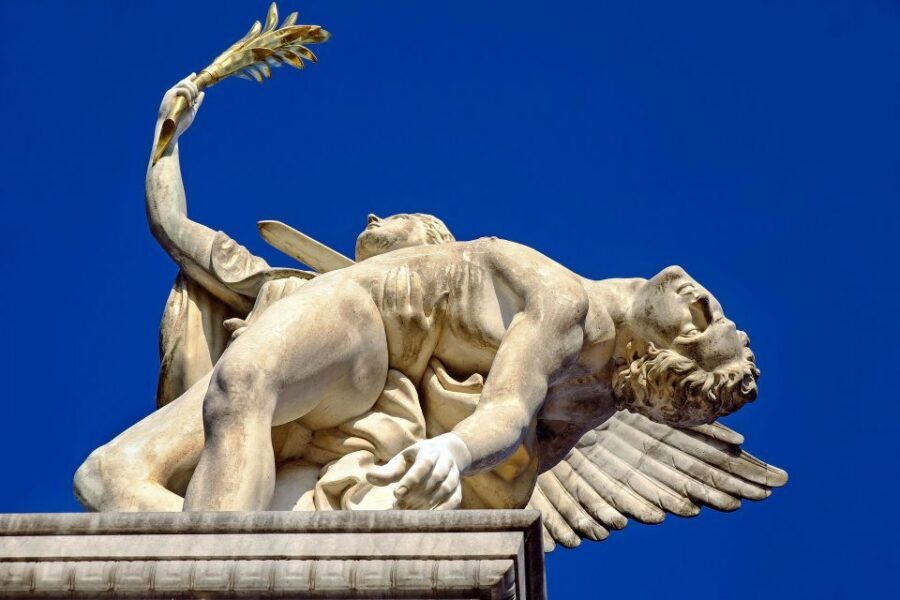
Greek mythology can sound like faraway legend until you see how it was used to explain the world around people. This tour makes that connection on the sidewalk. As you move through central Athens, the stories aren’t just entertainment. They act like a decoder ring for why certain places feel important and why certain characters were repeated over and over.
I especially like the framing: it treats myths as human drama. There’s jealousy. There are passions that don’t behave. There’s pride that gets punished. And when the guide brings in gods like Zeus, you start seeing the myth logic behind how Ancient Greeks thought about power and consequences. That matters even if you already know a few famous tales, because you’ll learn the places where those tales show up in everyday Athens.
You can also read our reviews of more walking tours in Athens


From Korai 4 to the Academy of Athens: the tour’s story engine

The walk begins at Korai 4, right by a Starbucks, which is a handy meeting point if you’re already navigating the center. From there, you head toward the Academy area. This is a smart opener because you start in a part of Athens where the city’s modern identity and its academic, classical references feel close together.
At the Academy of Athens stop, you’re not just looking at an impressive site. You’re hearing how people turned stories into meaning, so architecture and iconography start to feel intentional rather than random. The timing is tight (about 20 minutes walking here), so you’ll want to keep your eyes up and your ears open.
A practical note: this early segment sets the tone. If you’re the type who asks questions, this is the moment to do it. The guide’s style often supports dialogue, not just one-way narration, and that makes the myths stick faster.
Numismatic Museum and Akadimias: where details start doing the heavy lifting
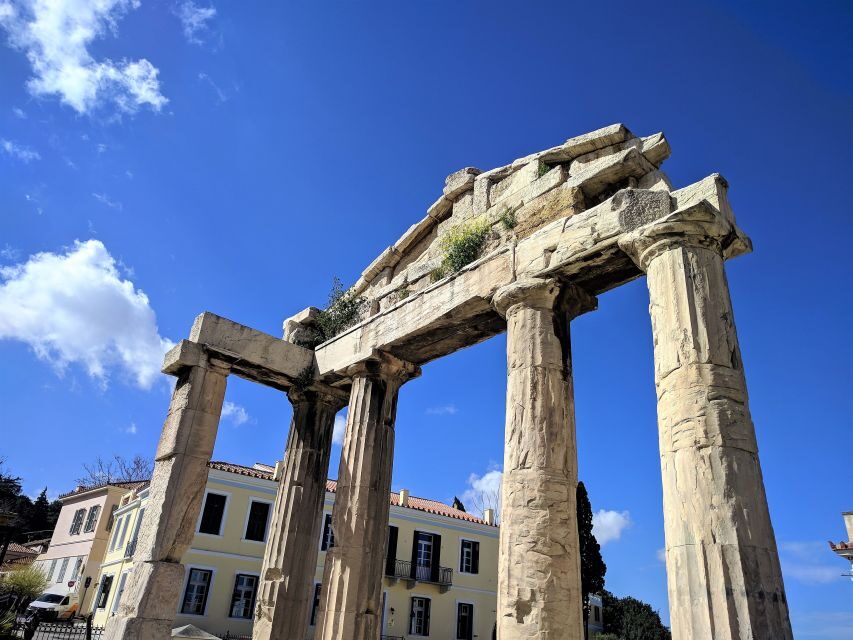
Next comes the Numismatic Museum area, then a stretch around Akadimias. Even if you don’t go inside, you’ll get value from what the guide points out along the way. This is where the tour becomes more than a story hour. You start noticing the city as a map of references.
You also get a taste of how Ancient Greeks mixed the supernatural with culture. Myths weren’t floating in a bubble. They connected to social rules, identity, and the way people described what happened to them. You’ll hear stories that involve satyrs and nymphs, but the point isn’t to memorize every creature name. The point is to understand how these characters expressed ideas about desire, nature, and mischief.
One drawback to consider here: the tour is information-heavy. At this stage, you might feel like you’re collecting facts in rapid succession. If that bothers you, just pace yourself mentally. Focus on themes (like human behavior vs divine response) rather than trying to catch every detail.
Syntagma Square to Mitropoleos: politics, power, and ancient echoes
Then you shift into the big central anchor: Syntagma Square. This is an excellent choice for a mythology tour because it’s one of the busiest, most visible parts of modern Athens. Hearing ancient stories while standing in a place of today’s power helps you feel how long Athens has been a stage for authority.
From there, you move toward Mitropoleos. This section (with short walking stretches, around 15–20 minutes at a time) tends to feel like a shift from story-as-fairytale to story-as-civic lens. Myths about gods and rulers, and humans trying to negotiate with forces bigger than themselves, line up well with what you see in the city’s central streets.
If you’re into architecture, you’ll appreciate how the guide links structure and symbolism to myth. That’s also where the guide’s personality matters. In multiple experiences, Penelope (and Christina in some cases) has been praised for turning landmarks into conversations instead of just pointing.
Plaka streets and Monastiraki finish: Zeus and the human side of myth
The last big chunk is Plaka, where you’ll get roughly half an hour of walking through the most myth-dense zone of the route, then you finish at Monastiraki. Plaka is a neighborhood you can wander alone, but the tour changes how you experience it. It gives you a reason to slow down at specific corners.
This is where the stories often feel most tangible. You’ll hear about divine affairs and divine punishment, but you’ll also hear how humans were portrayed as responding to gods with fear, pride, love, and cunning. That interaction theme is key. Mythology here isn’t only about gods being dramatic. It’s about how humans interpret events and consequences through that myth framework.
You’ll also learn social customs and daily-life insights, not just famous legends. That’s one of the most useful takeaways. Athens becomes easier to read after you understand the tone of ancient society: what people valued, what they feared, and how they explained the unpredictable.
The finish at Monastiraki is practical. It’s a classic end point for an onward plan, whether you want dinner, a quick marketplace wander, or just a place to reset after two hours of walking.
You can also read our reviews of more guided tours in Athens


What you actually do during the 2 hours (pace, shade, and comfort)
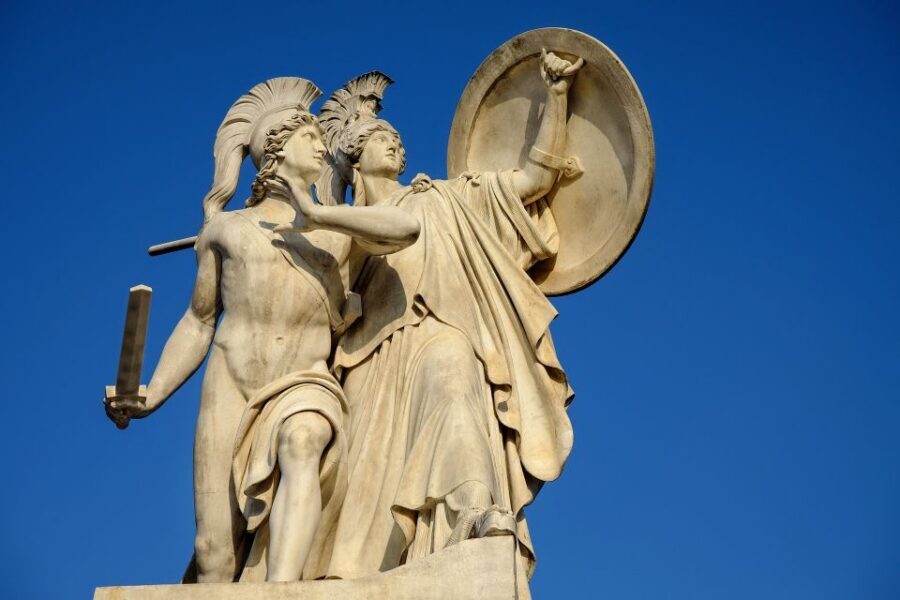
This is a short walking tour, but it’s still two hours on your feet. The route breaks into several walking segments, with most stops lasting long enough for you to hear the story and look at what’s being referenced.
In warm weather, you’ll want to think like an experienced local: protect yourself from sun and keep your body happy. Comfortable shoes are a must, and I’d strongly recommend bringing a hat and water. In real use, guides have also been careful about finding shade when possible, which makes the experience smoother rather than punishing.
Group size can affect your experience. When the group is small, questions come faster and the tour feels more tailored. That tends to work well for families and for people who want to ask follow-ups instead of just listening.
Price and value: is $47 worth it for Athens mythology?
At $47 per person for about 2 hours, the value comes down to one question: do you want expert myth storytelling connected to what you’re walking past? If yes, this pricing makes sense because the tour includes mythological storytelling from a guide, and you’re not paying extra for entrances or a museum ticket on the route.
There are two common cost traps to avoid:
- Entrance fees are not included. So if you’re hoping this tour replaces paid archaeological sites, it won’t. The tour is mainly about interpretation and sight-based context.
- There are no meals included. Build in time for a snack or drink after you finish in Monastiraki.
For many people, that separation is a benefit. You can keep your day flexible. You can also pair the walk with specific paid stops later, using what you learned to choose better priorities.
Who should book this tour (and who should skip it)

This tour is a great match if you want Athens to feel less like a checklist and more like a story you understand. It’s also a strong choice for families. Guides have been able to keep kids engaged, including ages around 10–11, by making myths interactive rather than just recited.
It’s also ideal if you like the angle where myth meets daily life and social customs. You’ll get more than names. You’ll get a sense of how Ancient Greeks used mythology to explain behavior and events.
Skip it if your goal is purely visual and relaxed with minimal talking. One caution that comes up is that it can be quite in depth. If you’re traveling on a very tight schedule and don’t want a lot of listening, you might prefer a shorter or more general walk.
Final verdict: should you book Athens: Guided Mythological Walking Tour?
If you like myths, and you like the idea of seeing Athens through that lens, I’d book this. It’s one of those tours where the “wow” comes from connecting dots: Zeus isn’t just a character in a book, and Plaka isn’t only charming streets. The guide turns the city into a readable myth map.
If you’re unsure, use this simple test. Ask yourself if you’ll enjoy 2 hours of conversation about gods, humans, and consequences while walking real streets. If the answer is yes, this $47, 2-hour walk can make your entire Athens trip feel more meaningful. If the answer is no, you’ll probably do better with a lighter sights-focused route.
FAQ
How long is the Athens mythological walking tour?
The tour lasts 2 hours.
How much does it cost?
It costs $47 per person.
Where do I meet the guide?
You meet at Korai 4, in front of a Starbucks café.
Where does the tour end?
The tour finishes at Monastiraki.
Is the tour offered in English?
Yes. It’s a live English guided tour.
What is included in the price?
The price includes mythological storytelling from an expert guide.
What is not included?
It does not include entrance to archaeological sites, meals, or hotel pickup and drop-off.
What should I wear for the walking part?
Wear comfortable clothes and shoes, since it’s a walking tour.
If you want, tell me your travel month and where you’re staying. I can suggest the best time of day to do this route and what to pair it with for later entrances.
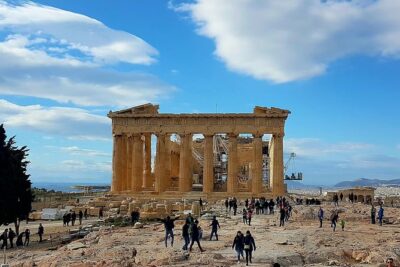

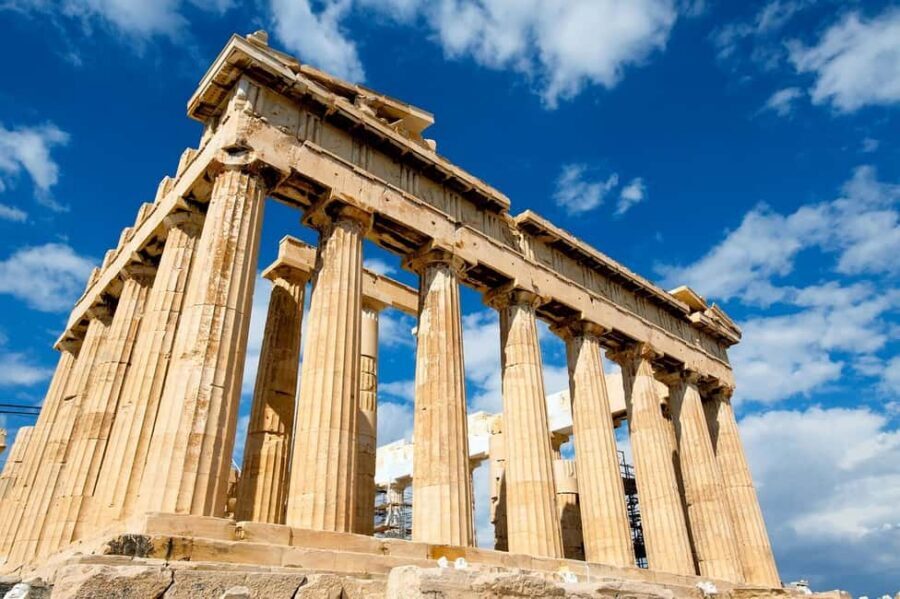

More Walking Tours in Athens

More Tours in Athens


More Tour Reviews in Athens
- All Day Cruise -3 Islands to Agistri,Moni, Aegina with lunch and drinks included
★ 5.0 · 4,958 reviews