REVIEW · ATHENS
Classical Tour of Greece Four Days from Athens
Book on Viator →Operated by Let's Book Travel · Bookable on Viator
Four days can change how you picture Greece. This route strings together major archaeological stops with easy logistics: luxury air-conditioned bus, planned site time, and a professional guide connecting what you see to what it meant. I like the all-inclusive structure (transport, hotels, entrance fees, and most meals), and I also like that the group stays small-ish with a maximum of 50 travelers.
There is one trade-off to consider: site time can feel tight, especially if your guide leans toward long narration. If you love lots of independent wandering, you’ll want to use free moments fast and ask questions when you have them—because the day is designed to keep moving.
In This Review
- Key Things I’d Watch For Before You Go
- A 4-Day Loop That Hits Greece’s Most “You Have To See This” Places
- Day 1: Corinth Canal, Epidaurus Acoustics, and the March to Olympia
- Overnight in Olympia: Why Staying Put Makes a Difference
- Day 2: Olympia’s Zeus Sanctuary, Stadium, and Museum Time
- The Road to Delphi: Corinthian Bay Bridge, Nafpaktos, and Itea
- Day 3: Delphi’s Museum and Ancient Town, Then Kalambaka for Meteora
- Meteora: Monasteries on Rock Pillars and Byzantine Art
- The Return Toward Athens: Thermopylae’s Leonidas Monument and a Long Finish
- Price and Logistics: What You’re Really Paying For
- Hotels and Meals: Mostly Covered, With One Practical Note
- Guides and Timing: When It Feels Smooth, It’s Magic
- Practical Tips to Get More Out of Every Stop
- Should You Book This Tour?
- FAQ
- What time does the tour start, and how long is it?
- What’s included in the tour price?
- Is there an extra cost at the hotel?
- Is pickup provided, and do I need a paper ticket?
- What’s the group size limit?
- What is the cancellation policy?
Key Things I’d Watch For Before You Go

- Big-name sites, minimal planning: Mycenae, Olympia, Delphi, and Meteora are all on the itinerary, with entrance fees handled.
- Comfort first: air-conditioned bus and organized transfers make the long days more doable.
- Hotels + meals are mostly covered: 3 breakfasts and 3 dinners come included, which helps your budget.
- The pace is real: travel days are long, so come ready for early mornings and fast transitions.
- Guide quality matters: strong guides can make the whole experience click, especially when traffic or timing changes.
A 4-Day Loop That Hits Greece’s Most “You Have To See This” Places
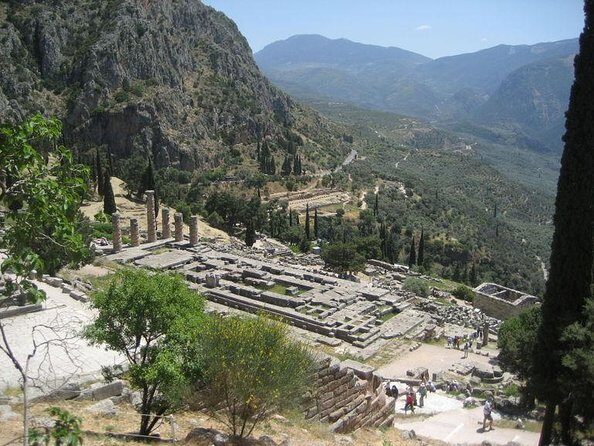
This tour is built for people who want the classics—without building a spreadsheet. You start in Athens, then roll through the Peloponnese and on to central Greece, with overnight stays that let you actually visit each place instead of doing a frantic day-trip shuffle.
What makes this worth your time is the pairing: major ruins plus the museums that explain them. When you see statues, inscriptions, and everyday objects in the museum right after walking the stones outside, the story sticks faster.
You can also read our reviews of more tours and experiences in Athens
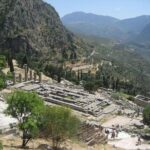
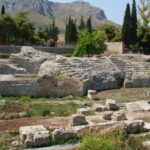
Day 1: Corinth Canal, Epidaurus Acoustics, and the March to Olympia
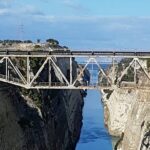
Your day begins with a morning start time of 8:30 am, plus pickup offered from near public transportation. You’ll head down the coastal road for a quick stop at the Corinth Canal—not a long visit, but a handy moment to understand the geography you’ll be traveling across.
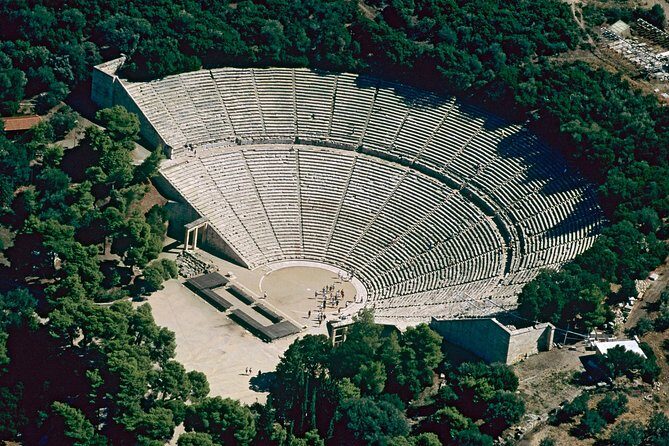
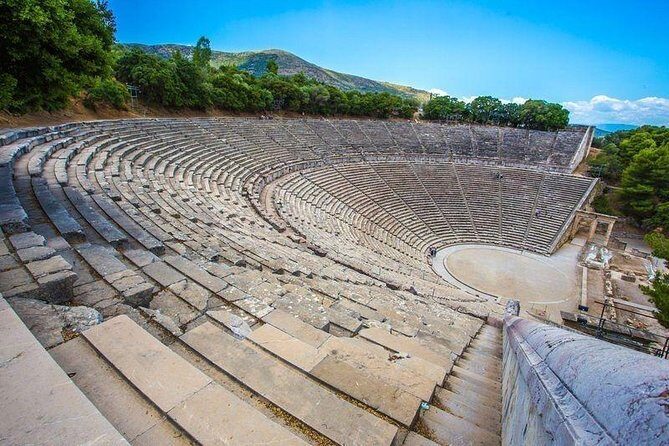
From there, you reach the Theatre of Epidaurus, famous for acoustics. The key here is that you’re not just looking at ruins—you’re watching how the site was designed for performance. Even with limited time, it’s the kind of stop that makes ancient engineering feel human.
Next comes a short photo pause in Nafplion (Nauplion). Think of this as a breathing point: enough time to break up the drive and grab a few quick shots, not enough to turn it into a separate trip.
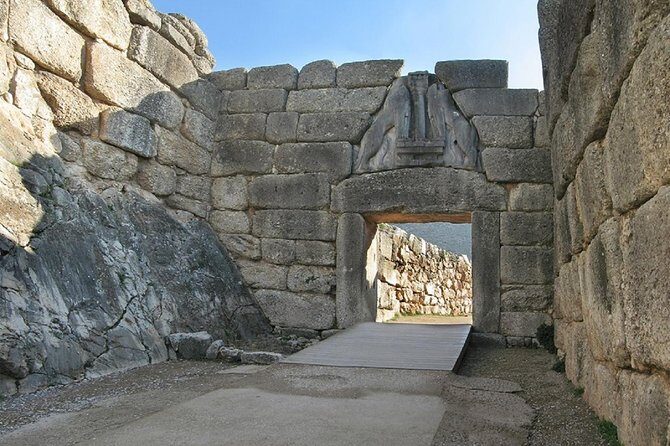
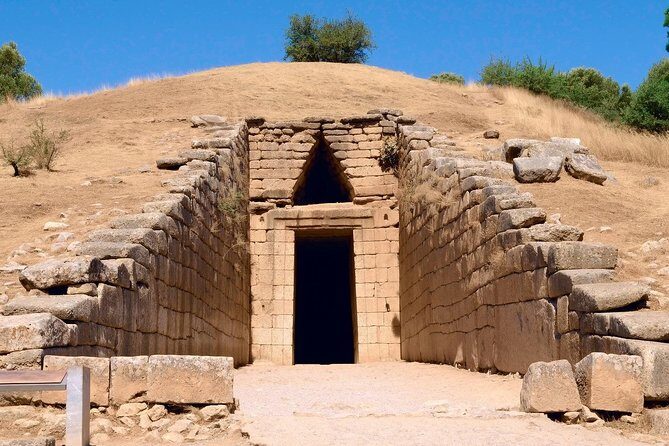
Then you move to Mycenae, including the archaeological site and the Tomb of Agamemnon area. Mycenae is where you start to feel the shift from myth to power centers—fortifications, tomb culture, and a landscape that looks built for defense.
Finally, you continue on through central Peloponnese (with towns like Tripolis and Megalopolis on the route) and reach Olympia for an overnight stay and dinner. Olympia is your anchor for the next day, and that matters: you get to visit calmly the following morning rather than squeezing everything into one exhaustion-fueled pass.
Overnight in Olympia: Why Staying Put Makes a Difference
Overnight stays aren’t just a convenience—they change how you experience the sites. By sleeping in Olympia, you’re positioned to see the archaeological area when you’re fresh and not fighting the clock after a full day of driving.
Dinner is included, so you don’t have to decide where to eat right away. You’ll still want to keep drinks in mind, though: drinks and beverages aren’t included, and lunch isn’t included either.
If you’re the type who likes to do one big thing well each day, this setup helps. You’re not hopping hotels mid-morning, and you’re not racing from one check-out to another.
Day 2: Olympia’s Zeus Sanctuary, Stadium, and Museum Time
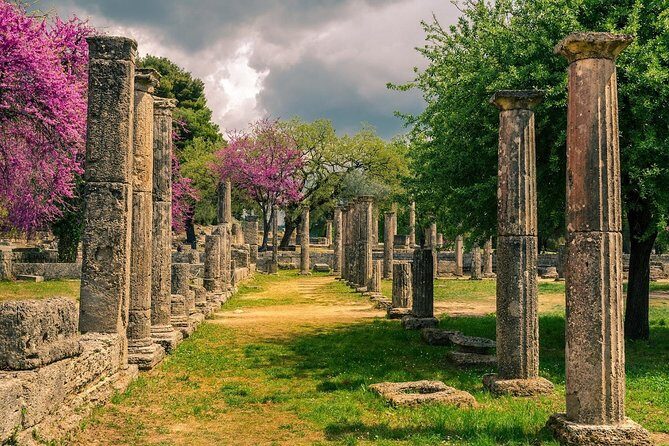
Olympia is where the tour really earns its keep. You start with the archaeological site and the Sanctuary of Olympian Zeus, plus time at the Ancient Stadium and the Olympia Archaeological Museum.
The museum visit is crucial. Olympia wasn’t just about sport; it was a religious and cultural center, and the artifacts help you understand ceremonies, offerings, and the status that came with athletic victory. Without the museum, the ruins can feel like beautiful stone. With it, the place starts to make sense.
You also get a separate stop devoted to the museum and site complex, which gives you the chance to catch what you missed the first round. Even if you’re not a museum person, this is where the “I saw it” part turns into “I get it.”
The Road to Delphi: Corinthian Bay Bridge, Nafpaktos, and Itea
After Olympia, you travel toward Delphi through scenic plains and towns en route. One of the visual highlights is the bridge crossing the Corinthian Bay from Rion to Antirion—a dramatic bit of modern engineering that contrasts nicely with the ancient sites you’re about to hit.
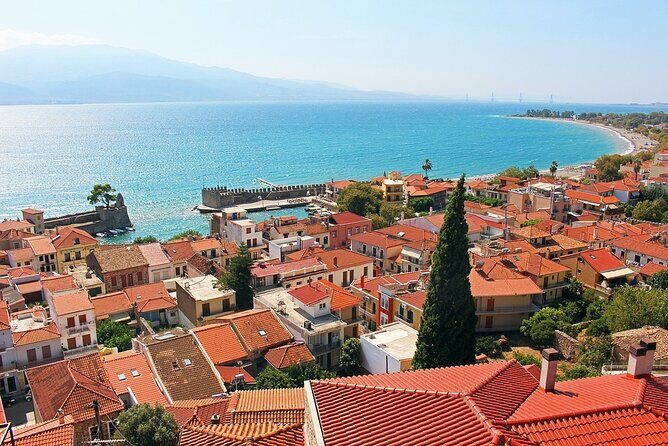
On the way, you pass by Nafpactos (Lepanto) and Itea. These aren’t full sightseeing stops, but they do break the drive and give you little glimpses of Greek coastal and town life along the route.
You arrive in Delphi for an overnight stay and dinner. Delphi is a different mood from Olympia—more dramatic, more “oracle in the mountains” feeling—so waking up there sets you up for the next day’s best payoff.
- All Day Cruise -3 Islands to Agistri,Moni, Aegina with lunch and drinks included
★ 5.0 · 4,958 reviews



Day 3: Delphi’s Museum and Ancient Town, Then Kalambaka for Meteora
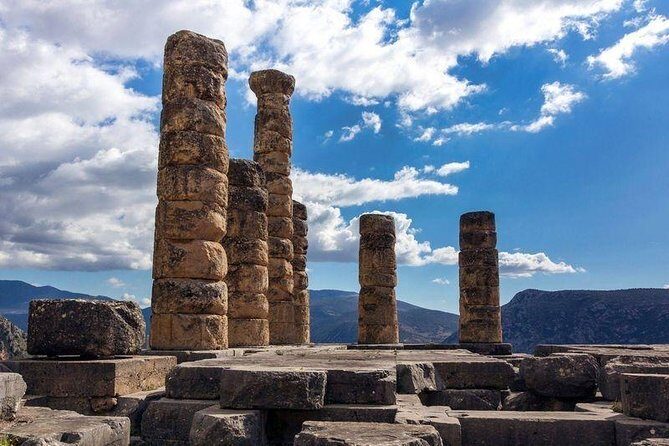
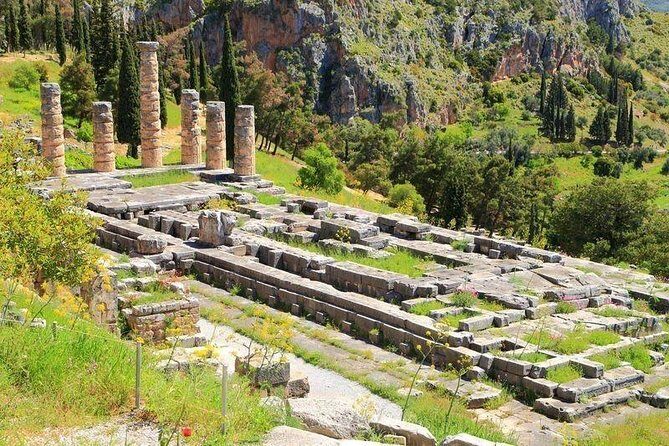
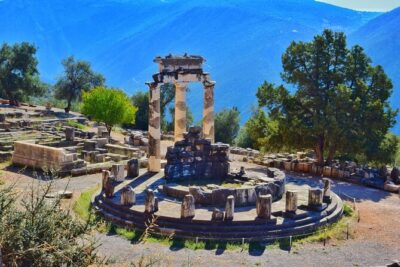
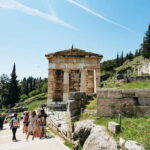
Delphi is tackled in a way that rewards you if you like context. In the morning you get time at the Delphi Archaeological Museum and the ancient town area. This matters because Delphi isn’t only about ruins; it’s about the meaning of the place.
Then you head to Kalambaka, the town at the foot of Meteora’s rock complex, and you overnight there with dinner included. Kalambaka is your practical base for the next day, which makes the Meteora visit feel less stressful.
The biggest value on this day is that you’re not just doing geography for geography’s sake. You’re building a thread: Olympic games and sanctuary life in Olympia, then prophecy and sacred status in Delphi, then the unusual monastic story of Meteora.
Meteora: Monasteries on Rock Pillars and Byzantine Art
Meteora is the kind of place that makes you look up a lot—because the setting is unlike anything you get in a typical European city. You visit Meteora itself, where monasteries sit atop huge rock formations that seem to hover.
What you’re looking for isn’t just the views (though yes, the views are a big deal). You’re also seeing surviving examples of Byzantine art, tied directly to how these communities lived and worshipped in hard-to-reach places.
This is one of the tour stops where your timing and comfort matter most. Wear shoes you trust, bring sun protection, and don’t underestimate how quickly weather can change around exposed rock areas.
The Return Toward Athens: Thermopylae’s Leonidas Monument and a Long Finish
On the final day, you start with Meteora and then head back to Athens via Trikala and Lamia. There’s a short stop at Thermopylae to see the Leonida’s (Leonidas) Monument across the road, then you continue to Athens arriving early evening.
This return route is practical and efficient, and that’s the point. The day is designed to close the loop while still giving you one more Greece “name on the map” moment.
If you’re planning a post-tour dinner in Athens, keep it flexible. The day includes driving time, so you’ll want something nearby and easy rather than a last-second far trip.
Price and Logistics: What You’re Really Paying For
At $728.39 per person, this isn’t a budget-only option. The value comes from what’s bundled together: luxury air-conditioned bus, professional licensed guide, entrance fees, 3 nights of accommodation, and 3 breakfasts + 3 dinners.
For many travelers, the hard part of planning Greece isn’t the price of any single ticket—it’s coordinating transport, timing, and admissions across multiple regions. This tour takes those headaches off your plate, especially with pickup offered and a group that moves as one.
What’s not included is also clear and important for budgeting:
- Accommodation tax: 5 euro per person per night, payable on check-out
- Lunches and drinks/beverages
- Gratuites (optional) and personal expenses
If you’re traveling with limited time, the “don’t plan it” value can outweigh the higher daily cost. If you like controlling every meal and stretch, you might prefer a DIY plan. But for most history-focused travelers, this price lands in a reasonable middle ground because so much is already handled.
Hotels and Meals: Mostly Covered, With One Practical Note
You’ll have A class / T class hotels for three nights, plus breakfast (3) and dinner (3). The goal is simple: enough comfort to recover for the next day’s site time.
One detail worth knowing: hotel quality can vary by stop. The Delphi stay is the one most likely to feel less impressive compared with others, so don’t expect a single five-star feel across all nights.
Meals are included, and that’s a big plus on a schedule like this. Still, expect food choices to be shaped for tourists, since dinners are part of a moving itinerary rather than free-form local dining nights.
Guides and Timing: When It Feels Smooth, It’s Magic
This tour is only as good as the day-of execution, and that’s where the guide matters. You may encounter guides such as Dominique and Cassandra, both praised for keeping things on schedule and for strong subject connection. There’s also a consistent role from the bus driver—names like George show up for keeping the ride steady.
The best case is a guide who pairs history with practical site timing: where to stand, what to look for fast, and what details matter most in each museum. The less good case is long explanations in the sun with limited free time. If you know you’re sensitive to sitting through lengthy narration, prepare accordingly: sun protection, water, and a quick list of questions you want answered.
Practical Tips to Get More Out of Every Stop
A four-day classics tour is not a slow museum stroll. It’s a “see a lot, understand enough, and move on” rhythm. To make it work:
- Bring comfortable walking shoes you can wear for uneven ancient-site paths.
- Pack a hat and sunscreen; even short waits can be long under Greek sun.
- Keep water handy for midday breaks, since lunch and drinks aren’t included.
- When you get free time, don’t waste it. Use it to photograph, scan, and spot what you were just told about.
If you’re the type who likes to read first and then see, you’ll enjoy the way the guide connects the dots. If you’re more spontaneous, the structure still works—you just need to pay attention when the guide points out what to look for.
Should You Book This Tour?
Book it if you want an organized classic Greece circuit with multiple UNESCO-area stops, most meals handled, and transport taken care of. It’s a great fit for history buffs who don’t want to coordinate buses, tickets, and driving between regions.
Skip it (or adjust expectations) if you dislike group pacing or want lots of unstructured time at each site. This tour moves. If that’s not your style, you may prefer fewer stops with more free hours.
If you do book, you’ll likely be happiest if you treat each day like a chapter: learn a bit, see the key pieces, then move on.
FAQ
What time does the tour start, and how long is it?
The tour starts at 8:30 am and runs for about 4 days.
What’s included in the tour price?
Included are luxury air-conditioned bus transportation, traveler pickup, a professional licensed guide, hotel accommodation, entrance fees, 3 breakfasts, and 3 dinners.
Is there an extra cost at the hotel?
Yes. An accommodation tax of 5 euro per person per night is payable on check-out.
Is pickup provided, and do I need a paper ticket?
Pickup is offered, and you’ll be informed of the exact time and location after booking. The tour also uses a mobile ticket.
What’s the group size limit?
The maximum group size is 50 travelers.
What is the cancellation policy?
You can cancel for a full refund up to 24 hours before the experience’s start time. If canceled due to poor weather, you’ll be offered a different date or a full refund.

More 4-Day Experiences in Athens

More Tours in Athens


More Tour Reviews in Athens
- All Day Cruise -3 Islands to Agistri,Moni, Aegina with lunch and drinks included
★ 5.0 · 4,958 reviews