REVIEW · ATHENS
From Athens: Delphi Private Tour with Lunch Time
Book on GetYourGuide →Operated by Enjoy Greece tours · Bookable on GetYourGuide
Delphi has a way of grabbing you fast. This private day trip from Athens trades ticket lines for a smooth, door-to-door route and focused time at Delphi’s big-name sights. You’ll pass through classic Central Greece stops like Livadeia and Thebes, then arrive at the ancient sanctuary that the Greeks believed was the center of their world.
I especially like two parts. First, the private drive with scenic countryside routing gives you a calmer day than rushing on buses. Second, the visit is built around specific Delphi highlights, from the Oracle of Apollo and sacred monuments to the museum displays that make what you’re seeing click.
One thing to consider: the details on what’s included can feel a bit inconsistent—lunch and the English-speaking guide are described as part of the experience, but the fine print also lists lunch and the licensed tour guide as not included. I’d confirm those before you go, so you’re not surprised at meal or guide time.
In This Review
- Key highlights worth your attention
- Athens-to-Delphi Drive: Livadeia, Thebes, and Arachova Views
- Delphi’s Archaeological Area and Museum: How the Ruins Make Sense
- Oracle of Apollo, Omfalos, and the Temple of Athena Pronaia
- Sacred Details and Major Artworks: Eniochos, Kleobis and Biton, Sphinx of Naxos
- Kastaleia Spring and the Mountain Views Over Parnassus and Itea
- Lunch at a Traditional Greek Tavern: What You’ll Want to Confirm
- Price and Logistics for a Private Group of Up to 7
- Who This Delphi Private Tour Fits Best
- Should You Book This Private Trip to Delphi?
Key highlights worth your attention
- Countryside route: Pass Livadeia, Thebes, and the mountain town of Arachova on the way to Delphi.
- Delphi sites in one day: Oracle of Apollo, Omfalos, Temple of Athena Pronaia, and key springs and viewpoints.
- Museum time that connects to the ruins: You’ll see major artifacts and statues like Eniochos and the famous kouroi.
- Ancient theatre stop: Built into the archaeological area visit, so you get context for how the site worked.
- Greek lunch plan: A traditional tavern lunch is part of the day, but you should double-check inclusion.
- Private group up to 7: One car, one plan, and fewer coordination headaches.
Athens-to-Delphi Drive: Livadeia, Thebes, and Arachova Views
The best part of a private day trip is that the start feels easy. You’ll be picked up from your hotel or cruise ship, then settle into a direct drive through Central Greece. It’s not just a transfer. The route passes by Livadeia and Thebes, both tied to Greece’s older layers of settlement and story—so the day starts with momentum, not with a blank “now we’re traveling” feeling.
Then there’s Arachova, a mountain village that’s especially well known as a winter holiday stop with a ski center. Even if you’re not going in ski season, you’ll get a sense of why this place draws visitors: mountain air, mountain shapes, and that compact village energy. It’s a nice counterpoint before Delphi, which can feel both dramatic and oddly peaceful once you arrive.
If you’re prone to travel jitters—like needing the day to have stops you can look forward to—this drive helps. And if the weather is messy, you’ll likely appreciate having an adaptable plan with a private driver in charge of timing rather than hoping connections hold up.
You can also read our reviews of more private tours in Athens


Delphi’s Archaeological Area and Museum: How the Ruins Make Sense
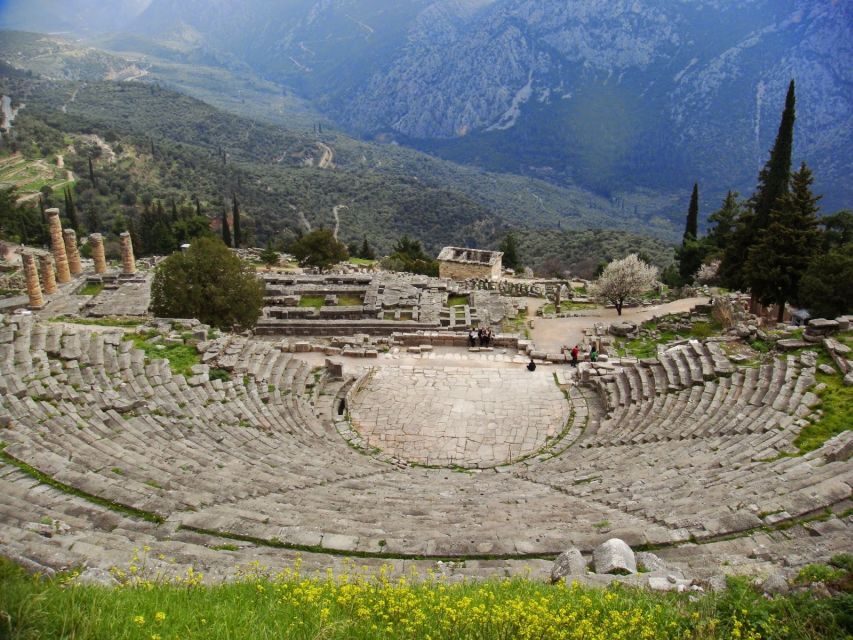
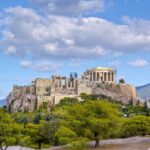
When you reach Delphi, the visit is anchored around the archaeological site with its ancient theatre and the museum. That combination matters. The theatre gives you a sense of the scale and performance culture that surrounded the sanctuary. Then the museum turns the big ruins into something you can actually picture: objects, statues, and details that would be hard to “read” on your own at the stone level.
I like how this kind of pairing works in real life. If you only walk the ruins, you can end up memorizing locations without understanding their roles. If you only do a museum, you miss the feeling of being in the terrain the ancients chose. Put them together, and it feels like one continuous story.
One good sign from real-world experience: the guide style here tends to focus on connecting what you just saw with what you’re seeing next. That’s exactly how to get more out of Delphi in limited time—especially when weather changes can force you to adjust where you spend a few extra minutes.
Oracle of Apollo, Omfalos, and the Temple of Athena Pronaia
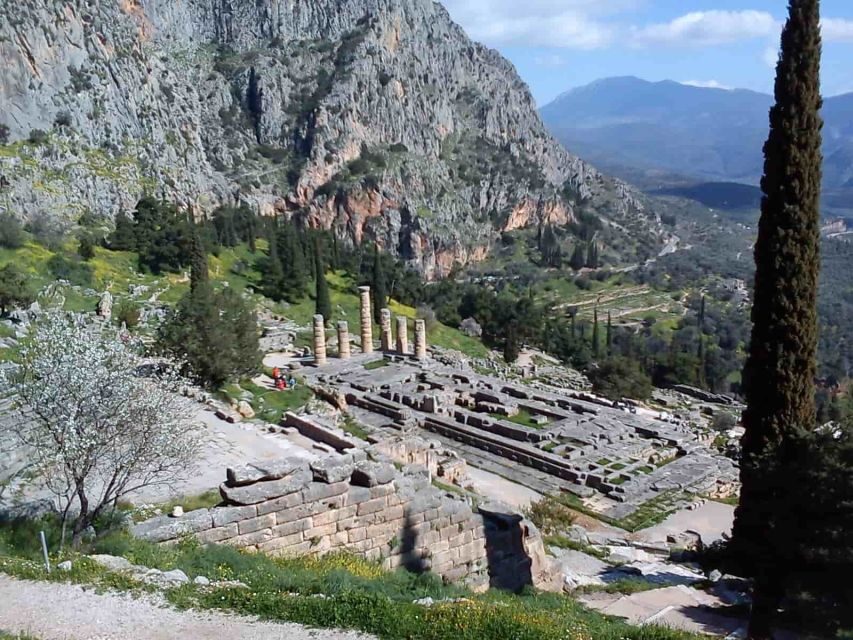
This is the heart of Delphi’s pull. You’ll visit the Oracle of Apollo, the Omfalos (the famous center-stone), and the Temple of Athena Pronaia. These stops aren’t just “check this off.” They’re the reason Delphi is still discussed as a spiritual and cultural magnet.
The Oracle of Apollo is the site that turns the sanctuary into something personal. It’s the place people came to seek guidance, not just to admire art. If you enjoy myth and meaning—rather than only chronology—this is where the day starts to feel more than sightseeing.
Omfalos is one of those elements that many visitors recognize by name. Seeing it in context is different. It stops being trivia and starts being part of a larger belief system about order, center, and authority.
And then there’s the Temple of Athena Pronaia. This is where you get a sense of how Delphi balanced sacred activity with a bigger religious landscape. Athena’s role, the temple setting, and the sanctuary’s layout help explain why Delphi wasn’t a single building—it was a whole working religious complex.
Practical tip: bring a little patience. Delphi covers ground, and some areas can be slick or uneven. You’ll move faster if you focus less on perfect photos and more on walking steadily and listening for the “why” behind each stop.
Sacred Details and Major Artworks: Eniochos, Kleobis and Biton, Sphinx of Naxos
Delphi is known for its monuments, but the artifacts really help you understand what the ancients valued. This tour’s focus includes standout statues and items such as Eniochos the charioteer, the twin brothers Kleobis and Biton, and the Sphinx of Naxos.
Eniochos (the charioteer) is especially memorable because it connects Delphi to prestige and competition. It’s the kind of object that makes you think about who funded monuments and why. Delphi wasn’t only about prayers—it was also about status and remembrance.
Kleobis and Biton bring another angle: values like duty and devotion. Seeing these figures in an organized museum context helps you move beyond generic admiration into understanding the message these works carried.
And the Sphinx of Naxos adds a dramatic note. When a sculpture like that is placed within the Delphi ecosystem of myth, it changes the experience from simply reading legends to seeing how art helped people picture them.
If you’re the type who likes to come away with “I learned something real today” energy, this is one of the strongest parts of the experience. The museum stops are targeted enough that you don’t feel like you paid for wandering.
Kastaleia Spring and the Mountain Views Over Parnassus and Itea
After lunch, the day shifts from ruins and relics to atmosphere. You’ll head to views of Mount Parnassus and Itea, which helps put Delphi in its wider geographic context. This is where you feel the place as a living landscape—where weather, elevation, and sightlines shaped what people built and where they came from.
These viewpoints also work as a natural reset. If your morning was heavy on walking and reading, this is your reward for staying attentive. You get to see the mountains surrounding Delphi and remember that the setting mattered as much as the symbolism.
I also like that the plan includes this kind of stop after lunch rather than stacking every viewpoint before it. You’ll usually enjoy views more when you’re not racing to beat crowds or timing.
You can also read our reviews of more tours and experiences in Athens
- All Day Cruise -3 Islands to Agistri,Moni, Aegina with lunch and drinks included
★ 5.0 · 4,958 reviews





Lunch at a Traditional Greek Tavern: What You’ll Want to Confirm
The tour plan includes time for a traditional Greek lunch at a restaurant or tavern, with a choice of well-known Greek dishes. In practice, this is often a big part of why private day trips feel worth it: you’re not hunting down food while trying to keep your day on schedule.
That said, the provided details also list lunch as not included. This is exactly the kind of mismatch you should clear up when you book. Ask whether lunch is fully included in your group’s price or if you’re paying at the restaurant. Same with the guide: the overview says you’ll have an English-speaking guide, while another section notes that a licensed English-speaking tour guide isn’t included.
To plan smartly for the day:
- Decide if you want to budget for lunch separately just in case.
- If you care about a specific dietary need, confirm in advance how the restaurant handles it.
If everything is truly included, great. If not, you still get a great structure for finding a solid meal close to your tour route.
Price and Logistics for a Private Group of Up to 7
At $707 per group (up to 7 people) for an 8-hour day, this is priced like a true private trip rather than a budget bus day. The value comes from three things:
1) Your time stays yours. You’re not waiting for multiple hotel pickups or dealing with the slow squeeze of big group schedules.
2) Transport is handled. The price includes car expenses such as tolls and parking, plus driver expenses, so you’re not nickel-and-diming the route.
3) Delphi time is focused. The plan concentrates on the major Delphi moments—archaeological site, theatre, museum, and key sanctuaries—rather than turning your day into a long checklist of minor stops.
What’s not included (per the details provided) is sightseeing tickets. That’s normal for private tours, but it’s something you should budget for. Also, lunch and the licensed English-speaking tour guide are listed in the “not included” section in the provided data, even though other parts of the information say you’ll have those. Double-check those points so your mental budget matches the reality on the day.
One more practical reality: eight hours at Delphi with museum time means you’ll walk. It’s not a sit-and-watch day. If mobility is a concern, ask about pacing and where you can pause. This tour can still work for many people, but you’ll want honest answers before you commit.
Who This Delphi Private Tour Fits Best
This tour makes the most sense if you fall into one of these groups:
- You want Delphi’s highlights without planning every step yourself.
- You’re going from Athens and don’t want to rent a car or manage a driver schedule.
- You like a day that includes both ruins and a museum, because the museum details help the site land better.
- Your group includes up to 7 people and you’d rather split a private price than pay per person for multiple arrangements.
It also suits you if you value a guide who can adapt. One real-world note from a past experience: the guide handled bad weather well and connected the museum explanations to what had just been seen. That matters. Delphi can be bright and clear one minute and grey and slippery the next, and you’ll enjoy the day more when the plan flexes.
Should You Book This Private Trip to Delphi?
If you want a smooth one-day Delphi plan from Athens with focused site time and a private setup, I’d say yes, it’s a strong option. The combination of archaeological highlights, theatre context, and museum artifacts like Eniochos and the Kleobis and Biton figures is the kind of structure that helps the day feel meaningful, not rushed.
Before you hit book, do two quick checks that will protect your day:
- Confirm whether lunch and the English-speaking licensed guide are actually included in your package for your date.
- Confirm how sightseeing tickets are handled, since they’re listed as not included.
If those pieces line up with what you expect, this is a great way to see Delphi without turning your trip into a logistics project.


More Private Tours in Athens


More Tours in Athens



More Tour Reviews in Athens
- All Day Cruise -3 Islands to Agistri,Moni, Aegina with lunch and drinks included
★ 5.0 · 4,958 reviews