REVIEW · ATHENS
Athens: City & Acropolis Walking Tour without Entry Tickets
Book on GetYourGuide →Operated by G.O.TOURS · Bookable on GetYourGuide
Athens has two faces: modern and ancient. This 3.5-hour walk starts at Syntagma Square and lines up the big landmarks in a way that makes the city feel like one long story. I especially like the built-in focus on the change of the Euzony guards, because it gives you an immediate sense of how Athens moves today.
The best part for me is the guide-led transition from government buildings to classic monuments, finishing with the Acropolis viewpoints and major highlights like the Propylaia and the Parthenon area. One thing to consider: the early “city” stretch can feel a bit ceremonial, so if you want nonstop ancient explanations from minute one, you might prefer a guide who ramps up stories sooner.
In This Review
- Key highlights at a glance
- Syntagma Square: Parliament, Unknown Soldier, and the Euzony guards
- National Gardens to Zappeion: a calmer Athens pause
- Temple of Olympian Zeus and Hadrian’s Arch: seeing the layers
- Plaka approach to the Acropolis: classic streets before big stone
- Acropolis gateways and the Parthenon area: what you’ll actually focus on
- The surrounding viewpoints that complete the story
- Skipping entry tickets: how to plan around entrances
- The new Acropolis Museum: your easy follow-up
- Price and time: value for a 3.5-hour highlight route
- Who should book this walking tour
- Should you book this Athens Parliament-to-Acropolis walking tour?
- FAQ
- Where is the meeting point?
- How long is the tour?
- Is this tour in English?
- Are entrance tickets included?
- Does the tour include hotel pickup?
- Does the tour skip the ticket line?
- What are the main sights covered?
- Can I visit the Acropolis Museum after the tour?
Key highlights at a glance

- Parliament Square start with the Monument of the Unknown Soldier and the Euzony guard ceremony
- National Garden stroll to take a breath before the heavier archaeological sites
- Hadrian’s Arch and Temple of Olympian Zeus as a quick lesson in different layers of power
- Plaka-to-Acropolis walk through the classic neighborhood approach to the hill
- Acropolis top sights around the Propylaia, Temple of Nike, Parthenon, plus major surrounding viewpoints
Syntagma Square: Parliament, Unknown Soldier, and the Euzony guards

Your day kicks off at Hotel AMALIA Athens as the meeting point, and the tour begins right at Syntagma Square, in front of the House of Parliament. This is a smart opener. It helps you get oriented fast, and it also frames Athens as a working capital, not just a photo-op city.
The ceremony element is the Monument of the Unknown Soldier plus the famous guard-changing moment carried out by the Euzony Guards. Even if you’re not a “ceremony person,” it’s worth watching at least once because it’s vivid and visual, and it sets the tone for the rest of the tour. One review noted that a guide’s attitude toward the ceremony can affect the pacing—so go into it ready to watch first, then listen once you’re moving again.
Practical tip: this start is a great time to take your bearings—where streets run, where you’ll eventually head for the Acropolis approach, and how the modern city funnels you uphill later.
You can also read our reviews of more tours and experiences in Athens

National Gardens to Zappeion: a calmer Athens pause
After the square, the walk shifts into a greener, slower rhythm through the National Gardens. This section matters more than it sounds. The Acropolis is all angles, stone, and intensity. The gardens give you a soft landing so you don’t feel like you’re rushing from one landmark checklist to another.
From there, you pass by Zappeion Hall, which acts like a kind of bridge between eras. It’s not as famous as the Parthenon in global branding, but in a walking tour it helps you understand how Athens stages big moments—events, ceremonies, and public space—around grand architecture.
If you’re the type who enjoys when a guide connects modern Athens to ancient ideas, this is where that can start to click. In one positive account, the guide was described as having huge knowledge of mythology and Greece, and that kind of storytelling tends to land best when you’re in a calmer setting like the gardens rather than in the densest monument crowds.
Temple of Olympian Zeus and Hadrian’s Arch: seeing the layers
Next up is the stretch around the Temple of Olympian Zeus and Hadrian’s Arch. This is a powerhouse stop for understanding how Athens has been claimed, rebuilt, and reinterpreted across different periods.
Here’s what I like about including both of these: they help you spot contrasts. You get the dramatic scale associated with Olympian Zeus, and then you move into Hadrian’s Arch, which signals the impact of later rulers on the city’s monumental language. If you’ve ever wondered why Athens doesn’t look like one single “ancient Athens” snapshot, this is your answer in stone.
Also, being on foot means you’re not just staring at one object—you’re getting a sense of how these monuments sit within the city’s flow. That makes later views from the Acropolis feel more logical. You’ll understand what you’re looking at instead of just labeling it.
Plaka approach to the Acropolis: classic streets before big stone
From Hadrian’s Arch, you enter the Plaka area and head toward the Acropolis. This is one of my favorite parts of the whole setup because Plaka is where Athens feels human-scale again. The walk through the neighborhood approach can make the climb feel less like a chore and more like a gradual unveiling.
And that gradual unveiling is the point. You’re moving from city landmarks to the Acropolis gateways, and the transition helps you mentally “stack” what you’ve seen: modern institutions, garden calm, monumental ruins, and then the myth-and-history landscape on the hill.
Don’t expect a quiet walking museum here. Plaka can be lively, and that’s okay. Just keep your shoes ready and your camera accessible, because you’ll likely want photos that include both the neighborhood streets and the hill above.
Acropolis gateways and the Parthenon area: what you’ll actually focus on
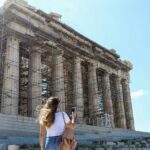
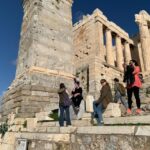
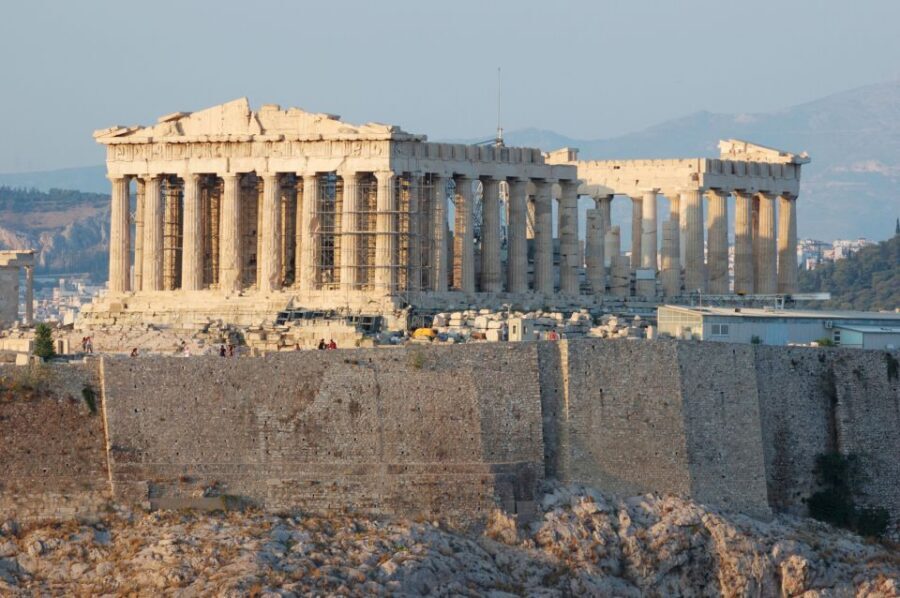
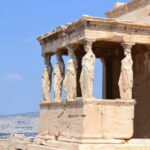
The tour’s crowning section is the Acropolis area, where your guide walks you past key structures and explains what they mean. The big named highlights on the route include the Propylaia, the Temple of Nike, and the Parthenon.
Even without paying extra for site interiors, you can still get a strong sense of how the Acropolis is designed. The Propylaia works like a statement entrance—an architectural pause before you commit to the main sights. The Temple of Nike helps you understand the way the Acropolis communicates victory and ceremony. And the Parthenon area is where your whole view of Athens crystallizes: stone proportions, lines, and the iconic backdrop that makes this hill famous worldwide.
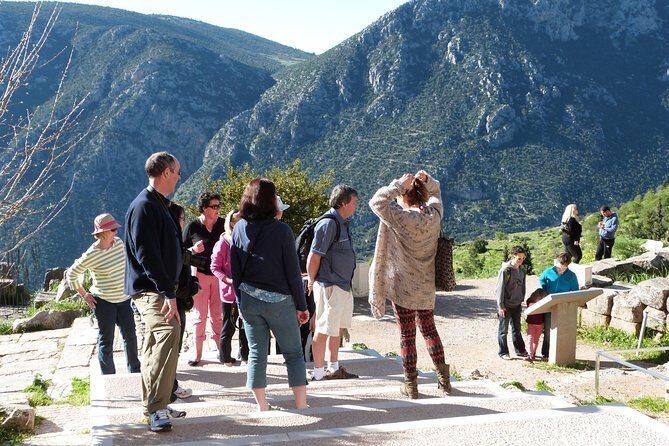
The most valuable part here is the guide narration. One strong review described an easy back-and-forth, with lots of chances to ask questions and get explanations that fit individual interests. When a guide is good, you don’t just see monuments—you learn what to notice. That might mean how to read the site layout, why certain buildings were placed where they are, or how the names connect to specific moments in Athenian leadership.
You can also read our reviews of more walking tours in Athens




The surrounding viewpoints that complete the story
A nice bonus is that the tour doesn’t stop at the Parthenon icon. It also includes sights around the area, such as:
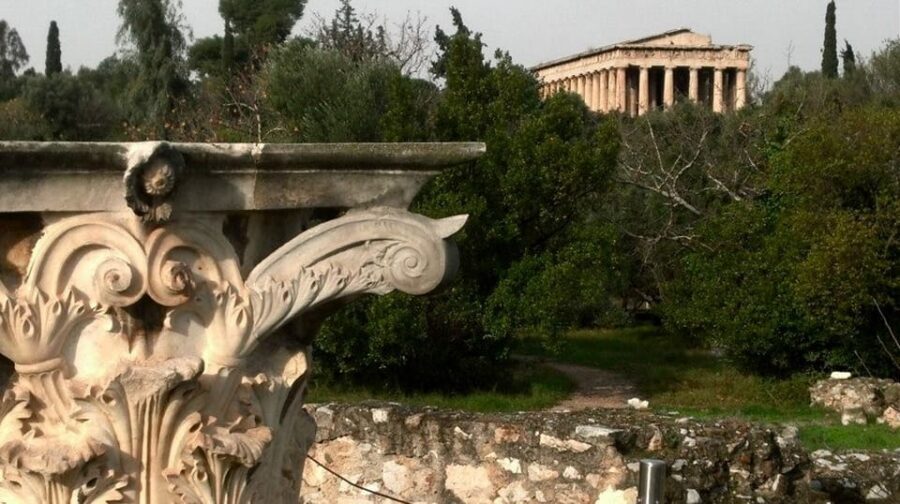
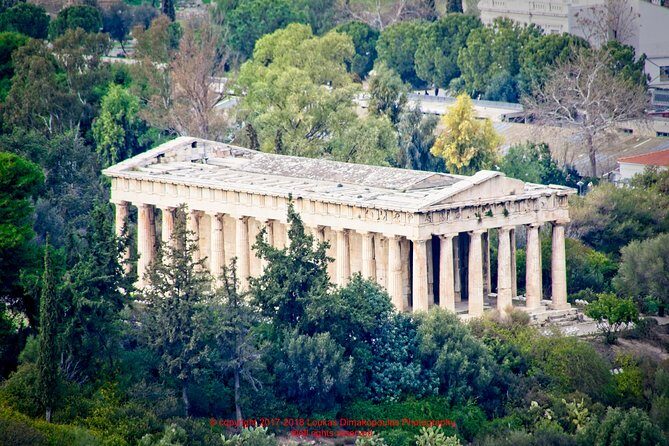
- Athenian Agora
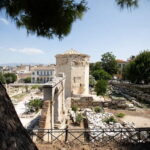
- Observatories
- Hill of Democracy (Pnyx)
- Mars Hill and Philopappapos Hill
- Odeon of Herodes Atticus
- The Theater of Dionysus
This matters because it turns the Acropolis from a single photo location into a working map of civic life. Pnyx connects to political discussion, the Agora connects to everyday civic and commercial activity, and the theaters connect to drama and public gatherings. If you care about how the ancient city functioned—not only how it looked—this wider loop is exactly what makes the tour feel worth the time.
One small caution: pacing can vary depending on the guide’s style. A lower-rated comment mentioned that the guide had less to say before reaching the Acropolis. So if you’re the type who needs heavy context from the start, keep an eye on how the first part of the tour is being framed. Once you’re up on the hill, the focus usually improves.
Skipping entry tickets: how to plan around entrances
This tour is listed as without entrance tickets, and it also states entrance fees are not included. That means you should expect to pay separately if you decide you want to go inside certain areas.
At the same time, the tour notes skip the ticket line. In practice, this usually helps with friction: you spend less time managing queues while the guide helps you keep the day moving. Still, because entrance fees are explicitly not included, treat any “you’re in” moments as conditional. You might spend more time on viewpoints and guided interpretation than on fully ticketed interiors.
If you want the most complete experience, plan your day like this:
- Let the walking tour do the orientation and explanation work.
- Add any interior tickets you personally care about afterward or alongside, based on what’s important to you.
The new Acropolis Museum: your easy follow-up
At the end of the walk, you’ll be close enough that visiting the new Acropolis Museum on your own makes sense. That’s a helpful suggestion because the museum can connect artifacts to what you just saw on the hill.
If you’re trying to maximize value, pair it with your tour. You’ll already have the monuments in your head, and the museum becomes less about reading labels and more about understanding what you’re looking at.
Price and time: value for a 3.5-hour highlight route
At $46 per person for a 3.5-hour guided walk, the value depends on how you like to travel. If you enjoy guided interpretation—someone pointing out what matters and giving context—this price can feel efficient. You’re getting a packed route through major Athens anchors: Parliament Square, National Gardens, key monumental stops, and a strong Acropolis focus.
If you’d rather wander independently, you might question paying for a guided route. But even then, a good guide often saves you from the common problem in Athens: you see the landmarks yet still don’t know what you’re looking at. The Acropolis is especially easy to experience as “pretty ruins” if you don’t have a narrative thread.
Also consider the tour is in English with a professional live guide. That language fit is a real value point if you want clear explanations without guessing at details.
Who should book this walking tour
This is a great choice if you:
- Want a structured Athens plan that still feels walkable
- Like guides who connect landmarks to stories and civic life
- Want the Acropolis highlights without spending your whole day managing logistics
It may be less ideal if you:
- Need nonstop commentary from the very first stop (some pacing can feel more ceremonial before the Acropolis)
- Only care about interiors, because entrance fees are not included
One more “fit” note based on guide quality feedback: when the guide is strong, Q&A can become easy and personal. If you like to ask questions, this route can feel especially satisfying once you reach the hill.
Should you book this Athens Parliament-to-Acropolis walking tour?
Yes, with a smart expectation: treat this as a guided orientation and viewpoint route, not a full-ticket “everything inside” marathon. If you want a clear path through Syntagma Square, the quieter reset in the National Gardens, major architectural milestones like Hadrian’s Arch, and then a focused Acropolis circuit around Propylaia and the Parthenon area, this tour fits well.
Book it if you’re the type who enjoys learning as you walk, and you’ll likely love it even more if your guide brings lots of mythology and ancient-world storytelling into the mix. Just plan for the fact that entrance fees aren’t included, so decide in advance what interiors (if any) are worth your extra time and cost.
FAQ
Where is the meeting point?
The meeting point is Hotel AMALIA Athens.
How long is the tour?
The tour lasts 3.5 hours.
Is this tour in English?
Yes, the tour is English with a live tour guide.
Are entrance tickets included?
No. Entrance fees are not included, so you’ll need to pay separately if you want to enter ticketed areas.
Does the tour include hotel pickup?
No. Hotel pick-up is not included.
Does the tour skip the ticket line?
The activity notes skip the ticket line, but entrance fees are not included, so you should be prepared for any entry costs separately.
What are the main sights covered?
Key stops include Greek Parliament, the National Gardens, Zappeion Hall, the Temple of Olympian Zeus, Hadrian’s Arch, and Acropolis highlights such as Propylaia, Temple of Nike, Parthenon, plus surrounding areas like Athenian Agora and Pnyx (Hill of Democracy).
Can I visit the Acropolis Museum after the tour?
Yes. Since you’ll be close by the end, the tour suggests visiting the new Acropolis Museum on your own.

More Tickets in Athens

More Tours in Athens



More Tour Reviews in Athens
- All Day Cruise -3 Islands to Agistri,Moni, Aegina with lunch and drinks included
★ 5.0 · 4,958 reviews