REVIEW · ATHENS
Athens Highlights: Myths & Philosophers Private Walking Tour
Book on GetYourGuide →Operated by Be a Greek · Bookable on GetYourGuide
Athens feels smarter when you connect ideas to streets. This private 4-hour walking tour follows the city’s major landmarks and turns them into a living lesson on Greek philosophy and mythology. I love the landmark-by-landmark storytelling and the chance to ask questions in a relaxed way, not a lecture hall. One drawback: it’s not suitable for people with mobility impairments since you’ll be walking the central-city terrain for most of the tour.
You start outside Panepistimio Metro Station and move through classic Athens scenes, from the Trilogy of Athens by architect Theofilus Hansen to the quieter philosophical spots near the Agora and the Acropolis. You’ll also get a real break for a Greek coffee in the Thissio area, plus an ending viewpoint from Areopagus Hill that makes the myths feel personal.
The guides have been praised for making the material practical and interactive. Names you may see attached to this tour include Bianca, John, and Effie, and they’re repeatedly described as adapting to your interests and keeping the pacing balanced.
In This Review
- Key tour takeaways
- Athens Highlights: Myths and Philosophers, and why it works
- Meeting outside Panepistimio and the Trilogy of Athens by Theofilus Hansen
- Apollo, Athena, Socrates, and Plato: gods as a way of thinking
- Greek Parliament and the National Gardens: Epicurus and the Garden school
- Ermou Street and Kapnikarea: Hermes, an 11th-century temple, and Aristotle’s classroom idea
- Thissio Greek coffee break: a real chance to talk Pre-Socratics
- Ancient Agora and the Poikile Stoa: where Stoic philosophy starts
- Plaka and Anafiotika at the Acropolis foot: Cynics, everyday Athens, and the Tower of Winds
- Finishing at Areopagus Hill: myths, the view, and one last philosophical reset
- Price and value: what $100 gets you in Athens for 4 hours
- Who this Athens philosophy walk is best for
- Tips to get the most out of it
- Should you book this tour?
- FAQ
- How long is the Athens Highlights: Myths & Philosophers Private Walking Tour?
- Is this tour private?
- What language is the tour guide?
- Where do I meet the guide?
- What’s included in the price?
- Are entrance fees included for the stops?
- Is Greek coffee part of the tour?
- What should I bring for the walking route?
- Is the tour suitable for people with mobility impairments?
- Can I cancel after booking?
Key tour takeaways
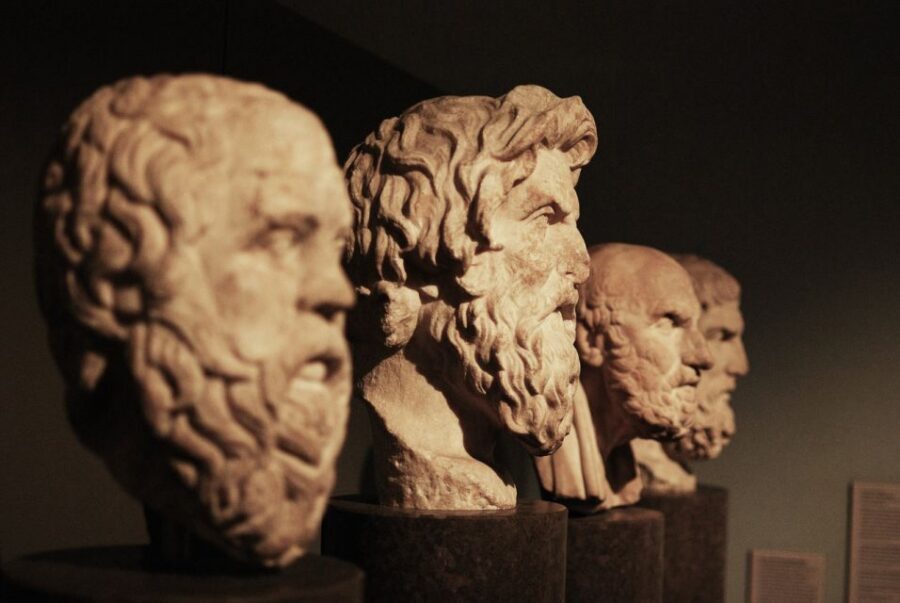
- Socrates to Stoics on one walk: you’ll move through multiple schools without feeling rushed
- Myth meets philosophy: Apollo and Athena aren’t just characters, they become part of the thinking
- A coffee break that actually matters: a chance to talk Pre-Socratic ideas in context
- Landmarks you’ll recognize fast: Panepistimio area, Parliament, Ermou Street, Plaka, and more
- Mythology comes with geography: winds, temples, schools, and viewpoints are tied to where you stand
- Private group feel: better for questions, personal pacing, and conversation
Athens Highlights: Myths and Philosophers, and why it works
If you’ve ever wondered how Greek philosophy could feel more than just book pages, this tour is built to answer that. You don’t sit and listen. You walk, look, and talk, while the guide keeps connecting what you see to what people were arguing about thousands of years ago.
The big value is that the tour turns Athens into a map of thinking. Socrates and Plato aren’t floating names. They’re tied to places, ideas, and even how gods like Apollo and Athena show up in different ways of understanding the world.
This is also a great “first Athens tour” style experience. You get your bearings quickly—without waiting in long lines for major-ticket sights—and you finish with a view that helps everything click together.
You can also read our reviews of more walking tours in Athens
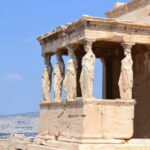


Meeting outside Panepistimio and the Trilogy of Athens by Theofilus Hansen
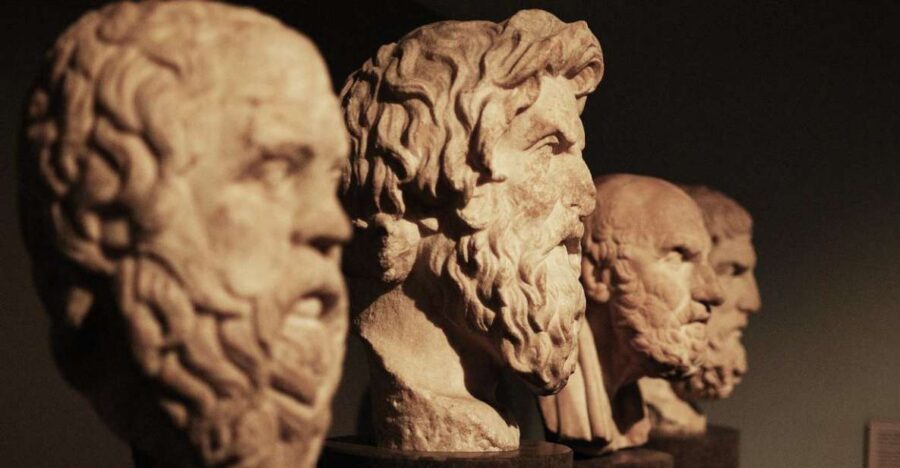
Your tour meets outside Panepistimio Metro Station, with meeting options that can include Πaνεπιστήμιο (University). From there, you walk into the city’s grand architectural story, starting with the Academy of Athens area and then moving toward the Numismatic Museum and onward.
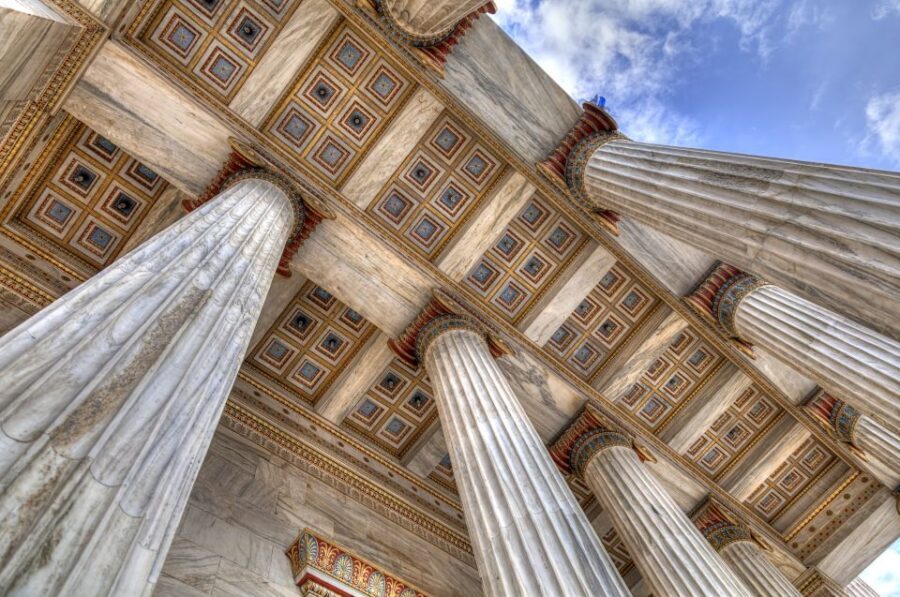
One of the early anchors is the Trilogy of Athens, a set of buildings associated with architect Theofilus Hansen. This is a smart opening choice because it sets a theme for the whole tour: Athens doesn’t just store myths in museums. It displays ideas in stone and layout.
As you look at statues by famous 19th-century sculptors, you’ll talk about how ancient philosophy sits in the same city space as later artistic traditions. That contrast helps you see why people still care about Socrates, Plato, and others: the city keeps reinterpreting them.
Apollo, Athena, Socrates, and Plato: gods as a way of thinking

The guide doesn’t treat mythology as fantasy decoration. You’ll work through Apollo and Athena as two gods with different characters, while still sharing surprising common ground. The point isn’t memorizing myth. It’s using myth as a language the Greeks used to explain values, skills, and ways of living.
Then the conversation tightens around two towering names: Socrates and Plato. You’ll discuss them in a way that’s meant to give you context, not just a timeline. The tour’s rhythm is built for this—short movement, quick focus, then a bit more reflection as you reach the next landmark.
This section is where the tour becomes most “alive.” The questions you ask can steer the discussion, and the ideas start to feel less remote. It’s also a nice way to frame what comes later with Epicurus and Aristotle, because you’re building a mental map of different approaches to how to live.
Greek Parliament and the National Gardens: Epicurus and the Garden school
Next you head to the Hellenic Parliament and then toward the National Gardens. That shift matters. It takes you from big civic Athens into a space where philosophical ideas feel calmer and more human-scale.
In the Gardens area, the focus lands on Epicurus and his philosophical school, known as the Garden. Epicurus is often reduced to stereotypes, but on this walk he’s presented through his real-life approach—how a school could be built around daily practices and discussion, not only public speeches.
This stop also gives you something most Athens tours skip: room to breathe. You’re not just rushing from one photo spot to another. You’re learning how philosophy could be lived in a specific kind of environment, and that makes the whole day feel balanced.
Ermou Street and Kapnikarea: Hermes, an 11th-century temple, and Aristotle’s classroom idea
After the Gardens, you head down Ermou Street, named after Hermes—the god tied to merchants and communication. Even if you don’t care about Hermes, the street name becomes a quick reminder that the Greeks didn’t separate commerce, myth, and daily life. Everything fed the same shared culture.
You’ll then get to admire Kapnikarea, an 11th-century temple. This is one of those stops that’s easy to miss if you’re only chasing the famous Acropolis skyline. But it adds texture to the day. You’re seeing how Athens layers centuries, while the philosophy conversation keeps moving forward in time.
From there, the tour connects to Aristotle and his Lyceum school. Aristotle’s school is often associated with teaching and classification, and this tour helps you understand him as someone who worked through ideas in a real setting—again, not in theory only. It’s a helpful pivot from Socrates and Plato, because you start to see different styles of thinking.
You can also read our reviews of more private tours in Athens



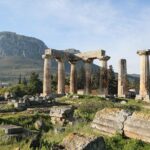

Thissio Greek coffee break: a real chance to talk Pre-Socratics
Midway through, you take a pitstop to enjoy a Greek coffee in the Thissio area. This is included as one Greek coffee or other traditional refreshment per person, so it isn’t a forced add-on.
I like coffee breaks on a walking tour because they create a natural reset for your brain. Here, the conversation can shift toward Pre-Socratic philosophers. That matters because the Pre-Socratics are the roots of “how to explain the world” thinking—before the big Socratic turn—so hearing the ideas out loud helps them land.
This is also where a good guide can personalize the day. If you’re the type who likes asking why someone believed something, this portion is a good time to do it. The best tours are the ones where you leave with answers you actually want, not just facts you can recite.
Ancient Agora and the Poikile Stoa: where Stoic philosophy starts
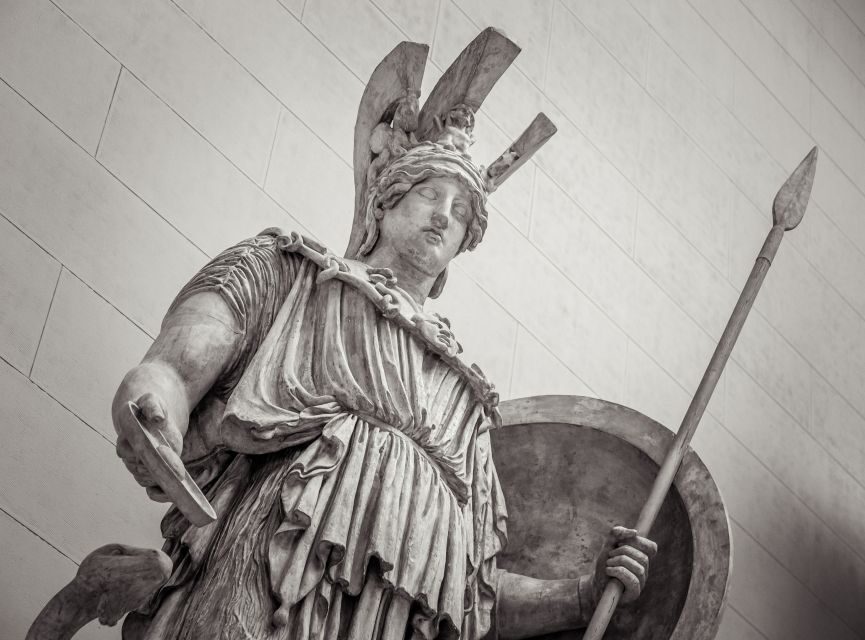
You move next to the Ancient Agora area and specifically the Poikile Stoa, described as the place where Stoic philosophy was born. This is one of the tour’s most meaningful “place-to-idea” moments.
Stoicism can sound abstract until you connect it to a public space where people gathered, argued, and lived out principles in everyday life. The Poikile Stoa connection makes it easier to see Stoicism as practical—something aimed at conduct under real pressure, not just calmness as a concept.
If you’ve ever struggled with the difference between theory and behavior, this stop tends to click. You’re standing in a location tied to the start of a school that focused on how to handle events and emotions. That’s why it works even if you’re new to the topic.
Plaka and Anafiotika at the Acropolis foot: Cynics, everyday Athens, and the Tower of Winds
As you head into the Plaka area and Anafiotika near the Acropolis foot, the tone shifts again. These neighborhoods feel lived-in and old-school Athens in a way that’s different from the grand institutional buildings earlier in the day.
You’ll also talk about Cynic philosophers being close by, which is a smart link for this setting. Cynics are associated with rejecting conventional comfort and rules, and Plaka and Anafiotika put you into a street-level environment where you can imagine people pushing back against social norms.
Then the tour brings in the Tower of Winds, and this is a fun learning moment tied to the myth side of the day. You’ll learn about Aiolos, the keeper of the winds, and connect that myth to what the tower represents in the city. It’s the kind of stop that makes you look twice at an architectural detail instead of just snapping a picture.
Finishing at Areopagus Hill: myths, the view, and one last philosophical reset
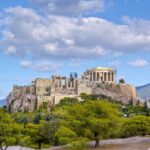
The tour concludes at Areopagus Hill with a breathtaking view of the Acropolis and more myths about the Olympian gods. This is a strong ending because it gives your brain a final wide-angle look after several tighter, idea-focused stops.
The Areopagus view helps you see why Athens worked as a stage for philosophy and storytelling. When you can see the city layout, the schools and myths feel like parts of one system, not separate subjects.
The best part of the finish is the chance to tie themes together. You’ve covered multiple philosophical approaches—Socratic and Platonic dialogue, Epicurean living, Aristotle’s schooling, Stoic beginnings, and Cynic attitude—while also threading in mythology as the cultural language behind the thinking.
Price and value: what $100 gets you in Athens for 4 hours
At $100 per person for a 4-hour private walking tour, you’re paying for three things: expert guidance, a personal pace, and a route that links major central Athens landmarks into one coherent theme.
You don’t have to budget for entrance fees included. Entrance fees to any point of interest are not included, and that’s important to know. If you plan to add paid entry spots on your own later, this tour still works as the “ideas foundation” for your day.
What is included is more valuable than it sounds: the expert tour guide plus 1 Greek coffee or other traditional refreshment per person, and all taxes and fees. For many people, that refreshment turns into the best conversation time of the whole day.
Because it’s private, you also avoid the common problem of group tours where the pace and interests don’t match. This tour’s format is built for discussion, and private groups are the easiest setting to ask follow-up questions without waiting for a lull.
Who this Athens philosophy walk is best for
This is ideal if you like learning in a human way—walking + conversation + stories with real places attached. If you’re prepping for a class, teaching, or just want to connect mythology to how people actually tried to live, you’ll get a lot out of the mix of philosophers and gods.
It’s also a solid choice if you want to see a range of Athens neighborhoods, from institutional buildings to Plaka streets and the Acropolis foot areas, in a single morning or afternoon block.
You should probably skip it if mobility is an issue. The tour is not suitable for people with mobility impairments, and it’s clearly designed around ongoing walking.
Tips to get the most out of it
Wear comfortable shoes. Athens streets can be uneven, and you’ll be on your feet for most of the 4 hours.
Bring sunscreen and sunglasses. The tour is outdoors and you’ll want to stay comfortable between stops.
If you want more from the experience, go in with a couple of questions. Even a small list like why Plato mattered, how Stoics handle emotions, or what Epicurus meant by the Garden can give the day a direction.
Also, stay flexible about your guide’s flow. The route covers a clear set of areas, but strong guides often shape the conversation to match your interests, keeping the pace feeling natural.
Should you book this tour?
Yes, book it if you want Athens to feel like more than scenery. This tour is built to connect mythology and philosophy to real streets, real buildings, and real public spaces like the Ancient Agora and the Poikile Stoa.
Book it also if you enjoy interactive learning. The format is designed for questions and conversation, and guides tied to this tour have been praised for answering in a clear, thoughtful way and adjusting to what you care about.
Skip it if you want strictly guided museum-style time or if walking is hard for you. For everyone else, this is a smart, distinct way to see Athens while getting a story you can carry home.
FAQ
How long is the Athens Highlights: Myths & Philosophers Private Walking Tour?
It lasts 4 hours.
Is this tour private?
Yes. It’s a private group tour.
What language is the tour guide?
The tour guide provides the experience in English.
Where do I meet the guide?
You meet outside Panepistimio Metro Station. The exact meeting point may vary depending on the option booked.
What’s included in the price?
The price includes an expert tour guide, 1 Greek coffee or other traditional refreshment per person, and all taxes and fees.
Are entrance fees included for the stops?
No. Entrance fees to any point of interest are not included.
Is Greek coffee part of the tour?
Yes. You get 1 Greek coffee or another traditional refreshment per person.
What should I bring for the walking route?
Bring comfortable shoes, sunglasses, and sunscreen.
Is the tour suitable for people with mobility impairments?
No. It’s listed as not suitable for people with mobility impairments.
Can I cancel after booking?
Free cancellation is available up to 24 hours in advance for a full refund.

More Walking Tours in Athens

More Tours in Athens


More Tour Reviews in Athens
- All Day Cruise -3 Islands to Agistri,Moni, Aegina with lunch and drinks included
★ 5.0 · 4,958 reviews