REVIEW · ATHENS
From Athens: 4-Day Peloponnese, Delphi, and Meteora Tour
Book on GetYourGuide →Operated by ARTYTOURS · Bookable on GetYourGuide
Four days, and the ruins come fast. This 4-day route strings together major sites around the Peloponnese, then swings north to Delphi and finishes with Meteora, with a licensed Spanish guide, coach travel, headsets, and skip-the-line entry fees.
I love the big “wow” factor of Meteora (UNESCO rock monasteries and dramatic views). I also like that the itinerary hits crowd-favorite archaeology like Epidaurus, where the Ancient Theatre is famous for its acoustics.
One drawback to keep in mind: the experience is Spanish-only, and the schedule mixes museums and outdoors in a way that can feel heavy if the day runs long indoors (especially if weather turns).
In This Review
- Key takeaways
- Day 1: Corinth Canal, Mycenae, Epidaurus, then Ancient Olympia
- Day 2: Ancient Olympia stadium tour and the road to Delphi
- Day 3: Delphi archaeological site, the Oracle of Apollo, and Meteora arrival
- Day 4: Meteora monastery visits on Byzantine rock, then back to Athens
- Price and value: what $742 covers (and what it doesn’t)
- Language, pace, and comfort: making the most of guided days
- Who should book this 4-day Peloponnese–Delphi–Meteora tour?
- Should you book it?
- FAQ
- What is the starting meeting point?
- Is transportation included?
- What language is the guide?
- Are meals included?
- Are entry fees included?
- Do I need to pay an accommodation tax?
- How much is the accommodation tax for 3-star and 4-star hotels?
- Do I need to cover my shoulders and knees?
- What should I bring?
- Is the tour cancellable?
Key takeaways
- UNESCO Meteora monasteries with morning visits to two sites and Orthodox monastic life explanations
- Ancient Olympia’s stadium where the Olympic games were born
- Epidaurus Ancient Theatre with standout acoustics and a guided look at the site
- Skip-the-line access + entry fees included, so you spend less time fussing with tickets
- Air-conditioned coach, WiFi onboard, and headsets to keep you connected to the guide during travel
- Lunch is on your own, plus accommodation tax is paid at the hotel reception
Day 1: Corinth Canal, Mycenae, Epidaurus, then Ancient Olympia
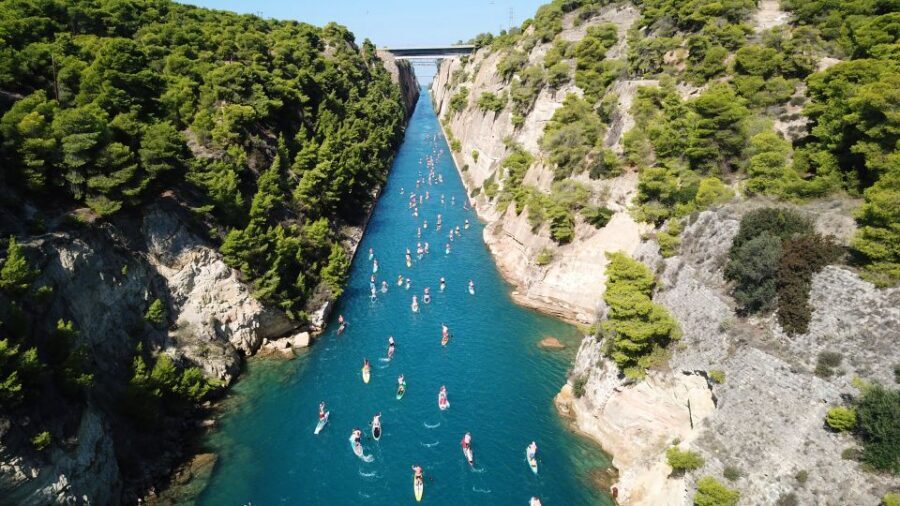
Day 1 starts with a bus ride out of Athens toward the Peloponnese, and it immediately sets a good tempo: you stop at the Corinth Canal, then head into the Argolis area.
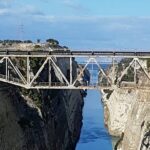
Corinth Canal is a quick break that gives you a visual “shortcut” moment—wide waterway, sharp engineering, and a clean way to break up the drive. Then the tour shifts into full ancient-mode with Mycenae. You’ll visit both the Mycenae Archaeological Site and Museum, which matters because Mycenae isn’t just rocks in a field. The museum helps you understand what you’re looking at before the day moves on.
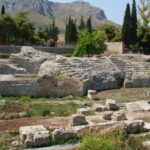
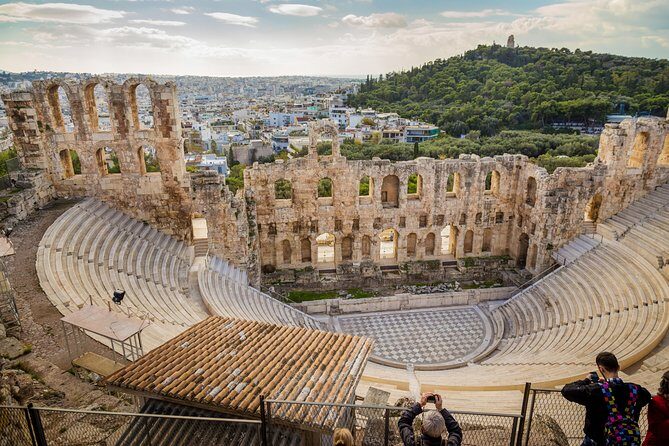
Next is Epidaurus Ancient Theatre, and this is one of the stops that feels built for guided storytelling. The theatre’s famous acoustics are the headline, and the guided context helps you see why ancient Greeks cared about performance, ritual, and design. If you’re the kind of person who likes to know what a structure was for, this kind of stop often lands well.
Dinner and overnight follow in the Ancient Olympia area. After a day like this, I’d treat the evening as part of the experience: you’ve got three major “anchor” sites under your belt, so the hotel time is where you actually reset.
You can also read our reviews of more tours and experiences in Athens
Day 2: Ancient Olympia stadium tour and the road to Delphi
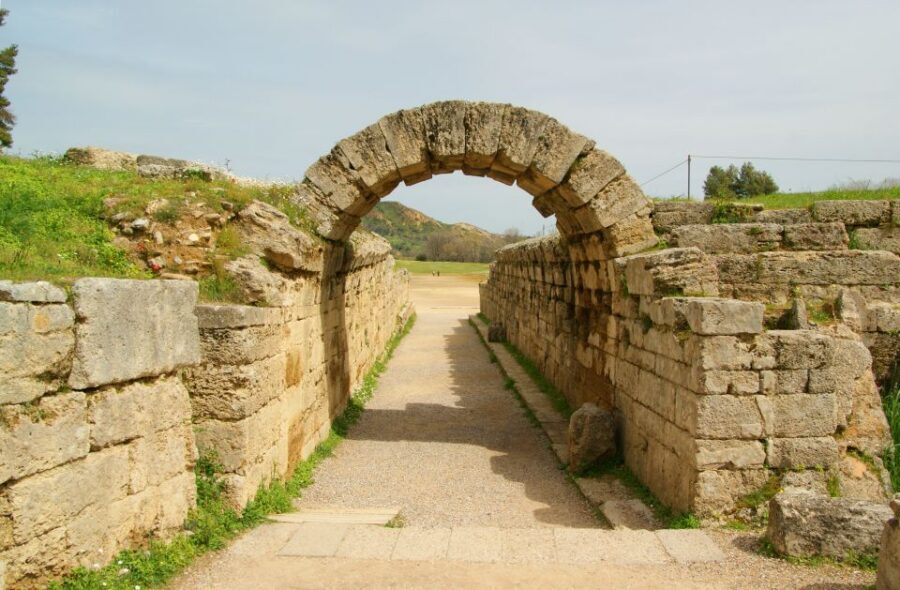
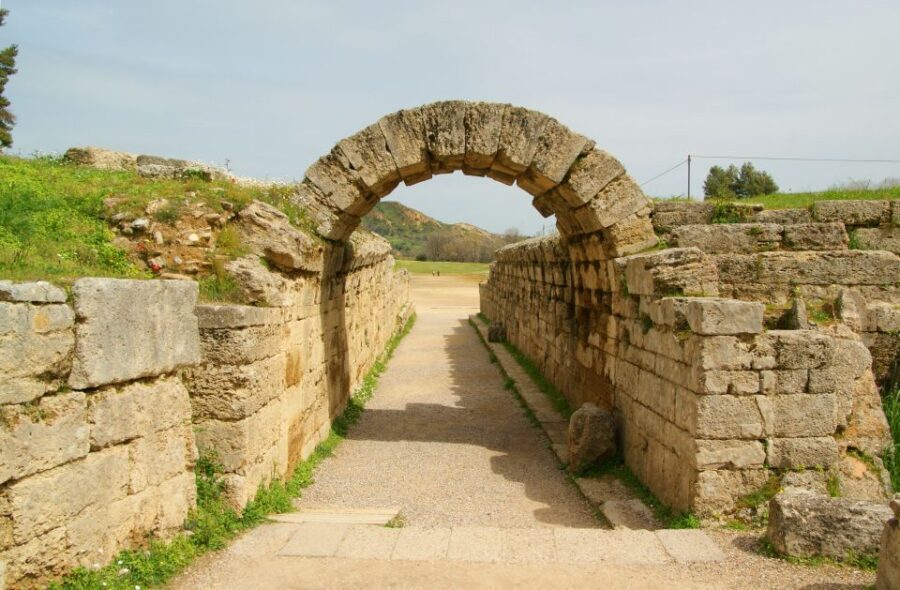
After breakfast, you check out and head into Ancient Olympia. This is where the itinerary earns its keep. You’re touring the archaeological site connected to the Olympic games, including the stadium area tied to how the games began.
The practical advantage here is that Olympia is more than a photo stop. Walking the grounds with a guide helps you connect the stadium setting to the broader idea of festivals and competition in the ancient world—why this place was sacred enough to become a recurring event.
After the Olympia tour, you can add an optional lunch (not included). Then it’s back on the coach for the journey to Delphi, with dinner and overnight in the hotel in Delphi.
If you’re trying to plan your own day thinking, the big thing to remember is that Delphi comes late in the day. You’ll feel it: travel time stacks up, so it helps to treat Day 2 as setup. Save your “slow, take-your-time” energy for the next morning.
Day 3: Delphi archaeological site, the Oracle of Apollo, and Meteora arrival
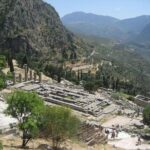
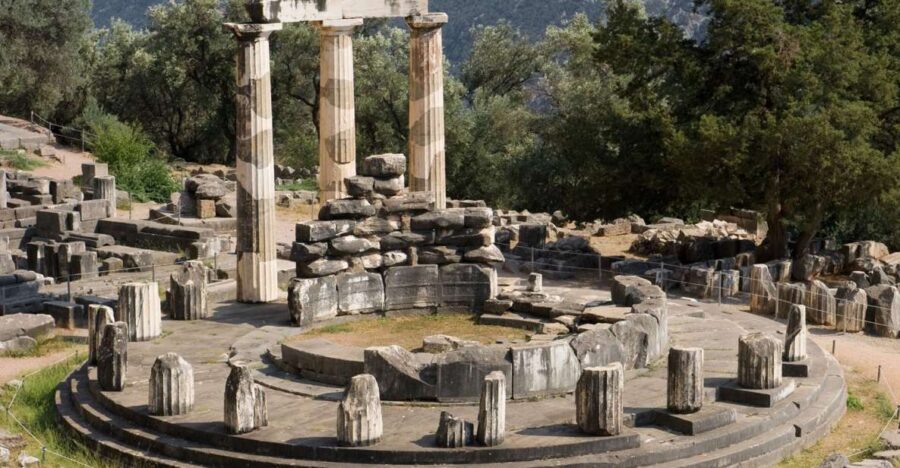
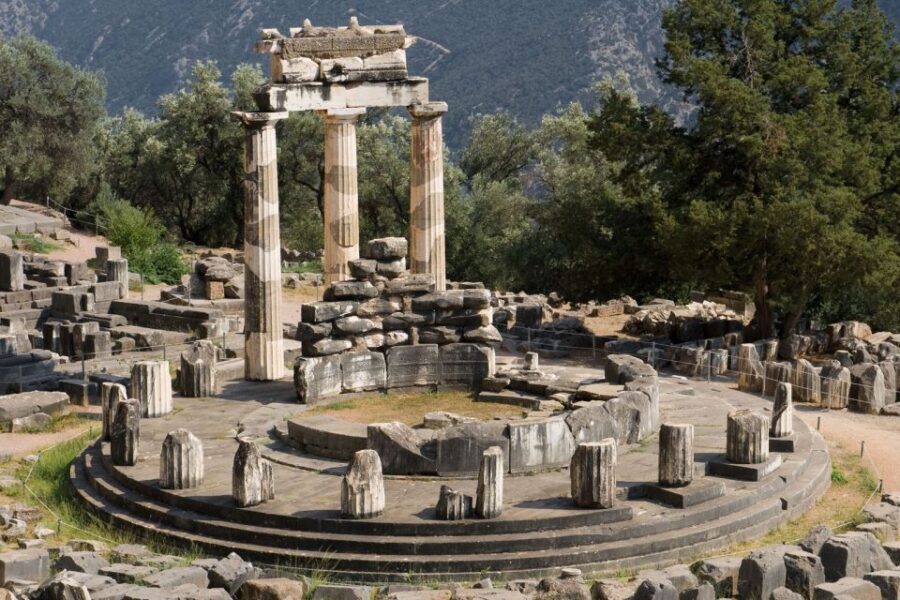
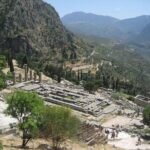
Day 3 starts with breakfast and another checkout, then a guided visit to Delphi’s Archaeological Site and Museum. Delphi is special because it’s both geography and belief system. You’ll get orientation around the Navel of the Earth, which was treated as a spiritual focal point for Ancient Greeks.
You’ll also learn about the oracle associated with Apollo, and the role of Pythia, described as the High-Priestess. This is the kind of explanation that can make Delphi click fast—suddenly the site doesn’t just feel like ruins on a hillside. It feels like a place people believed could answer real questions.
After the tour, there’s an optional lunch in a traditional Greek tavern (not included). Then you continue by bus to Meteora, arriving for dinner and overnight in Kalambaka.
Here’s the timing reality: you reach Meteora after a full day of guided touring. That’s fine—your big pay-off is Day 4 morning—but it does mean you should expect to be ready for a quick shift from “museum and ruins” mode to “scenic monastery” mode without a lot of downtime.
One more note that matters for your expectations: in at least one verified booking, the Delphi day reportedly ran long in museum explanations, and then rain hit early, cutting down the outdoor viewing time. That doesn’t mean it will happen to you, but it’s a strong reminder to be flexible. If weather changes, you’ll want a guide who can adjust the emphasis without losing the key sites.
Day 4: Meteora monastery visits on Byzantine rock, then back to Athens
Day 4 is where Meteora takes over the whole trip. After breakfast, you visit two monasteries in the morning. You’ll get the stunning views—UNESCO World Heritage rock formations and that unforgettable “monastery on the cliff” perspective.
More than the scenery, you’ll learn about the ascetic life and the basics of Orthodox monasticism. That adds context to what otherwise could feel like a quick look around stone buildings. Meteora becomes more than a viewpoint; it turns into a story about faith, isolation, and survival in difficult terrain.
You also have a practical constraint: when visiting monasteries, you need to cover your shoulders and knees. Plan clothing accordingly. If you forget, you might waste time dealing with improvised solutions instead of enjoying the sites.
After the morning tour, you’ll stop for lunch and then head back to Athens.
Price and value: what $742 covers (and what it doesn’t)
At $742 per person for a 4-day loop from Athens, the question isn’t just cost. It’s what you’re buying with that price: heavy logistics are handled for you.
Included items you’re paying for up front:
- Air-conditioned coach transportation
- A live guide (Spanish) with headsets
- Hotel accommodation in a 3- or 4-star property, depending on the option you choose
- 3 breakfasts and 3 dinners
- All entry fees plus skip-the-line access
- WiFi onboard
Not included:
- Lunch and drinks
- Accommodation tax paid at the hotel reception
- Personal expenses
Accommodation tax details matter because they’re the one “surprise” you can’t ignore. For 3-star hotels, the tax is 5€ per room per night (April to October) and 1.5€ per room per night (November to December). For 4-star hotels, it’s 10€ per room per night (April to October) and 3€ per room per night (November to December).
Is this tour good value? For most people, yes—because it bundles hotels, meals, coach travel, and site entry. Where it becomes a mixed bag is if you’re the type who wants total control over pacing. This itinerary is efficient and guided, not slow and self-directed.
- All Day Cruise -3 Islands to Agistri,Moni, Aegina with lunch and drinks included
★ 5.0 · 4,958 reviews



Language, pace, and comfort: making the most of guided days
This tour runs with a Spanish live guide. You’ll have headsets, and that helps a lot on busy days—especially during bus transfers and in museums where audio can otherwise get swallowed by crowds.
The coach setup is also practical: the tour includes WiFi onboard, so you can use the downtime to plan what you want to photograph the next day. And it’s air-conditioned, which you’ll appreciate when travel days stack up.
Pace is the real make-or-break factor. The itinerary mixes:
- Outdoor archaeological sites (like Olympia and Epidaurus)
- Museums alongside those sites (like Mycenae and Delphi)
- Long coach travel segments between regions
That mix can work well when the guide balances indoor context with outdoor time. In one case, a verified booking criticized a Delphi day that emphasized museum explanations for about two hours and then left too little time for the outdoor ruins once rain started. The lesson for you: if you’re sensitive to pacing, be ready to manage your own expectations. You may want to set your mind on what you’ll prioritize visually, even if a museum segment runs longer than you’d like.
Also, this is not suitable for wheelchair users or people with mobility impairments. With Meteora monasteries and ancient sites, there’s usually a lot of walking and uneven ground, so check your own comfort level.
Who should book this 4-day Peloponnese–Delphi–Meteora tour?
Book it if:
- You want a short, high-impact itinerary from Athens.
- You like having a guide explain the “why” behind ruins, not just the “where.”
- Spanish narration and guided pacing don’t bother you.
- You want included hotels, breakfasts, dinners, and entry fees, so you can travel with fewer decisions.
You might skip it if:
- You need the tour in English (the guide language listed is Spanish).
- You strongly prefer free time at sites, because this is structured around guided tours and set meal schedules.
- You have mobility constraints.
A quick upside from the feedback that’s worth noting: in at least one verified booking, the Spanish guide was described as knowledgeable and personally friendly even though the pacing was criticized. That suggests the “quality” can be excellent when the guiding style matches the day.
Should you book it?
I’d book this tour if you want an efficient Greece sampler with real anchors: Olympia, Delphi, and Meteora—plus guided context and included entry fees that reduce the planning headache.
I’d be cautious if you’re the kind of traveler who gets frustrated when a day runs behind schedule or spends extra time indoors. If that’s you, go in with a flexible mindset for weather and pacing, and bring clothes that follow the monastery dress rule so you don’t lose time on Day 4.
FAQ
What is the starting meeting point?
You meet in front of the Melina Mercouri monument, close to the Acropolis metro station.
Is transportation included?
Yes. You travel by air-conditioned coach.
What language is the guide?
The live guide speaks Spanish.
Are meals included?
Breakfasts and dinners are included (3 breakfasts and 3 dinners). Lunch and drinks are not included.
Are entry fees included?
Yes. All entry fees are included, and you get skip-the-line access.
Do I need to pay an accommodation tax?
Yes. Accommodation tax is not included and is paid at the hotel reception.
How much is the accommodation tax for 3-star and 4-star hotels?
For 3-star hotels: 5€ per room per night (April to October) and 1.5€ (November to December). For 4-star hotels: 10€ (April to October) and 3€ (November to December).
Do I need to cover my shoulders and knees?
Yes. That’s required when visiting the monasteries.
What should I bring?
Bring your passport or ID card, a hat, and comfortable shoes.
Is the tour cancellable?
Yes. You can cancel up to 24 hours in advance for a full refund.

More 4-Day Experiences in Athens

More Tours in Athens


More Tour Reviews in Athens
- All Day Cruise -3 Islands to Agistri,Moni, Aegina with lunch and drinks included
★ 5.0 · 4,958 reviews