REVIEW · METEORA
Majestic Meteora Private Sunset tour
Book on Viator →Operated by MajesticMeteora · Bookable on Viator
Meteora looks best in late-day light. This private sunset-style outing is built for calm time at three active monasteries perched on dramatic rock towers above Kalambaka, with enough breathing room to actually read the place and take photos. I love the fact that it’s private transportation with bottled water, so you’re not squeezed into a big bus plan. I also like the guide flexibility I’ve seen from Nick, including patience and adapting to slower mobility paces. The one drawback to plan for: monastery tickets cost extra, and Great Meteoron has an additional entrance fee.
What makes this tour especially interesting is how it mixes the biggest, most visited monastery with quieter stops that still feel alive. You’ll spend about 1 hour 20 minutes at each location, so it’s not a rushed drive-by. Just note that the activity requires good weather, and timing can feel more “let the light happen” than “fixed temple timing.”
Key Highlights You’ll Feel During the Tour
- Private group up to 6 means you’re not fighting for space or quiet
- Small timing blocks at each monastery (about 1 hour 20 minutes each)
- UNESCO World Heritage setting across still-active monasteries
- Two layers of ticket costs to budget for (shared monastery ticket plus Great Meteoron fee)
- Guide Nick’s pace and photo tips help you shoot smarter, not harder
- Pickup from around the city keeps the start easy
In This Review
- A Private Sunset-Style Plan for Meteora Rocks
- Meeting at 2:00 pm and How the 4 Hours Tend to Feel
- Great Meteoron Monastery: The Highest, Largest One Up Top
- Agios Stefanos Nunnery: Southern Meteora and a 12th-Century Origin Story
- Agios Nikolaos Anapaphsas: One More Active Stop Without the Rush
- What Makes This Tour Feel Different: Nick’s Patience and Photo Focus
- Price and Value: What $236.70 Buys (and What Costs Extra)
- Who This Tour Suits Best (and Who Might Want Another Option)
- Should You Book Majestic Meteora’s Private Sunset Tour?
- FAQ
- FAQ
- How long is the Majestic Meteora Private Sunset tour?
- What time does the tour start?
- Is pickup included, and where do they pick you up?
- Is this a private tour?
- What’s the maximum group size?
- What language is the tour offered in?
- Are monastery tickets included in the price?
- What happens if the weather is bad?
A Private Sunset-Style Plan for Meteora Rocks
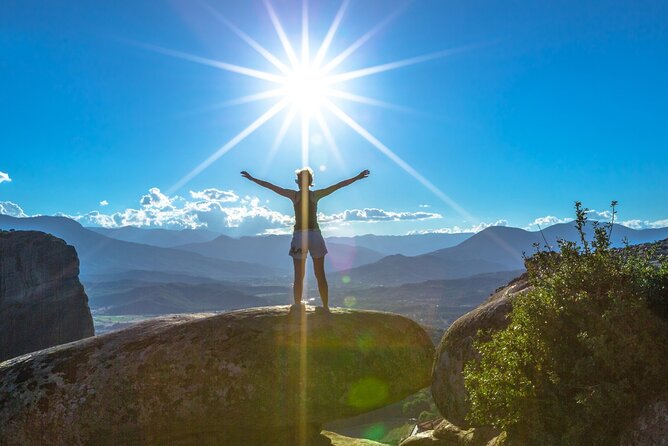
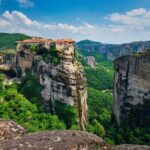
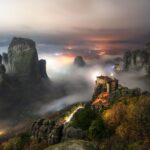
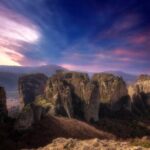
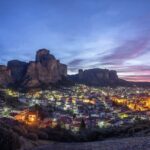
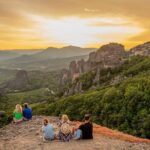
Meteora has a way of making you slow down. The rock pillars feel like they were built to frame the sky, and late-day light makes the stone glow instead of just looking gray and far away. This tour leans into that mood, but it’s not just a “watch the sunset and leave” deal. You get real time in three active monasteries, still used by monks and nuns.
You’ll also appreciate how the day is structured. Three stops, each with about 1 hour 20 minutes. That means you can stand back, walk in, pause at viewpoints, and not feel like you’re checking boxes. If you’ve ever done a bus tour where you barely get your bearings fast, you’ll feel the difference right away.
And yes, it’s a private tour. Your group is the only group you’ll be traveling with, up to 6 people. That matters in Meteora, where parking, stairways, and viewpoint crowds can make a big-group plan feel stressful.
Meeting at 2:00 pm and How the 4 Hours Tend to Feel
This tour starts at 2:00 pm, with pickup offered from all around the city. That pickup detail is worth real attention. If you’ve stayed in Kalambaka or nearby, you likely don’t want to spend your afternoon hunting for the right bus stop or taxi queue. Here, you roll right into the day with transportation already handled.
Expect the total to be about 4 hours, give or take based on road conditions and the pace you choose inside the monasteries. Because each stop is roughly 1 hour 20 minutes, the tour feels balanced rather than sprinting from one doorway to another.
You’ll also want to dress for changing light. Meteora can shift quickly—cooler in the shade, warmer on open rock. Bring a light layer even in warmer seasons, and wear shoes that work on uneven stone paths.
You can also read our reviews of more tours and experiences in Meteora.
Great Meteoron Monastery: The Highest, Largest One Up Top
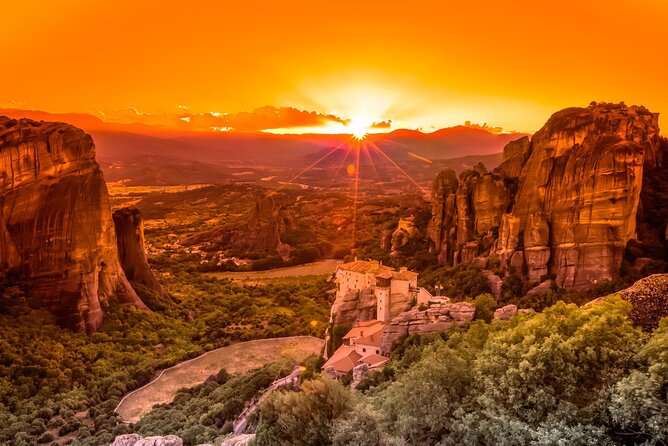
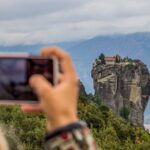
Your first major stop is Great Meteoron Monastery, formally the Monastery of the Transfiguration of the Savior—often called the Great Meteor. It’s the male monastery located at the highest point of Meteora, at an altitude of 534 meters. It’s also the largest of the six still active monasteries in the area, which have been UNESCO World Heritage since 1988.
Why this stop matters: it sets the scale. From here, you can understand why monasteries are built on rock ledges that look impossible. The Great Meteor gives you the “big picture” views, and it tends to be the most dramatic place to start, because it frames how the rest of Meteora works.
Plan for about 1 hour 20 minutes at this stop. That’s enough time to take in the monastery itself without rushing through the viewpoints. Also budget money here: the tour doesn’t include the Great Meteoron entrance fee. Expect €5.00 per person for the Great Meteoron entrance, plus the shared monastery ticket mentioned in the tour’s extra costs.
One practical note: this is a monastery, so you’ll want to follow basic respectful visitor rules—modest clothing and a calm tone. It’s not hard, but it matters. The quiet places are part of the experience, not a side requirement.
Agios Stefanos Nunnery: Southern Meteora and a 12th-Century Origin Story
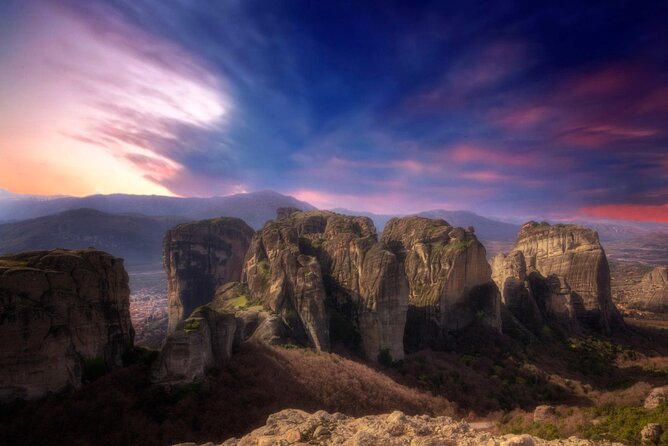
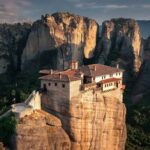
Next up is Agios Stefanos, a nunnery in Meteora at the southern end, above Kalambaka. It’s one of the six still active monasteries and, like the others, is part of the UNESCO World Heritage group since 1988.
Agios Stefanos feels different from Great Meteoron in a good way. Great Meteor can feel grand and attention-grabbing. Agios Stefanos feels more grounded—quieter, with a sense of retreat built into the location.
The most interesting detail here is historical. The settlement of the monks on the rock of Agios Stefanos began at the end of the 12th century. Tradition links its founding to an ascetic named Jeremiah, around 1191/2. Even if you don’t dive deep into the details, that origin story helps you understand why the place feels anchored rather than merely scenic.
You’ll spend about 1 hour 20 minutes at this stop too. That’s important, because a monastery isn’t just a photo spot. It’s a working religious site. Having real time helps you notice the small rhythms: how the light moves, where people pause, how the monastery fits into the rock rather than sitting on top of it.
Like the Great Meteor, admission for monasteries is not included in the tour price. Budget the monastery ticket cost and keep an eye on any specific entrance charges at each site.
Agios Nikolaos Anapaphsas: One More Active Stop Without the Rush
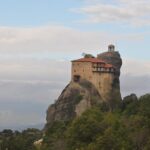
The third stop is Agios Nikolaos Anapaphsas. It’s another monastery in Meteora and one of the six still active monasteries that are part of the UNESCO listing since 1988.
With Agios Nikolaos, the key value is pacing and variety. By the time you reach this stop, your eyes have already adjusted to the rock setting. That means you can switch from “wow” to “pay attention.” You’ll notice details more easily because you’re not overloaded in the first 30 minutes.
You’ll also get another about 1 hour 20 minutes here, which is a sweet spot for a place like this. Enough time to wander slowly, stop where the views are best, and still keep the day from feeling mechanical.
Just be aware: the tour info you have highlights Great Meteoron’s extra fee specifically, and mentions monastery tickets as a general extra cost. So when you plan your budget, don’t assume every stop is free or cost the same.
What Makes This Tour Feel Different: Nick’s Patience and Photo Focus
This tour is private, but the real difference shows up in how it’s led. In the strongest feedback, the guide is Nick—helpful, patient, and focused on making sure you get a good experience rather than a fast one.
Nick’s style matters for two reasons.
First, timing. If you need a slower pace, he can work with it. One review highlights mobility support and flexibility, which is exactly what you want on a site where walking can include steps and uneven ground. You should still judge your own comfort level, but the tour’s structure suggests it’s not built on forcing people to keep up.
Second, photos. Meteora is a dream for images, but you can waste a lot of time chasing the perfect angle if you don’t know where to stand. Nick’s approach includes guidance on the best places to shoot. That can mean better viewpoint selection and less backtracking.
If you care about photography, this matters because you’re visiting three monastery areas in a few hours. Having a guide who helps you place yourself well can turn a “we tried” photo day into a “we nailed it” day.
And if you’re not a photographer, you’ll still benefit from this mindset. Better viewpoints usually mean better understanding of the geography. It helps you read the place instead of just looking at it.

Price and Value: What $236.70 Buys (and What Costs Extra)
Let’s talk money plainly. The tour costs $236.70 per group, up to 6 people, and lasts about 4 hours. That pricing can be a great deal if you’re traveling with friends or family, because the cost is not per person. For a full group, you’re effectively paying roughly $39–$40 per person for private transportation and a guide.
That private transportation is a real value add. Meteora isn’t “just walk around” friendly from point to point unless you’re staying right at the rock base and even then you’ll likely still want vehicle help for timing and comfort. Here, the tour includes private transportation, bottled water, and insurance. Those small inclusions add up, especially if you’re spending a half day in the sun and climbing around.
Now the extra costs you should budget:
- Monastery ticket: 3 Euros
- Great Meteoron entrance fee: €5.00 per person
- Brunch is not included
So your total out-of-pocket depends on your group size and which exact ticket system applies at each stop. But even adding a few euros for admission, you’re still generally paying for a private guide-and-car experience rather than a standard shared bus day.
One last practical value tip: if you’re only 1–2 people, it may feel pricier per person. The upside is flexibility and peace. If that matters to you, it’s still worth considering. If you’re trying to keep costs tight, you’ll want to compare with shared or group tours.
Who This Tour Suits Best (and Who Might Want Another Option)
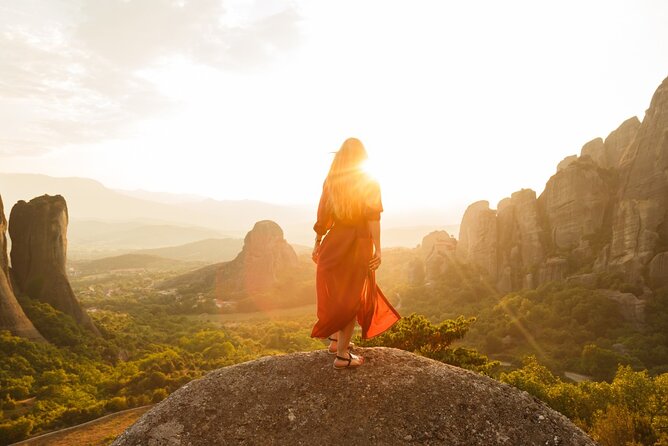
This tour fits best if you want a calm, guided Meteora experience with time to breathe.
You’ll likely love it if:
- You want private transportation instead of navigating on your own
- You care about photography or want help finding good angles
- Your group includes people who want a flexible pace
- You prefer a structured plan with three monastery stops, each with meaningful time
It might be less ideal if:
- You have very tight timing and need something shorter
- You’re only interested in one main monastery and would rather not pay for multiple stops
- Weather is a big unknown for you and you don’t like plans that depend on good conditions (this experience requires good weather)
The good news: most travelers can participate. But that’s different from guaranteeing comfort for every walking style. If anyone in your group has mobility concerns, it’s smart to share that up front so the day can be adjusted as needed.
Should You Book Majestic Meteora’s Private Sunset Tour?
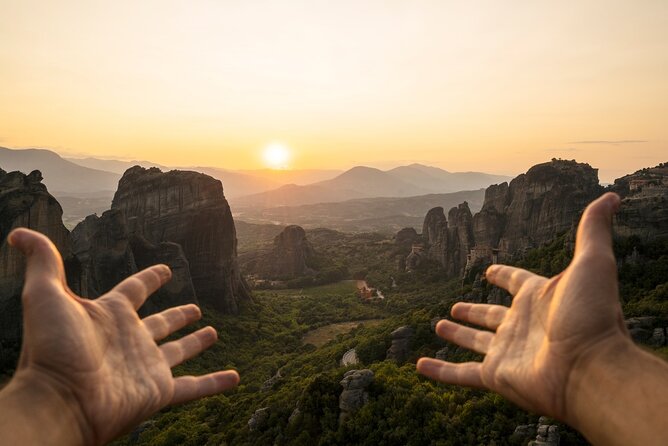
I’d book it if you’re aiming for a Meteora visit that feels personal, not crowded. The combination of private group size, a steady 4-hour flow, and a guide like Nick—patient and tuned into photo spots—makes this a strong choice for couples, families, and small friend groups.
Also, the timing starts at 2:00 pm, which gives you late-day lighting without forcing an early morning climb. If you’re the type who likes to linger and notice details (even quiet ones), this fits your style.
On the flip side, don’t book it if you’re trying to avoid extra admission fees or you hate weather-dependent plans. Meteora is weather-sensitive. If conditions aren’t right, the tour won’t go ahead as planned.
If you want a value-leaning private experience that’s built around real monastery time, this is a solid pick.
FAQ
FAQ
How long is the Majestic Meteora Private Sunset tour?
It’s approximately 4 hours.
What time does the tour start?
The start time is 2:00 pm.
Is pickup included, and where do they pick you up?
Pickup is offered from all around the city.
Is this a private tour?
Yes. It’s private, and only your group participates.
What’s the maximum group size?
The tour price is for a group of up to 6 people.
What language is the tour offered in?
The tour is offered in English.
Are monastery tickets included in the price?
No. Monastery tickets are not included. The tour lists 3 Euros for tickets, and Great Meteoron has an additional entrance fee of €5.00 per person.
What happens if the weather is bad?
This experience requires good weather. If it’s canceled due to poor weather, you’ll be offered a different date or a full refund.