REVIEW · METEORA
Single day rail trip from Thessaloniki to Meteora
Book on Viator →Operated by Meteora Rocks · Bookable on Viator
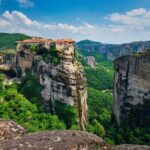
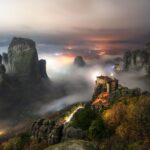
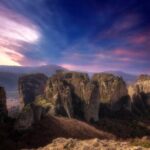
Meteora looks unreal until you’re standing there. This one-day trip stitches together a train ride from Thessaloniki to Kalabaka and a short transfer to the Meteora rock monasteries, with a small group approach that keeps the day feeling manageable. I like that you get to enter three monasteries with an English-speaking tour leader, and you also get to view all six monasteries from the Meteora area.
What makes this day trip especially workable is the rhythm: train for the main route, then quick orientation in Kalabaka, then bus through the pretty village area before you get to the rocks. You’ll also have practical comforts like bottled water, air-conditioning on the vehicle, and WiFi onboard for the longer stretches.
One consideration: you’re not picked up from your hotel in Thessaloniki. You go to Thessaloniki’s central station yourself, catch the train to Kalabaka, and there’s a one-hour changeover at Palaiofarsalos. Add monastery entrance fees on top, and you’ll want to plan for a long day (about 14 hours total).
In This Review
- Key highlights worth your attention
- Why the Thessaloniki-to-Meteora rail plan actually works
- Price and value: what’s included and what you’ll still pay
- Thessaloniki’s central station to Kalabaka: your part of the journey
- Kalambaka meet-up: quick orientation before Meteora
- Kastraki village stop: the scenery break that’s more than a photo stop
- Entering Meteora: six monasteries in view, three with a guided entry
- How to make your monastery time feel better
- Transportation comfort for a long day (and why it matters)
- Group size, guide style, and what to expect from the pacing
- Who should book this Thessaloniki to Meteora rail day trip
- Should you book it?
- FAQ
- What is the total duration of the tour?
- Where is the meeting point, and what time does it start?
- Do I need to pay monastery entrance fees?
- How many monasteries will I see and how many will I enter?
- Do I travel to Thessaloniki on my own for the train?
- What happens if the tour can’t run because of weather?
Key highlights worth your attention
- Small group (max 15): easier conversations with your English-speaking tour leader.
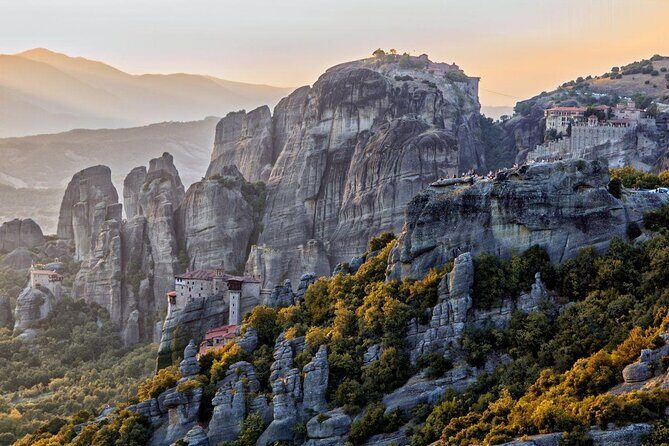
- Six monasteries in view, three to enter: you get the full layout without being locked into extra stops.
- A real train segment: countryside passing scenery on the way to Kalabaka.
- Kastraki village + St George Mandilas: a tradition that’s been running for at least 2 centuries.
- WiFi and bottled water: a nice touch for a day that runs long.
- Operator rerouting in disruptions: if rail is unavailable, the operator has handled it by switching to intercity bus with clear guidance.
Why the Thessaloniki-to-Meteora rail plan actually works
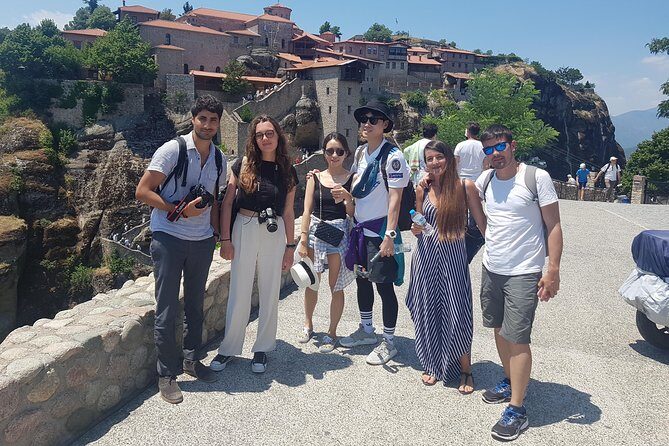
The biggest problem with many Meteora day trips is simple: they try to cram too much into too little time. This itinerary solves part of that by leaning on rail for the main travel leg, then using ground transport only where it matters most—getting you from Kalabaka into the Meteora area.
From Thessaloniki, you’ll ride by train to Kalabaka, taking in the countryside along the way. The day is built around minimizing friction once you reach the Meteora side of the trip, with partners meeting you at Kalabaka and handling the Meteora-side movement.
Because it’s a small group, you’re not lost in a crowd. That matters when you’re dealing with the timing of monastery entry and the practical question of where everyone gathers after each viewing point.
You can also read our reviews of more tours and experiences in Meteora.
Price and value: what’s included and what you’ll still pay
The tour price is listed at $110.54 per person. For a day trip that includes train travel, Meteora ground transport, and a local English-speaking tour leader, that can feel like fair value—especially if you’d otherwise be piecing together schedules on your own.
Here’s the value picture in plain terms:
Included:
- Bottled water
- Air-conditioned vehicle
- WiFi on board
- All fees and taxes
- Local English-speaking tour leader (for the Meteora portion and the key guided elements)
Not included:
- Monastery entrance fees: 5€ per person
- Entrance guide inside the monastery (optional/extra at your discretion)
- Gratuities
- Travel insurance
- Tour leader in other languages (extra if needed)
So you should budget for the 5€ per person monastery fee on top of the tour price. In return, you’re getting structure, a small group, and a route that keeps you from worrying about every step once you’re in the Kalabaka/Meteora zone.
Thessaloniki’s central station to Kalabaka: your part of the journey
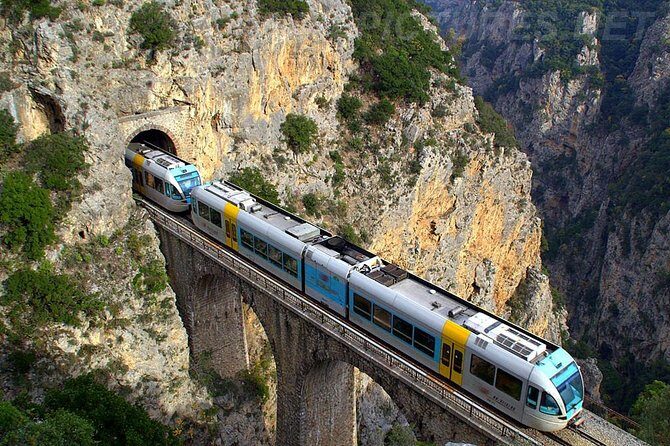
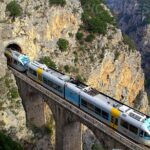
This day trip starts with you going to Thessaloniki’s central station. You catch the train that takes you to Kalabaka, and the ride is part of the fun. The route passes by recognizable landmarks in the region—think the myth-linked area around Mythical Mt Olympus and the Paleofarsalos area associated with Achilleus and the Myrmidones.
You’ll also want to be aware of the transfer detail built into the rail journey. There’s a one-hour wait at Palaiofarsalos, and you have to change trains and board the one that leads to Kalambaka (listed as #882). That’s not a detail you can ignore, because it affects how long your first phase of the day feels.
If you’ve only ever done rail trips where everything is guided step-by-step, this part may feel different. The good news is the operator provides clear instructions, and the trip includes a plan for meeting you promptly once you arrive in Kalabaka.
Kalambaka meet-up: quick orientation before Meteora
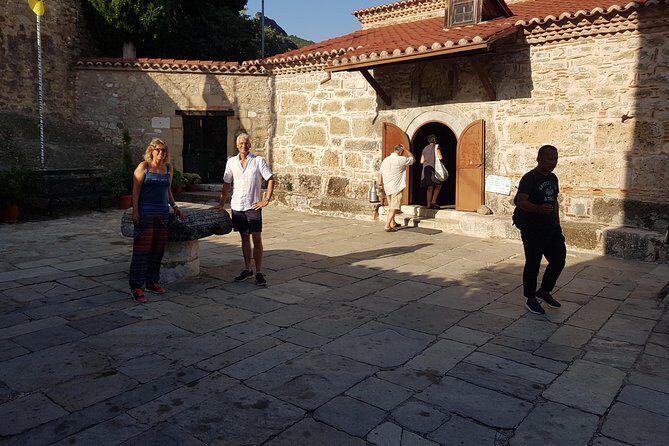
When your train arrives in Kalabaka, partners meet you at the station holding a signboard with your name on it. That’s a simple thing, but it removes stress fast—especially if you’re arriving as part of a small group where no one wants to wander around hunting for the tour.
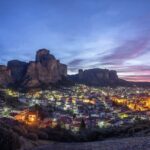
You then get a short drive through Kalambaka while the tour leader shares historical context. The timing here is brief (about 20 minutes), so treat it as a “get your bearings” moment. It helps that Kalabaka is the usual gateway town for Meteora, because it frames what you’re about to see: rocktop monasteries that look like they were placed with intention, not chance.
Kastraki village stop: the scenery break that’s more than a photo stop
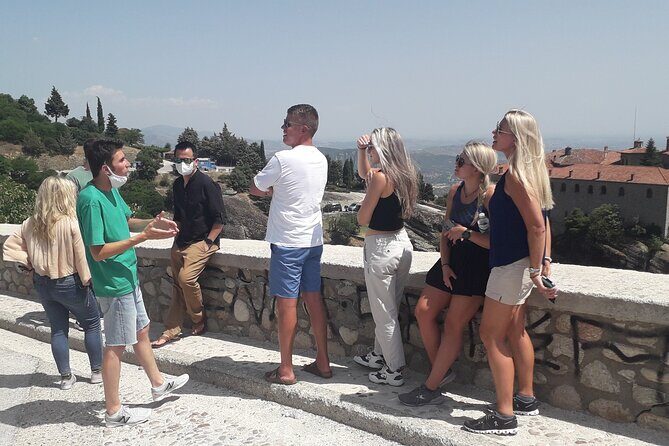
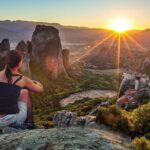
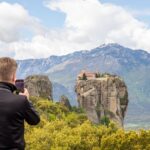
After Kalabaka, the bus drives through Kastraki, a traditional village that’s in UNESCO’s catalog and was nominated by a magazine as one of the 25 most beautiful villages in Europe.
This stop also connects Meteora to everyday local life. You’ll see the annual tradition of St George Mandilas, held every year on St George’s name day. The info provided for this tradition is that it’s been practiced for at least the past two centuries.
If you’re the type who gets a little tired of nonstop monastery viewing, this village moment is a useful reset. You’re not only burning time—you’re getting a taste of the region’s local rhythms and the kind of community identity that still shows up during festival days.

Entering Meteora: six monasteries in view, three with a guided entry
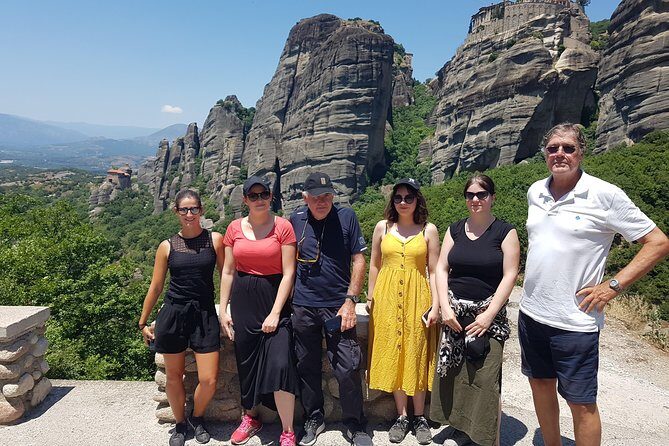
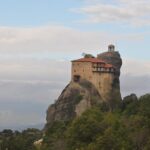
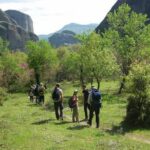
Once you reach Meteora, you move into the zone where the logistics matter. The plan is to see all six monasteries in the Meteora area, then visit three of them with the English-speaking tour leader.
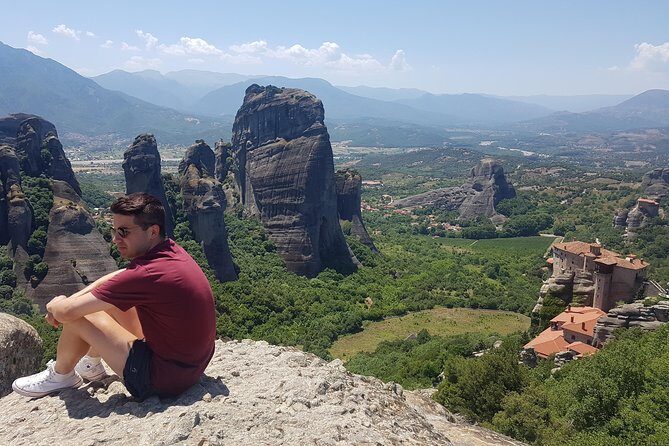
This is a smart balance. Seeing all six from multiple viewpoints gives you the big-picture understanding: where each monastery sits, how the rock formations shape the layout, and why these places became so influential. Then the guided entries into three monasteries give you enough depth without making your day run even longer.
The Meteora portion is listed at about 4 hours, which is a realistic amount of time for both walking/viewpoints and the stop-and-go nature of monastery visits. Since entrance fees are separate, you’ll want to think about that before you arrive so you’re not fumbling with money at the gates.
How to make your monastery time feel better
Because you’re visiting three monasteries, your best move is to plan how you’ll choose where to spend extra attention:
- Spend your first monastery using the guide’s explanation to understand what you’re looking at.
- In the next one, focus more on architecture details and the view angles from the monastery sites.
- For the third, consider what you missed earlier—often it’s small design features or the way the approach to the monastery is handled.
Even if you skip any inside-guide add-ons, having an English-speaking leader for the visit portion is what turns a set of stairs and viewpoints into a story you can actually follow.
Transportation comfort for a long day (and why it matters)
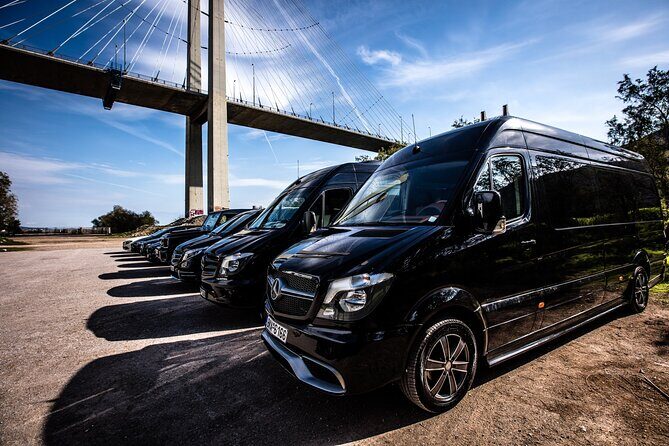
This trip runs about 14 hours total, with a mobile ticket approach and WiFi on board. That combination is more than a perk when your day starts early and involves at least one train change.
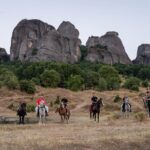
Bottled water and an air-conditioned vehicle also help you keep your energy for walking and waiting at stops. Meteora doesn’t require athletic training, but it does require that you’re ready to move around and handle uneven outdoor paths at different viewpoints.
One more practical point: the tour is designed for weather, and good conditions make it easier to enjoy the viewing points. If conditions are poor and the tour gets canceled due to weather, you’re offered another date or a full refund.
Group size, guide style, and what to expect from the pacing
The group maximum is 15 travelers, which tends to create a calmer vibe than the big-bus versions of Meteora. In a small group, it’s easier to ask questions and get back on track quickly after each stop.
You’ll also notice a mix of guided and self-directed segments:
- You handle your train travel from Thessaloniki to Kalabaka.
- Once you arrive in Kalabaka, you’re met and moved along.
- The tour leader’s guidance is focused on the Meteora and key orientation moments.
That pacing is good if you like structure but don’t want to spend every minute with instructions. It’s also a good fit if you prefer to look at things at your own speed between guided explanations.
One helpful detail from real-world operational experience: if rail is disrupted, the operator has been known to reroute via intercity bus and keep pickups prompt at Kalabaka. That doesn’t mean you can ignore schedules, but it does suggest the company is used to protecting the experience when something changes.
Who should book this Thessaloniki to Meteora rail day trip
This tour is a strong match if:
- You want Meteora without planning the whole transport puzzle
- You like a small group and an English-speaking guide for the key monastery visits
- You’re okay doing a train leg on your own from Thessaloniki’s central station
- You want a day that includes both monasteries and a local village tradition stop
It might be less ideal if:
- You want a fully guided, door-to-door day with no independent rail steps
- You don’t want to budget for the monastery entrance fees (5€ per person)
- You prefer very short days and minimal transfers
Should you book it?
I’d book it if your goal is a well-paced, small-group Meteora day that uses rail for the main route and still gets you enough guided time inside three monasteries. The value looks solid when you consider the train segment, local English-speaking guidance for the monastery visits, and the comfort extras like WiFi and bottled water.
Book with confidence if you can handle a transfer day: you’ll manage your Thessaloniki-to-Kalabaka train part, including that one-hour change at Palaiofarsalos. If weather looks unstable, keep a close eye on conditions because the experience requires good weather.
If you want flexibility, the experience includes free cancellation up to 24 hours in advance for a full refund—useful when you’re traveling around seasons where weather can change quickly.
If you’re aiming for Meteora that feels organized without feeling like a rushed factory line, this one-day rail plan is a very sensible choice.
FAQ
What is the total duration of the tour?
The duration is listed as approximately 14 hours.
Where is the meeting point, and what time does it start?
The start meeting point is Kalambaka 422 00, Greece, and the listed start time is 8:00 am. The activity ends back at the meeting point.
Do I need to pay monastery entrance fees?
Yes. Entrance fees of the monasteries are listed as 5€ per person, and they are not included.
How many monasteries will I see and how many will I enter?
The plan is to see all six monasteries in the Meteora area, and visit three of them (with an English-speaking tour leader).
Do I travel to Thessaloniki on my own for the train?
Yes. You must go by yourself to Thessaloniki’s central station and catch the train that drives you to Kalabaka.
What happens if the tour can’t run because of weather?
The experience requires good weather. If it’s canceled due to poor weather, you’ll be offered a different date or a full refund.