Athens can feel like a puzzle at first. This private walk puts the ancient icons and modern street life into one clear day, led by an expert guide who explains what you’re actually looking at. I especially like how the route balances big-ticket sights with lived-in areas like Psiri, Plaka, and Monastiraki, not just photo stops. The main thing to consider is that this is real walking, and you’ll need good shoes and water, especially in warm weather.
What makes it work is the private format. You get a guide who can slow down when you want more detail, and speed up when you’d rather keep moving, which is handy on the Acropolis and around the busy central markets. I also love the food element: tastings near the central area help you connect the sights to how people actually eat and live. One drawback: site entrance fees and lunch aren’t included, so your total cost may climb depending on how you handle tickets.
If you care about Athens as a whole—ruins plus neighborhoods—this is the kind of tour that helps you get your bearings fast. In the best cases, the guides are excellent and personable; names like Andreas, Sofia, Danae, Lina, Tania, Nikos, Katerina, and Maroussa show up in recent bookings as examples of strong guiding. Just remember that the Acropolis area restricts bags, so plan light.
In This Review
- Key highlights worth planning around
- What You Really Get From a Private Ancient-and-Modern Athens Walk
- Starting at the Arch of Hadrian: Getting Oriented Before You Climb
- The Acropolis Circuit: Parthenon Views With Real Context
- Odeon, Erechtheion, and Propylaea: Short Stops, High Payoff
- Ancient Agora: Where Athens Worked Out Its Ideas
- Psiri and Monastiraki: Market Streets and Greek Snack Stops
- Plaka and the Old Town: Neoclassical Athens Meets the Past
- Temple of Athena Nike: A Quick Stop With a Big View
- How Much You’ll Walk, and What to Bring So It Feels Easy
- Price and Value: Is $475.16 Per Person Worth It?
- Should You Book This Private Athens Tour?
- FAQ
- Is this a private tour?
- How long is the Athens walking tour?
- Does the tour include hotel pickup?
- Are entrance fees included?
- Is lunch included?
- What about food—are tastings included?
- Are backpacks allowed on the Acropolis?
Key highlights worth planning around
- Acropolis time with a guide: you don’t just wander—you learn what each structure is saying.
- Ancient Agora + surrounding monuments: history in context, not in isolation.
- Psiri and Monastiraki stops: local streets near the central market area, with snack tastings.
- Plaka and neoclassical Athens: Old Town streets with a modern city’s shape underneath.
- Hotel pickup in central Athens: reduces stress at the start of a long day.
What You Really Get From a Private Ancient-and-Modern Athens Walk
This is a full-day private walking tour that stitches together Athens’ two faces: the iconic ancient world and the everyday city you see when the tour buses leave. You’ll spend about six hours moving on foot, with a guide doing the heavy lifting—explaining, pointing, and helping you understand why the city looks the way it does today.
You’re also buying convenience. Hotel pickup is included when your hotel is in central Athens and within about a 10-minute walk of the starting point. That matters because Athens’ best sights are spread out on hilly terrain and busy sidewalks; you want less logistics and more time in the streets.
Now for value: $475.16 per person is not a bargain price. But you’re paying for a private guide for the whole day, plus food tastings and the time saved by not figuring out the route yourself. If you’d otherwise assemble multiple guide-led visits (Acropolis, Agora, neighborhoods, tastings), this price can start looking less shocking.
You can also read our reviews of more walking tours in Athens


Starting at the Arch of Hadrian: Getting Oriented Before You Climb
Your day begins near the Arch of Hadrian in central Athens, near Leof. Vasilisis Amalias. Starting there is smart because it sets your mental map early—this is the part of the city where layers overlap and you can feel Athens becoming modern even while it’s surrounded by the ancient world.
From the start, a good private guide does two things. First, they help you connect what you’re about to see with what you already know (or think you know). Second, they prepare you for what’s coming on foot: the stair climbing, the viewpoints, and the way the sun can hit the stone hard.
You’ll then work your way toward the Acropolis area, and the guide’s role becomes even more important. Without a guide, it’s easy to treat the hill like a museum. With one, it becomes a story you can follow—structure to structure, and idea to idea.
The Acropolis Circuit: Parthenon Views With Real Context
The Acropolis is the headline for a reason, and you’ll spend about one hour there. Expect to get close to the structures everyone recognizes—especially the Parthenon area—while the guide explains what you’re looking at and why it was built.
Here’s why an organized approach helps: the Acropolis can feel like a blur of angles, names, and architectural terms. A private guide can keep things understandable. You’re not just hearing dates; you’re learning how the pieces fit together and how the site was meant to impress.
Also, the Acropolis experience is physical. Even if you’re not sprinting, you’ll be on uneven ground, moving between viewpoints, and absorbing sun and wind up on the hill. The payoff is big: when you finally step back and look across Athens, you’ll understand why the city clustered the way it did and how the ancient planners chose visibility over convenience.
Odeon, Erechtheion, and Propylaea: Short Stops, High Payoff
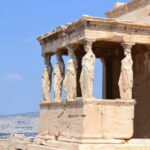
After the main Acropolis viewing time, you’ll hit smaller but meaningful monuments. The schedule includes quick visits around the Herod Atticus Odeon (Herodion), the Erechtheion, and the Propylaea (Propylea).
These are the spots where a guide earns their keep. The Odeon, for example, isn’t just a pretty ruin—it’s tied to how public gatherings worked in ancient Athens. The Erechtheion is also one of those structures where the details matter; a guide helps you notice the parts most visitors miss when they rush for the best photo line.
Then there’s the Propylaea, the kind of gateway that instantly makes you understand you’re entering a special space, not just walking across a hill. Even though each stop is relatively brief (think around 10 minutes each), the learning impact can be large because the guide connects the architecture to the broader cultural picture.
Practical note: even though these segments are short, you’ll still want to keep your pace steady. It’s a walking tour, and time on this route is about momentum.
Ancient Agora: Where Athens Worked Out Its Ideas
The tour moves on to the Ancient Agora of Athens for about one hour. This is a great contrast after the Acropolis. The hill feels ceremonial and symbolic; the Agora feels practical and human.
If you’ve ever wondered what ancient Athens was like beyond monuments, this is where you get closer to daily civic life. The Agora is where people gathered, debated, traded, and shaped the public world. A guide can turn that into something you can picture instead of a list of ruins.
The Agora also helps you understand how Athens’ power worked. It’s not only about temples and grand buildings; it’s about systems—public space, movement, and participation. You’ll come away with a clearer sense of how the city’s layout and institutions fed into each other.
One thing to consider: entrance fees aren’t included for archaeological sites. The tour provider says they can help you prepurchase tickets, which is useful if you want to reduce time spent sorting paperwork on the day. Either way, factor that into your budget.
You can also read our reviews of more private tours in Athens





Psiri and Monastiraki: Market Streets and Greek Snack Stops
Next you’ll shift from monuments to neighborhoods, with a stop around Psiri (about 30 minutes) and then Monastiraki (about 10 minutes). These areas feel like the real Athens you want to remember—streets with cafés, small shops, and constant foot traffic.
This is also where the tour earns points for being more than a sight-seeing checklist. There are food tastings, placed near the central market area so you can connect the city’s flavors to the places you just learned about.
From recent tour experiences with guides like Andreas and Sofia, the tastings and casual coffee/snack rhythm can be a standout part of the day—especially if you’re traveling with kids or you want breaks that don’t feel like wasted time. You should still plan that the tour includes tastings, not a full meal. Lunch isn’t included, so you may want to eat before you start or plan to grab something after the tour ends at Syntagma Square.
Plaka and the Old Town: Neoclassical Athens Meets the Past
You’ll spend about one hour in Plaka, Athens’ Old Town area. This is where the city starts looking less like ruins and more like a working, layered neighborhood.
Plaka is famous for its charm, but the practical value is deeper: it shows you how Athens grew and styled itself over time. You’ll see streets where neoclassical architecture appears alongside much older stonework, and you’ll get a sense of the city’s “in-between” character—old places, used often, not just looked at.
A private guide helps you read the streets. They can point out what to notice as you walk: building shapes, street patterns, and the way neighborhoods sit relative to major ancient sites. It’s the kind of detail that makes the city feel legible by the end of the day.
Keep your expectations realistic: this part is beautiful, but it’s also busy. You’ll be walking through pedestrian zones where crowds can slow things down. The upside is that you’ll be among the people, not behind a fence.
Temple of Athena Nike: A Quick Stop With a Big View
Near the end, you’ll visit the Temple of Athena Nike for about 10 minutes. It’s a smaller stop on paper, but it’s the type of location that rewards attention—especially because the viewpoint and composition often steal the show once you’re back thinking like a photographer and a historian.
A good guide uses this moment to connect the dots: why Athena mattered to Athens, how the temple fits visually and symbolically, and how the feeling of the Acropolis changes as you move through the viewpoints rather than staying in one spot.
This is also a good moment to slow your pace slightly and let the day land. After monuments and neighborhood streets, the temple can feel like a final “sentence” that ties the storyline together.
How Much You’ll Walk, and What to Bring So It Feels Easy
This is a walking tour, and it’s not a leisurely stroll. You should expect around 6 to 7 miles of walking spread across different types of streets and terrain. The Acropolis portion alone can feel tiring if you’re not used to uneven ground and steps.
So bring the basics that make the day comfortable:
- Comfortable shoes (sturdy ones, not soft sneakers)
- Light, breathable clothing for warm days
- Water and a hat if the sun is out (it often is)
- A small towel or handkerchief can help in heat
Also pay attention to the Acropolis bag rules. Backpacks and big bags aren’t allowed in the Acropolis and should not be brought to the tour. Traveling light is your friend here.
If you’re sensitive to crowds or heat, plan your day around the weather. Start early if you can, hydrate, and don’t treat every stop as a sprint to the next photo spot. The guide will keep the pace workable, but your body has to cooperate too.
Price and Value: Is $475.16 Per Person Worth It?
Let’s be blunt. At $475.16 per person, you’re paying for a premium experience. You’re not just getting “a guide.” You’re getting private time, a route designed to mix ancient and contemporary Athens, hotel pickup where eligible, and food tastings.
So what’s the value if you’re the type who likes to plan? If you’d otherwise do:
- a guided Acropolis visit,
- an Agora visit,
- and an extra neighborhood food-oriented walk,
then your total likely adds up fast once you factor multiple ticketing arrangements and guide time.
What you don’t get is included lunch, and entrance fees to archaeological sites aren’t included (though the provider can help you prepurchase). That’s the tradeoff. You should budget extra for site entry and plan your own meal timing.
Who is this best for?
- Families who want structure and patience from a guide. Named guides like Danae and Andreas have earned praise for guiding groups effectively, including teens.
- Travelers who don’t just want ruins, but want to understand how Athens thinks, talks, and lives now.
- Anyone who likes walking but hates the uncertainty of map-chasing on a hilly city.
Who might hesitate? If you’re perfectly happy with a self-guided Acropolis-and-backday, or you hate walking, the cost and effort may not feel worth it.
Should You Book This Private Athens Tour?
I’d book it if you want one clear, guided day that connects the Acropolis with the city you’ll actually walk in after. The combination of major monuments, Agora context, and neighborhood wandering in Psiri/Monastiraki/Plaka makes it feel like a complete Athens overview rather than a single landmark day.
You should skip or look for an alternative if you’re trying to keep costs very tight, because entrance fees and lunch aren’t included and the price is premium. Also consider whether you can handle a long walking day plus Acropolis-specific bag rules.
If you value a guide who can explain the “why” behind what you see—rather than just point at stones—this tour is one of the smarter ways to spend your first full day in Athens.
FAQ
Is this a private tour?
Yes. It’s a private tour/activity, meaning only your group participates.
How long is the Athens walking tour?
The duration is about 6 hours.
Does the tour include hotel pickup?
Pickup is included if your hotel is in central Athens and about a 10-minute walk from the tour’s starting point. If not, you’ll be asked to share your hotel details so a convenient meeting point can be arranged.
Are entrance fees included?
No. Entrance fees to archaeological sites are not included, but you can ask the provider to prepurchase tickets for you.
Is lunch included?
No. Lunch isn’t included.
What about food—are tastings included?
Yes. The tour includes food tastings.
Are backpacks allowed on the Acropolis?
No. Backpacks and big bags are not allowed in the Acropolis and shouldn’t be brought on the tour.

More Walking Tours in Athens


More Tours in Athens


More Tour Reviews in Athens
- All Day Cruise -3 Islands to Agistri,Moni, Aegina with lunch and drinks included
★ 5.0 · 4,958 reviews