REVIEW · ATHENS
Savor Athens Walk: A Culinary & Travel Writer’s Insider Food Tour
Book on Viator →Operated by Dimitris Agian · Bookable on Viator
Food on foot changes Athens fast.
This is a private, flexible food walk that strings together bakery classics, market snacks, and proper Greek street food into one smooth afternoon. You start in Omonia with old-school pastries, then move through squares and markets, finish with souvlaki, and wrap up with loukoumades and meze. Your guide—Dimitris Agian—keeps it personal, including a hotel pickup so you don’t waste time hunting meeting points.
I especially like two things: first, the mix of bite types. You get layered pastry tastes (koulouri, spinach pie, and baklava), a sweet-pie stop for bougatsa, a distillery tasting at Polykala, plus an olive-oil-and-honey session that teaches you what to notice. Second, I like that this is built as a walk-through-city day, not a sit-and-watch food show, and past guests consistently mention it covers a real slice of town on foot.
One consideration: it can be more than “tiny samples.” Several stops lean generous, so you’ll want to show up hungry, and on a rainy day you may wish you’d brought an umbrella.
In This Review
- Quick hits: what makes this Athens food walk work
- Hotel pickup and a 3-hour plan you can actually manage
- Omonia Square bakery: koulouri and baklava first
- Kotzia Square bougatsa: learning the sweet-pie basics
- Polykala Distillery: liqueurs with a production story
- Varvakeios Central Municipal Market and Aristogitonos fruit stalls
- Evripidou olive oil and honey tasting: learning to taste, not just eat
- Agia Irini Church souvlaki: the Athens street-food benchmark
- Psirri loukoumades: honey timing and cinnamon dust
- Platia Eleftherias meze: eating small plates like Greeks
- Value check: is $239.08 per person worth it?
- Who should book this Athens food walk
- FAQ
- FAQ
- How long is the Athens food tour, and how much walking is involved?
- Is the tour private, and what language is it in?
- Do you pick me up at my hotel?
- What kinds of foods and tastings are included?
- Are admission tickets included in the price?
- What is the cancellation window for a full refund?
Quick hits: what makes this Athens food walk work
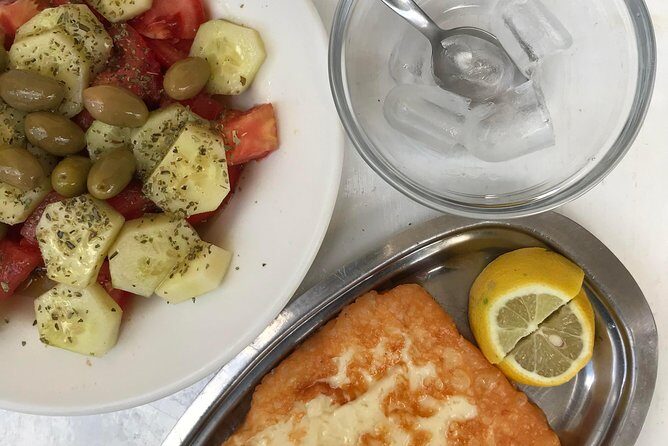
- Private and tailored: only your group, with route adjustments based on what you want to eat and see
- Pastry-heavy start: Omonia Square bakery tastes like koulouri, spinach pie, raisin bread, chicken pie, and baklava
- Market-to-street-food flow: squares and markets lead naturally into souvlaki and sweets
- Polykala distillery stop: learn and taste liqueurs, including options like Mastika and lemon
- Olive oil and honey tasting: a structured way to taste extra virgin olive oil and different Greek honeys
- Meze finish: small plates in a taverna-style setting, often paired with ouzo or tsipouro
Hotel pickup and a 3-hour plan you can actually manage
This tour is set up for a low-stress start. Dimitris waits for you at the entrance of your hotel, and the experience ends back at the meeting point. That matters in Athens, where a few wrong turns can turn a short afternoon into a long one.
The running time is about 3 hours, which is a sweet spot: long enough to eat in several places, short enough to still enjoy dinner later (or to duck out if you’re already full). Even with the stops, the walking stays sensible. One recurring detail from guests: they covered around three miles over the whole experience, which feels realistic for most visitors who can do a city stroll.
Because it’s private, you don’t get stuck with the pace of strangers. It’s easier to ask questions, change priorities, or slow down when you want to linger near a market stall.
You can also read our reviews of more walking tours in Athens



Omonia Square bakery: koulouri and baklava first
You begin in Omonia Square, and the start is one of the smartest parts of the whole route. You’re not beginning with a souvenir stop or a tourist snack. You’re beginning with bakery food—proper Greek bakery food.
The tastings here lean classic and varied: koulouri (those sesame ring breads), spinach pie, raisin bread, and chicken pie, plus the star baklava. This is a great way to get oriented fast. In one stop you sample both savory and sweet, and you can start learning what “Greek bakery” means—layers, syrup, and dough textures—before you move into the rest of the city foods.
Why it’s a good move:
- Bakery flavors set you up for the day. You taste baseline classics early, so later foods (like pastry cream in bougatsa or honey drizzles in loukoumades) make more sense.
- The stop is timed and ticketed, so you’re not left waiting around for the guide to find a place that’s “kind of like” the thing you want.
Possible drawback: if you’re only looking for street food, this opening can feel pastry-heavy. But even if you’re chasing souvlaki and sweets, this start is worth it because baklava and koulouri anchor the rest of your tasting.
Kotzia Square bougatsa: learning the sweet-pie basics
Next you move to Kotzia Square for bougatsa at a small family-run shop. Bougatsa is one of those foods you’ll see all over Greece, but the differences between versions show up best when you eat it fresh and hot.
What to expect: a crispy dough exterior with a creamy filling. The key skill here isn’t complicated cooking technique—it’s learning what you should notice: texture contrast (crisp vs creamy) and how the filling tastes depending on the recipe.
For me, this stop is valuable because bougatsa is a simple format that shows real craft. When you understand what good bougatsa tastes like, it’s easier to spot which versions you’ll want to order again later on your own.
Small tip: save room mentally for the rest of the day. Bougatsa is the kind of sweet that feels light at first bite, then becomes surprisingly satisfying.
Polykala Distillery: liqueurs with a production story
At Polykala Distillery, you step into the world of Greek liqueurs. The brand history goes back to 1897 in Lixouri, Kefalonia, and the story traces from wine trading into liqueur production. That context helps the tasting feel like more than just samples.
During the showroom visit, you get the chance to sample their liqueurs and learn about how the products fit into the larger Greek drinking culture. One highlight guests consistently bring up: the option to try different favorites like Mastika, plus fruit-forward profiles such as lemon and other styles.
Why this stop is a smart break in a walking tour:
- It’s an indoor reset, which helps if it’s hot, cold, or raining.
- You get a different kind of tasting. It’s not pastry and honey again—it’s spirits character and sweetness balance.
Consideration: if you don’t drink alcohol, you might still enjoy the tasting for flavor education, but the experience will depend on what you choose in the moment.
Varvakeios Central Municipal Market and Aristogitonos fruit stalls
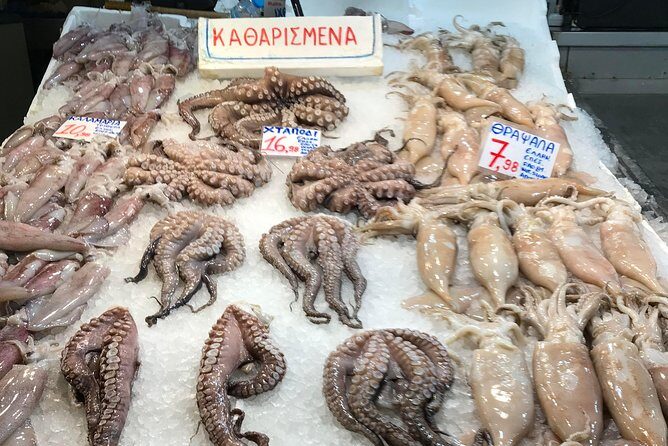
Now you shift gears into Athens food reality: markets. You visit Varvakeios Market, Athens’ central municipal market that’s been operating since 1886. This is where you see the raw ingredients—meat, fish, and produce—moving from stall to kitchen. Even if you’re not buying much, it’s a great place to train your eyes for what locals actually cook with.
Then you head to Aristogitonos, an outdoor fruit and vegetable market. Expect color, fragrance, and seasonal fruit. You’ll also taste Greek olives and sample fruit varieties that reflect what’s in season.
This pair of market stops does two helpful things:
- It gives you a mental shopping list for later. After this, you’ll know what kinds of fruit, nuts, and olives to look for when you wander markets independently.
- It keeps the tour from becoming all sweets and pastry. Markets add savory texture and fresh flavors.
What to watch: if you’re the type who likes to take photos, bring your battery and patience. Market visits can be crowded and a bit slow at times, especially during busy periods.
You can also read our reviews of more food & drink experiences in Athens




Evripidou olive oil and honey tasting: learning to taste, not just eat
On Evripidou, you get a tasting of extra virgin olive oil and Greek honey. This stop is practical education wrapped in something delicious. You learn to distinguish qualities, aromas, and tastes across different honeys, and you get stories about production and cultural meaning.
Why I think this is worth your time:
- Olive oil and honey are two “simple” ingredients that can taste very different depending on variety and method. Once you learn what to notice, you’ll buy better jars back home.
- It’s a structured tasting. You’re not just handed a bite—you’re guided to compare.
If you love food nerd details, this is your moment. If you don’t, you can still enjoy it because it’s guided sensory tasting, not a lecture.
Agia Irini Church souvlaki: the Athens street-food benchmark
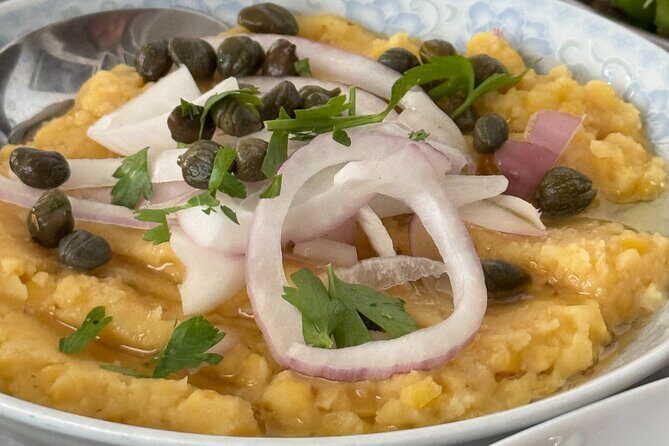
By the time you reach Agia Irini Church, you’re in street-food country. This is the stop focused on what most people picture when they think of Greece: souvlaki.
Here’s what to expect: perfectly grilled, tender meat skewers, tucked into warm pita bread with fresh tomatoes, crisp onions, and tzatziki. You can choose between pork, chicken, or lamb. It also comes with golden hand-cut fries, which is a big reason you should arrive at this part of the tour with a realistic appetite.
This stop is important because it changes the mood from “walking tastings” to a proper street-food meal. It’s also a great checkpoint. Once you eat souvlaki here, you’ll have a baseline for how to judge other souvlaki you try later.
One practical note: fries plus pita plus meat equals a satisfying plate. If you’re already full from earlier sweets and pastries, you may want to slow down earlier in the day and plan your order.
Psirri loukoumades: honey timing and cinnamon dust
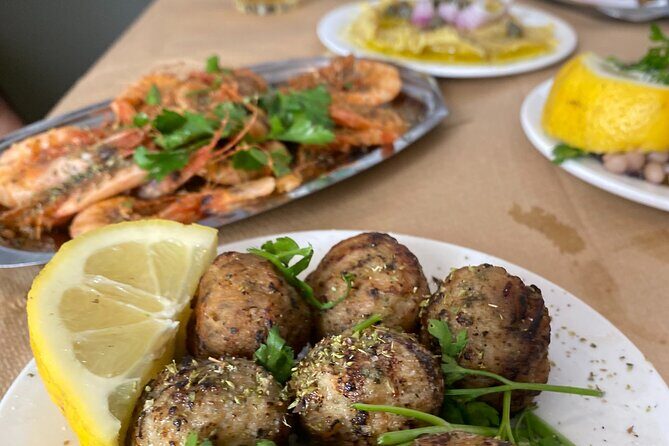
Then you’re in Psirri, heading toward one of Athens’ favorite sweets: loukoumades. These are golden puffs of dough, fried until crisp on the outside while still fluffy inside. They come drizzled with warm honey and dusted with cinnamon.
You can also find modern-style variations such as chocolate or nuts, but the tour keeps the heart of the classic flavor profile.
Why this stop is a smart place for dessert:
- You’re near the end of the tour, so you’re ready for sugar without needing to power through a long walk afterward.
- Warm honey on crisp fried dough works best right away. Eat these promptly and you’ll feel the difference.
Tip: if you’re prone to over-ordering sweets, stick to what’s served here. Loukoumades can be small, but honey makes them hit harder than you expect.
Platia Eleftherias meze: eating small plates like Greeks
The final savory stop centers on meze at a taverna setting near Platia Eleftherias (Koumoundourou). Meze is a whole food philosophy: order multiple small plates, share, and make the meal last by tasting often.
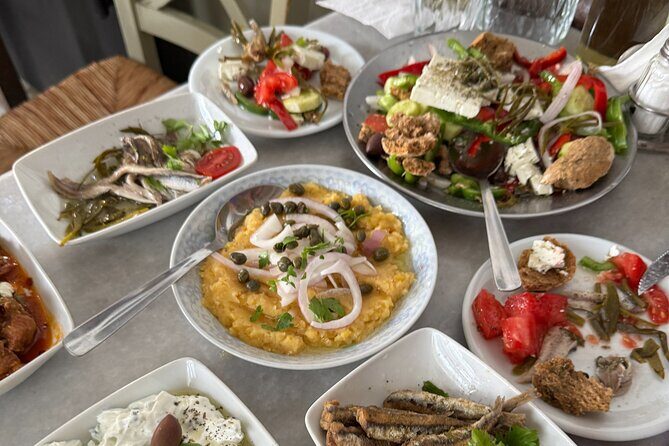
What you might see here includes crispy dolmades, melitzanosalata (eggplant dip), grilled saganaki cheese, and keftedakia (meatballs). The guide may also encourage pairing with ouzo or tsipouro, depending on what you want.
This stop works because it closes the loop on everything you’ve tasted:
- Earlier stops taught you textures (pastry layers, crisp-fried dough).
- Markets taught you ingredient variety.
- Souvlaki gives you the meat-and-tang balance.
- Meze finishes with shared plates and a more sit-down feeling.
If you’re worried about ending too full, meze is still manageable because it’s meant for sharing and variety. You can choose how aggressively you go with each plate.
Value check: is $239.08 per person worth it?
Let’s be real: $239.08 per person isn’t a “grab-and-go” price. You’re paying for a private experience, hotel pickup, and multiple paid or ticketed stops across different food types.
Here’s what makes it feel more worth it than a basic walking snack tour:
- Several stops include admission tickets (including the bakery start, bougatsa shop, Polykala distillery, souvlaki, loukoumades, and the meze stop).
- You also get free-tasting stops at Varvakeios market area sections and the olive-oil-and-honey session.
- The tour is private, so your guide can adjust pacing and focus. That matters if you’re the type who asks questions, wants recommendations after, or wants to change priorities.
Who this price fits best:
- Couples or small groups who want a guided food afternoon without splitting attention across a big crowd.
- People who want a balance of teach-you-things tastings (olive oil and honey, bougatsa texture focus) plus real eating (souvlaki, loukoumades, meze).
Who might hesitate:
- Solo diners on a tight budget. Paying premium for privacy can hurt when you could do a DIY market loop and still eat plenty.
- If you want only tiny samples and strict “light bites,” know that portions can be generous.
A practical move: come ready to eat. If you arrive on a half-full stomach, you’ll likely feel rushed toward the end because you’ll already be full.
Who should book this Athens food walk
Book it if you want:
- A private Athens day that mixes pastry, markets, and street food in one chain
- A guide experience that can adapt to what you care about
- A structured way to taste foods you might not pick on your own, like bougatsa and olive oil and honey comparisons
Skip or think twice if:
- You prefer lighter, smaller bites only
- You don’t want any alcohol-related experiences at all (the tour offers the context of Greek pairing, and some tasting choices can depend on what you pick)
And one simple travel strategy: put this on an afternoon when you’re not rushing to pack. You’ll likely want time to enjoy the food without sprinting to another reservation right after.
FAQ
FAQ
How long is the Athens food tour, and how much walking is involved?
The tour runs about 3 hours. One guest described the walking as around three miles total.
Is the tour private, and what language is it in?
Yes, it’s a private tour for only your group. It’s offered in English.
Do you pick me up at my hotel?
Yes. The guide meets you at the entrance of your hotel, and the tour ends back at the meeting point.
What kinds of foods and tastings are included?
You can expect Greek bakery items like koulouri and baklava, bougatsa, liqueur tastings at Polykala Distillery, olive oil and honey tastings, souvlaki with pita and fries, loukoumades with honey and cinnamon, and a meze-style taverna meal with small plates.
Are admission tickets included in the price?
Admission tickets are included for several stops, while others are listed as free. In the schedule provided: stops 1, 2, 3, 7, 8, and 9 include admission tickets, while stops 4, 5, and 6 are listed as free.
What is the cancellation window for a full refund?
You can cancel up to 24 hours in advance for a full refund.
Should you book this tour or not?
If you want one guided afternoon that covers Athens eating from bakery to markets to street-food souvlaki, then yes, this is a strong pick—especially for couples and small groups who value a private, hotel-start plan. Just go in hungry, and don’t expect strict tiny-sample portions every step of the way. If you match that mindset, you’ll leave with a much clearer picture of what real Athenians eat, where they eat it, and what to order next.


More Walking Tours in Athens


More Tours in Athens



More Tour Reviews in Athens
- All Day Cruise -3 Islands to Agistri,Moni, Aegina with lunch and drinks included
★ 5.0 · 4,958 reviews