REVIEW · METEORA
Sunset Tour to Meteora with Photo Stops
Book on Viator →Operated by Meteora Tour · Bookable on Viator
Meteora is best when the light turns dramatic. This 4-hour sunset tour is built around that exact idea, with multiple picture stops and an on-the-ground guide who ties what you see to how monks lived. You also get a small group feel—max 8 travelers—which keeps the pace friendly.
I especially like the photo-focused route. You’re not just dropped off and left to figure it out—you stop in several spots for sunset shots on the Meteora rock formations. I also love the human history angle, including the early hermits tied to Saint Antonios and the story-rich visit in Kastraki.
One consideration: monastery entry fees aren’t fully bundled. The tour includes the guide and sightseeing, but you should expect about 3 euro per person for monastery access, and the guide isn’t for inside-monastery visits.
In This Review
- Key things I’d plan around
- Why Meteora at sunset fits this 4-hour timing so well
- Getting picked up in Kalampaka without turning it into a project
- Stop 1: Holy Monastery of Saint Nicholas Anapafsas and the Saint Antonios thread
- The photo-stop stretch for Meteora rocks, plus a monastery visit when timing allows
- Stop 3 in Kastraki: St George the Mandilas and the cave-monastery legends
- The guide experience: what made it feel personal and easy
- Price and what $36.12 actually buys you
- How to get better sunset photos on this kind of route
- Who this sunset tour is best for
- Should you book this Meteora sunset tour?
- FAQ
- FAQ
- How long is the Meteora sunset tour with photo stops?
- What is the price per person?
- Is pickup available in Kalampaka?
- What’s included in the tour price?
- Are monastery entrance fees included?
- Will the guide go inside the monasteries with you?
- How many people are on the tour?
- Is the tour offered in English?
Key things I’d plan around
- Small-group pacing (max 8): You get time to ask questions and keep moving without feeling rushed.
- VIP mini bus with A/C: Comfort matters in Greece, and it’s included.
- Built-in sunset photo stops: You’ll stop multiple times specifically for shots.
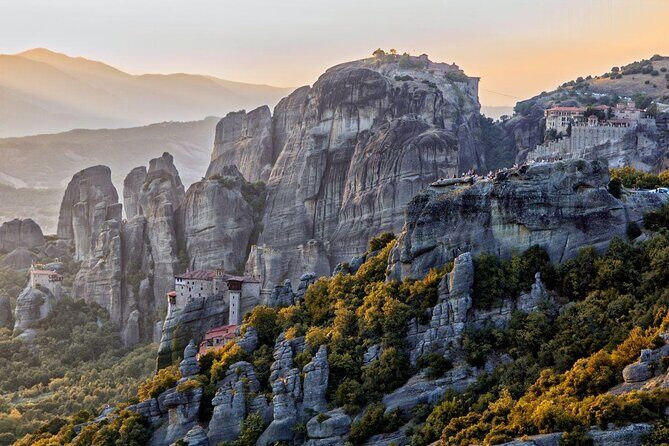
- Story stops at major Meteora sites: Saint Antonios at Saint Nicholas Anapafsas, then a Kastraki church with deep local legends.
- One monastery visit depending on schedule: Great when timing lines up, but plan around possible variations.
Why Meteora at sunset fits this 4-hour timing so well
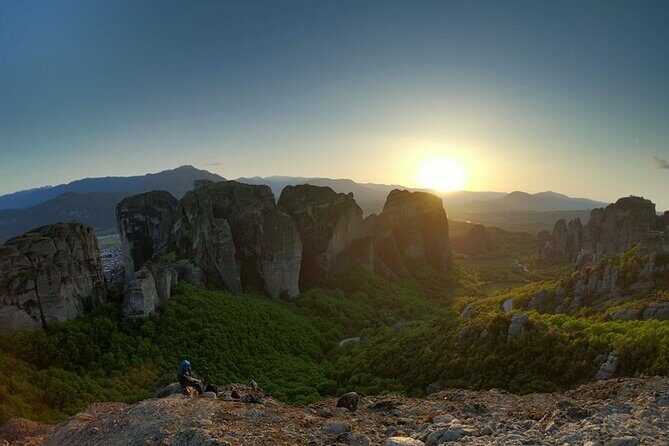
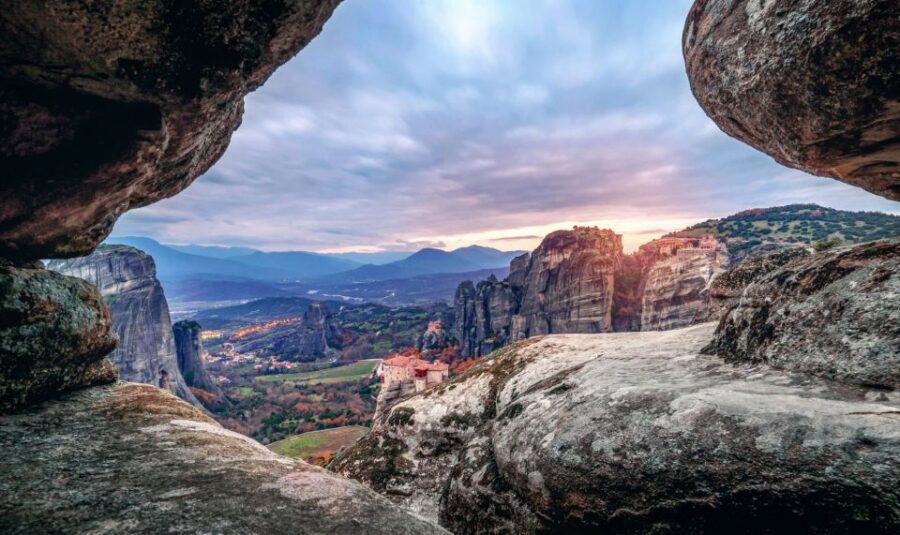
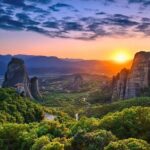
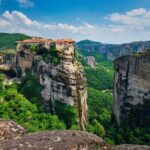
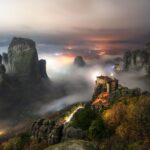
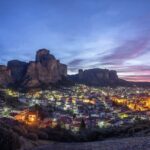
Meteora can feel like a whole planet of rock towers, and sunset turns that into something you remember. The tour uses a smart flow: start with a monastery stop earlier, then transition into the photo time window, and finish with Kastraki. That’s the difference between seeing Meteora in passing and actually getting the lighting you came for.
You’ll also like the time structure. About 4 hours means you can enjoy the key viewpoints without committing your whole evening. If you’re basing yourself in Kalampaka, this is a practical way to add Meteora to your trip while still keeping room for dinner after.
And yes, the photo stops are real stops. This isn’t one quick roadside pull-over; it’s designed so you can stop, compose, and shoot when the rocks glow.
You can also read our reviews of more evening experiences in Meteora

Getting picked up in Kalampaka without turning it into a project
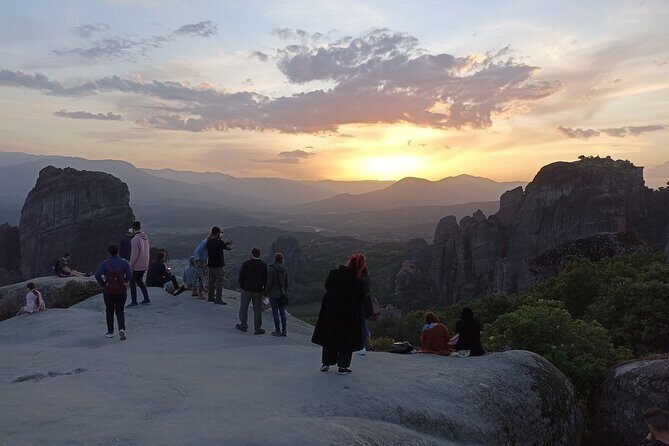
Start is in Kalampaka at Pindou 55. The end point is back at the meeting point, so you’re not hunting for a new drop-off location later.
If you request pickup, they’ll pick you up from in front of Kalampaka Train Station or another nearby point in Kalampaka. That helps if you’re staying in the center and don’t want to taxi across town just for a sunset.
Transportation is on a VIP mini bus with air-conditioning, and you’ll ride with a maximum of 8 people. For me, that matters because smaller groups usually mean fewer delays and fewer awkward “who’s holding up the line” moments at stops.
Stop 1: Holy Monastery of Saint Nicholas Anapafsas and the Saint Antonios thread
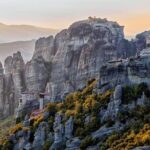
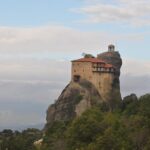
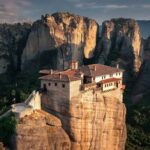
Your first major stop is the Holy Monastery of Saint Nicholas Anapafsas at Meteora. This is where the tour leans into origin stories—specifically, Saint Antonios and the earliest hermits drawn to Meteora’s isolated rock setting.
You’ll spend about an hour here, and the goal isn’t just sightseeing. The guide helps connect the dots: why people chose these places, what the early monks likely faced, and how the community grew over time as challenges got managed. It’s a good way to get your bearings before the rocks turn into a photography mission.
A practical note: your hour is mostly about guided learning and the stop itself. Monastery entry fees are not included (about 3 euro per person), and the guide isn’t the person who goes inside with you. If you plan to enter any monastery, I’d budget that extra cost in advance so it doesn’t feel like a surprise at the ticket window.
The photo-stop stretch for Meteora rocks, plus a monastery visit when timing allows
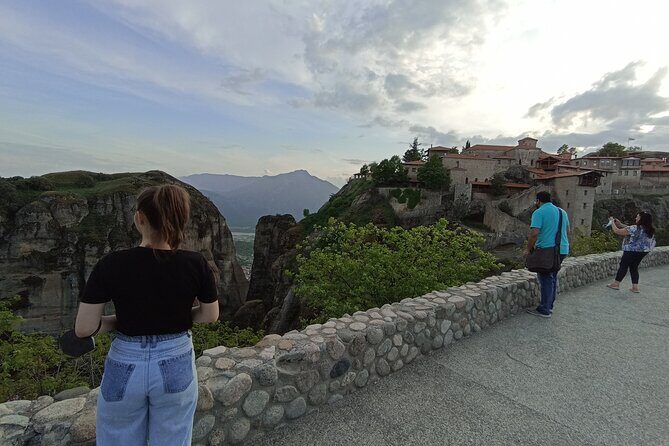
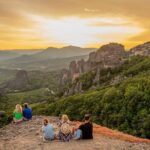
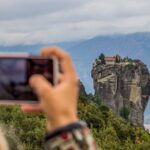
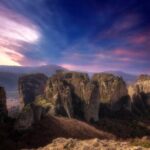
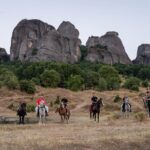
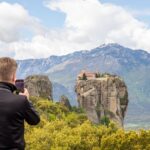
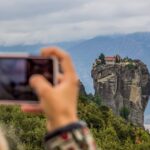
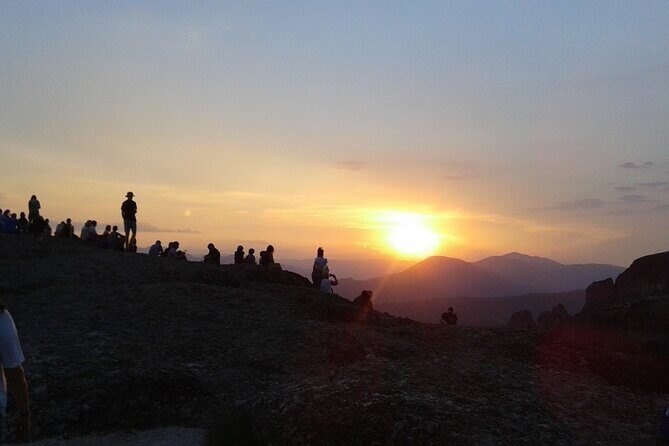
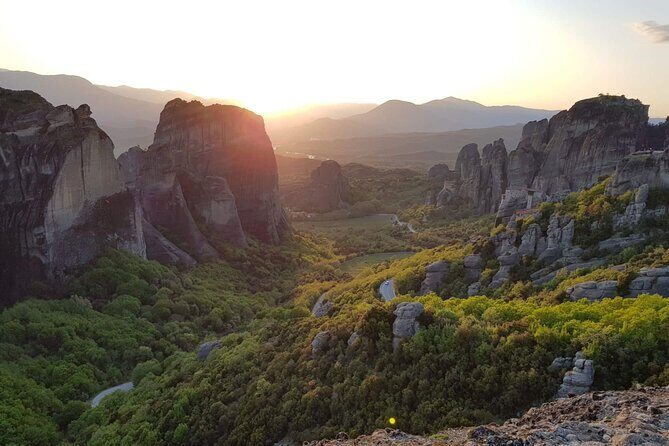
After the first story stop, the tour shifts into its main promise: sunset photos across Meteora’s rock formations. You’ll stop in multiple spots so you can angle the view, adjust your timing, and actually catch the color change.
This part also includes a monastery visit—one monastery, depending on the local monastery schedule. That’s normal for Meteora tours because opening hours can vary, and sunset timing is unforgiving. The upside is that when the schedule lines up, you get the “living” side of Meteora, not just the photo postcard.
You’ll learn about the living of the monks while there. Even if you’ve read about monasteries before, hearing it tied to what you’re seeing makes the place click.
Two real-world considerations here:
- Expect flexibility. “One monastery depending on schedule” means the exact stop can vary.
- Entry costs are separate and the guide won’t be for inside-monastery time. You’ll want to be comfortable navigating on your own for the interior portion.
If you like your travel with a clear rhythm—learn first, photograph second—this middle segment is where the tour works best.
Stop 3 in Kastraki: St George the Mandilas and the cave-monastery legends
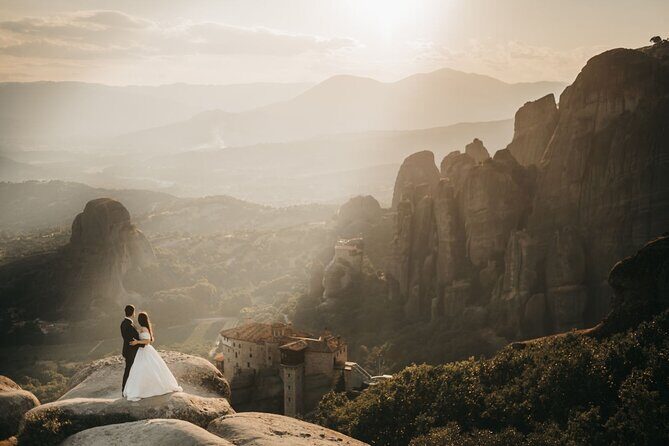
You finish with a visit in Kastraki to St George the Mandilas. The guide’s explanation is packed with details, because the story behind this site is part local identity, part religious tradition, and part adventure tale.
St George is presented here as a Greek who became an officer in the Roman army. The tour also traces family roots to Greek origins in Cappadocia Asia Minor and to a Greek city linked to the era after Alexander the Great. It’s not just name-dropping—these details help explain why St George shows up in so many local customs across Greece.
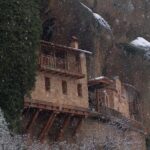
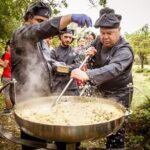
One of the most memorable sections is the tradition tied to honor him: colorful head scarfs, climbing, and dancing right near the cliff edge, all at once. The tour places it at an older ruined monastery dedicated to St George, built inside a cave about 40 meters above ground on the north side of a Meteora rock.
That’s the kind of local detail you only get when someone explains it in context. And for photography, it helps too: you understand what you’re looking at beyond architecture.
As with the other monastery stop, plan for the same basic structure. You’ll spend about an hour at this final site, with guidance focused on explanation, while monastery entry costs (when applicable) remain separate from the tour price.
The guide experience: what made it feel personal and easy
What consistently comes through is the human factor. The guides behind the experience—people like Artemis and Filothei, along with Kristine and Kostas—are praised for detailed explanations delivered in a pleasant, relaxed way. The best part is that it doesn’t feel like a lecture. You’re encouraged to ask questions, and the answers are direct.
I also want to call out the driver role. Mr. Nikos is mentioned as part of why the experience feels warm and well-run. On a tour with multiple photo stops, a driver who understands timing and keeps things smooth makes a big difference. You don’t just get transportation; you get a calm setup for your evening.
If you’re someone who likes your history with personality—plus a practical sense of where to look—this tour’s guide-led style is the real value.
Price and what $36.12 actually buys you
At $36.12 per person for about 4 hours, you’re paying for more than a bus ride. You’re getting:
- a guide for the storytelling and explanations
- VIP mini-bus transportation (A/C included)
- planned sightseeing and requested photo stops
- culture learning tied to each stop
What’s not included is monastery entry. Entrance fees are listed as 3 euro per person for monasteries. Also, the guide is not for inside-monastery visits, which matters because you’ll be responsible for any interior time on your own once you arrive.
Here’s the value math in plain terms. If you’re going to enter monasteries anyway (and many people do at Meteora), the extra 3 euro per person is a small add-on for the amount of guidance and route planning you get. If you plan to keep it mostly outside and only view from viewpoints, you may spend less on entrances—but you’ll still want to pay attention to whether your stops include interior access on that day.
How to get better sunset photos on this kind of route
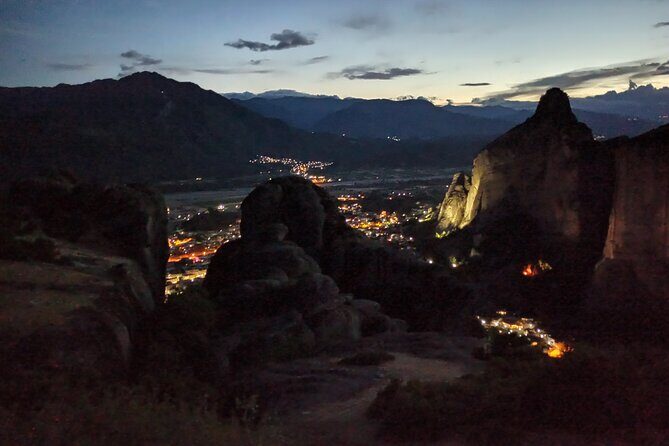
This tour is designed for sunset photography, but you’ll get even more out of it with a few simple habits.
First: bring your power plan. Phones and cameras drain fast when you’re out in cool evening air. I always keep a charging cable handy and consider a small power bank.
Second: wear for movement, not just views. Meteora can mean stairs, uneven ground, and walking between angles. Even if your tour time is controlled, your feet still do the work.
Third: work the light by thinking in sequences. Since you stop multiple times, don’t chase one perfect shot only. Take a few frames at each stop, then compare. Sunset changes fast, and you’ll learn what works by adjusting quickly.
Finally: ask the guide where to aim before you start shooting. They’ll often point you toward spots that match the angle you want. With guides like Artemis and Filothei (and also Kristine and Kostas, based on how people describe them), you’ll likely get helpful, practical guidance—not just generic info.
Who this sunset tour is best for
This works especially well if you:
- want a guided Meteora introduction without spending the whole day on logistics
- care about history explained clearly at the sites, not just photo stops
- like small groups (max 8) so the pace stays manageable
- are staying in Kalampaka and want an efficient plan
It’s also a smart pick if you’re traveling with people who want different things at once. One part is photography-focused. Another part is culture and monk history. That mix reduces the “everyone wants different pacing” problem.
If you’re the kind of traveler who loves total independence and wants to wander every monastery at your own speed, you might find a guided route slightly structured. But for most first-timers, this is a very workable balance.
Should you book this Meteora sunset tour?
If your goal is to see Meteora with good timing, get help spotting strong photo angles, and learn the background behind what you’re standing on, I think it’s a solid buy. The small group size, VIP A/C transport, and guide-led storytelling are the strongest reasons to choose it. People also highlight a family-like, friendly vibe from guides such as Artemis, Filothei, Kristine, and Kostas, with Mr. Nikos keeping the ride smooth.
Do it with one mindset: plan for a little extra cost if you want monastery interiors, since entry fees are not included. If you’re okay with that and you want a clean, guided sunset plan, this is an easy “yes” for a first Meteora evening.
FAQ
FAQ
How long is the Meteora sunset tour with photo stops?
It runs for about 4 hours.
What is the price per person?
The price is $36.12 per person.
Is pickup available in Kalampaka?
Pickup is available if you request it. They pick you up from in front of Kalampaka Train Station or another point near Kalampaka.
What’s included in the tour price?
Included are a tour guide, transportation by VIP mini bus with air-conditioning, sightseeing and photo stops when requested, and learning about local culture.
Are monastery entrance fees included?
No. Entrance fees to the monasteries are excluded and are listed as 3 euro per person.
Will the guide go inside the monasteries with you?
No. The tour guide is not for inside the monasteries.
How many people are on the tour?
The maximum group size is 8 travelers.
Is the tour offered in English?
Yes, it’s offered in English. Confirmation is received at booking time, and service animals are allowed.