REVIEW · ATHENS
3-Day Peloponnese and Delphi Private Tour from Athens
Book on Viator →Operated by 4 Seasons Greece Tours · Bookable on Viator
The Peloponnese and Delphi in three days feels fast. That’s the point: you get a best-of route from Athens that hits UNESCO sites like Epidaurus, Mycenae, Olympia, and Delphi, plus seaside towns like Nafplio. I especially like the door-to-door transfers and comfortable vehicle setup, so you spend less time wrangling logistics and more time walking where it counts. I also like that your driver doesn’t just drive; they bring stories to life with Greek mythology and historical context. One consideration: this is a lot of sites, so expect daily walking and some time on the road.
You’ll start each morning with pickup from your Athens hotel or port (or the airport), then move in a tight loop across the peninsula and north toward Delphi. I like that you’re not “stuck” with one generic script either; guides such as Petros, Janus, and Giannis have been praised for making the big moments click, plus for practical restaurant tips in Delphi. Still, if you’re the type who wants slow, unhurried wandering with no schedule pressure, you may find the pace a bit intense.
The good news: you also get 2 nights in 4-star or boutique hotels with breakfast, so you’re not ending each day in the middle of nowhere. And since this is private, it’s tailored to your group’s pace, not a packed coach. Just keep an eye on site admission fees—those are not included (with a couple of specific exceptions), so plan a bit of extra budget before you go.
In This Review
- Key things I’d plan around on this tour
- Athens to the Peloponnese: how this tour keeps you moving (without chaos)
- Day 1: Corinth Canal, Ancient Corinth, Epidaurus theater, Mycenae’s Lion Gates, and Nafplio’s seaside glow
- Stop 1: Corinth Canal—engineering you can feel
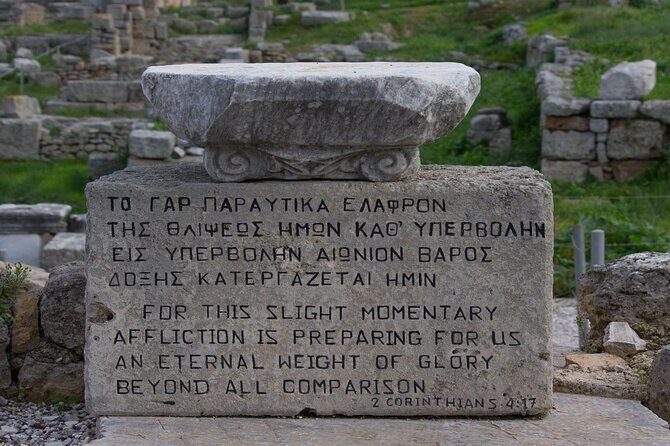
- Stop 2: Ancient Corinth—temple, forum, baths, and the St. Paul connection
- Stop 3: Epidaurus—classical theater acoustics worth the effort
- Stop 4: Mycenae—Lion Gates, royal graves, cyclopean walls
- Stop 5: Nafplio—castles, cobblestones, and a real place to sleep well
- Day 2: Olympia first, then wine at Achaia Clauss, the Rio-Antirrio Bridge, and a northbound overnight
- Stop 1: Olympia—temples, stadium, and a museum with big-name statues
- Stop 2 (optional, included time): Achaia Clauss wine stop
- Stop 3: Rio-Antirrio Bridge—crossing an engineering headline
- Stop 4: Nafpaktos Old Port—coffee with the Venetian vibe
- Stop 5: Galaxidi to sleep near Delphi
- Day 3: Delphi’s Apollo museum day, then Arachova, then Hosios Loukas mosaics
- Stop 1: Delphi Archaeological Museum—start with context, then go bigger
- Stop 2: Delphi-area lunch with a view-minded plan
- Stop 3: Arachova—mountain town, crafts, and formaella cheese
- Stop 4: Hosios Loukas—UNESCO monastery mosaics and frescoes
- Hotel bases in Nafplio, Galaxidi, or Delphi: why breakfast matters on a walking-heavy plan
- Price and value: what you’re paying for, and what you’ll still budget
- Guide impact: when the driver becomes the best part of the day
- Who should book this private tour—and who should not
- Should you book the 3-Day Peloponnese and Delphi Private Tour?
- FAQ
- What does this 3-day tour include?
- Are admission tickets to archaeological sites included?
- Will I be picked up from my hotel in Athens?
- Is lunch included?
- What language is the tour commentary?
- Is this tour private or shared with others?
- Do I need a licensed guide?
Key things I’d plan around on this tour
- A private, English-speaking driver with live commentary (not just a ride)
- Seamless transfers from Athens airport, hotels, or ports with a waiting sign
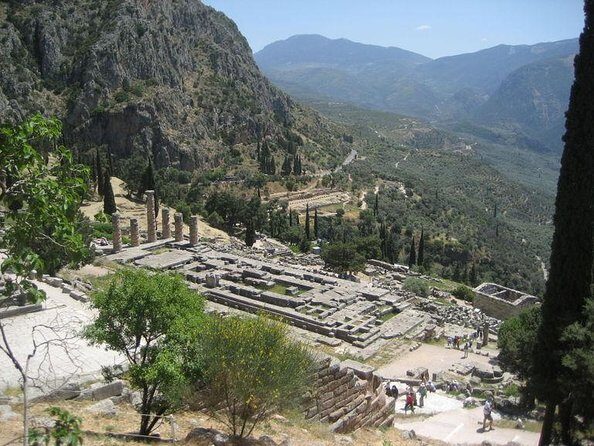
- UNESCO-heavy itinerary: Epidaurus, Mycenae/Tiryns, Olympia, Delphi, plus Hosios Loukas
- Boutique-or-4-star bases with breakfast in Nafplio, Galaxidi, or Delphi area (availability decides)
- Some admissions are on you, so your budget should include ticket lines and entry costs
Athens to the Peloponnese: how this tour keeps you moving (without chaos)
This is a private 3-day plan built for one thing: efficiency. You’re starting in Athens, then working outward to the Peloponnese highlights—Corinth, Epidaurus, Mycenae, and Nafplio—before continuing to Olympia and north to Delphi. Done this way, you avoid the most common travel trap in Greece: wasting hours trying to coordinate ferries, trains, rental cars, and “which bus goes where” questions.
The transfers are a big deal. You get pickup from your Athens residence—hotel, Airbnb, or the Athens suburbs—and your driver waits with a name sign. If you’re arriving by airport or port, the same idea applies. Add in new luxury vehicles with WiFi, A/C, and bottled mineral water, and the driving days don’t feel as punishing as they could.
One small but meaningful detail: you get mobile tickets, which helps on days when you’re lining up for entry (even if admission fees themselves are not included). Also, this is listed as private, so your group only participates—no mixing with random strangers, which makes a big difference when you’re trying to keep to a walking rhythm.
You can also read our reviews of more private tours in Athens


Day 1: Corinth Canal, Ancient Corinth, Epidaurus theater, Mycenae’s Lion Gates, and Nafplio’s seaside glow
Day 1 is where the “fast but meaningful” vibe really shows. You start with Corinth, then push deeper into the peninsula to hit Epidaurus and Mycenae before finishing in Nafplio. It’s a strong sequence because each stop adds a new layer of Greece: engineering, religion and civic life, theater and healing, then royal power.
Stop 1: Corinth Canal—engineering you can feel
You drive about an hour from Athens to the Corinth Canal, a 6.5 km engineering cut separating the Aegean and Ionian seas. The canal is famous because it’s narrow and only certain small ships still pass through regularly. Even if you don’t care much about engineering, the canal gives you an easy mental image of why the Greeks built travel routes where they did—geography shaped everything.
Good to know: the stop here is marked as 15 minutes and the canal admission is listed as free, so it’s more of a visual warm-up than a full attraction.
Stop 2: Ancient Corinth—temple, forum, baths, and the St. Paul connection
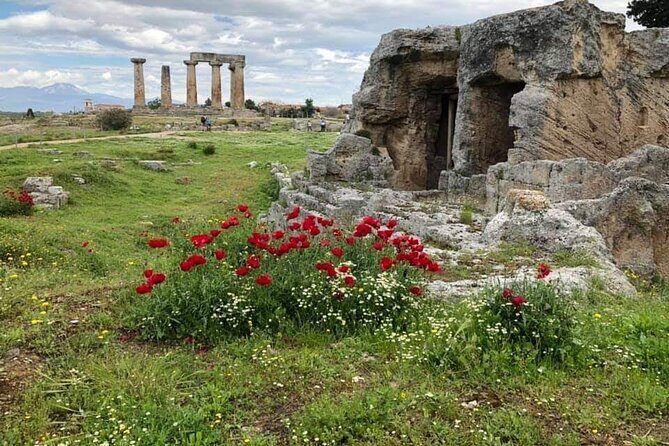
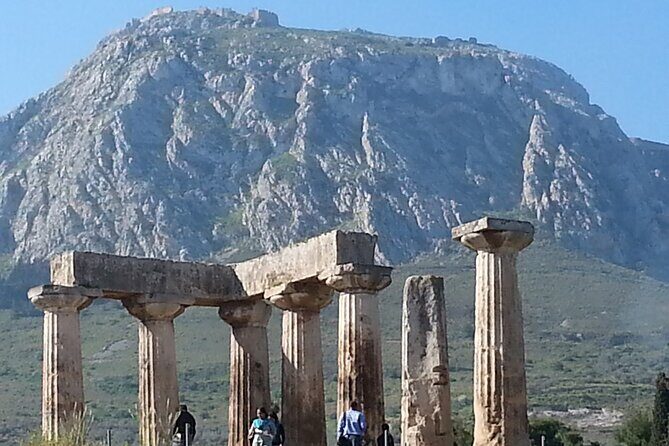
Right nearby is Ancient Corinth (Archaia Korinthos). This site mixes eras: the big Doric temple to Apollo (c. 550–530 BCE) sits alongside Roman-era remains from the 1st century CE, including a forum, a temple to Octavia, baths, and the Bema where St. Paul addressed the Corinthians. That blend matters if you like your Greece to feel continuous rather than like separate “time capsules.”
There’s also a museum on site with local artifacts. Since the museum time is included but admission isn’t, plan your entry fees accordingly.
If you’re a first-time visitor, this is a helpful stop because it teaches you how to read a ruin: look for civic spaces (forum, temple precinct), then look for religious and public platforms (like the Bema).
Stop 3: Epidaurus—classical theater acoustics worth the effort
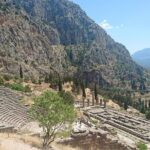
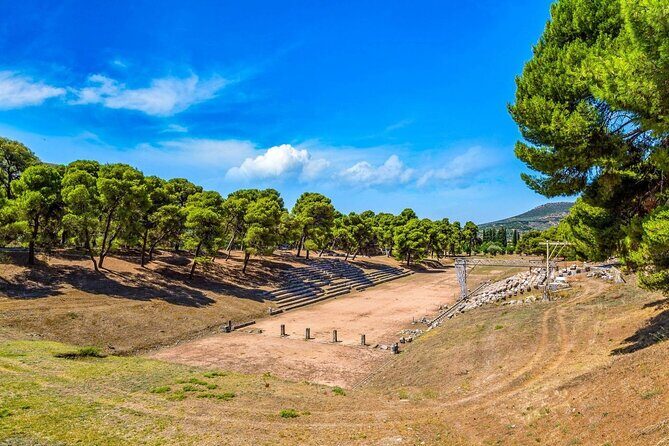
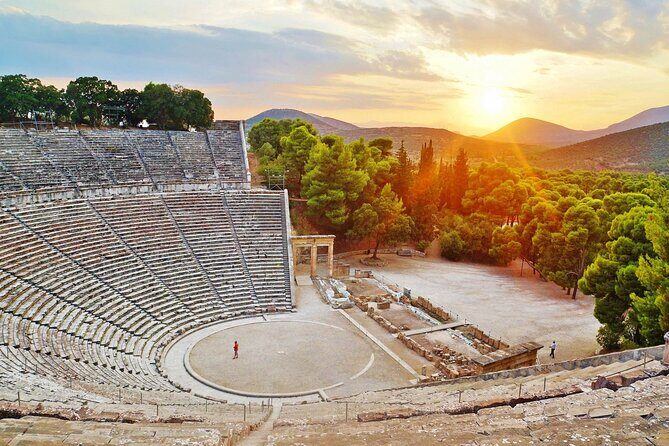
Next comes the Ancient Theatre of Epidaurus, set in the UNESCO Sanctuary of Asclepios. Epidaurus is famous for how well the theater preserves classical Greek design, and yes, you can practice the theater’s notorious acoustics. Even if you don’t do the full “can you hear me?” experiment, the scale is impressive, and the setting feels like a place people came to heal and ask questions.
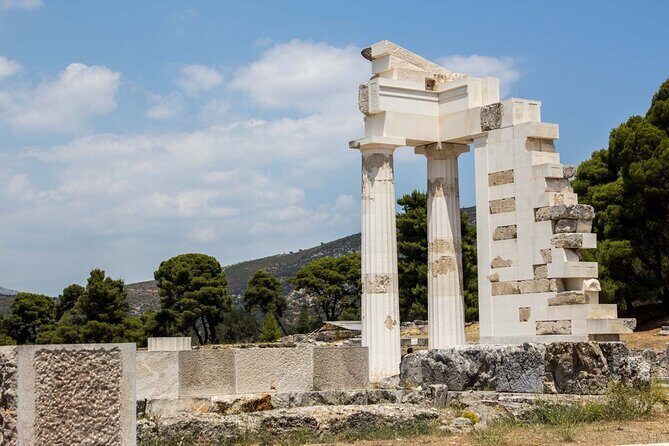
This stop is 1 hour 30 minutes and admissions aren’t included. Expect walking around the sanctuary and taking in the main structures: the theater, Tholos, Stoa of Abaton, the stadium, and an on-spot museum.
You can also read our reviews of more tours and experiences in Athens



Stop 4: Mycenae—Lion Gates, royal graves, cyclopean walls
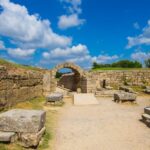
From Epidaurus, you move on to Mycenae, another UNESCO highlight. This is the “power center” stop on Day 1: the Lion Gates, graves of kings, and cyclopean architecture like the Treasury of Atreus. If you want a single site that shows the scale of ancient Mycenaean ambition, this is it.
Mycenae is timed at about 1 hour, and admission isn’t included. The best way to enjoy a place like this is not to rush every stone—pick a few moments (Lion Gates, major tomb areas, the broad sense of a fortified palace complex) and let the site do the talking.
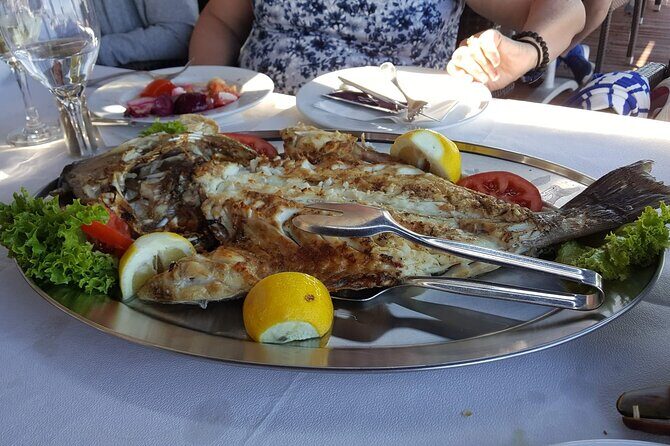
Lunch is built in via Tolo, a seaside village known for fish and seafood. The schedule frames it as a fresh Greek lunch, but since lunches are not always listed as included unless you take a lunch option, treat this as a “planned meal stop,” and confirm what’s covered when you book.
Stop 5: Nafplio—castles, cobblestones, and a real place to sleep well
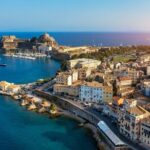
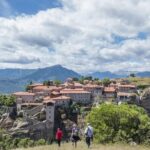
Finally, you reach Nafplio, the medieval seaside city with neoclassical touches and a promenade overlooking Bourtzi castle. This is one of those towns where the walk to the viewpoints is as good as the destinations.
You’ll stroll the main Syntagma Square with old Turkish mosques nearby, then spend time around the harbor area. The scheduled walk is about 1 hour, and it’s marked as free for admission tickets.
Your hotel base is either a 4-star or boutique hotel in Nafplio, and one listed example is Ippoliti. Either way, you get breakfast, and that matters here because Day 2 starts early with Olympia.
Day 2: Olympia first, then wine at Achaia Clauss, the Rio-Antirrio Bridge, and a northbound overnight
Day 2 is a bit of a route-change day. You start in the Peloponnese with Olympia, then add a winery option, then cross the Rio Antirio Bridge to head toward mainland Greece and Delphi.
Stop 1: Olympia—temples, stadium, and a museum with big-name statues
Ancient Olympia is UNESCO and a cornerstone for understanding the ancient Greek Olympic Games. You’ll have about 2 hours here, including time for the museum and walking the archaeological areas.
You’ll see key spaces like the Doric Temples of Zeus and Hera, plus the Bouleuterion, Prytaneion, Stadium, Gymnasium, Palestra, the Workshop of Pheidias, and more. In the museum, you’ll get a look at highlights such as the Nike of Paionios and the Hermes and the Infant Dionysus statue.
This stop is not just “ruins.” It’s one of the clearest ways to feel how ceremony, sport, and religion were connected. Admission isn’t included, so budget for tickets.
Lunch is an optional choice in the modern Olympia village at traditional taverns. Since meals aren’t listed as fully included, think of this as time to eat at local spots with simple, classic Greek menus.
Stop 2 (optional, included time): Achaia Clauss wine stop
After Olympia, you have a winery option listed as a free 1-hour visit to Achaia Clauss, the oldest Greek winery. You get a tasting and explanations of Greek wine varieties and methods. If you like wine tourism that stays grounded rather than overly fancy, this is a nice add-on.
It’s listed as free here, and marked with admission ticket included for that stop.
Stop 3: Rio-Antirrio Bridge—crossing an engineering headline
Then you head to another famous engineering site: the Rio-Antirrio Bridge, also called the Charilaos Trikoupis bridge. It was completed in 2004 for the Olympic Games, and it connects the Peloponnese with western mainland Greece.
The schedule allows about 10 minutes here, with the admission ticket marked as included. It’s short, but it’s a quick way to feel the scale of modern Greece between two ancient regions.
Stop 4: Nafpaktos Old Port—coffee with the Venetian vibe
Crossing the bridge gets you into the mainland route toward Delphi. The plan includes a stop at Nafpaktos, a scenic Venetian port and castle area. You’ll have around 30 minutes to stroll and grab coffee or tea at the port.
This is also a good break for your feet. You’ve been walking ruins all day, and Nafpaktos lets you do the lower-effort kind of sightseeing: looking, breathing, and resetting.
Stop 5: Galaxidi to sleep near Delphi
You continue to Galaxidi, a seaside town with an island-atmosphere feel, and spend the night near the Delphi area. Your overnight hotel is listed as either a 4-star or boutique hotel—examples include Ganimede in Galaxidi (with breakfast described as yummy) or Nidimos in Delphi depending on availability.
This night location matters for Day 3. It can cut down on morning driving, and it sets you up to enjoy Delphi with less rush.
Day 3: Delphi’s Apollo museum day, then Arachova, then Hosios Loukas mosaics
Day 3 is your “big myth + big art” day. You start at Delphi with museum time, then add a mountain town stop in Arachova, and finish at the UNESCO Monastery of Hosios Loukas.
Stop 1: Delphi Archaeological Museum—start with context, then go bigger
You’re picked up after breakfast and taken to Delphi, UNESCO World Heritage Site and often described as the center of the ancient world. The route here connects the dots: leaders consulted the Pythia before major decisions, and the sanctuary became wealthy and powerful because of that.
Your stop is about 2 hours at the Delphi Archaeological Museum and surrounding site highlights. The plan includes the Temple of Apollo, the Amphictyonic Council, the Siphnian Treasury, the theater, Tholos, gymnasium, and stadium.
Inside the museum, you’ll see famous pieces like the Charioteer, the Sphinx of the Naxians, and statues of Kleobis and Biton. This museum-first approach helps you read the excavated structures with more meaning, so you’re not just looking at stones—you’re looking at a system.
Admission isn’t included, so tickets are another budget item.
Stop 2: Delphi-area lunch with a view-minded plan
There’s time built in for lunch in the area at a traditional taverna called To Patriko mas, chosen for quality, service, and hygiene. The schedule includes about 1 hour here.
Since lunches are listed as not included unless you take a lunch option, I’d treat this as a “good lunch target” during the tour rather than a guaranteed free meal. Either way, it’s a straightforward way to eat without going hunting.
Stop 3: Arachova—mountain town, crafts, and formaella cheese
After lunch, you stop at Arachova, a popular ski resort village. You’ll have about 30 minutes to view local artifacts and embroidery work, then taste local foods like formaella cheese and olives. This is a quick cultural add-on that shifts you from ruins to everyday traditions.
Stop 4: Hosios Loukas—UNESCO monastery mosaics and frescoes
Your last major stop is the Monastery of Hosios Loukas, another UNESCO site known for mosaics and frescoes from the early 10th century AD. The schedule notes frescoes of the crypt were cleaned in 1960, after being covered in plasters. That kind of detail matters because it explains why the artwork looks the way it does today.
This is the closing “wow” on the tour: Byzantine art that feels different from the ancient Greek world you’ve been seeing nonstop. Admission is not included here, so plan for tickets.
After the monastery, you drive through the countryside and drop back at your Athens residence, port, or airport without any extra charge.
Hotel bases in Nafplio, Galaxidi, or Delphi: why breakfast matters on a walking-heavy plan
You’re covered for 2 nights at 4-star or boutique hotels with breakfast. Hotels are chosen based on availability, and specific examples are given: Ippoliti in Nafplio, Ganimede in Galaxidi, or Nidimos in Delphi.
In a tour like this, breakfast is not a luxury. It’s what lets you start walking without trying to solve breakfast on your phone. After Day 1’s pace and museum time in Delphi, a solid breakfast spread can be the difference between enjoying the day and feeling wrecked.
Also, having boutique or 4-star choices means you typically get more comfortable rooms than you would on a budget-only route. That matters because you’re spending a chunk of each day on the move.
Price and value: what you’re paying for, and what you’ll still budget
The price is listed as $1,078.60 per person for the 3-day private tour. For that cost, you’re mainly paying for:
- Private transport and transfers in a modern vehicle with A/C and WiFi
- 2 nights at 4-star or boutique hotels with breakfast
- Professional English-speaking driver with live commentary
- A route that strings together major sites without you driving
What’s not included is important. Admissions into archaeological sites are not included, and drinks and dinners are also not included. Lunches are generally listed as not included unless you take the lunch option. A licensed guide is available on request for an extra cost.
So the “value math” is: you’re paying to remove friction—no rental car stress, no bus schedules, fewer logistics brain cells. But you should still budget for museum and site tickets. If you’re the kind of traveler who already plans to visit multiple paid UNESCO sites, this can still be a good deal because you’re getting the itinerary right.
One more value note: this tour offers group discounts and is listed with mobile ticket support. Those details matter if you’re traveling with more than one person.
Guide impact: when the driver becomes the best part of the day
This tour leans on your driver for commentary. That’s a make-or-break thing on any private sightseeing trip. Here, the driver is the historian-in-the-front-seat, and the route rewards that skill.
In past experiences on this route, guides including Petros, Janus, and Giannis have been singled out for being friendly and for explaining Greece in a way that ties mythology to real locations. That’s especially useful at places like Delphi and Epidaurus, where the site meaning is bigger than the stones.
Practical tip: ask your driver what viewpoint to walk to first at each site, and ask them for one dinner recommendation at night. The tour already bakes in restaurant thinking, and one of the praised moments involved a Delphi dinner recommendation tied to both food and view.
Who should book this private tour—and who should not
This tour is a strong match if you:
- Want Olympia and Delphi without juggling independent logistics
- Like seeing multiple UNESCO sites in one trip, even with daily walking
- Prefer private transfers and comfort after long drives
- Enjoy hearing stories that connect ruins to myths, not just dates and names
It may be less ideal if you:
- Want a slow pace with lots of free time in just one or two places
- Feel strongly about admissions being included in the price
- Are hoping for a fully separate licensed guide by default (since the driver provides commentary, and a licensed guide is optional on request)
Should you book the 3-Day Peloponnese and Delphi Private Tour?
If you want a clean, efficient route that covers Corinth, Epidaurus, Mycenae, Nafplio, Olympia, and Delphi with comfortable hotels and helpful drivers, this is an easy yes. The price buys you reduced stress and a tight itinerary that works well for a 3-day window.
I’d only hesitate if you hate schedules and walking days, or if you don’t want to think about admission fees separately. If you’re okay with that and you want the highlights without the headache, book it and focus on the walking moments: theater at Epidaurus, the Lion Gates at Mycenae, the stadium at Olympia, and the Apollo-centered world of Delphi.
FAQ
What does this 3-day tour include?
It includes free pickup and return from the Athens airport, ports, hotels, and rentals; 2 nights in 4-star or boutique hotels with breakfast; luxury vehicles with WiFi, A/C, and bottled mineral water; and an English-speaking professional driver with live commentary.
Are admission tickets to archaeological sites included?
No. Admission fees into archaeological sites are not included. A couple of specific stops are marked with admission ticket included, but you should plan on paying site tickets for the main ruins and museums.
Will I be picked up from my hotel in Athens?
Yes. Pickup is offered from Athens airport, ports, and hotels or Airbnb accommodations in Athens and the suburbs. Your driver meets you with a sign.
Is lunch included?
Lunches are listed as not included unless you take the lunch option. The itinerary does include lunch stops during the day, including a Delphi-area taverna choice, so you’ll want to confirm what’s covered when booking.
What language is the tour commentary?
The tour is offered in English, with live commentary provided by the driver.
Is this tour private or shared with others?
It’s private. Only your group participates.
Do I need a licensed guide?
A licensed guide is not automatically included. A licensed guide is available on request for an extra cost, while the driver provides live commentary during the tour.


More Private Tours in Athens


More Tours in Athens



More Tour Reviews in Athens
- All Day Cruise -3 Islands to Agistri,Moni, Aegina with lunch and drinks included
★ 5.0 · 4,958 reviews