REVIEW · ATHENS
4-Day Classical Tour Greece: Epidaurus, Mycenae, Olympia, Delphi, Meteora
Book on Viator →Operated by Filippis Tours · Bookable on Viator
Five ancient sites, one smooth plan.
This 4-day classical tour strings together major mainland highlights with organized transport and a licensed guide who explains what you’re looking at. I especially like the included entrance fees and the way the itinerary keeps the focus on big, recognizable places without you having to plan every connection yourself.
The main thing to consider is pace. You’ll have short stops, some road time is long, and you may also spend time at craft or shopping stops after the archaeological highlights—fine for some people, annoying for others.
In This Review
- Key highlights worth centering your decision
- Entering The Classical Loop: Why This 4-Day Route Works
- Meeting Point and Timing: 8:30 Start With Central Athens Pickup
- Day 1: Epidaurus Theatre, Nafplion Photos, and Mycenae’s Power Spots
- Ancient Theatre of Epidaurus (with the acoustics focus)
- Nafplion pit stop: short, colorful, and useful
- Mycenae: the Archaeological site and the Tomb of Agamemnon
- Day 1 to Olympia: The Long Drive That Buys You Big Scale
- Day 2 Morning Olympia: Sanctuary of Olympian Zeus, Stadium, Museum
- Day 3 Delphi and Kalambaka: Museum and Site, Then Meteora Territory
- Day 4 Meteora: Two Byzantine Monasteries and the Thermopylae Stop
- Leonida’s Monument at Thermopylae: a quick historical punctuation
- How the Pace Really Feels: Short Visits, Tradeoffs, and Craft Stops
- What’s Included vs. What You’ll Pay Extra
- Included
- Not included
- Comfort and Logistics: Group Size, Getting Around, and Walking Notes
- Who Should Book This Tour (and Who Might Prefer Another Style)
- Should You Book This 4-Day Classical Tour?
- FAQ
- What time does the tour start, and where does it end?
- Is hotel pickup included?
- Are entrance fees included?
- How active is the walking at Delphi and Meteora?
- Which meals are included?
- What extra costs should I plan for besides the tour price?
Key highlights worth centering your decision
- Epidaurus Theatre acoustics: a real star of the ancient world, with time to appreciate the layout.
- Olympia in the morning: you start your day at the archaeological site and move through the key landmarks and museum area.
- Delphi’s setting: you get both the museum and the site, and you should plan for slopes and stairs.
- Meteora monasteries on two visits: two Byzantine sites, plus serious views from those rock towers.
- Big-ticket logistics are handled: guide, tickets, and transport mean less stress and less guessing.
- Small-group feel by design: the tour is capped at 50 travelers.
Entering The Classical Loop: Why This 4-Day Route Works
If your goal is classic Greece without spending half your trip on research and rerouting, this itinerary is built for you. You’re covering Epidaurus, Mycenae, Olympia, Delphi, and Meteora—five places that most people consider the core of mainland history touring. The value comes from the flow: you move from site to site with a plan, and the guide helps connect the dots so the stops feel like a storyline instead of a checklist.
I like that the structure is straightforward. You’re not bouncing around every hour by yourself; the tour handles the driving and the handoffs between locations. And you’re not wandering into ticket lines or figuring out which ticket covers what—entrance fees and taxes are included for the archaeological sites and museums.
Just know what the tradeoff is. Four days is tight for five major regions, so you’ll see a lot quickly. If you want a slower, deeper archaeology day with lots of lingering, you might feel pushed. If you want to hit the headliners, you’ll probably find the pacing works.
You can also read our reviews of more tours and experiences in Athens
Meeting Point and Timing: 8:30 Start With Central Athens Pickup
The tour starts at 8:30 am from Leof. Vasilisis Amalias 22-24, Athens. Pickup is available only from hotels located in the center of Athens. If you’re staying outside that area, you’ll likely meet at the main meeting point or use the closest alternative they can arrange.
Why this matters: a lot of frustration on group tours comes from late starts or confusing pickup. Here, the start time and pickup limits are clear. Plan to be ready early—especially if you’re relying on Athens traffic, which can be unpredictable.
Also, the meeting point is described as near public transportation. That’s helpful if you’re not taking the hotel pickup route.
Day 1: Epidaurus Theatre, Nafplion Photos, and Mycenae’s Power Spots
Day 1 is your “main Greece foundation” day—ancient performance, a pretty coastal-city pause, then Mycenae’s monumental ruins.
Ancient Theatre of Epidaurus (with the acoustics focus)
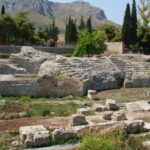
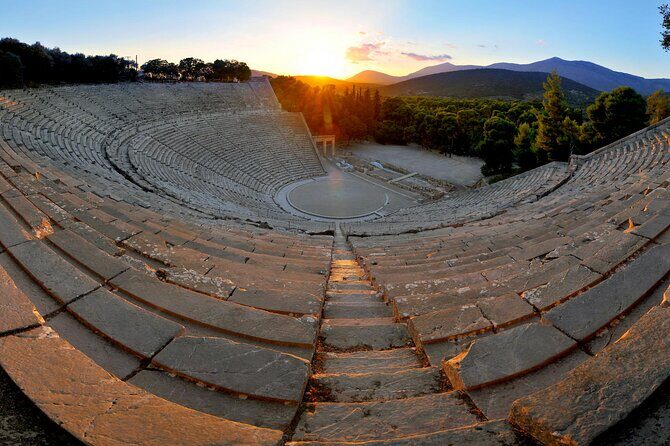
You’ll start with a visit to the Ancient Theatre of Epidaurus, known across centuries for its near-perfect acoustics. The key is that this isn’t just a wall of seats—you can actually experience the design. Expect time to take it in and look at the layout, not just walk through quickly.
The theatre visit includes admission, and the schedule gives you enough time to take photos and absorb the setting.
Nafplion pit stop: short, colorful, and useful
Next comes a brief stop in Nafplion (Nauplion). It’s a small, colorful city built at the foot of a rocky hill, so even with only about 20 minutes, you’ll get the sense of the place. Think of this as a reset: stretch your legs, grab a quick coffee, and photograph the city before you continue inland.
This stop is short on purpose. The tour still has a big day ahead, so don’t plan a full lunch here.
- All Day Cruise -3 Islands to Agistri,Moni, Aegina with lunch and drinks included
★ 5.0 · 4,958 reviews



Mycenae: the Archaeological site and the Tomb of Agamemnon
In Mycenae, you’ll visit the archaeological site and the Tomb of Agamemnon area. The tour keeps it practical: you’ll see the major pieces without getting lost in “where do I start?” decisions.
Admission for this stop is listed as free, and then the drive continues toward Olympia. The day ends with dinner and an overnight stay in Olympia, so you’re not racing to the next town late at night.
Day 1 to Olympia: The Long Drive That Buys You Big Scale
After Mycenae, you’ll travel across central Peloponnese, passing through towns including Tripolis and Megalopolis, then arriving in Olympia. This part of the day can feel like a lot of time in transit—because it is.
Here’s why it’s still a good use of your 4 days: Olympia is one of the places that makes Greek history feel physical. You’re not just reading about games; you’re standing in and around the sanctuary complex where sport and religion were tied together.
Once you arrive, the plan is classic group-tour efficiency: dinner, then sleep. If you’re the type who gets cranky after hours on the road, build in patience on this day and treat the evening as recovery time.
Day 2 Morning Olympia: Sanctuary of Olympian Zeus, Stadium, Museum
Day 2 begins with breakfast at the hotel, then a morning visit to the Archaeological Site of Olympia. You’re guided through the key landmarks, including the Sanctuary of Olympian Zeus, the Ancient Stadium, and the Archaeological Museum.
The order is smart. Starting early at Olympia helps you avoid the heaviest crowds that can build later. And with a museum visit included, you’re not stuck only outside among ruins; you’ll have context to connect what you see to what the site means.
After the archaeological stop, the route shifts to one of the more scenic drive segments: you go through plains of Ilia and Achaia, then cross the Corinthian Bay bridge from Rion to Antirion. Along the way, you pass picturesque towns including Nafpactos (Lepanto) and Itea, then you arrive in Delphi for dinner and overnight.
That drive segment matters because it keeps the day from feeling like only history stops. You’re moving through actual regions of Greece, not just hopping between parking lots.
Day 3 Delphi and Kalambaka: Museum and Site, Then Meteora Territory
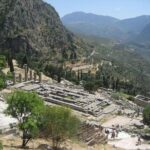
Day 3 starts with Delphi. You’ll have the energy reset of a new day, then you visit the Museum and Archaeological Site of Delphi. Delphi is different from Olympia: Olympia feels like a sanctuary built for games; Delphi feels like a place of prediction, ritual, and power.
The tour is clear about covering both museum and site. That combination is important because Delphi’s setting on the slopes can be overwhelming if you only see fragments outside. With museum time, you get the context to better understand the significance of what you’re looking at.
Then you drive to Kalambaka, described as a small town at the foot of the Meteora rock complex. You’ll dine and rest there. This is a good setup for the next day because you can sleep closer to the monasteries instead of pushing a long, late-day climb.
Day 4 Meteora: Two Byzantine Monasteries and the Thermopylae Stop
Meteora is the reason a lot of people book this tour. The monasteries sit on huge rocks that look suspended in mid-air, and that strange geography makes every stop feel cinematic.
The schedule includes early breakfast, because the visit requires energy and stamina. You’ll visit two Byzantine monasteries, with time to see rare and exquisite Byzantine artifacts. Even with a timed visit, you’re getting the core experience: churches, view points, and that unique sense of height and isolation.
Leonida’s Monument at Thermopylae: a quick historical punctuation
On the way back to Athens, the tour stops briefly at Leonida’s Monument. You won’t get an all-day study here, but it’s a solid way to connect the wider Greek story from antiquity to the broader national memory.
You’ll arrive in Athens in the early evening, and the tour ends back at the meeting point.
How the Pace Really Feels: Short Visits, Tradeoffs, and Craft Stops
This tour is structured to fit big distances and major sites into four days. That means your time at each place is limited compared with a self-paced plan. Some stops are explicitly around an hour; others are shorter.
And there’s another pacing factor: after certain ancient-site segments, the group may be guided to craft or shopping stops such as pottery, silversmiths, wine tastings, or an art studio. This is a common way group tours add a cultural break and support local businesses. It can also feel like your time is being pulled away from more archaeological viewing.
My advice: if you care most about ruins, plan to keep your expectations focused. You’ll see the key moments, not a deep, slow exploration. If you want a bit of local flavor alongside history, those stops can be a nice reset during long days.
What’s Included vs. What You’ll Pay Extra
This is where the value math becomes easy.
Included
You get:
- Professional/licensed guide
- Entrance fees for archaeological sites, museums, and all taxes/fees
- 3 breakfasts and 3 dinners
- Pickup where offered (central Athens hotels)
- Transport between locations
- Accommodations are described as included, with a note that there is a city tax you pay directly at the hotel
In practical terms, the included package helps you budget for the big costs up front. Entrance fees across five major regions can add up fast if you do it independently, and you won’t spend time choosing tickets or figuring out ticket rules.
Not included
You’ll pay separately for:
- Water or beverages during meals, plus personal expenses and tips
- City tax: if you stay in a 3-star hotel, it’s 5.00€ per room per night; if 4-star, it’s 10.00€ per room per night (paid directly at the hotel)
If you’re used to taking water and snacks out of habit, bring a plan. Even if the sightseeing is intense, hydration will help you keep your pace steady.
Comfort and Logistics: Group Size, Getting Around, and Walking Notes
The tour runs with a maximum group size of 50 travelers, which usually keeps things organized and reduces chaos at major sites.
Two specific physical considerations are noted:
- Delphi sits on slopes, with uphill sections and stairways, and it may be moderate if you’re not in good fit.
- Meteora involves moving around monasteries on steep rock terrain. You should be ready for uneven ground and stairs.
The good news is that the tour is designed to make you functional inside a busy route. You’ll have a guide, a driver, and a plan for where you’re going next.
Who Should Book This Tour (and Who Might Prefer Another Style)
You’ll like this tour if you want:
- A tight, well-organized way to see mainland Greece’s best-known classical sites
- A guide who helps you connect places to the historical story
- Included tickets and meals so you can spend less time planning and more time experiencing
- Transport that reduces the burden of getting from Athens area to inland sites and back
You might want to think twice if you:
- Hate rushed stop times
- Prefer slow archaeology wandering over quick highlights
- Don’t want any time spent in craft or wine stops
Should You Book This 4-Day Classical Tour?
For most first-time mainland Greece visitors, I’d say yes—with eyes open. The tour’s value is in its focus: it covers Epidaurus, Mycenae, Olympia, Delphi, and Meteora in one smooth package with guide + tickets + meals built in. It’s a smart way to reduce stress and still come home with major places ticked off in a meaningful order.
Book it if you’re energized by seeing the big names and you’re okay with shorter visits. Skip it (or pair it with extra days elsewhere) if you want slow, deep time in one or two sites. Either way, this is the kind of itinerary that rewards preparation: wear good shoes, expect stairs at Delphi, and keep a flexible mindset when the day gets packed.
FAQ
What time does the tour start, and where does it end?
The tour starts at 8:30 am from Leof. Vasilisis Amalias 22-24, Athens. It ends back at the same meeting point.
Is hotel pickup included?
Pickup is available only from hotels located in the center of Athens city. If you tell them your pickup location, they’ll advise you on the closest available option.
Are entrance fees included?
Yes. Entrance fees for archaeological sites and museums, plus taxes and fees, are included as part of the tour.
How active is the walking at Delphi and Meteora?
Delphi is on slopes and includes uphill sections and stairways, which may be moderate if you’re not in good fit. Meteora involves visiting monasteries on the rocky complex, so you should expect uneven terrain and stairs.
Which meals are included?
You get 3 breakfasts and 3 dinners included in the tour.
What extra costs should I plan for besides the tour price?
Water or beverages during meals, personal expenses, and tips are not included. You’ll also pay the city tax at your hotel directly based on the hotel star level (3-star: 5.00€ per room per night; 4-star: 10.00€ per room per night).


More 4-Day Experiences in Athens

More Tours in Athens


More Tour Reviews in Athens
- All Day Cruise -3 Islands to Agistri,Moni, Aegina with lunch and drinks included
★ 5.0 · 4,958 reviews