REVIEW · ATHENS
Athens Private Walking City Tour : Acropolis, Ancient Agora and The Agora Museum
Book on Viator →Operated by CRISPY LOCAL MONOPROSOΡΙ Ι.Κ.Ε. · Bookable on Viator
Athens makes more sense with a guide. This private walking tour links big monuments to the daily life of ancient Athenians, with clear commentary as you move through the Acropolis and the Ancient Agora. You also finish at the Attalos Museum to connect the architecture to what people actually used and carried.
Two things I like a lot: first, the private, experienced certified guide—and the visit can be tailored for families. The review mentioning Ourania notes she can shape the explanations for children, which is a rare and genuinely useful skill. Second, the route is built around the places tied to Plato and Socrates, so you’re not just looking at stones—you’re seeing the setting for ideas.
One thing to plan for is that tickets are not included for the Acropolis and Ancient Agora, and the museum stop is also listed as admission not included. So you’ll want to budget extra time and money for entrances, and come with comfortable shoes for a real walk.
In This Review
- Key points before you go
- Athens private walking tour: why this Acropolis to Agora plan works
- Where you meet and how to expect the route to feel
- Stop 1: Acropolis highlights from the Theatre of Dionysus to Erechtheion
- What to watch for at the Acropolis
- Stop 2: Ancient Agora and the places tied to Socrates and Plato
- Why this stop feels different from a standard sight-seeing loop
- Stop 3: Attalos Museum artifacts that explain daily Athens
- The certified private guide: what you’re paying for
- Consider the price vs. ticket costs
- Best fit: who this Athens walking tour suits
- Practical tips to make your day smoother
- Should you book this Athens private walking tour?
- FAQ
- How much does the Athens Private Walking City Tour cost per person?
- How long is the tour?
- What stops are included on the tour?
- Are entrance tickets included?
- Is this a private tour?
- Where do you meet and where does the tour end?
Key points before you go

- Private guide experience only for your group, no mixing with strangers
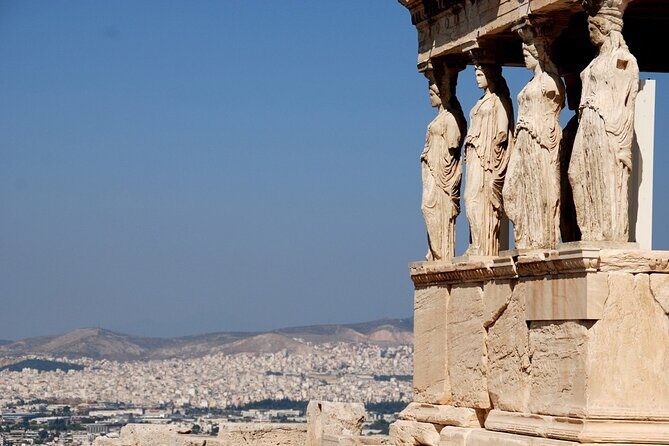
- Acropolis highlights in about 2 hours, including Dionysus, Athena Nike, and the Erechtheion area
- Ancient Agora focus on philosophy and civic life, with Plato and Socrates tied into the story
- Hephaestus Temple and other major Agora landmarks help you orient fast
- Attalos Museum adds everyday artifacts, like identification items and original weights/measures
- Mobile ticket and group discounts help keep things smooth at check-in
Athens private walking tour: why this Acropolis to Agora plan works
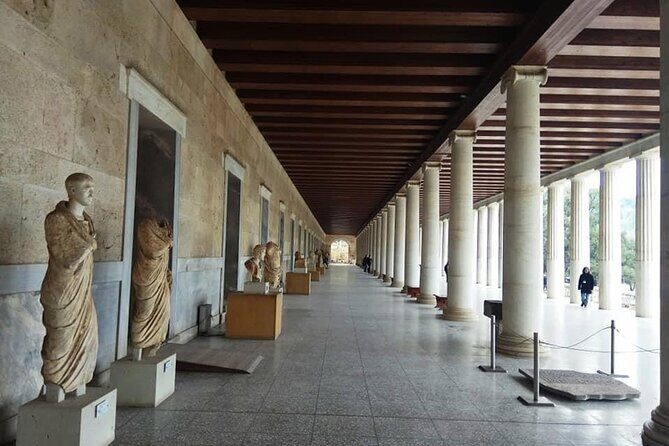
This is the kind of tour that helps you stop memorizing dates and start understanding how Athens functioned. You move from the high ground of the Acropolis—religion, power, public identity—to the Ancient Agora—where decisions, trade, and debate happened at street level. That shift is the magic: it turns Athens from a postcard into a working city.
The timing is also realistic. The tour is about 3 to 4 hours, with roughly 2 hours at the Acropolis, 1 hour at the Ancient Agora, and 30 minutes at the museum. That means you get meaningful time at each stop without the pacing getting frantic.
Since it’s a private tour, your guide can adjust the rhythm to your group. That matters a lot at the Acropolis, where crowds and stairs can make a self-guided plan feel like a sprint. Here, you can keep your bearings and actually connect what you’re seeing to the story the guide is telling.
You can also read our reviews of more walking tours in Athens


Where you meet and how to expect the route to feel
You start at Dionysos Zonar’s Rovertou Galli 43, Athina 117 42, Greece and the tour ends at Ancient Agora of Athens, Athens 105 55, Greece. Expect the route to follow the classic Athens spine: up to the Acropolis area first, then back down toward the Agora zone.
Even without an exact walking distance listed, the structure tells you something important. Two hours on the Acropolis usually means a fair amount of time on uneven ground and steps, plus pauses for explanations and photos. I’d plan on bringing water and wearing shoes that handle stone and incline.
Because the group is only your party, you can also control the pace around your interests. If you like architecture, your guide can spend more time on key viewpoints and building details. If you’re more into philosophy and civic life, you can keep the focus where Socrates and Plato fit into the Agora story.
Stop 1: Acropolis highlights from the Theatre of Dionysus to Erechtheion
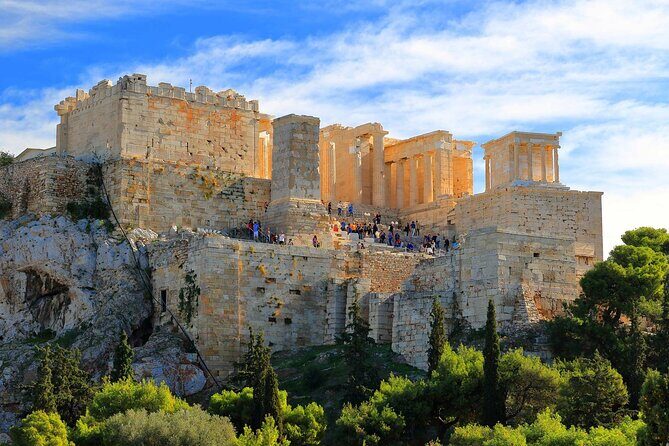
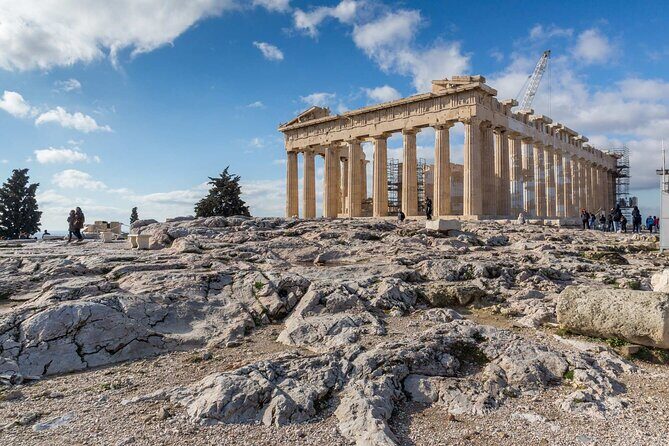
The Acropolis stop is where Athens shows off its stagecraft—literally. You’ll see the Theatre of Dionysus, which ties the Acropolis to performance and public culture. That’s a good reminder that this was not just a temple hill; it was a place where citizens gathered and expressed ideas in big ways.
From there, the tour moves through a string of major landmarks that help you build a mental map. You’ll pass the Temple of Asklipios, the Odeon of Herod Atticus, then head toward the main entrance zone with the Propylaia. Seeing these in sequence helps you understand how people would move and where the energy of the site concentrated.
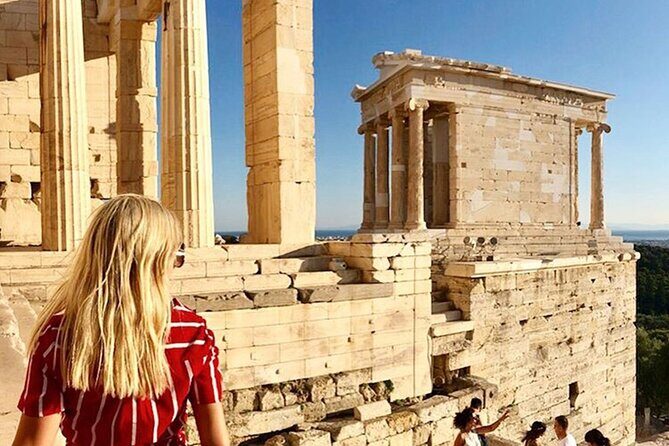
The route also includes standout religious structures like the Temple of Athena Nike and the Temple of Erechtheion. These aren’t just names. The guide’s explanations are what usually make them click—why Athena matters here, how Nike is connected to victory and civic identity, and why the Erechtheion area feels so special in how it presents sacred space.
What to watch for at the Acropolis
When you’re walking Acropolis ruins, it’s easy to stare at one fragment and miss the bigger picture. For this stop, I like that you have a guided path that links major points together. The guide’s commentary should help you connect what you see—columns, platforms, theatre space—to the role each place played.
A practical note: since Acropolis entrance tickets are not included, you’ll want to handle that ahead of time. The tour can’t magically remove the need for admission, so arriving prepared helps your day start smoothly.
Stop 2: Ancient Agora and the places tied to Socrates and Plato
The Ancient Agora is where Athens shifts from grand symbolism to everyday systems. This was the community center of ancient Athenian life, and it’s also the setting connected to the philosophers Socrates and Plato—including where they taught and lectured. That theme gives you a strong through-line: ideas didn’t float in space. They were shaped by civic meetings, commerce, and public gatherings.
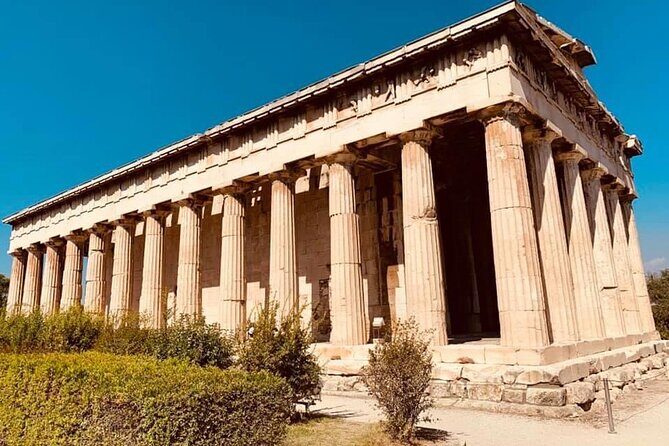
At this stop, you’ll see the Hephaestus Temple, described as the best preserved Greek temple from the 5th century BC. If you’ve ever struggled to tell one ruin from another, this kind of anchored landmark is a relief. A well-preserved temple gives you a clearer sense of scale and design, so the guide’s explanation lands faster.
The tour also includes layers of the site’s later life. You’ll visit the Church of the 12 Apostles, which helps show how the area kept being used long after the classical era. Then you move through more key civic-religious points like the Temple of Apollo Patroos, the Stoa of Zeus, and the Altar of Zeus.
You can also read our reviews of more city tours in Athens





Why this stop feels different from a standard sight-seeing loop
Self-guided sightseeing can turn the Agora into a scatter of leftovers. Here, the focus on where lectures happened—and the way the guide ties it to physical locations—helps you understand how public debate took shape. You’re not just reading about philosophy; you’re standing near the kinds of spaces where people argued, listened, and formed opinions.
The Agora entrance ticket also isn’t included, so plan on buying that separately. And given this stop is listed as about 1 hour, don’t expect every corner of the Agora to be covered. Instead, you should get a focused tour with the most meaningful landmarks tied to the big ideas.
Stop 3: Attalos Museum artifacts that explain daily Athens
The last stop is at the Museum of the Ancient Agora, the Attalos Museum, for about 30 minutes. This is the part I think many people underestimate. Ruins tell you what buildings looked like. A museum helps you understand how people lived.
Here you’ll see artifacts like ancient Greek identification cards and original weights and measures used by market inspectors. Those two examples are powerful because they connect civic order to real behavior. Identification tools connect to who you were in society. Weights and measures connect to trust and trade—how markets stayed fair.
Even with only half an hour, this stop can make the whole day feel more grounded. You’ll likely leave with fewer blank spots, because the museum objects bring the Agora’s civic life into focus.
One more practical point: the museum admission is also listed as not included. That’s not a deal-breaker, but it does mean you should budget a little extra. If you arrive without tickets, you can waste time at the end of your tour, which is the part you’ll least want to stretch out.
The certified private guide: what you’re paying for
The price is $289.40 per person, and what you’re really buying is the quality and flexibility of a private experienced certified tour guide. That’s the key value piece here. With ancient sites, the difference between looking and learning is often a good guide, not more guidebooks.
Because it’s private, the guide can tailor pacing and emphasis. The supplied review that mentions Ourania is a strong clue for families: she can tailor the visit for children. If you’re traveling with kids, that’s a huge benefit, because adults and children often need different levels of detail and different ways to stay engaged.
Also, a private format tends to reduce the stress of group bottlenecks. You still may feel crowd pressure at popular sites, but your guide can manage timing and help your group keep moving with less waiting.
Consider the price vs. ticket costs
The tour includes the guide, not site admissions. So the true cost is your ticket budget plus the base price. If you’re coming as a couple or small group, private touring often feels more reasonable because you split the experience rather than competing in a big group schedule.
If you’re traveling solo, the price can feel steep compared to joining a larger group. But if you want a focused, guided story connecting Acropolis monuments to Agora civic life, the structure is doing real work for you.
Best fit: who this Athens walking tour suits

This works well if you want a clear Athens narrative and you don’t want to figure it out on your own. The route specifically strings together the Acropolis landmarks, the Agora’s civic-philosophy setting, and then a museum stop with everyday objects. That makes it ideal for first-timers who want context fast.
It’s also a solid pick for families. The note about Ourania tailoring for children suggests the guide can adjust the explanation style. If your family includes kids who get bored with long, silent ruins-wandering, this tour’s structure is built to keep attention.
If you’re the type who likes going deeper into a topic and staying at one place longer, you might wish for more time than the listed stop durations. Still, for a single afternoon, it’s a well-balanced plan.
Practical tips to make your day smoother

- Plan around entrance tickets since they’re not included for the Acropolis, Ancient Agora, and the Attalos Museum.
- Wear shoes that can handle stone and stairs. The schedule implies steady walking, especially on the Acropolis.
- If you care about philosophy, flag that early with your guide so the Socrates and Plato story stays central while you’re at the Agora.
- Use the private format to ask questions. A guided visit is most valuable when you’re allowed to respond, not just follow.
Should you book this Athens private walking tour?
I’d book this tour if you want a guided Athens route that connects the Acropolis to the Agora with a clear focus on how citizens lived and thought. The certified private guide and the fact that the visit can be tailored for children are big pluses, especially if you’re traveling as a family or want explanations that actually land.
I would think twice if entrance tickets and extra costs would stretch your budget, because the tour price covers the guide, not admissions. Also, if you dislike walking and stairs, you may feel the pace more than someone used to city walking.
If you’re okay planning for tickets and you want a guided story that’s organized rather than chaotic, this is a strong, practical way to spend a half-day in Athens.
FAQ
How much does the Athens Private Walking City Tour cost per person?
The price is $289.40 per person.
How long is the tour?
It lasts 3 to 4 hours (approx.).
What stops are included on the tour?
You’ll visit the Acropolis, the Ancient Agora of Athens, and the Agora Museum (the Attalos Museum).
Are entrance tickets included?
No. Acropolis entrance tickets and Ancient Agora entrance are not included, and the museum stop is also listed as having admission not included.
Is this a private tour?
Yes. It’s private, so only your group will participate.
Where do you meet and where does the tour end?
Start: Dionysos Zonar’s Rovertou Galli 43, Athina 117 42, Greece. End: Ancient Agora of Athens, Athens 105 55, Greece.



More Walking Tours in Athens


More Tours in Athens



More Tour Reviews in Athens
- All Day Cruise -3 Islands to Agistri,Moni, Aegina with lunch and drinks included
★ 5.0 · 4,958 reviews