REVIEW · METEORA
Meteora: Monasteries Tour with Lunch and Athens Transfer Option
Book on Viator →Operated by Meteora Trip · Bookable on Viator
Meteora feels built for postcard moments. This tour gives you that classic feeling fast: you see all six monasteries, go inside three, and pair the cliff-top views with a proper Greek lunch in Kalambaka. I like the way a guide sets context from outside, so you are not just wandering, and I like the practical extras like photo stops, WiFi/USB on board, and audio guides in multiple languages.
The main catch is the time and the walking. Even when the Meteora portion feels like about 5 hours, the Athens round-trip option can turn into a long day, with stairs and plenty of uneven rock paths. If you know you hate heights or you need minimal steps, you’ll want to think hard before you pick this one.
In This Review
- Key things to know before you go
- How Meteora fits into a 5-hour tour, and why Athens makes it feel longer
- Kalambaka lunch: a real meal before the stairs
- Your guide’s job: set the story outside, then let you explore inside
- Dress code and cash rules: the two things that can derail your day
- Varlaam (All Saints) and why this monastery is such a showpiece
- Saint Nicholas Anapafsas: suspended-in-air vibes
- Great Meteoron: the oldest and the easiest place to understand the whole complex
- Roussanou, and the monasteries you mostly see from viewpoints
- The hidden treasures: hermit caves and chapels you learn to spot
- Transport from Kalambaka versus the Athens bus option
- Comfort and pace: what a day like this asks of your body
- Value check: is this $38.01 ticket a smart deal
- Who should book this Meteora tour, and who should consider alternatives
- Should you book the Meteora monasteries tour with lunch and Athens transfer?
- FAQ
- What time does the tour depart from Kalambaka?
- How many monasteries do you see, and how many can you enter?
- Is lunch included?
- Do I need to pay entrance fees for the monasteries?
- What dress code do I need for monastery entrances?
- Is there an option to travel from Athens?
- Are audio guides available, and what do I need to bring?
- What’s included on the bus?
- How big is the group?
- Can I cancel for a full refund?
Key things to know before you go
- All six monasteries, three interior visits: you’ll see the set piece views and also get inside part of what makes Meteora special
- Guide from the outside, self-paced inside: no guided touring inside, so you can pause for photos and read at your own speed
- Greek lunch in Kalambaka (if selected): salad, bread, water, and main-course choices, with vegetarian and vegan options
- Cash-only monastery fees: plan for €5 per monastery on-site, and bring the right money
- Dress code is real: long trousers, long skirts below the knee, and shoulder coverage (scarves work; skirt rentals may be available)
How Meteora fits into a 5-hour tour, and why Athens makes it feel longer
The Kalambaka departure is mid-day, leaving at 12:30 from Kalambaka Station. That timing is smart for Meteora because you’re not rushing in the dark, and you still have time for lunch plus multiple monastery viewpoints without feeling like you have to sprint.
If you choose the Athens transfer option, the day expands. Multiple guides and drivers run this as a full round trip, and even though the Meteora sightseeing block is still structured, you’ll be traveling by bus for much longer overall. Reviews also point out there’s typically a break midway for snacks and bathrooms, but it is still a big commitment.
You can also read our reviews of more tours and experiences in Meteora.
Kalambaka lunch: a real meal before the stairs
Lunch happens in Kalambaka at a local restaurant reserved for the tour. If you select the lunch option, you get a meal that includes salad, bread, water, and a choice of mains, plus vegetarian and vegan options. That matters because Meteora is not a snack-stop sightseeing day; you’ll be walking, climbing, and standing for viewpoints.
The food setup is usually straightforward, but one thing to watch is that included lunch is not built like a menu you customize table-by-table. You may still want to eat lightly before you arrive, then pace yourself so you can handle the monastery steps after.
Your guide’s job: set the story outside, then let you explore inside

The tour guide explains what you’re seeing from the outside. That design works well in Meteora because the monastery exteriors, caves, chapels, and rock formations each have a different reason they mattered to the monks. You also get to hear the myths and history tied to the site without being forced into a rigid inside script.
Inside, things switch to a more independent pace. There are no guided tours inside, so you can spend extra time where you care most: murals, small details, the atmosphere, or just the view from the doorway. If your group has different interests, this format usually feels fair.
You might meet guides such as Maria or Nicholas, who have been praised for friendly, clear commentary. For bus drivers, George and Dino also come up in feedback, usually for comfortable handling and keeping the day moving smoothly.
Dress code and cash rules: the two things that can derail your day
Meteora monasteries require specific attire to enter. For men, that means long trousers. For women, plan on a long skirt below the knee and covered shoulders. A long scarf wrapped around the waist can work, and skirts may be available for purchase or rent at the entrances.
Now the practical part: entrance fees are not included. The price listed for Meteora monasteries is €5 per person per monastery, and the sites accept cash only. Since you plan to visit three monasteries inside, you’ll want to budget for roughly €15 in total cash for the interior entries, plus any extra fees if a site you enter counts separately in your route.
Also note: if you want to use the free audio guides, bring your smartphone and earphones. Having your own headphones turns the audio options into something you can actually use on the spot.
Varlaam (All Saints) and why this monastery is such a showpiece
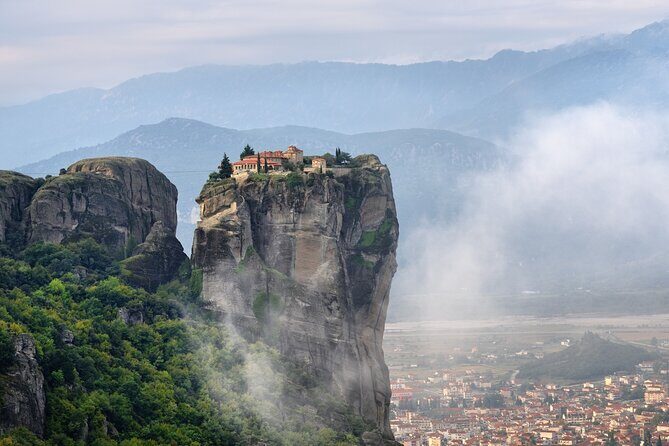
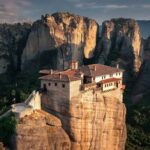
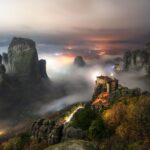
Varlaam, also known as the Monastery of All the Saints, sits on an imposing rock opposite the Great Meteoron. It’s one of the biggest monasteries you’ll see on the day, and it’s easy to understand why people talk about Meteora as a place that looks engineered by nature and faith at the same time.
Expect about an hour here, with enough time to orient yourself outside, then decide how long you want to spend inside. The views from the walkway areas tend to be the kind where you start photographing and then stop and just stare for a moment, because the scale is hard to fit into a camera frame.
One drawback of Varlaam and the other major sites is that the walking can stack up fast. Even if you do not enter every space deeply, you’re still moving between rock paths, stairs, and viewpoints.
You can also read our reviews of more tours and experiences in Meteora
Saint Nicholas Anapafsas: suspended-in-air vibes
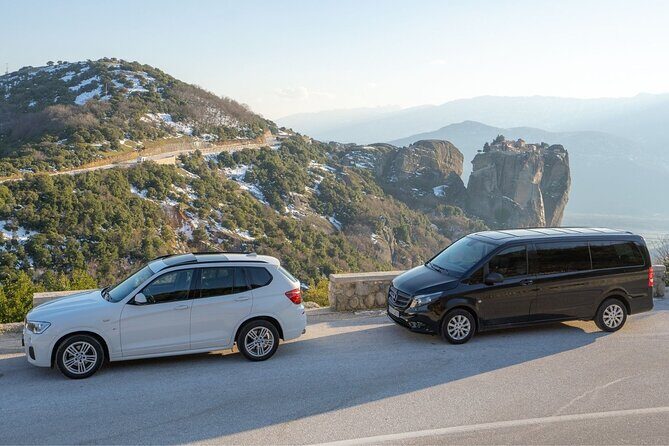
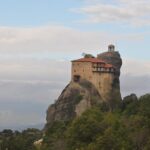
The Monastery of Saint Nicholas Anapafsas is described as suspended in air on a small rock. That phrasing is not exaggeration in spirit: the building looks like it’s perched where it shouldn’t be, especially when you’re watching other visitors climb up and down around it.
You’ll usually have about an hour at this stop. It’s a great one when you want both the spiritual setting and the “how did they do this” engineering feeling. This is also where the myths and the hermit-cave context you hear from the guide starts to click, because the monastery’s location makes sense as part of a whole system of retreat and survival.
Great Meteoron: the oldest and the easiest place to understand the whole complex
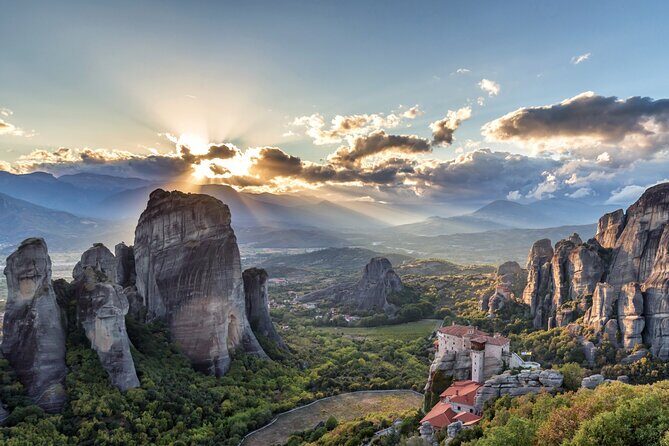
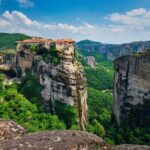
Great Meteoron, also called the Monastery of the Transfiguration of Christ, is the oldest and most important monastery in the group. That title matters because Great Meteoron tends to be the place where you feel the “center of gravity” for Meteora’s story.
Expect about 1 hour here as well. This is often where people get their best sense of scale: how monasteries could be close enough to coordinate while still feeling isolated, and how the rocks shaped daily life.
If you want the best chance to take your time, this stop is a good candidate. One review note that time at each monastery is generous, so if you slow down a bit for photos or to read what you can, you can usually still keep the day on track.
Roussanou, and the monasteries you mostly see from viewpoints
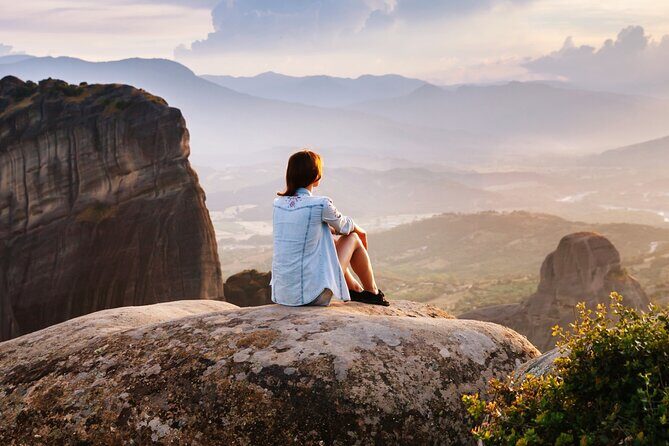
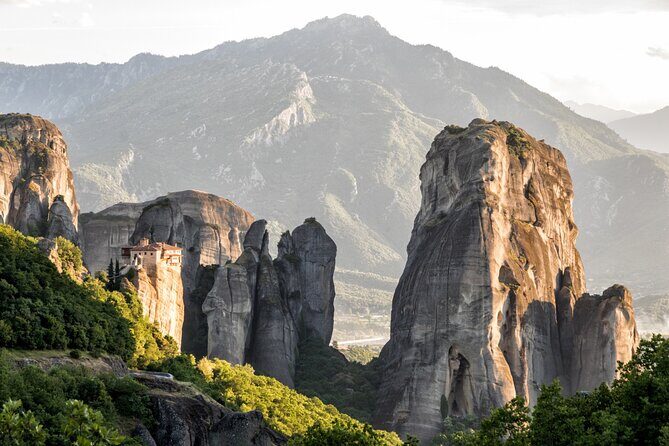
Roussanou (also known as Arsani) sits on a steep cliff between Saint Nicholas Anapafsas and Varlaam. Like the others, it’s the kind of place where you’ll understand why it became a symbol of reaching up without needing to be religious yourself.
You’ll have around an hour here. Depending on your pace and the day’s conditions, this can be a stop where you focus on interiors and details, then use the remaining minutes to step back and re-check the wide view.
You’ll also get sight of other monastery areas, including:
- The Monastery of the Holy Trinity, described as the third oldest and the most difficult to reach because it involves crossing a downhill path and ascending 145 steps carved into the rock
- St. George Mandilas cave and the Chapel of Doupiani, plus ancient hermit caves, which are mentioned as part of the “hidden treasures” story from outside
- St. Stephen’s, which is noted as the most accessible, reached via an easy stone bridge with no steps to the entrance area
Even when you cannot spend equal time inside every site, the order you see these from the outside helps you build a mental map of the whole rock cluster.
The hidden treasures: hermit caves and chapels you learn to spot
Meteora is not only monasteries you can enter. It’s also a landscape of retreats carved into rock, with spaces that served as shelters and prayer points for people living far from normal village life.
From the guide’s explanations, you should hear about ancient hermit caves, the Chapel of Doupiani, and the St. George Mandilas cave. The value here is timing: you learn what you’re looking at while you’re still in motion, so the viewpoints stop being random stops and start feeling connected.
This is also where Meteora’s myths and history land best. The cliff-top layout starts to make sense as a system rather than a set of isolated buildings.
Transport from Kalambaka versus the Athens bus option
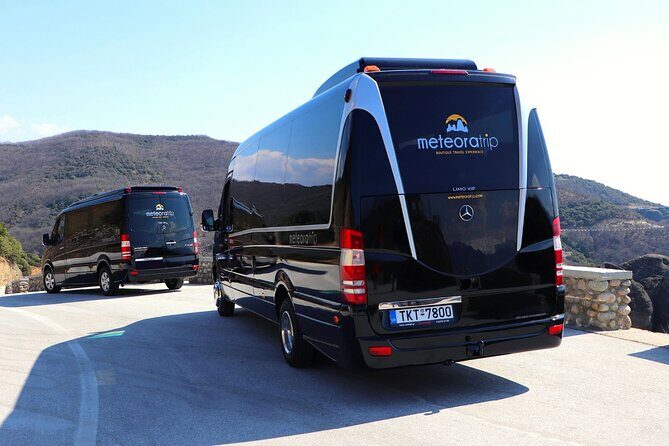
From Kalambaka, the logistics are simple: pickup and drop-off connect to the train station, and you meet the guide holding a name signboard. The bus is air-conditioned, and it comes with WiFi and USB chargers, plus a bottle of water.
From Athens, the pitch is practical: trains have been temporarily affected by maintenance, so the tour uses a round-trip bus option selected at checkout. Reviews note bus comfort features like WiFi and charging ports, and also mention longer travel time with planned stops for snacks and breaks.
That said, there are a couple of risk points with the Athens option. One concern is finding the correct bus at the start of the day when multiple Meteora buses are in the same pickup area. Your best strategy is simple: follow the signboard instructions closely and keep an eye out for the specific Meteora-marked vehicle.
Comfort and pace: what a day like this asks of your body
Meteora demands movement. Even if you are not doing extreme hiking, you are dealing with stairs, rock paths, and steep viewpoints. One repeated theme in feedback is the height factor, including the feeling that the monasteries are built 1,000 feet in the air.
So I suggest you treat this as a “walk-and-climb day,” not a sit-and-watch day. If your legs are fine but you need to go slower, you can often adjust at the monastery entrances because the tour timing is structured to allow visitors to pace themselves.
If weather turns bad, the experience can be canceled due to the requirement for good weather. That’s not a minor detail here, because fog and rain change visibility and make rock paths more slippery.
Value check: is this $38.01 ticket a smart deal
At $38.01 per person, the tour looks inexpensive once you add what’s bundled. You’re getting transportation by air-conditioned bus, an English-speaking local guide, audio guides in multiple languages, panoramic photo stops, and visits to multiple monasteries with a mix of exterior viewing and interior entry.
Then add the built-in “hard part” costs you would otherwise handle yourself:
- Entrance fees are separate at €5 per monastery on-site, but you still save time by having the day organized
- If you choose lunch, you get salad, bread, water, and mains with vegetarian and vegan choices at a local restaurant
The key value calculation is this: you’re paying for coordination and guided framing. You also get a small group size, with a stated maximum of 15 travelers, which can make it easier to move through sites without constant bottlenecks.
If you are the kind of traveler who prefers to drive yourself, you could theoretically assemble a similar day on your own. But Meteora is logistically annoying without a plan, and that is where this tour’s price starts to look reasonable.
Who should book this Meteora tour, and who should consider alternatives
This tour is a good match if you want:
- A clear, organized Meteora day that includes three interior monastery visits
- A guide’s storytelling to connect the caves, chapels, and rock layout
- A lunch break in Kalambaka so you are not stuck hunting for food mid-day
It’s not the best match if:
- You cannot handle stairs or steep, uneven paths
- You need a fully guided experience inside every monastery
- You expect a very short tour from Athens with minimal travel time
It also helps if you can handle a cash payment for monastery entrance fees. For many people, that turns into a small hassle. For a few, it becomes the one avoidable stress.
Should you book the Meteora monasteries tour with lunch and Athens transfer?
I’d book it if you’re trying to make Meteora work with limited time, especially if you are coming from Athens and don’t want to gamble with train changes. The combination of three interior visits, a friendly guide format, and lunch in Kalambaka makes it feel like a full Meteora package without needing to plan every tiny step.
I’d pause if you are sensitive to long travel days, aggressive “rest stop” type environments, or you know you struggle with lots of walking and heights. Bring what you need (cash for entrance fees, earphones for audio, and the right clothing), and you’ll set yourself up for a smooth day.
If you want Meteora in one organized shot, this is a solid way to do it.
FAQ
What time does the tour depart from Kalambaka?
The tour departs daily from Kalambaka Train Station at 12:30.
How many monasteries do you see, and how many can you enter?
You see all six monasteries, and you explore the interior of three.
Is lunch included?
Lunch at a local restaurant is included if you select the lunch option.
Do I need to pay entrance fees for the monasteries?
Yes. Entrance fees are not included, and the cost is €5.00 per person per monastery. Monasteries accept cash for the entrance fees.
What dress code do I need for monastery entrances?
Men must wear long trousers. Women must wear long skirts below the knee and cover their shoulders. Skirts may be available for purchase or rent at the entrance, and a long scarf wrapped around the waist can also be sufficient.
Is there an option to travel from Athens?
Yes. You can upgrade to round-trip Athens to Meteora transportation by bus when selecting that option at checkout.
Are audio guides available, and what do I need to bring?
Free audio guides are available in Spanish, French, German, Italian, Japanese, Chinese, and Korean. You should bring your smartphone and earphones.
What’s included on the bus?
The tour includes an air-conditioned bus, WiFi and USB chargers, a bottle of water, and panoramic photo stops.
How big is the group?
The tour has a maximum of 15 travelers.
Can I cancel for a full refund?
Free cancellation is available. You can cancel up to 24 hours in advance for a full refund, but cancellations within 24 hours of the start time are not refundable. Poor weather can also lead to a change in date or a full refund.